

Vegetarian Protein-Packed Meals: High-Protein Ideas to Try
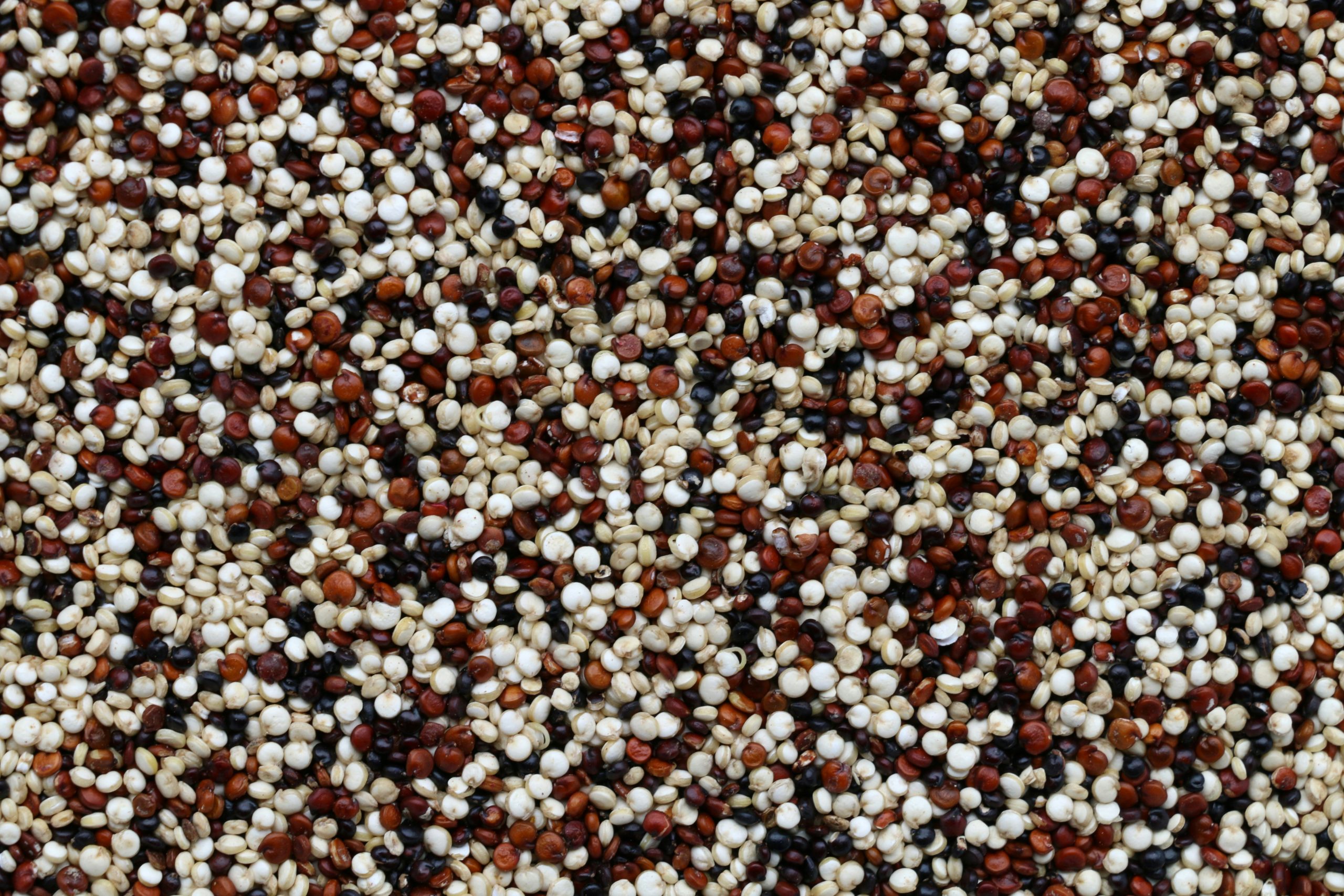
Let me be honest with you. For years, whenever someone asked me, “How do I get enough protein without meat?” the usual answer was simple: beans, lentils, quinoa, tofu. All good choices—but that answer never really explained how to turn those foods into meals that are actually filling, practical, and high in protein.
The good news is that you don’t need meat to build a protein-rich meal. Lentils, chickpeas, beans, tofu, eggs, dairy, nuts, seeds, and whole grains can all contribute protein. The real challenge is knowing how to combine these foods into meals that give you enough protein while still being satisfying and easy to fit into everyday life.
In this guide, we’ll look at three simple vegetarian protein-packed meals built with familiar ingredients—not complicated recipes or a cupboard full of supplements. I’ll also break down where the protein comes from, why each combination works nutritionally, and how to adapt these meals to your own needs.
Quick Answer
The easiest way to build vegetarian protein-packed meals is to start with a substantial protein source—such as lentils, chickpeas, beans, tofu, eggs, or dairy—then add vegetables, whole grains, nuts, or seeds to round out the meal. You don’t need to combine specific plant proteins at every meal; eating a varied diet throughout the day can provide the essential amino acids your body needs.
What Makes a Vegetarian Meal High in Protein?
A vegetarian meal becomes more protein-rich when it includes a clear protein source rather than relying mainly on grains or vegetables. Lentils, beans, chickpeas, tofu, tempeh, eggs, Greek yogurt, cottage cheese, milk, nuts, and seeds can all contribute meaningful amounts of protein. From there, add vegetables and a whole-grain or other carbohydrate source to make the meal more balanced, filling, and practical for everyday eating. For more guidance on building a balanced eating pattern, see our food and nutrition guide.
1. Savory Lentil-Oat Bowl
Sweet oatmeal doesn’t have to be your only breakfast option. A savory bowl made with oats, lentils, seeds, and either egg or paneer gives you a more substantial combination of protein, fiber, and other nutrients using simple ingredients you can easily work into your morning routine.
What you’ll need:
- ½ cup rolled oats
- ½ cup cooked red lentils
- 1 egg or about ¼ block crumbled paneer
- 2 tablespoons pumpkin seeds
- 1 teaspoon sesame oil
- Water or low-sodium vegetable stock
- Turmeric and other spices to taste
The combination is useful because each ingredient brings something different to the plate. Lentils and egg or paneer provide the main protein, while oats add protein along with carbohydrates and fiber. Pumpkin seeds contribute additional protein and unsaturated fats, making the bowl more substantial and helping it fit into a balanced breakfast rather than functioning as a carb-heavy meal on its own.
2. Chickpea-Spinach Wrap
Chickpeas make an easy base for a filling vegetarian wrap, especially when they’re paired with tahini and plenty of vegetables. The combination brings protein, fiber, and healthy fats together in a meal that works well for lunch or as a convenient post-workout option.
What you’ll need:
- 1 whole-grain wrap
- ¾ cup cooked chickpeas, mashed
- 1 tablespoon tahini
- A generous handful of spinach
- 1–2 tablespoons plain Greek yogurt or a squeeze of lemon, optional
- Fresh ginger, grated, optional
- A pinch of cumin, black pepper, and salt
Chickpeas provide a solid plant-based protein base, while tahini adds more protein and unsaturated fat. The whole-grain wrap contributes additional protein and fiber, and spinach adds vegetables plus useful micronutrients. Together, these ingredients make the wrap more balanced and satisfying than a wrap built mostly around refined flour and a small amount of filling.
3. Tofu-Broccoli Crumble
Tofu makes a convenient high-protein base for dinner, and crumbling it gives the dish a texture that’s closer to a hearty vegetable skillet than a plain block of tofu. Add broccoli, a modest serving of millet, and a few simple seasonings, and you have a protein-rich vegetarian meal that doesn’t require complicated preparation.
What you’ll need:
- 200 g firm tofu, crumbled
- 1 cup chopped broccoli, including the tender stems
- ½ cup cooked millet
- 1 teaspoon sesame or olive oil
- ¼ teaspoon turmeric
- Black pepper and other spices to taste
- A small pinch of kala namak, optional
Tofu provides the main protein in this meal and is a complete plant protein, meaning it contains all nine essential amino acids. Broccoli adds vegetables and fiber, while millet contributes carbohydrates, protein, and other nutrients. The result is a simple combination that can work well as part of a balanced vegetarian dinner without making exaggerated claims about kidney protection or other medical effects.
The result is a simple combination that can work well as part of a balanced vegetarian dinner. For more ideas, see our healthy dinner ideas for other practical meal options.
How Much Protein Do These Meals Provide?
Protein amounts will vary depending on the exact ingredients, brands, and portion sizes, but the following estimates give you a useful starting point:
| Meal | Main protein sources | Approximate protein |
|---|---|---|
| Savory Lentil-Oat Bowl | Lentils, egg, oats, pumpkin seeds | 20–25 g |
| Chickpea-Spinach Wrap | Chickpeas, tahini, whole-grain wrap | 15–20 g |
| Tofu-Broccoli Crumble | Tofu, millet, broccoli | 25–30 g |
These are estimates, not fixed values. For a more accurate number, check the nutrition labels of packaged ingredients and adjust the calculation based on the portions you actually use.
How Much Protein Do You Actually Need?
There isn’t one protein target that works for everyone. Your needs depend on factors such as age, body size, activity level, and overall health. For many healthy adults, the basic recommended intake is around 0.8 grams of protein per kilogram of body weight per day, while people who are older, physically active, or trying to maintain muscle may need more. Rather than chasing a specific number from one meal, focus on including a meaningful protein source throughout the day and adjust your intake with guidance from a dietitian or healthcare professional when you have specific health or fitness goals.
Can Vegetarian Meals Support Muscle Health?
Yes. A well-planned vegetarian diet can provide enough protein to support muscle maintenance and growth. The key is getting enough total protein and choosing a variety of protein-rich foods rather than relying mainly on grains, vegetables, or highly processed vegetarian foods. Lentils, beans, chickpeas, tofu, dairy, eggs, nuts, and seeds can all contribute to your daily intake, while regular resistance exercise provides the training stimulus your muscles need.
Can Vegetarian Protein-Packed Meals Help With Blood Sugar?
A balanced vegetarian meal can fit well into a blood-sugar-conscious eating pattern, particularly when protein-rich foods are paired with fiber-rich vegetables and minimally processed carbohydrates. Lentils, beans, chickpeas, tofu, nuts, and seeds can help add protein and fiber to a meal, while choosing whole grains and keeping portions of refined carbohydrates in check can make the overall meal more balanced. For people with diabetes or prediabetes, however, individual carbohydrate needs and medication can affect how different meals influence blood glucose.
For people with diabetes or prediabetes, however, individual carbohydrate needs and medication can affect how different meals influence blood glucose.
What About Vegetarian Protein and Kidney Health?
For most healthy people, eating plant-based protein foods such as beans, lentils, tofu, nuts, and seeds can be part of a balanced diet. Kidney disease is different, though. People with chronic kidney disease may need individualized guidance on protein, sodium, potassium, phosphorus, and overall diet, depending on their kidney function and treatment. So a high-protein vegetarian diet should not be assumed to be appropriate for everyone with kidney problems.
Common Mistakes When Eating a High-Protein Vegetarian Diet
Eating vegetarian doesn’t automatically mean you’re eating enough protein. One common mistake is building meals mainly around rice, bread, pasta, or other grains and assuming the vegetables or small amount of beans on the side will provide enough protein. Another is relying heavily on processed vegetarian foods while overlooking simple options such as lentils, beans, chickpeas, tofu, eggs, dairy, nuts, and seeds. A better approach is to identify the main protein source first, then build the rest of the meal around it.
How to Spread Protein Throughout the Day
Think of your daily protein intake as a series of smaller opportunities rather than one big target you have to hit at dinner. Starting the day with a protein-rich breakfast, choosing a substantial protein source at lunch, and building dinner around foods such as tofu, beans, lentils, eggs, or dairy can make it much easier to meet your overall needs. Snacks can also help when you’re genuinely hungry—a serving of Greek yogurt, cottage cheese, roasted chickpeas, or a handful of nuts can add protein without turning your eating plan into a complicated routine. The goal isn’t to make every meal perfect; it’s to make protein a regular part of the meals you already enjoy.
Frequently Asked Questions
Can you get enough protein from a vegetarian diet? + Yes. A well-planned vegetarian diet can provide enough protein through foods such as lentils, beans, chickpeas, tofu, tempeh, eggs, dairy, nuts, seeds, and whole grains. The key is eating enough overall and including a variety of protein-rich foods throughout the day.
What are the best vegetarian foods for protein? + Some of the most useful vegetarian protein sources include lentils, beans, chickpeas, tofu, tempeh, Greek yogurt, cottage cheese, eggs, milk, nuts, seeds, and edamame. The best choices depend on your dietary preferences, calorie needs, and whether you eat eggs or dairy.
What is a high-protein vegetarian meal? + A high-protein vegetarian meal includes a substantial protein source as its foundation, such as tofu, lentils, chickpeas, beans, eggs, or dairy. Adding vegetables, whole grains, nuts, or seeds can make the meal more balanced while contributing additional protein and fiber.
Do vegetarians need to combine proteins at every meal? + No. You don’t need to combine specific plant proteins at every meal to get complete protein. Eating a varied diet that provides different protein sources throughout the day can supply all the essential amino acids your body needs.
Are vegetarian meals good for building muscle? + They can be. Vegetarian diets can support muscle maintenance and growth when they provide enough total protein, calories, and other nutrients. Combining adequate protein intake with resistance training is important for people trying to build or maintain muscle.
Are vegetarian protein meals good for people with diabetes? + They can fit into a diabetes-friendly eating pattern, particularly when meals emphasize protein-rich foods, vegetables, fiber-rich carbohydrates, and minimally processed foods. However, carbohydrate needs vary from person to person, and people taking diabetes medications may need individualized dietary guidance.
Is a high-protein vegetarian diet safe for people with kidney disease? + Not necessarily for everyone. People with chronic kidney disease may need individualized recommendations for protein and other nutrients such as sodium, potassium, and phosphorus. Anyone with kidney disease should discuss major dietary changes with their healthcare professional or a registered dietitian.
Can you get enough protein without protein powder? + Yes. Protein powder is not required to meet protein needs. Foods such as lentils, beans, chickpeas, tofu, eggs, dairy, nuts, seeds, and edamame can provide substantial amounts of protein as part of a balanced diet.
Yes. A well-planned vegetarian diet can provide enough protein through foods such as lentils, beans, chickpeas, tofu, tempeh, eggs, dairy, nuts, seeds, and whole grains. The key is eating enough overall and including a variety of protein-rich foods throughout the day.
Some of the most useful vegetarian protein sources include lentils, beans, chickpeas, tofu, tempeh, Greek yogurt, cottage cheese, eggs, milk, nuts, seeds, and edamame. The best choices depend on your dietary preferences, calorie needs, and whether you eat eggs or dairy.
A high-protein vegetarian meal includes a substantial protein source as its foundation, such as tofu, lentils, chickpeas, beans, eggs, or dairy. Adding vegetables, whole grains, nuts, or seeds can make the meal more balanced while contributing additional protein and fiber.
No. You don’t need to combine specific plant proteins at every meal to get complete protein. Eating a varied diet that provides different protein sources throughout the day can supply all the essential amino acids your body needs.
They can be. Vegetarian diets can support muscle maintenance and growth when they provide enough total protein, calories, and other nutrients. Combining adequate protein intake with resistance training is important for people trying to build or maintain muscle.
They can fit into a diabetes-friendly eating pattern, particularly when meals emphasize protein-rich foods, vegetables, fiber-rich carbohydrates, and minimally processed foods. However, carbohydrate needs vary from person to person, and people taking diabetes medications may need individualized dietary guidance.
Not necessarily for everyone. People with chronic kidney disease may need individualized recommendations for protein and other nutrients such as sodium, potassium, and phosphorus. Anyone with kidney disease should discuss major dietary changes with their healthcare professional or a registered dietitian.
Yes. Protein powder is not required to meet protein needs. Foods such as lentils, beans, chickpeas, tofu, eggs, dairy, nuts, seeds, and edamame can provide substantial amounts of protein as part of a balanced diet.
Bottom Line
You don’t need meat—or a cupboard full of protein powders—to build satisfying, protein-rich vegetarian meals. Start with a real protein source such as lentils, chickpeas, tofu, eggs, or dairy, then add vegetables, whole grains, nuts, or seeds to complete the meal. The three recipes in this guide are simply starting points; portions can be adjusted around your age, activity level, dietary preferences, and health needs. Think of protein as the foundation of the meal, not an afterthought.
Medical Disclaimer
This article is for general educational purposes only and does not replace personalized medical advice, diagnosis, or treatment. Nutrition and protein needs can vary based on your age, activity level, medications, and health conditions. If you have diabetes, prediabetes, chronic kidney disease, or another medical condition that affects your diet, speak with your doctor or a registered dietitian before making significant dietary changes.
References
- Academy of Nutrition and Dietetics. Vegetarian Dietary Patterns for Adults: A Position Paper of the Academy of Nutrition and Dietetics. Journal of the Academy of Nutrition and Dietetics, 2025.
- American Diabetes Association. Standards of Care in Diabetes—2026: Prevention or Delay of Diabetes and Associated Comorbidities. Diabetes Care, 2026.
- American Diabetes Association. Standards of Care in Diabetes—2026: Older Adults. Diabetes Care, 2026.
These sources support the article’s discussion of appropriately planned vegetarian diets, individualized nutrition, plant-based protein sources, protein needs, and nutrition considerations for people with diabetes or other health conditions.