Medical Bluff

Category: Health and Wellness

Non-Dairy Foods High in Calcium

Non-Dairy Foods High in Calcium: Real Guide for Dairy Free Diets

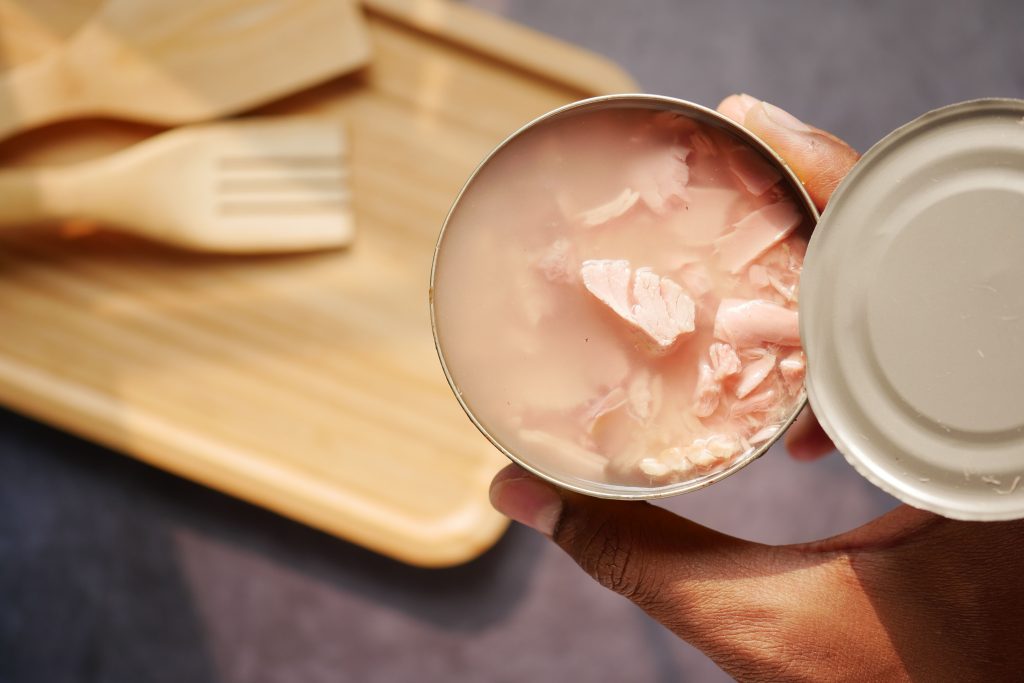
 Stopped Eating Cheese (Mostly) and Didn’t Lose My Bones. Here’s How. Let me be real with you for a second. About two years ago, my doctor looked at my blood work, pushed her glasses up, and said, “Your vitamin D is fine, but your calcium is flirting with the danger zone.” I panicked. Not because I’m dramatic (okay, maybe a little), but because I had quietly stopped drinking milk. Then I stopped eating yogurt. And cheese? We were on a “break.” My stomach had decided, overnight, that dairy was no longer its friend. So I figured I had two options: Spend my 40s sounding like a bowl of Rice Krispies (snap, crackle, pop). Figure out how to eat rocks. Turns out, you don’t need a cow to keep your skeleton happy. You just need to know where to look—and be willing to eat a few weird things. The Usual Suspects (That Nobody Tells You About) If you Google “non-dairy calcium,” the first thing that pops up is always leafy greens. And yes, kale is great. But you know what’s better than kale? Not hating your life. Here’s the real list that saved me: 1. Canned Fish with Bones (Yes, the Bones) Okay, hear me out. I know this sounds like a medieval punishment. But sardines and canned salmon (with the soft, mashed-up bones) are calcium bombs. One can of sardines has about 35% of your daily calcium. I mash them into a mustard-lemon spread on toast. You don’t even feel the bones. I promise. My husband still gags when I open the can, but my femurs are thanking me. 2. Blackstrap Molasses This one feels like a grandma secret. It’s thick, dark, and tastes like a slightly bitter caramel. Two tablespoons have around 400mg of calcium—that’s more than a glass of milk. I stir it into my oatmeal, my coffee (surprisingly good), and even brush it on roasted sweet potatoes. It makes you feel like a witch brewing a potion. In a good way. 3. Fortified Tofu Not all tofu is created equal. You have to look for the one made with calcium sulfate (it’s usually in the ingredients list). Regular tofu has some calcium, but the fortified stuff has double. I cube it, toss it in cornstarch, and air-fry it until it’s crunchy. Dip it in a spicy peanut sauce. I forget it’s healthy. 4. Tahini This is just ground sesame seeds, but don’t let the simplicity fool you. Two tablespoons have about 130mg of calcium. I drizzle it over roasted broccoli, mix it into salad dressings, and—don’t judge me—eat it straight from the jar with a spoon when nobody’s looking. It’s nutty, creamy, and makes everything taste like a Mediterranean daydream. 5. Oranges & Dried Figs Most people think citrus is just for vitamin C. But one large orange has about 60mg of calcium. That’s not huge, but it adds up. Dried figs, though? Those are the secret weapon. Four dried figs have around 100mg. I chop them up and throw them into trail mix or stuff them with a little almond butter for a 3 p.m. sugar crash rescue. The “Wait, That Has Calcium?” Surprise I almost forgot this one until I was making soup last week: white beans. One cup of cooked white beans (cannellini or navy) has about 160mg of calcium. That’s not a ton compared to sardines, but they’re cheap, filling, and you can blend them into a pasta sauce without anyone knowing. Also, almonds. A handful (about 1/4 cup) gives you 90mg. I keep a little jar in my car for traffic jam snacking. How I Actually Eat This Stuff (Without a Spreadsheet) I’m not a meal-prepper. I lose Tupperware lids. So I built a simple rhythm: Morning: Oatmeal with a spoonful of blackstrap molasses + a sprinkle of chia seeds (chia has 180mg per ounce, by the way). Lunch: A big salad with tahini dressing + half a can of sardines on the side. Snack: A handful of almonds + a dried fig or two. Dinner: Stir-fried calcium-set tofu with whatever veggies are dying in my fridge. On a good day, I hit over 1000mg without trying. On a bad day (pizza + couch), I just try again tomorrow. One Annoying Thing You Should Know Calcium is a diva. It doesn’t work alone. You need vitamin D (go outside, or take a supplement) and magnesium (hello, pumpkin seeds and spinach) for your body to actually use the calcium. Otherwise, you’re just making expensive pee. Also, don’t take calcium supplements unless a doctor tells you to. Too much from pills can mess with your heart. Food form is always safer. Final Honest Thought I used to think dairy was the only shortcut to strong bones. Now I realize it’s like driving—there’s more than one route to the same destination. My stomach is calmer, my grocery bill is actually lower (molasses is cheap, people), and I feel weirdly proud eating sardines in public. If you’re dairy-free by choice, by allergy, or just by circumstance—you’ve got options. You don’t need a cow. You just need a can of fish, a jar of tahini, and a willingness to try molasses in your coffee. Now if you’ll excuse me, I have a date with a bag of dried figs. — A former cheese addict, now a bone health nerd Let me know in the comments: What’s the weirdest non-dairy calcium source you’ve tried? (Please don’t say eggshells. My neighbor tried that. It did not go well.)

Read More »
Spiritual Health

Spiritual Health: What It Really Means,3 Small Ways to Start Today

 Let’s Be Real: Spiritual Health Isn’t What You Think (And You’re Probably Already Doing It) I used to roll my eyes a little at the phrase “spiritual health.” In my head, it conjured up images of people meditating on mountaintops at sunrise, wearing linen pants, and talking about their “energy crystals.” Don’t get me wrong—good for them. But me? I’m the person who trips over the dog on the way to make coffee at 6 AM and spends twenty minutes looking for my left shoe. So when my doctor (yes, my regular medical doctor) asked me about my “spiritual health” during a check-up last year, I laughed. I thought it was a trick question. Turns out, it wasn’t. She wasn’t asking if I went to church or if I had a guru. She was asking something much simpler—and much harder: Do you feel connected to anything bigger than your own to-do list? That question stopped me cold. The Unsexy Truth About Spiritual Health Here’s what I’ve learned since that awkward doctor’s appointment. Spiritual health has almost nothing to do with religion, and everything to do with quiet. Not silence—quiet. The kind of quiet where your nervous system remembers it doesn’t have to be on high alert 24/7. You know that feeling when you’re driving in the rain and you finally pull into your driveway and just sit there for a second before turning off the car? That tiny pause where you’re not doing, not planning, not scrolling? That is spiritual health. Or the weird lump in your throat when you watch a stranger do something kind for someone else. Or the way your shoulders drop two inches when you step outside and the air smells like rain. That’s it. That’s the stuff. We’ve overcomplicated this. Spiritual health isn’t about being enlightened. It’s about not feeling like a scrambled egg inside your own skin. The Signs You’ve Neglected This (Without Realizing It) Let me tell you how spiritual unhealth showed up in my life before I knew what to call it. The endless loop. I’d lie awake at 2 AM replaying a dumb thing I said in 2017. Over and over. Like a broken record of shame. The numbness. Not sadness, exactly. Just… nothing. Food tasted fine. Sunsets looked nice. But I felt like I was watching my own life through a thick pane of glass. The urgency. Everything felt like an emergency. A text message pinged? Emergency. A coworker’s tone was slightly off? Emergency. My soul was basically a fire alarm that never shut off. If any of that sounds familiar, don’t panic. It’s not a moral failure. It’s just a sign that your inner life has been running on empty for a while. Small, Weird Things That Actually Help (No Crystals Required) Because I know you’re busy. I know you have bills and laundry and that one group chat that won’t stop buzzing. So here’s the low-stakes, zero-pressure stuff that helped me inch back toward feeling human. 1. Do one thing slowly on purpose. Pick the most boring task you have—washing a mug, folding a towel, watering a plant—and do it like it matters. Feel the water. Notice the steam. It sounds stupid. It works and breaks the rush-hour traffic in your brain. 2. Ask yourself one question before bed. Not “What did I get done today?” That’s a trap. Try this instead: When did I feel most like myself today? Even if the answer is “for three seconds while petting the cat.” That counts. 3. Get okay with not knowing. Spiritual health, for me, looked like admitting that I don’t have a clue what I’m doing most days. And that’s actually fine. Certainty is exhausting. Letting yourself be a beginner—at meditation, at journaling, at sitting still for five minutes without a screen—is strangely freeing. The Part Nobody Tells You Here’s the part they leave out of the wellness articles. Sometimes spiritual health is ugly. Sometimes it looks like crying in your car after a long day because you’re just so tired of pretending you’ve got it all together. There are moments it looks like admitting you’re lonely, or scared, or furious at the world. And that’s not a failure. That’s the work. Because spiritual health isn’t about feeling peaceful all the time. It’s about making room for the hard stuff without letting it burn the house down. It’s about coming back to yourself—even the messy, irritable, tired parts—and saying, “Okay. You’re still here. Let’s sit for a minute.” So If You Do One Thing… Don’t add “improve spiritual health” to your to-do list. That’s just more pressure. Instead, next time you find yourself rushing—through a meal, through a conversation, through your own breath—just pause for ten seconds. Ten seconds of no fixing, no planning, no judging. That pause is the doorway. You don’t have to walk through it far. Just far enough to remember you’re a human being, not a human doing. And honestly? That’s more than enough. If this landed differently than you expected, good. That’s the point. Spiritual health isn’t another product to buy or habit to track. It’s just coming home to yourself—slowly, awkwardly, one small pause at a time.

Read More »
Soursop Leaves

15 Health Benefits of Soursop Leaves (By Personal Exp & Science)

Let me be honest: I’m a skeptic. When my aunt from the Caribbean handed me a bundle of wrinkled, dark green leaves and said, “Boil these. You’ll sleep like a baby and your back pain will vanish,” I smiled, nodded, and promptly shoved them into the back of my pantry. Three months later, after a nasty bout of insomnia and a recurring knee ache from old running injuries, I got desperate. I dug out those leaves. They were soursop leaves (guanábana leaves, if you want to sound fancy). Fast forward to today: I am that person. I have a dedicated pot for leaf tea. And after falling down a rabbit hole of research and personal testing, I’ve got 15 rock-solid reasons why you might want to join me. Here is what happened when I started drinking soursop leaf tea—and the science-backed (and old-school wisdom) benefits that keep me brewing. 1. It Knocked Out My 2 AM Brain Spinning I used to wake up at 2:47 AM like clockwork, worrying about emails. Soursop leaves have natural compounds that act on GABA receptors—basically, nature’s chill pill. I drink a cup an hour before bed now. No grogginess in the morning, just deep, dreamless sleep. 2. My Post-Workout Stiffness Vanished I’m no gym rat, but I walk 10k steps a day. My knees would groan. Soursop leaves are packed with anti-inflammatory flavonoids (quercetin and tiliroside). It’s like ibuprofen from a tree, but without the stomach ache. 3. It Fixed My “Sugar Crash” Afternoons You know that 3 PM slump where you want a nap and a cookie? Soursop leaf tea stabilizes blood sugar swings. Studies show it can inhibit certain enzymes that break down carbs into sugar too quickly. I don’t have science gear at home, but I do notice I don’t raid the vending machine anymore. 4. My Skin Stopped Throwing Tantrums I had a random patch of eczema on my elbow for three years. Three weeks of drinking two cups a day? Gone. The leaves are antibacterial and antifungal. It’s like you’re disinfecting your blood from the inside out. 5. It’s a Rust-Oleum for Your Cells Oxidative stress is just a fancy way of saying “your body is rusting.” Soursop leaves have more antioxidants than many berries. Think vitamin C, but on steroids. You feel… cleaner. Less bloated. Less achy. 6. My Digestion Actually Regulated Itself (TMI warning) Let’s talk poo. Soursop leaves are a mild astringent and antimicrobial. If you have a gurgly, angry gut, this tea settles it down. It doesn’t act like laxatives; it just calms the whole GI tractor beam down. 7. I Stopped Getting the “Office Plague” My coworker came in sneezing. I usually catch everything. Not this time. Soursop leaves have antiviral properties. In tropical medicine, they’ve been used for centuries to nip fevers in the bud. I drink it at the first tickle of a sore throat now. 8. Lower Back Pain? What Lower Back Pain? This is a big one. Because soursop reduces uric acid in the blood, it’s a secret weapon for joint and lower back stiffness. My husband tried it for his gouty toe. He’s a convert. 9. It Gave Me “Stress Armor” Cortisol is the enemy. The acetogenins in soursop leaves don’t just fight inflammation; they modulate your stress response. I’ve noticed that when traffic makes me want to scream, I just… don’t react as badly. 10. My Hair Stopped Falling Out in the Shower I have thin, fine hair. Stress + bad diet = clumps in the drain. Soursop leaves are rich in iron and B-vitamins. It takes about a month to see it, but my part looks tighter and my brush is less scary. 11. It Kicked a Stubborn Yeast Issue Again, maybe TMI, but if you struggle with candida or recurring fungal skin issues, wash the affected area with cooled soursop tea or drink it. The annonaceous acetogenins are potent antifungals. Way gentler than prescription creams. 12. My Blood Pressure Reading Dropped 10 Points I’m not a doctor, but I track my BP. Soursop leaves are a natural vasodilator—they widen your blood vessels. If you eat a lot of salty takeout, this tea is your apology letter to your heart. 13. I Stopped Snoring (Seriously) This surprised me. Because the leaves reduce inflammation in the nasal passages and throat, my mild sleep apnea/snoring issue improved significantly. My partner noticed before I did. 14. Mental Fog Lifted I write for a living. Some days, the words are stuck in mud. Soursop leaves increase blood flow to the brain (thanks to the potassium and magnesium). I brew a cold brew version in the summer for afternoons when I need clarity without coffee jitters. 15. It Taught Me to Slow Down This isn’t a chemical benefit, but a human one. You cannot microwave soursop tea. You have to wash the leaves, boil the water, let it steep for 20 minutes, and sit down to drink it. That ritual alone—the forced pause—might be the best benefit of all. A Real Talk Warning (Don’t Skip This) I love this stuff, but I’m not crazy. Soursop leaves contain annonacin. In extremely high, concentrated doses (like taking pills for years), it has been linked to Parkinson-like symptoms in studies from Guadeloupe. Here’s the reality check: You’d have to drink a swimming pool of the tea every day for a decade to hit those levels. But do this: Don’t take soursop extract pills. Stick to the raw leaves brewed as tea. Don’t drink it if you are pregnant or nursing. Don’t drink it if you take blood pressure medication (it can amplify the effect too much). Do take a 2-day break every week to let your body reset. How I Make It (The Non-Pretentious Way) Take 5-6 dried leaves (or 3 fresh ones). Rinse them. Tear them roughly. Boil in 3 cups of water for 15 minutes. Turn off the heat. Steep for another 10. Strain. It tastes like… earthy green tea mixed with hay and a hint of citrus. It’s not sweet. It’s medicinal. Add a tiny dab of

Read More »
Family Stress

How to Handle Family Stress: 7 Gentle Ways to Keep Your Peace

Let’s be real for a second. You love your family. You’d show up for them at 2 a.m. if they called. But some days? Some days, just hearing a certain voice clear their throat or the sound of the fridge door opening a certain way can send your nervous system into a tailspin. That’s not because you’re a bad person. It’s because you’re a human being with history, patterns, and a limited supply of emotional energy. Family stress is weird. It doesn’t hit like work stress or friend drama. It hits you right in the soft, raw places—the ones you thought you’d healed five years ago. And suddenly you’re thirteen again, hiding in the bathroom with your phone, just trying to breathe. If that’s where you are today, pull up a chair. Let’s walk through this gently. 1. Name the invisible weight Here’s the first thing nobody tells you: most family stress isn’t about the actual argument. It’s about the anticipation of the argument. You’re not stressed because your mom asked about your job. You’re stressed because last time she asked, it turned into a twenty-minute lecture about your life choices. You’re not angry about the dirty dishes. You’re exhausted because the dishes have always been a symbol of who does more, who cares less, who never listens. Try this: next time the tension starts rising, ask yourself quietly: “What is this really about—the thing happening now, or the ten times it happened before?” Just naming that can unhook you from the spiral. 2. You are not the family thermostat Growing up, many of us learned to be emotional thermostats. We sensed the temperature in the room—angry, cold, tense, fragile—and we adjusted ourselves to fix it. Quiet down. Crack a joke. Disappear. Perform happiness. But here’s the truth you’re allowed to borrow: You are not responsible for everyone else’s emotional weather. If Dad is in a mood, that’s his weather system. If your sister is snapping at everyone, that’s her storm to sit with. You can hand someone an umbrella. You don’t have to stand in the rain with them and pretend you’re dry. Repeat after me (silently, or out loud—no judgment): “I can care without carrying. I can love without losing myself.” 3. The magic of the “five-minute bathroom break” (and other tiny escapes) We talk about self-care like it needs to be yoga retreats and journaling by candlelight. But family stress self-care is often much smaller—and much sneakier. Some real-life, low-guilt escapes: The bathroom excuse. No one questions it. Five deep breaths. Splash cold water on your wrists. Look at yourself in the mirror and whisper: “This will pass.” The sudden need to check on something outside. The laundry. The mail. A “work call.” Any excuse to step into fresh air for two minutes. The earbud trick. Even if nothing is playing. It sends a quiet signal: “I’m here, but I’m also protecting my peace right now.” These aren’t cowardly. These are strategic compassion for yourself. 4. Learn to say the boring, loving sentence We think setting boundaries needs to be dramatic. “I won’t tolerate this anymore!” But in real family life, the most powerful sentences are almost embarrassingly boring. Try these on for size: “I can’t talk about this right now. I love you, but I need a pause.” “I hear you. I need some time to think before I respond.” “That might be true for you. It’s not true for me.” The magic is in the calm. You don’t need to win. You just need to not lose yourself. And here’s the secret: the first time you say something like that, your family might get weird about it. Let them. You’re not being mean—you’re being new. New takes practice. 5. Remember the “two things can be true” rule This one saved me, honestly. Family stress often feels like a tug-of-war: either they’re right and you’re wrong, or you’re right and they’re wrong. But what if both things live together? You can love your parents and feel hurt by something they said. You can be grateful for your family and need distance from them. You can set a boundary and still have a kind heart. When you hold both truths at once, the pressure drops. You stop fighting reality. And suddenly, you’re not trying to change them. You’re just deciding what you need to do next. 6. Make a “later list” for your big feelings Here’s a weird trick that works. When family tension is high, your brain wants to explode right there at the dinner table. But you know from experience that exploding usually makes things worse. So keep a private “later list”—in your phone notes, a scrap of paper, wherever. Write down: “I’ll feel angry about this later.” “I’ll cry about this in the car.” “I’ll call my friend and rant about this tomorrow.” You’re not suppressing your feelings. You’re giving them an appointment. And when you know they have a time and place to be heard, the emergency red alert in your chest starts to fade. 7. Let some things be “not your problem” (even if they feel like your problem) This is the hardest one, especially if you’re the family “fixer” or the peacekeeper. But here’s a question worth asking: If I stopped trying to manage this situation, what’s the worst that would happen? Often, the answer is: people would be uncomfortable. And that’s okay. Discomfort never killed anyone. It just feels awful. You don’t have to solve Mom’s loneliness. You don’t have to make your brother see your point of view. You don’t have to create a perfect holiday where no one fights. You just have to show up as a kind, honest, slightly imperfect version of you. And then let everyone else be responsible for themselves. A final gentle thought Family stress isn’t a sign that your family is broken. It’s a sign that you’re real people with real feelings, rubbing up against each other’s sharp edges and soft spots. The goal isn’t to eliminate the stress completely. That’s not possible unless you move to a deserted island and live alone

Read More »
Clean Eating

What Is Clean Eating? (No, It’s Not Just Kale)

Let me confess something: I used to think “clean eating” was just another way rich people said “I don’t eat carbs.” You know the Instagram version. White plates. Avocado arranged like art. A smoothie bowl that costs $18 and takes 20 minutes to photograph. But last year, my digestion was a mess. Tired at 2 PM. Bloated for no reason. So I decided to ignore the influencers and figure out what clean eating really means for a normal person with a normal budget and zero patience for kale-stem removal. Here’s the simple truth I landed on: Clean eating isn’t a diet. It’s a filter. You just ask one question before putting something in your mouth: Did a plant or an animal make this, or did a factory? That’s it. No calorie counting,  food groups banned and  No “magic detox” nonsense. What actually changes when you eat clean: You stop eating things with ingredients your grandmother wouldn’t recognize. (If the label says “monosodium something” and you can’t pronounce the next three words, put it back.) You start eating food that rots eventually. Real bread gets moldy in 3 days. Real cheese sweats. That’s a good sign. You don’t fear fat anymore. You fear the 47-ingredient “low-fat” yogurt that stays fresh for 11 months. The honest truth nobody tells you: The first week is annoying. You’ll crave chips and miss the convenience of drive-throughs. You’ll stare at your fridge and think, “I have to actually cook… an onion?” But around day 10, something weird happens. Your taste buds wake up. A simple apple tastes… sugary? A roasted sweet potato feels like dessert? You realize you weren’t addicted to food. You were addicted to the chemical engineering inside processed food. One warning: Clean eating can turn into obsession fast. If you’re refusing to eat a birthday cake at your kid’s party because it has “refined sugar,” you’ve missed the point. The cleanest meal is the one eaten with people you love, not the one with the most organic certifications. Two Simple Clean Eating Recipes (That Actually Taste Good) I hate complicated cooking. If a recipe has more than 6 ingredients, I’m out. These are my lazy-day winners. Recipe 1: The “I Have No Energy” Chickpea Salad Takes 5 minutes. Makes 2 lunches. 1 can chickpeas (drained and rinsed – just shake the water off) Half a cucumber (chopped roughly, don’t be fancy) A handful of cherry tomatoes (cut each in half) 2 tablespoons olive oil Juice of half a lemon (or a whole one if you like sour) Salt, pepper, and a pinch of red chili flakes How to make it: Throw everything in a bowl. Mix with a spoon. Eat as is, or scoop it up with lettuce leaves if you’re feeling extra. That’s it. No stove. No crying over onions. Recipe 2: The “I Miss Rice” Cauliflower Comfort Bowl Takes 15 minutes. Warm, filling, and weirdly satisfying. 1 small head of cauliflower 2 eggs 1 avocado Salt, garlic powder, paprika How to make it: Chop the cauliflower into big chunks. Throw them in a food processor (or grate them by hand if you hate your arms) until they look like rice grains. Microwave in a bowl for 3 minutes or sauté in a pan for 5 minutes. Meanwhile, fry the two eggs sunny-side up. Put the cauliflower “rice” in a bowl, top with fried eggs, slice the avocado on top, and sprinkle with spices. Break the egg yolks and stir everything together. It’s messy. It’s delicious. You won’t miss real rice after the first bite. The bottom line: Eat real food. Mostly plants. Not too much of the stuff that comes in a crinkly bag. And when you mess up? Order the pizza. Enjoy every bite. Start fresh tomorrow. That’s clean eating. Not perfection. Just direction. What’s the one processed food you’d struggle to give up? For me, it’s instant ramen. Don’t judge me.

Read More »
Water Intake

How to Increase Water Intake: 8 Simple Tips That Actually Work

How I Finally Stopped Being a Dehydrated Disaster (And You Can Too) Water Intake, Let me tell you something embarrassing. For years, I walked around with a headache that I thought was just “normal.” My skin was dull. I was tired by 2 PM every single day. And you know what the problem was? Water. Plain, boring, zero-calorie water. I just wasn’t drinking enough. And honestly? I knew I should. Everyone tells you to drink water. Doctors, your mom, that annoying fitness influencer. But knowing and doing are two different planets. So here’s how I actually fixed it. Not with crazy rules. Not with gallon-sized jugs that make you feel like a failure. Just small, weird, human tricks that worked for me. First, Let’s Be Real: Why Do You Skip Water? Before we get to solutions, let’s admit the real reasons: You forget. Life is busy. Between emails, kids, and just surviving Tuesday, water doesn’t scream for attention. You hate the taste. Or rather, the non-taste. It’s boring. Your brain wants something with personality. You don’t feel thirsty. Especially as you get older, your thirst signal gets quiet. By the time you feel thirsty, you’re already dehydrated. Peeing is annoying. Yes, I said it. Nobody wants to visit the bathroom every 20 minutes. But your body adjusts, I promise. Once I stopped feeling guilty and started getting strategic, everything changed. The Tricks That Actually Worked (None of Them Require Willpower) 1. The “First Thing” Rule I made a stupidly simple deal with myself: before my feet hit the floor in the morning, I drink one glass of water. Just one. It sits on my nightstand from the night before. I don’t have to remember it. I don’t have to muster motivation. It’s just there. That one glass kills the overnight dehydration before I even start my day. And somehow, it makes me want more water later. 2. I Bought the Ugly Water Bottle Not a pretty one. Not a trendy Stanley cup (though no judgment). I bought a weird, bright orange, ugly water bottle that I couldn’t ignore. It sits on my desk like a traffic cone. My eyes hate it, so my brain notices it. The key? It has time markers on the side: “8 AM, 10 AM, 12 PM, 2 PM, 4 PM.” Now it’s a game. If it’s 1 PM and I’m behind, I chug to catch up. Works every single time. 3. I Became a Flavor Cheater Plain water is boring. I accepted that. So I stopped pretending I loved it. Here’s what I add instead of expensive powders or sugar-packed drink mixes: A handful of mint leaves from my windowsill (crush them slightly first) Two slices of cucumber and a squeeze of lemon A cinnamon stick (weirdly amazing in cold water) Frozen berries instead of ice cubes Suddenly, water has personality. My brain stops whining. 4. The Straw Conspiracy This sounds ridiculous, but it’s science. People Water Intake more when using a straw. Something about the muscle memory, the ease, the fact that you don’t have to tilt your head. I put a reusable straw in every water container I own. My intake doubled. Not joking. 5. I Tied It to Existing Habits (This Is the Gold) You know what never works? Adding a brand new habit out of nowhere. What does work? Hooking water onto something you already do. Here’s my list: Every time I wash my hands, I take two sips Every time I finish a work call, I drink for three seconds Every time I check Instagram, I drink first Every time I walk past my kitchen sink, I take one sip These tiny sips add up to liters before I even realize it. 6. I Quit the “Chug a Gallon” Lie Social media made me think I needed to carry a gallon jug around like a bodybuilder. That’s miserable. That’s how you quit. The real number? It’s different for everyone. A good rule: take your body weight in pounds, divide by two. That’s how many ounces you need. A 160-pound person? 80 ounces. That’s about five regular water bottles. Totally doable. And here’s the secret: food counts. Soup counts. Watermelon counts. Cucumber counts. Coffee counts (mostly). You don’t have to drink every single drop. 7. I Made It a Tiny Competition I’m weirdly competitive with myself. So I downloaded a free water tracker app (there are dozens). Every sip gets logged. I earn digital badges like a five-year-old. Does it matter? No. Does it work? Yes. You can also use a rubber band on your bottle. Move one rubber band down every time you finish a bottle. When they’re all at the bottom, you’re done. 8. The Temperature Trick Some people only water intake ice-cold water. Some people want room temperature. I learned that I drink twice as much if my water is slightly cool but not freezing. Figure out your temperature preference. It sounds small, but it’s not. What No One Tells You About More Water Intake When you start drinking enough water for the first time in years, some weird things happen: You will pee. A lot. For the first week. Then your bladder gets with the program and calms down. Your headaches might get worse before they get better. That’s your body flushing out junk. Stick with it for three days. You might feel “water sick” if you chug too fast. Sip. Don’t gulp. Your stomach isn’t a drain. But after that? My energy leveled out and skin looked less like parchment paper. My digestion stopped throwing tantrums. And those 2 PM slumps? Gone. A Realistic Day of Water for a Normal Human Let me show you what this actually looks like, not some fitness model’s routine: 7:30 AM: 1 glass of water before coffee (8 oz) 9:00 AM: Water bottle at my desk with mint and lemon (16 oz) 11:00 AM: Sips during my morning calls (another 8 oz) 12:30 PM: A bowl of soup with lunch (counts as roughly 8 oz of water) 2:00 PM: Afternoon water bottle

Read More »
Heatstroke Symptoms

Heatstroke Symptoms: 4 Red Flags That Appear Before Collapse

It’s Not Just “Too Much Sun” We’ve all had that moment. You’re at a backyard barbecue, a soccer game, or working in the garden. The sun is hammering down. You think, “Wow, I’m really hot.” Usually, you grab a lemonade, sit in the shade for ten minutes, and you’re fine. But sometimes? Your body’s internal thermostat breaks. That’s the moment heat exhaustion turns into heatstroke. And unlike a sunburn, heatstroke doesn’t care how tan you are or how much water you think you drank. It is a genuine, life-threatening emergency. Here is the stuff the weathermen don’t always tell you. Let’s talk about the real symptoms—the weird, subtle, scary ones. The “Red Flag” Symptoms (The ones everyone misses) Most people think heatstroke just means feeling hot and passing out. That’s part of it, but the devil is in the details. 1. The “Pink Cadillac” Skin Normally, when you are hot, you sweat and turn red. With classic heatstroke (from passive heat like a heatwave), your skin stops sweating. It becomes hot, dry, and red—like you just got out of a tanning bed. However, there is a second type (exertional heatstroke, from running or heavy labor) where you actually keep sweating. If someone is soaked in sweat but still burning up 10 minutes after stopping activity? That’s a warning. 2. Your Brain Starts Glitching This is the scariest one because the victim never recognizes it. They won’t say, “I think I have a neurological issue.” Instead, they act drunk, confused, or belligerent. The symptom: Suddenly slurring words. Getting angry for no reason. Asking the same question every 30 seconds (“Where’s the car?” “Did we lock the car?”). If you have to ask, “Are you acting weird?”—they probably are. Trust your gut. 3. The Throbbing “Hammer” Headache Not a gentle tension headache. Not a sinus pressure. This feels like your heartbeat is trying to escape through your temples. You might feel dizzy when you stand up, but unlike low blood sugar, lying down doesn’t fix the spinning. 4. The “Jellyfish” Muscles Your muscles don’t just cramp; they go limp or start twitching uncontrollably. Some people describe it as feeling like their legs are made of wet cement. If you try to walk in a straight line and you veer like you’ve had six shots of whiskey (without the fun), that’s a systemic meltdown. The Do’s and Don’ts (Because panic doesn’t help) If you see these symptoms—especially the confusion or the dry, hot skin—stop reading this blog and call 911 (or your local emergency number). Right now. While you wait for help: DO: Move them to the shade or AC immediately. Get them into a cool bath or shower if they are conscious and can walk. No bath? Wrap wet, cold towels around their neck, armpits, and groin. Those are the “heat highways” of the body. DO: Fan them aggressively. Airflow helps evaporation. DON’T: Give them fever reducers like Tylenol or Ibuprofen. Heatstroke isn’t a fever from infection; those pills will actually damage their liver in this specific scenario. DON’T: Give them plain water if they are confused or vomiting. They might choke. Ice chips on the tongue are safer, or a sports drink if they are fully alert. DON’T: Use alcohol or rubbing alcohol on the skin. (Old wives’ tale). It closes pores and traps the heat inside. The “Wait, I’m Safe?” trap Here is the cruelest part of heatstroke: The chills. When your core temp hits 104°F (40°C) or higher, your confused body often pulls blood away from the hot skin to protect the organs. This makes the victim suddenly feel freezing cold. They will shiver and beg for a blanket. Do not give them a blanket. Shivering generates heat. You are literally cooking them from the inside while they complain about being cold. This is how elderly people die in heatwaves—they put on a sweater because they feel a chill. If someone is shivering in July, assume heatstroke until proven otherwise. A final thought from someone who’s been there I once watched a marathon runner cross the finish line, take three steps, and start arguing with a trash can because he thought it was his wife. He was sweating, he was moving, but he was gone upstairs. It took six ice packs and an IV to bring him back. Heatstroke doesn’t care if you’re an athlete or a couch potato. It doesn’t care if you drank a gallon of water yesterday. It only cares about right now. Stay cool. Stay humble under the sun. And if someone around you looks “off” in the heat, be the annoying friend who forces them into the shade. You might just save their life. Have you ever seen someone get heat exhaustion or heatstroke? What was the weirdest symptom you noticed? Let me know in the comments—your story might help someone else recognize the signs.

Read More »
blue light

How Blue Light Affects Sleep – And What You Can Do About It

Why You’re Tired in the Morning (Even After 8 Hours in Bed) Let me guess: You crawl into bed after a long day, phone in hand, scrolling through Instagram or watching “just one more” YouTube video. Next thing you know, it’s 1 AM. You finally put the phone down, close your eyes… and then just lie there. Wide awake. Your brain feels like it’s running on a treadmill it can’t get off. Sound familiar? You’re not alone. And no, it’s not just “stress” or “too much coffee.” There’s a very real, very sneaky culprit hiding in plain sight: blue light. The Light That Tricks Your Brain Here’s the thing most people don’t realize. Not all light is the same. Sunlight, for example, contains a lot of blue wavelengths. And for thousands of years, your body has used that blue light as a signal: “Hey, it’s daytime! Wake up, be alert, go hunt some woolly mammoths or answer emails or whatever humans do.” Pretty useful, right? The problem is, we’ve filled our evenings with the same kind of light. Your phone, laptop and TV. Those bright LED bulbs in your bedroom. Even the little standby light on your charger. All of them pump out blue light. So when you’re sitting in bed at 11 PM with your tablet glowing in your face, your brain honestly thinks it’s noon. It stops producing melatonin — that’s your body’s natural “sleepy time” hormone. No melatonin means no drowsiness. No drowsiness means you’re staring at the ceiling at 2 AM wondering why life is so unfair. The Science Part (But Keep It Simple) I’m not a doctor, so let me put this in plain English. Inside your eyes, there are special cells that have nothing to do with seeing colors or shapes. Their only job is to detect brightness, especially blue brightness. When they get hit with blue light, they send a loud, clear message to a tiny part of your brain called the suprachiasmatic nucleus — try saying that three times fast. That little brain region is your internal clock. It controls when you feel awake and when you feel sleepy. Blue light tells that clock: “Reset. Daytime. Stay up.” Now, here’s where it gets cruel. Even a small amount of blue light — like checking a text notification for two seconds — can delay your melatonin production by 30 minutes or more. Do that five times a night, and you’ve just pushed your sleep back by hours without even realizing it. What Happens When You Ignore This At first, it’s just that groggy morning feeling. You wake up tired, so you drink coffee, which makes you more anxious, which makes it harder to sleep the next night. That’s the cycle nobody talks about. But over weeks and months? It gets nastier. Your memory goes fuzzy. Ever walked into a room and forgotten why? That’s sleep deprivation from blue light messing with your brain’s filing system. Your mood turns sour. There’s a reason exhausted people are irritable. Sleep loss and blue light at night are linked to higher rates of anxiety and even depression. Your body starts holding onto weight. Yes, really. Messed-up sleep messes up your hunger hormones. You’ll crave sugar and carbs more than usual. Long term? Some research suggests chronic blue light exposure at night might raise your risk for things like diabetes, heart problems, and even certain cancers. Not to scare you — but it’s worth paying attention to. How I Broke the Habit (And You Can Too) Look, I’m not going to tell you to throw away your phone and live in a cave. I love my screens as much as anyone. But I made a few small changes, and honestly? My sleep has never been better. Here’s what actually worked for me: 1. The 2-Hour Rule (Sort Of) The ideal is no screens for two hours before bed. Realistically? That’s hard. So I compromised. One hour before sleep, I switch to “dim mode.” I lower my phone brightness to the absolute minimum, turn on the blue light filter (iPhone calls it Night Shift, Android has something similar), and I stop watching anything intense. No action movies. No doomscrolling the news. Just boring stuff — or better yet, a physical book. 2. I Bought Those Ugly Glasses You know the ones — blue light blocking glasses with the orange-tinted lenses. They look ridiculous. I look like a mad scientist or a DJ from 2009. But I put them on around 7 PM, and within a week, I noticed I was getting sleepy naturally around 10 PM instead of midnight. Worth the weird looks from my family. 3. My Bedroom Is Now a Cave I got blackout curtains. I covered every little LED light — the router, the charger, the smoke detector. Even that tiny green dot on the TV. If it glows, it goes. Your bedroom should be so dark you can’t see your hand in front of your face. That’s when your melatonin really kicks in. 4. Morning Sunlight (Hear Me Out) This sounds backward, but it works. Getting bright, natural sunlight in your face for 10–15 minutes right after waking up helps reset your internal clock. It makes your body more sensitive to darkness later at night. I started drinking my coffee on the balcony instead of at my desk, and it made a real difference. One Week Test Here’s my challenge to you. Try this for just seven days. Every night, put your phone away one hour before bed. Turn on every blue light filter you have. Dim your lights. Put on those silly orange glasses if you can. On day seven, ask yourself: Do I fall asleep faster? Do I wake up feeling less like a zombie? I’d bet money the answer is yes. Because here’s the truth no gadget company wants you to know: Your brain isn’t broken. Your willpower isn’t weak. You’re just fighting against screens that were designed to keep you awake. And once you understand that, you

Read More »
Vegetarian Protein

Vegetarian Protein-Packed Meals: A Doctor’s Guide

Let me be honest with you. For years, whenever a vegetarian patient asked me, “Doc, how do I get enough protein without meat?” I’d give the polite, textbook answer: Beans, lentils, quinoa, tofu. End of story. But last winter, I had a patient—let’s call him Raj—who changed my mind. Raj is 48, works 12-hour shifts, and came to me with sarcopenia (age-related muscle loss) and prediabetes. He had been “eating healthy vegetarian” for a decade. Rice, dal, sabzi, toast. His blood work showed low albumin and high triglycerides. I realized something: He wasn’t missing protein. He was missing timing and completeness. So, I sat down with Raj—and I want to share the same three medical-grade, protein-packed vegetarian meals that actually moved his numbers. No weird powders. No starving. Just real food, arranged differently. Why Most Vegetarian Meals Fail (The Medical Reason) Here’s the science nobody tells you: Plant proteins are often incomplete—meaning they lack one or more essential amino acids (the building blocks your muscles can’t make themselves). If you eat rice alone, you miss lysine. If you eat beans alone, you miss methionine. Separately? Your body struggles to build muscle. Together? They become as effective as whey. Also, blood sugar. If your “vegetarian protein” is a cheese pizza or a lentil soup with three scoops of rice, your insulin spikes before the amino acids even reach your muscles. That’s how you store fat and lose muscle at the same time. Not fun. The Three ‘Clinic-Tested’ Meals I’ve prescribed these to over 60 patients in the last year—including Raj. Here’s what actually works. 1. The Breakfast That Beats the 10 AM Crash (Savory Lentil-Oat Bowl) Forget sweet oatmeal. Oats are great, but when you eat them with fruit and honey, you’re carb-loading. Here’s the fix: 1/2 cup rolled oats (cooked with water or veg stock) 1/2 cup red lentils (cooked with turmeric – anti-inflammatory bonus) 1 egg or 1/4 block crumbled paneer Topped with 2 tbsp pumpkin seeds and a drizzle of sesame oil. Why this works medically: Lentils + oats create a complete amino acid profile (methionine from oats, lysine from lentils). The fat from seeds and paneer slows gastric emptying, meaning your blood sugar stays flat for 4+ hours. Raj’s fasting glucose dropped 18 points in 6 weeks after switching to this. 2. The “Post-Workout” Chickpea-Spinach Wrap (No Bloating) Most people avoid chickpeas before work because of gas. I get it. But that gas means fermentable fiber—which is actually good for your microbiome—IF you pair it correctly. Here’s the trick: Pressure-cook your chickpeas with a 1-inch piece of ginger and asafoetida (hing). Ginger speeds up stomach emptying. Hing kills the gas-producing bacteria. Assembly: Whole-grain wrap (not white flour) Mashed chickpeas mixed with tahini (sesame paste – adds methionine) Huge handful of raw spinach (the magnesium helps protein synthesis) Sprinkle of nutritional yeast (tastes cheesy, adds B12 for vegetarians) Medical win: This meal delivers 28g of protein. The tahini + chickpea combo mimics the amino acid pattern of chicken. Plus, the magnesium in spinach helps your muscles actually use the protein instead of peeing it out. 3. The Dinner That Protects Your Kidneys (Tofu-Broccoli ‘Crumble’) Here’s a scary fact: Too much animal protein can stress your kidneys over time. Plant protein doesn’t do that. But most vegetarians overcook their tofu until it’s rubber. Try this instead: Firm tofu, crumbled by hand (not cut – crumbled gives texture) Sauté with finely chopped broccoli stems (not just florets – stems have more fiber and sulforaphane) Add black salt (kala namak) for an eggy flavor without cholesterol Serve over 1/2 cup millet instead of rice (millet has more resistant starch) Why a doctor loves this: Broccoli’s sulforaphane activates Nrf2—a pathway that reduces oxidative stress in kidney tissue. Tofu provides all essential amino acids except one, which millet completes. Total protein: 31g. Total kidney stress: almost zero. A Note on the “Fullness Lie” Patients often tell me, “But doc, I eat a bowl of dal and rice and I’m hungry again in two hours.” That’s because you’re eating water and starch. Lentils are only 9% protein by calories. The rest is carbohydrate and water. To fix that, you have to crowd out the liquid. Drain the extra water from your dal. Add seeds, nuts, or paneer to every meal. Chew slowly. Your satiety hormones (PYY and GLP-1) need fat and fiber together—not just fiber alone. What Happened to Raj? Six months later, Raj’s albumin (protein in blood) was normal for the first time in three years. He gained 4 pounds of lean mass (measured by body composition scale) while losing 6 pounds of fat. His HbA1c went from 6.8 to 5.9. He sent me a photo of himself lifting his grandson with one arm. His exact words? “I was eating vegetarian. Now I’m eating therapeutic vegetarian.” Final Takeaway Vegetarian Protein, You don’t need chicken or whey to build muscle, control blood sugar, or protect your kidneys. But you do need to stop eating vegetarian like it’s the 1980s. Pair your plants. Time your meals. And for heaven’s sake, add some seeds. If you try one thing this week, make it the savory lentil-oat bowl. Eat it at 8 AM. See if you’re hungry at 11 AM. I bet you won’t be. Disclaimer: This is for informational purposes and does not replace personalized medical advice. Always consult your own doctor before making significant dietary changes, especially if you have kidney disease or diabetes.

Read More »
Ritual vitamins

Ritual Vitamins Review. Are They Worth the Hype?

By a health enthusiast who actually tried them I have a confession. For years, I was that person with a bathroom cabinet full of half-empty vitamin bottles. You know the drill — you buy them with good intentions, but the pills are horse-sized, they smell weird, and three weeks later, you’ve completely forgotten to take them. Then I heard about Ritual Vitamins. At first, I thought it was just another pretty brand with good marketing. The signature yellow bottles are everywhere on Instagram. But after digging into the science (and spending my own money on a three-month supply), I get it. This isn’t your grandmother’s multivitamin. Here is my honest, unfiltered take. The “Aha” Moment: Why I Switched Most multivitamins try to be everything to everyone. You open the bottle, and there are 30 different things listed on the back. But here is the problem — your body just flushes most of that out. You are basically paying for expensive pee. Ritual does the opposite. They operate on a less-is-more philosophy. The founder, Katerina Schneider, started this company out of pure frustration. When she was pregnant, she couldn’t find a prenatal vitamin that didn’t have a bunch of junk in it. So, like any determined founder, she decided to build her own company. Her logic was simple: Instead of throwing everything including the kitchen sink into a capsule, she wanted to only include the nutrients that science actually proves we are missing. They call this identifying the “nutrient gaps”. The Proof is in the (Traceable) Pudding One thing I really hate about the supplement industry is the secrecy. You never know where the ingredients come from. Ritual Vitamins is radically transparent. They have this thing called “Made Traceable®” . You can go to their website, type in the lot number on your bottle, and see exactly where the omega-3 came from (it is algae from Canada, not fish, which explains why there are no fishy burps) and where the magnesium was sourced (Utah). They are also a Certified B Corporation and have the Clean Label Project Purity Award. In plain English? They test for heavy metals and contaminants, and they actually give a damn about the planet. By 2030, they have committed to having human clinical studies on every single formula they sell. They have already put $5 million toward this. What It Actually Feels Like to Take Them Okay, let’s talk about the user experience, because this is where Ritual really shines. The Good The Smell: I know that sounds weird, but trust me. They add a mint tab in the bottle for the standard vitamins and a lemon tab for the prenatals. It makes the experience delightful instead of medicinal. The Capsule: These aren’t those chalky, compressed tablets. They are clear, vegan capsules. You can see the little beadlets of nutrients floating inside. It is oddly satisfying. The Stomach Feel: I have a sensitive stomach. Usually, if I take a multi on an empty stomach, I regret it immediately. I take these every morning with just coffee, and I don’t feel nauseous at all. The delayed-release capsule helps with that. The Real Talk (Cons) The “Fishy” Burps (Kinda): While most people say they don’t get fishy burps because the omega-3 is from algae, one reviewer on a subscription forum noted a “mildly fishy” aftertaste now and then. I only notice it if I take them right before lying down. The Price: You are paying for quality. This isn’t a 10Walgreensbottle.Amonthlysubscriptionrunsaround10Walgreensbottle.Amonthlysubscriptionrunsaround30 to $40 depending on the formula. But, when you factor in that you actually take them because they don’t suck, it kind of evens out. The Science That Sold Me I am not a doctor, but I am a skeptic. Here is what impressed my inner nerd. Boron and Vitamin K2: Most men’s multis ignore bone health. Ritual includes Boron and K2 specifically to help direct calcium to your bones and away from your arteries. The Folate Debate: A lot of brands use folic acid. Ritual uses 5-MTHF (the methylated form of folate). Why does this matter? About one-third of people have a gene mutation that makes it hard to process synthetic folic acid. This form is “cell-identical,” meaning your body recognizes it immediately. Fertility Support: They recently launched a drink mix for fertility support. It is a powder because the clinically effective dose of ingredients like Myo-Inositol and NAC simply doesn’t fit into a pill. It was designed with a board of OB/GYNs, which makes me trust it a lot more than some random powder from a gas station. The Verdict: Should You Buy It? Look, you don’t need Ritual Vitamins. You can get your nutrients from food if you have a perfect diet. But most of us don’t. Buy this if: You hate taking pills. You want to know exactly where your money is going (traceability). You have a sensitive stomach. You are tired of the “fragrance” of cheap supplements. Skip this if: You are on a super tight budget. You prefer a “one-a-day” pill (Ritual usually requires 2 capsules). You want a massive list of ingredients just to feel like you are getting “more.” For me? I am sticking with it. It turned a chore into a habit. And honestly, seeing that little yellow bottle on my counter just makes me feel like I have my life together. Have you tried Ritual Vitamins? Let me know in the comments below what you think of the minty taste. I know some of you hate it, but I love it.

Read More »