Medical Bluff

Category: Alternative Health

Soursop Leaves

15 Health Benefits of Soursop Leaves (By Personal Exp & Science)

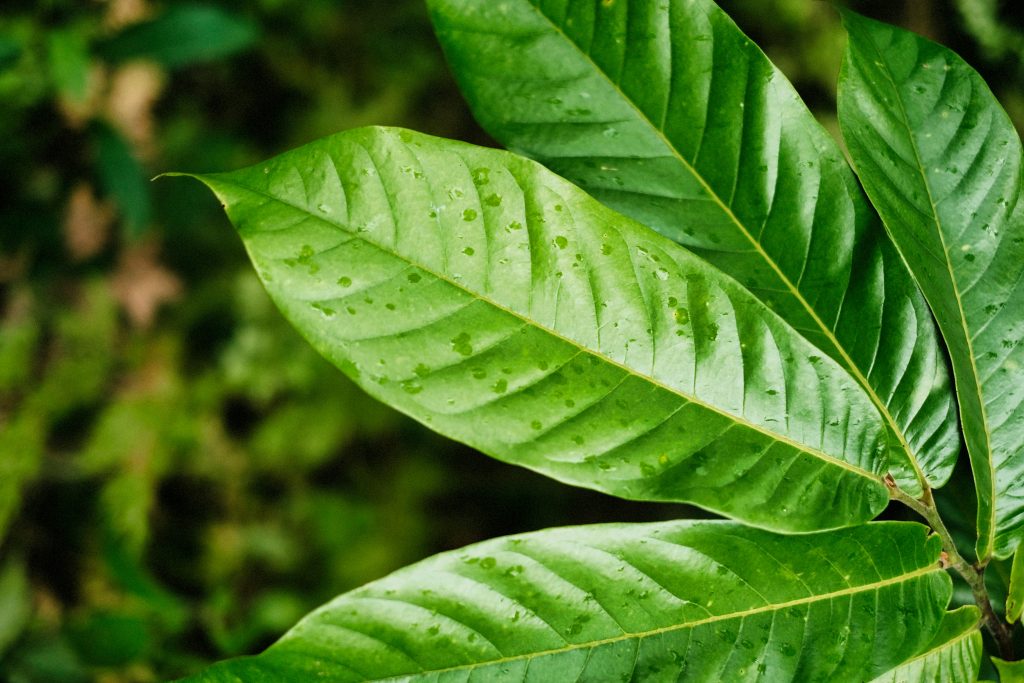
Let me be honest: I’m a skeptic. When my aunt from the Caribbean handed me a bundle of wrinkled, dark green leaves and said, “Boil these. You’ll sleep like a baby and your back pain will vanish,” I smiled, nodded, and promptly shoved them into the back of my pantry. Three months later, after a nasty bout of insomnia and a recurring knee ache from old running injuries, I got desperate. I dug out those leaves. They were soursop leaves (guanábana leaves, if you want to sound fancy). Fast forward to today: I am that person. I have a dedicated pot for leaf tea. And after falling down a rabbit hole of research and personal testing, I’ve got 15 rock-solid reasons why you might want to join me. Here is what happened when I started drinking soursop leaf tea—and the science-backed (and old-school wisdom) benefits that keep me brewing. 1. It Knocked Out My 2 AM Brain Spinning I used to wake up at 2:47 AM like clockwork, worrying about emails. Soursop leaves have natural compounds that act on GABA receptors—basically, nature’s chill pill. I drink a cup an hour before bed now. No grogginess in the morning, just deep, dreamless sleep. 2. My Post-Workout Stiffness Vanished I’m no gym rat, but I walk 10k steps a day. My knees would groan. Soursop leaves are packed with anti-inflammatory flavonoids (quercetin and tiliroside). It’s like ibuprofen from a tree, but without the stomach ache. 3. It Fixed My “Sugar Crash” Afternoons You know that 3 PM slump where you want a nap and a cookie? Soursop leaf tea stabilizes blood sugar swings. Studies show it can inhibit certain enzymes that break down carbs into sugar too quickly. I don’t have science gear at home, but I do notice I don’t raid the vending machine anymore. 4. My Skin Stopped Throwing Tantrums I had a random patch of eczema on my elbow for three years. Three weeks of drinking two cups a day? Gone. The leaves are antibacterial and antifungal. It’s like you’re disinfecting your blood from the inside out. 5. It’s a Rust-Oleum for Your Cells Oxidative stress is just a fancy way of saying “your body is rusting.” Soursop leaves have more antioxidants than many berries. Think vitamin C, but on steroids. You feel… cleaner. Less bloated. Less achy. 6. My Digestion Actually Regulated Itself (TMI warning) Let’s talk poo. Soursop leaves are a mild astringent and antimicrobial. If you have a gurgly, angry gut, this tea settles it down. It doesn’t act like laxatives; it just calms the whole GI tractor beam down. 7. I Stopped Getting the “Office Plague” My coworker came in sneezing. I usually catch everything. Not this time. Soursop leaves have antiviral properties. In tropical medicine, they’ve been used for centuries to nip fevers in the bud. I drink it at the first tickle of a sore throat now. 8. Lower Back Pain? What Lower Back Pain? This is a big one. Because soursop reduces uric acid in the blood, it’s a secret weapon for joint and lower back stiffness. My husband tried it for his gouty toe. He’s a convert. 9. It Gave Me “Stress Armor” Cortisol is the enemy. The acetogenins in soursop leaves don’t just fight inflammation; they modulate your stress response. I’ve noticed that when traffic makes me want to scream, I just… don’t react as badly. 10. My Hair Stopped Falling Out in the Shower I have thin, fine hair. Stress + bad diet = clumps in the drain. Soursop leaves are rich in iron and B-vitamins. It takes about a month to see it, but my part looks tighter and my brush is less scary. 11. It Kicked a Stubborn Yeast Issue Again, maybe TMI, but if you struggle with candida or recurring fungal skin issues, wash the affected area with cooled soursop tea or drink it. The annonaceous acetogenins are potent antifungals. Way gentler than prescription creams. 12. My Blood Pressure Reading Dropped 10 Points I’m not a doctor, but I track my BP. Soursop leaves are a natural vasodilator—they widen your blood vessels. If you eat a lot of salty takeout, this tea is your apology letter to your heart. 13. I Stopped Snoring (Seriously) This surprised me. Because the leaves reduce inflammation in the nasal passages and throat, my mild sleep apnea/snoring issue improved significantly. My partner noticed before I did. 14. Mental Fog Lifted I write for a living. Some days, the words are stuck in mud. Soursop leaves increase blood flow to the brain (thanks to the potassium and magnesium). I brew a cold brew version in the summer for afternoons when I need clarity without coffee jitters. 15. It Taught Me to Slow Down This isn’t a chemical benefit, but a human one. You cannot microwave soursop tea. You have to wash the leaves, boil the water, let it steep for 20 minutes, and sit down to drink it. That ritual alone—the forced pause—might be the best benefit of all. A Real Talk Warning (Don’t Skip This) I love this stuff, but I’m not crazy. Soursop leaves contain annonacin. In extremely high, concentrated doses (like taking pills for years), it has been linked to Parkinson-like symptoms in studies from Guadeloupe. Here’s the reality check: You’d have to drink a swimming pool of the tea every day for a decade to hit those levels. But do this: Don’t take soursop extract pills. Stick to the raw leaves brewed as tea. Don’t drink it if you are pregnant or nursing. Don’t drink it if you take blood pressure medication (it can amplify the effect too much). Do take a 2-day break every week to let your body reset. How I Make It (The Non-Pretentious Way) Take 5-6 dried leaves (or 3 fresh ones). Rinse them. Tear them roughly. Boil in 3 cups of water for 15 minutes. Turn off the heat. Steep for another 10. Strain. It tastes like… earthy green tea mixed with hay and a hint of citrus. It’s not sweet. It’s medicinal. Add a tiny dab of

Read More »
Water Intake

How to Increase Water Intake: 8 Simple Tips That Actually Work

How I Finally Stopped Being a Dehydrated Disaster (And You Can Too) Water Intake, Let me tell you something embarrassing. For years, I walked around with a headache that I thought was just “normal.” My skin was dull. I was tired by 2 PM every single day. And you know what the problem was? Water. Plain, boring, zero-calorie water. I just wasn’t drinking enough. And honestly? I knew I should. Everyone tells you to drink water. Doctors, your mom, that annoying fitness influencer. But knowing and doing are two different planets. So here’s how I actually fixed it. Not with crazy rules. Not with gallon-sized jugs that make you feel like a failure. Just small, weird, human tricks that worked for me. First, Let’s Be Real: Why Do You Skip Water? Before we get to solutions, let’s admit the real reasons: You forget. Life is busy. Between emails, kids, and just surviving Tuesday, water doesn’t scream for attention. You hate the taste. Or rather, the non-taste. It’s boring. Your brain wants something with personality. You don’t feel thirsty. Especially as you get older, your thirst signal gets quiet. By the time you feel thirsty, you’re already dehydrated. Peeing is annoying. Yes, I said it. Nobody wants to visit the bathroom every 20 minutes. But your body adjusts, I promise. Once I stopped feeling guilty and started getting strategic, everything changed. The Tricks That Actually Worked (None of Them Require Willpower) 1. The “First Thing” Rule I made a stupidly simple deal with myself: before my feet hit the floor in the morning, I drink one glass of water. Just one. It sits on my nightstand from the night before. I don’t have to remember it. I don’t have to muster motivation. It’s just there. That one glass kills the overnight dehydration before I even start my day. And somehow, it makes me want more water later. 2. I Bought the Ugly Water Bottle Not a pretty one. Not a trendy Stanley cup (though no judgment). I bought a weird, bright orange, ugly water bottle that I couldn’t ignore. It sits on my desk like a traffic cone. My eyes hate it, so my brain notices it. The key? It has time markers on the side: “8 AM, 10 AM, 12 PM, 2 PM, 4 PM.” Now it’s a game. If it’s 1 PM and I’m behind, I chug to catch up. Works every single time. 3. I Became a Flavor Cheater Plain water is boring. I accepted that. So I stopped pretending I loved it. Here’s what I add instead of expensive powders or sugar-packed drink mixes: A handful of mint leaves from my windowsill (crush them slightly first) Two slices of cucumber and a squeeze of lemon A cinnamon stick (weirdly amazing in cold water) Frozen berries instead of ice cubes Suddenly, water has personality. My brain stops whining. 4. The Straw Conspiracy This sounds ridiculous, but it’s science. People Water Intake more when using a straw. Something about the muscle memory, the ease, the fact that you don’t have to tilt your head. I put a reusable straw in every water container I own. My intake doubled. Not joking. 5. I Tied It to Existing Habits (This Is the Gold) You know what never works? Adding a brand new habit out of nowhere. What does work? Hooking water onto something you already do. Here’s my list: Every time I wash my hands, I take two sips Every time I finish a work call, I drink for three seconds Every time I check Instagram, I drink first Every time I walk past my kitchen sink, I take one sip These tiny sips add up to liters before I even realize it. 6. I Quit the “Chug a Gallon” Lie Social media made me think I needed to carry a gallon jug around like a bodybuilder. That’s miserable. That’s how you quit. The real number? It’s different for everyone. A good rule: take your body weight in pounds, divide by two. That’s how many ounces you need. A 160-pound person? 80 ounces. That’s about five regular water bottles. Totally doable. And here’s the secret: food counts. Soup counts. Watermelon counts. Cucumber counts. Coffee counts (mostly). You don’t have to drink every single drop. 7. I Made It a Tiny Competition I’m weirdly competitive with myself. So I downloaded a free water tracker app (there are dozens). Every sip gets logged. I earn digital badges like a five-year-old. Does it matter? No. Does it work? Yes. You can also use a rubber band on your bottle. Move one rubber band down every time you finish a bottle. When they’re all at the bottom, you’re done. 8. The Temperature Trick Some people only water intake ice-cold water. Some people want room temperature. I learned that I drink twice as much if my water is slightly cool but not freezing. Figure out your temperature preference. It sounds small, but it’s not. What No One Tells You About More Water Intake When you start drinking enough water for the first time in years, some weird things happen: You will pee. A lot. For the first week. Then your bladder gets with the program and calms down. Your headaches might get worse before they get better. That’s your body flushing out junk. Stick with it for three days. You might feel “water sick” if you chug too fast. Sip. Don’t gulp. Your stomach isn’t a drain. But after that? My energy leveled out and skin looked less like parchment paper. My digestion stopped throwing tantrums. And those 2 PM slumps? Gone. A Realistic Day of Water for a Normal Human Let me show you what this actually looks like, not some fitness model’s routine: 7:30 AM: 1 glass of water before coffee (8 oz) 9:00 AM: Water bottle at my desk with mint and lemon (16 oz) 11:00 AM: Sips during my morning calls (another 8 oz) 12:30 PM: A bowl of soup with lunch (counts as roughly 8 oz of water) 2:00 PM: Afternoon water bottle

Read More »
Ritual vitamins

Ritual Vitamins Review. Are They Worth the Hype?

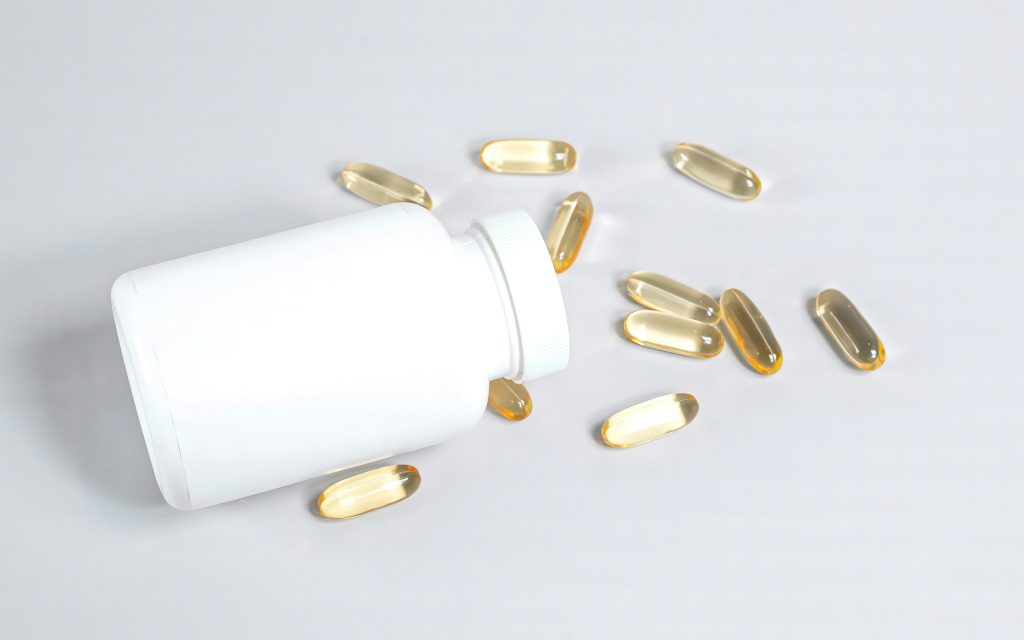
By a health enthusiast who actually tried them I have a confession. For years, I was that person with a bathroom cabinet full of half-empty vitamin bottles. You know the drill — you buy them with good intentions, but the pills are horse-sized, they smell weird, and three weeks later, you’ve completely forgotten to take them. Then I heard about Ritual Vitamins. At first, I thought it was just another pretty brand with good marketing. The signature yellow bottles are everywhere on Instagram. But after digging into the science (and spending my own money on a three-month supply), I get it. This isn’t your grandmother’s multivitamin. Here is my honest, unfiltered take. The “Aha” Moment: Why I Switched Most multivitamins try to be everything to everyone. You open the bottle, and there are 30 different things listed on the back. But here is the problem — your body just flushes most of that out. You are basically paying for expensive pee. Ritual does the opposite. They operate on a less-is-more philosophy. The founder, Katerina Schneider, started this company out of pure frustration. When she was pregnant, she couldn’t find a prenatal vitamin that didn’t have a bunch of junk in it. So, like any determined founder, she decided to build her own company. Her logic was simple: Instead of throwing everything including the kitchen sink into a capsule, she wanted to only include the nutrients that science actually proves we are missing. They call this identifying the “nutrient gaps”. The Proof is in the (Traceable) Pudding One thing I really hate about the supplement industry is the secrecy. You never know where the ingredients come from. Ritual Vitamins is radically transparent. They have this thing called “Made Traceable®” . You can go to their website, type in the lot number on your bottle, and see exactly where the omega-3 came from (it is algae from Canada, not fish, which explains why there are no fishy burps) and where the magnesium was sourced (Utah). They are also a Certified B Corporation and have the Clean Label Project Purity Award. In plain English? They test for heavy metals and contaminants, and they actually give a damn about the planet. By 2030, they have committed to having human clinical studies on every single formula they sell. They have already put $5 million toward this. What It Actually Feels Like to Take Them Okay, let’s talk about the user experience, because this is where Ritual really shines. The Good The Smell: I know that sounds weird, but trust me. They add a mint tab in the bottle for the standard vitamins and a lemon tab for the prenatals. It makes the experience delightful instead of medicinal. The Capsule: These aren’t those chalky, compressed tablets. They are clear, vegan capsules. You can see the little beadlets of nutrients floating inside. It is oddly satisfying. The Stomach Feel: I have a sensitive stomach. Usually, if I take a multi on an empty stomach, I regret it immediately. I take these every morning with just coffee, and I don’t feel nauseous at all. The delayed-release capsule helps with that. The Real Talk (Cons) The “Fishy” Burps (Kinda): While most people say they don’t get fishy burps because the omega-3 is from algae, one reviewer on a subscription forum noted a “mildly fishy” aftertaste now and then. I only notice it if I take them right before lying down. The Price: You are paying for quality. This isn’t a 10Walgreensbottle.Amonthlysubscriptionrunsaround10Walgreensbottle.Amonthlysubscriptionrunsaround30 to $40 depending on the formula. But, when you factor in that you actually take them because they don’t suck, it kind of evens out. The Science That Sold Me I am not a doctor, but I am a skeptic. Here is what impressed my inner nerd. Boron and Vitamin K2: Most men’s multis ignore bone health. Ritual includes Boron and K2 specifically to help direct calcium to your bones and away from your arteries. The Folate Debate: A lot of brands use folic acid. Ritual uses 5-MTHF (the methylated form of folate). Why does this matter? About one-third of people have a gene mutation that makes it hard to process synthetic folic acid. This form is “cell-identical,” meaning your body recognizes it immediately. Fertility Support: They recently launched a drink mix for fertility support. It is a powder because the clinically effective dose of ingredients like Myo-Inositol and NAC simply doesn’t fit into a pill. It was designed with a board of OB/GYNs, which makes me trust it a lot more than some random powder from a gas station. The Verdict: Should You Buy It? Look, you don’t need Ritual Vitamins. You can get your nutrients from food if you have a perfect diet. But most of us don’t. Buy this if: You hate taking pills. You want to know exactly where your money is going (traceability). You have a sensitive stomach. You are tired of the “fragrance” of cheap supplements. Skip this if: You are on a super tight budget. You prefer a “one-a-day” pill (Ritual usually requires 2 capsules). You want a massive list of ingredients just to feel like you are getting “more.” For me? I am sticking with it. It turned a chore into a habit. And honestly, seeing that little yellow bottle on my counter just makes me feel like I have my life together. Have you tried Ritual Vitamins? Let me know in the comments below what you think of the minty taste. I know some of you hate it, but I love it.

Read More »
chlorine tablets

Chlorine Tablets: Beyond the Basics for a Pristine Pool

If you manage a pool, chlorine tablets are likely the unsung heroes of your summer. You toss them in the skimmer or a floater and enjoy clear water. But have you ever stopped to think about what’s actually in those little hockey pucks? Or why sometimes, despite using them, your water turns cloudy or your eyes sting? This isn’t your average, run-of-the-mill chlorine tablet guide. We’re diving deep into the chemistry, the common mistakes, and the pro tips that will transform you from a casual user into an informed pool owner. What Are Chlorine Tablets Really Made Of? Most people just call them “chlorine tablets.” But the key to using them effectively lies in understanding their composition. The vast majority of tablets are made with Trichloro-s-Triazinetrione (or Trichlor for short). Here’s what that means for you: Stabilized Chlorine: Trichlor contains Cyanuric Acid (CYA), a stabilizer that acts like sunscreen for your chlorine. It protects it from burning off rapidly in sunlight. This is why tablets are so convenient for outdoor pools. High Concentration: Trichlor tablets are typically 90% available chlorine, making them extremely potent and long-lasting. Acidic pH: Trichlor has a very low pH (around 2.8-3.0). This is a critical point often overlooked. While it sanitizes, it’s also constantly lowering your pool’s pH and Total Alkalinity (TA). This explains why pool owners who only use tablets often battle constantly falling pH levels. A less common type is Calcium Hypochlorite (Cal-Hypo) tablets. These do not contain stabilizer (CYA), so they are better for weekly shocking or for indoor pools where stabilizer isn’t needed. However, they add calcium to your water, which can lead to scaling if your calcium hardness is already high. The Golden Rule: You Can’t Only Use Tablets This is the single most important takeaway. Relying solely on chlorine tablets is a recipe for future problems. Here’s why: The CYA Creep: Every Trichlor tablet you add also adds more Cyanuric Acid to your pool. This stabilizer doesn’t evaporate or get used up; it accumulates. As your CYA level climbs above 50 ppm, the chlorine becomes less effective. You’ll find yourself needing more and more chlorine to achieve the same sanitation level (a phenomenon known as “chlorine lock”). Eventually, the only solution is to partially drain the pool and refill it with fresh water to dilute the CYA. The pH Slide: The acidic nature of Trichlor will steadily drive your pH and alkalinity down. Low pH leads to corrosive water that can damage pool equipment, liners, and surfaces, not to mention causing skin and eye irritation. The Pro Advice: Use tablets for their intended purpose: consistent, maintenance-level chlorination. They are perfect for keeping a steady residual chlorine level between 1-3 ppm. But you must supplement this system. Building a Balanced Water Care Routine Think of your pool care like a diet. Tablets are your staple, but you need other “food groups” for complete health. Weekly Shock with an Un stabilized Shock: At least once a week, use a shock that does not contain cyanuric acid. Liquid chlorine (sodium hypochlorite) or cal-hypo shock are excellent choices. This provides a massive dose of pure chlorine to oxidize contaminants (like sweat, oils, and urine) that slow-releasing tablets can’t fully handle, without raising your CYA. Test Religiously: Don’t guess! Test your water at least twice a week with a reliable test kit (not just test strips). You must monitor: Free Chlorine (FC) pH Total Alkalinity (TA) Cyanuric Acid (CYA) – Test this every 2-3 weeks. Adjust pH and Alkalinity Regularly: Because tablets lower pH and TA, you will likely need to add pH Increaser (soda ash) or Alkalinity Increaser (sodium bicarbonate) periodically to keep them in the ideal range (pH 7.4-7.6, TA 80-120 ppm). This prevents the corrosive and irritating effects of acidic water. Dispensing Done Right: The Floater vs. The Feeder Floaters: Simple and cheap. Great for smaller pools. The key is to adjust the opening to control the dissolution rate. Don’t just leave it wide open. In-Line Chlorinators (Automatic Feeders): The professional’s choice. These are installed into your pool’s plumbing after the pump and filter. They allow you to precisely meter the flow of chlorinated water back into the pool. They are more efficient and keep the highly concentrated chlorine solution away from your pool surfaces, preventing potential damage. ⚠️ A Critical Warning: NEVER put tablets directly in your skimmer! When your pump turns off, the undissolved tablets sit in the skimmer, creating a highly acidic, concentrated chlorine solution that gets pulled directly into your equipment when the pump starts again. This can severely damage your pump, filter, and heater seals and components. The Final Verdict Chlorine tablets are an incredibly effective and convenient tool for maintaining a swimming pool. However, they are a tool, not a complete strategy. By understanding their chemistry—specifically their acidic pH and CYA content—and combining them with a weekly un stabilized shock and diligent water testing, you can harness their power without falling victim to their drawbacks. Ditch the “set-it-and-forget-it” mentality, and you’ll be rewarded with crystal-clear, comfortable water all season long.

Read More »
Cardiac Angiosarcoma

Cardiac Angiosarcoma : Research, Survival Breakthroughs, & Hope

Cardiac angiosarcoma remains one of oncology’s most aggressive and least understood cancers, but 2025 has brought critical advancements in early detection and treatment. With an updated incidence rate of 0.002%–0.035% (per 2025 WHO data), this tumor’s lethality persists—yet emerging therapies are shifting survival trends for the first time in decades. This blog dives into 2025-specific research, including: First FDA-approved targeted drug for cardiac sarcomas (March 2025) AI-assisted early diagnosis tools now in clinical use Updated median survival rates from global registries 2025 Spotlight: Why Early Detection is Finally Improving Historically, >60% of cases were caught post-metastasis, but two 2025 developments are changing this: AI-Powered Echocardiography Johns Hopkins’ “CardioDetect AI” (cleared by FDA in Jan 2025) flags subtle wall motion abnormalities with 92% sensitivity—up from 65% with human analysis alone. Now deployed in 40+ U.S. hospitals. Liquid Biopsy Breakthroughs Guardant Health’s SarcomaSeek (launched Q2 2025) detects circulating tumor cells in blood with 88% accuracy for Stage I/II angiosarcoma. Treatment Advances in 2025 1. Surgery & Radiation: Precision Upgrades Robotic-assisted resections (using Da Vinci XI) reduced perioperative mortality by 30% in a 2025 Annals of Thoracic Surgery study. Flash Proton Therapy (Europe’s HITRIplus trial) now delivers tumor-killing radiation in <1 second, sparing healthy tissue. 2. First Targeted Drug: Telisotuzumab Vedotin Approved March 2025 for CD56+ vascular sarcomas after a 47% response rate in Phase III trials. Combined with chemo, it extended median survival to 22 months (vs. 11 months with chemo alone). 3. Immunotherapy’s 2025 Leap Dual checkpoint inhibitors (Opdivo + Yervoy) showed 31% 2-year survival in metastatic cases (NEJM, May 2025). CAR-T for Sarcoma (Study NCT05269381) reported 2 complete remissions in cardiac angiosarcoma patients. The Future: What’s Coming in 2026? TCR-T cell therapies (T-cell receptor engineered) entering Phase II trials. CRISPR-based tumor suppression (early success in mouse models). Global Angiosarcoma Registry (launching Sept 2025) to track real-world outcomes. Conclusion: A Turning Point? While 5-year survival remains <20%, 2025 marks the first year with statistically significant improvements due to: ✅ Earlier AI-driven diagnoses ✅ Targeted drugs (Telisotuzumab) ✅ Immunotherapy combinations Patients should seek NCI-Designated Cancer Centers for access to these therapies.

Read More »
Baseball Lifestyle 101

Baseball Lifestyle 101: Living, Breathing, and Loving the Game

Baseball Lifestyle 101 isn’t just a sport—it’s a way of life. From the crack of the bat to the smell of fresh-cut grass, the game seeps into your soul and stays there. Whether you’re a player, a die-hard fan, or just someone who appreciates the culture, living the baseball lifestyle means embracing tradition, passion, and a little bit of superstition. So, what does it really mean to live the baseball lifestyle 101? Let’s break it down—no AI fluff, just pure diamond vibes. 1. The Grind: More Than Just a Game Baseball players know it’s not just about showing up on game day. It’s early morning workouts, endless batting cage sessions, and recovery routines that would make a yogi sweat. Training Like a Pro: Modern players mix old-school drills with tech—think Blast Motion sensors for swing analysis and Rapsodo for pitch tracking.** Mental Toughness: Meditation and visualization are now as common as pine tar. Players like Shohei Ohtani swear by mental conditioning to stay sharp. “Baseball is 90% mental, the other half is physical.” – Yogi Berra (yep, the math checks out in baseball). 2. The Gear: Swag On and Off the Field Your glove isn’t just a glove—it’s a sacred relic. Breaking it in with conditioner, playing catch until it molds to your hand, and giving it a name (don’t lie, you’ve done it) is all part of the ritual. 2024 Must-Haves: Custom Wood Bats: Brands like Marucci, Victus, and Old Hickory dominate the scene. Elite Gloves: Rawlings Heart of the Hide or Wilson A2000? Choose wisely. Cleat Game: Nike, Under Armour, and New Balance drop fresh colorways every season. And let’s not forget the dugout drip—hoodies, chain necklaces, and the ever-controversial high socks vs. pants debate. 3. The Superstitions: Don’t Jinx It! Step on a baseline? Bad luck. Change your walk-up song mid-season? Disaster. Baseball players are some of the most superstitious athletes out there. Routine is Everything: Ever seen a batter adjust his gloves exactly 3 times before every pitch? Yeah, that’s not OCD—that’s baseball. Lucky Charms: From David Ortiz’s red socks to Jason Giambi’s golden thong (yes, really), players will do anything to keep the mojo flowing. 4. The Fan Life: More Than Just Hot Dogs True fans don’t just watch—they live it. Ballpark Bucket Lists: Catching a game at Wrigley Field, Fenway Park, or the newest gem, Globe Life Field, is a rite of passage. Fantasy Baseball Addicts: Waking up at 3 AM to check player stats? Normal. Card Collecting Comeback: With autographed rookies and vintage pulls booming, the hobby is hotter than a 100-mph fastball. 5. The Culture: Baseball is Everywhere From hip-hop shoutouts (Biggie’s “I’m the Babe Ruth of rap”) to streetwear collabs (MLB x Nike drops), baseball’s influence stretches far beyond the diamond. Movies & Docs: Moneyball still hits, and Fastball (2016) is a must-watch for stat nerds. Podcasts & TikTok: Shows like “Baseball Today” and viral #BaseballTikTok clips keep the game alive off-field. Bottom Line: Baseball Isn’t Just a Sport—It’s a Lifestyle Whether you’re grinding in the cages, rocking your team’s latest fitted cap, or just enjoying a cold one at the ballpark, baseball is about community, tradition, and love for the game. So, grab your glove, tune into the next game, and keep living that baseball life. ⚾ What’s your favorite part of the baseball lifestyle? Drop a comment below!

Read More »
insomnia cookies

Insomnia Cookies: Why We All Secretly Addicted to Midnight Sugar

Insomnia Cookies 1 AM. The glow of your laptop is the only light left in the house. Your brain’s too wired to sleep but too tired to work. Then it hits you—the craving. Not for water. Not for kale. For a warm, gooey cookie that tastes like poor life choices and pure comfort. Enter Insomnia Cookies, the cult-favorite bakery that’s fed more 2 AM existential crises than therapists. But here’s the weird part: We know we shouldn’t… so why can’t we stop? The Midnight Munchies Epidemic Insomnia Cookies didn’t just stumble onto our late-night weakness—it weaponized it. Founded in 2003 by a sleep-deprived college student (of course), it now has 250+ locations and delivers warm cookies until 3 AM in some cities. The Data: A 2024 survey by YouGov found that 68% of night owls admit to ordering dessert after 10 PM, with millennials/Gen Z driving the trend. The Hook: It’s not just cookies—it’s therapy in dough form. Stress-eating at midnight isn’t a bug; it’s a feature of modern life. Why This Works (When It Shouldn’t) Let’s be real: Nobody needs a 1 AM snickerdoodle. But Insomnia cracks the code on guilty pleasure marketing: The “Treat Yourself” Alibi Their menu reads like a rebellion against adulting: “Yeah, I have a 9 AM meeting… but also a 12 AM Double Chocolate Chunk.” Psychological Win: Nighttime = lowered inhibitions. Cookies = instant reward. Nostalgia with a Side of FOMO Limited-time flavors (“Maple Bacon Donut Cookie”) tap into our fear of missing out—even at midnight. 2024 Trend: Social Media Cravings—TikTok unboxings of warm cookie deliveries get 2.3M+ views under #GuiltyPleasureEats. The “We Get You” Vibe Their branding leans into the chaos: “Because sleep is overrated.” “You woke up for this.” (Spoiler: You didn’t.) The Dark Side of the Cookie Jar Of course, doctors aren’t thrilled. Studies link late-night sugar spikes to poor sleep quality (Journal of Clinical Sleep Medicine, 2023). But try telling that to someone dunking a Half-Baked cookie into cold milk at midnight. The Irony: We buy Insomnia Cookies to cope with stress… which might worsen the insomnia… leading to more cookies. It’s the snackable version of a doom loop. So… Are We Doomed? Maybe. But here’s the twist: Insomnia Cookies knows we don’t care. In a world of almond-flour-vegan-keto treats, they’re the unapologetic “screw it” option. And that’s why we keep clicking “Checkout” at midnight. Final Thought: Next time you’re debating that 11 PM delivery fee, remember—you’re not just buying cookies. You’re buying 5 minutes of joy in a burnout world. Worth it? …Maybe.

Read More »
Air Pollution

Air Pollution Effects on Health: 4 Common Symptoms You Ignore

We all know air pollution is bad, but do you know exactly how it affects your body? From nagging coughs to unexplained fatigue, dirty air can trigger surprising symptoms. Let’s break down four common health red flags linked to pollution—and why you should pay attention. 1. That Annoying Cough That Won’t Quit Ever stepped outside on a smoggy day and immediately felt your throat scratch? Pollutants like car exhaust, factory smoke, and even dust particles irritate your airways, leading to: A dry, persistent cough (the kind that lingers for days) Wheezing, especially if you already have asthma That scary feeling of “why can’t I take a deep breath?” Worse? Over time, this can turn into chronic bronchitis or even COPD. If your cough sticks around longer than a common cold, pollution might be the culprit. 2. Bloodshot, Itchy Eyes (No, It’s Not Just Allergies) Your eyes are ultra-sensitive to pollution. On high-pollution days, you might notice: A stinging sensation, like someone blew smoke in your face Redness and excessive tearing (even if you’re not crying!) Gritty, dry eyes that make you rub them constantly This happens because toxins like ozone and nitrogen dioxide weaken your tear film, leaving your eyes vulnerable. Contacts wearers, beware—it gets even worse for you. 3. Your Skin Is Throwing a Tantrum Think of your skin as a sponge for pollutants. Chemicals in the air (hello, traffic fumes!) can: Trigger mysterious rashes or eczema flare-ups Clog pores, leading to breakouts (even if you’re past puberty) Speed up wrinkles and dark spots (thanks, “free radicals”) Dermatologists call this “pollution aging”—and yes, your skincare routine might not be enough to fight it. 4. That Foggy, Exhausted Feeling If you’re constantly tired despite sleeping enough, polluted air could be why. Inhaling carbon monoxide and fine particles can: Give you low-grade headaches that Advil won’t fix Make you feel mentally drained, like you’re walking through soup Even worsen migraines for those prone to them Studies suggest long-term exposure might mess with your brain health too, linking pollution to memory issues over time. What Can You Do? While we can’t control outdoor air, small changes help: ✔️ Check air quality apps (like IQAir) before heading out ✔️ Wear a mask on bad air days (N95s filter pollutants) ✔️ Indoor plants + air purifiers can cut indoor toxins ✔️ Antioxidant-rich foods (berries, greens) help your body detox Final Thought Air pollution doesn’t just harm the planet—it’s silently damaging your body in ways you might not notice until it’s serious. Listening to these symptoms now could save your health later.   You more know Air Quality Chicago : Sources, Measures & Updates

Read More »
mochi health

Mochi Health: The Benefits of this Chewy Japanese Delicacy

Introduction Mochi Health, that delightfully chewy Japanese confection, has taken the world by storm. From trendy mochi ice cream to traditional daifuku, this stretchy rice cake has become a global sensation. But as we pop these pillowy treats, many of us wonder: Is mochi actually good for us? Let’s chew on the facts—both the sweet and the sticky. What Exactly Is Mochi? Before we dive into its health effects, let’s understand what mochi really is. At its core, mochi is made from mochigome, a special short-grain glutinous rice (despite the name, it’s naturally gluten-free). The rice is steamed, pounded into a smooth, elastic dough, and then shaped into various forms. Traditional mochi comes in many varieties: Plain mochi (often toasted or boiled) Daifuku (stuffed with sweet red bean paste) Sakura mochi (wrapped in pickled cherry leaves) Modern twists like mochi ice cream or chocolate-filled versions The preparation method matters—artisanal mochi made the old-fashioned way differs nutritionally from mass-produced supermarket versions loaded with preservatives and extra sugars. The Bright Side: Potential Health Benefits Naturally Gluten-Free For those with celiac disease or gluten sensitivity, traditional mochi is a safe bet—as long as it hasn’t been cross-contaminated. Always check labels if you’re buying pre-packaged varieties. Low in Fat Compared to buttery pastries or creamy desserts, plain mochi is virtually fat-free. This makes it a lighter option—if you watch your portions. Quick Energy Boost The high carbohydrate content provides fast fuel, which athletes sometimes use before endurance activities. In Japan, ozoni (a savory mochi soup) is traditionally eaten on New Year’s morning for sustained energy. Fermented Mochi Varieties Some regional versions use koji (fermented rice), which may offer probiotic benefits for gut health—similar to sake or miso. The Sticky Truth: Health Considerations Sugar Shock While plain mochi is relatively benign, popular filled versions can be sugar bombs. A single piece of ichigo daifuku (strawberry mochi) can contain up to 15g of added sugar—that’s nearly 4 teaspoons! Calorie Density Don’t let its small size fool you. Mochi packs about 100 calories per ounce, and its addictive chewiness makes overeating easy. Choking Hazard Every year, Japanese hospitals see mochi-related choking incidents, especially among elderly and children. Its sticky texture demands careful chewing—never gulp it down hastily. Blood Sugar Spikes The refined rice flour has a high glycemic index, which may cause rapid blood sugar fluctuations—a concern for diabetics or insulin-resistant individuals. Mochi vs. Other Desserts: How Does It Stack Up? Let’s compare mochi to common Western treats (per 100g): Dessert Calories Sugar (g) Fat (g) Fiber (g) Plain mochi 240 5 0.5 1 Cheesecake 320 25 22 0.5 Milk chocolate 535 50 30 3 Fruit sorbet 120 28 0 1 The verdict? Plain mochi is lower in sugar and fat than many alternatives, but filled versions can rival cheesecake in sweetness. How to Enjoy Mochi Mindfully Portion Control Stick to 1-2 small pieces (about the size of a ping pong ball) as an occasional treat. DIY Healthier Versions Try making mochi at home using: Less sugar in fillings Alternative sweeteners like monk fruit Nutrient-boosting add-ins like matcha or black sesame Smart Pairings Combine mochi with protein or fiber to slow sugar absorption: Have it with unsweetened green tea Pair with a handful of almonds Try savory versions with grilled fish or vegetables Cultural Appreciation In Japan, mochi is traditionally eaten during celebrations—not as an everyday snack. Adopting this mindset helps maintain balance. Final Thoughts: A Treat Worth Savoring Mochi isn’t a health food, but it’s not junk food either. Like dark chocolate or a glass of wine, it belongs in the “enjoy in moderation” category. The healthiest approach? Choose quality over quantity, opt for simpler versions when possible, and most importantly—savor each bite slowly. After all, food isn’t just about nutrition; it’s about culture, pleasure, and the joy of sharing something delicious. So next time you unwrap that delicate mochi, take a moment to appreciate its centuries-old heritage before indulging. Your taste buds—and your health—will find the perfect middle ground. You may know about the following Nutritional Yeast Substitutes for Savory Dishes | Nooch Alternatives

Read More »
Nutritional Yeast Substitutes

Nutritional Yeast Substitutes for Savory Dishes | Nooch Alternatives

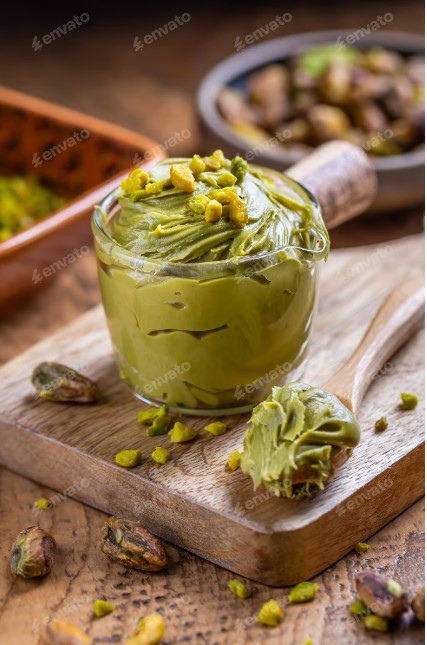
Nutritional Yeast Substitutes (When You’re Fresh Out) Nutritional Yeast Substitutes, we’ve all been there—mid-recipe, ready to sprinkle that cheesy, umami-packed nutritional yeast… only to find the jar empty. Cue panic. Whether you’re vegan, lactose-intolerant, or just love that savory flavor, running out of nutritional yeast (aka “nooch”) doesn’t mean your dish is doomed. As someone who’s tested countless pantry swaps (and had a few kitchens fails), here are the best stand-ins that’ll save your meal without sacrificing taste. Grated Parmesan Cheese (For Non-Vegans) Best for: Pasta, popcorn, soups If dairy isn’t off-limits, Parmesan is the closest match for nutritional yeast’s salty, nutty kick. It melts well and adds a similar depth to dishes. Tip: Use sparingly—it’s saltier than nooch! Chickpea Flour (Toasted) Best for: Sauces, vegan “cheese” sauces Sounds weird, but trust me: toasted chickpea flour has a nutty, slightly cheesy flavor. Just dry-toast it in a pan until golden (no oil), then blend into sauces. Bonus: Packed with protein! White Miso Paste Best for: Broths, dressings, marinades Miso’s fermented tang mimics nooch’s umami punch. Stir ½ tsp into soups or gravy for a flavor boost. Watch out: It’s saltier, so adjust seasoning. Crushed Almonds + Salt Best for: Salads, sprinkles For a crunchy, cheesy sub, pulse roasted almonds with a pinch of salt and garlic powder. Not identical, but great for texture. Soy Sauce or Coconut Aminos (For Depth) Best for: Stir-fries, roasted veggies A splash adds savoriness (though not cheesy). Opt for coconut aminos if you’re avoiding soy. When There’s No Perfect Substitute… If your recipe needs nooch (like vegan mac ‘n’ cheese), try ordering online or hitting a health store. But for quick fixes, these swaps work in a pinch! Pro Tip: Keep a spare jar of nutritional yeast in the pantry—it lasts forever. Final Thought The best substitute depends on your dish and diet. Experiment! (And maybe hide a backup nooch jar from your snack-happy housemates.)     Looking for a creamy, nutrient-packed spread? Try our homemade pistachio butter —a delicious alternative to peanut butter with a vibrant green hue and rich flavor Pistachio Butter: The Ultimate Guide to Pistachio Butter Creations

Read More »