

Cardiac Arrest vs Heart Attack: What’s the Difference?
Most people use the terms “cardiac arrest” and “heart attack” interchangeably. That’s a mistake — and in an emergency, that confusion can cost a life.
They are completely different conditions with different causes, different symptoms, and different treatments.
Let me break it down in the simplest way possible.
Quick Comparison: Cardiac Arrest vs Heart Attack
| Feature | Heart Attack | Cardiac Arrest |
|---|---|---|
| What it is | Plumbing problem (blocked artery) | Electrical problem (heart stops beating) |
| Cause | Blood flow to heart muscle is blocked | Heart’s electrical system malfunctions |
| Heartbeat | Usually continues (may be irregular) | Stops completely |
| Consciousness | Person is awake (may pass out later) | Immediately unconscious |
| Breathing | Normal or short of breath | Not breathing or gasping |
| Pulse | Usually present | No pulse |
| Treatment | Open blocked artery (stents, clot busters) | Defibrillation (AED) + CPR |
| Survival without treatment | Hours | Minutes (4-6) |
Key takeaway: A heart attack can lead to cardiac arrest — but most heart attacks do not. Cardiac arrest is always an emergency.
What Is a Heart Attack? (Plumbing Problem)
A heart attack (medically called myocardial infarction) happens when blood flow to part of the heart muscle is blocked.
Why it happens:
-
Plaque (fat, cholesterol) builds up in coronary arteries
-
A plaque ruptures, forming a blood clot
-
The clot blocks blood flow
Result: Heart muscle starts to die from lack of oxygen.
Symptoms:
-
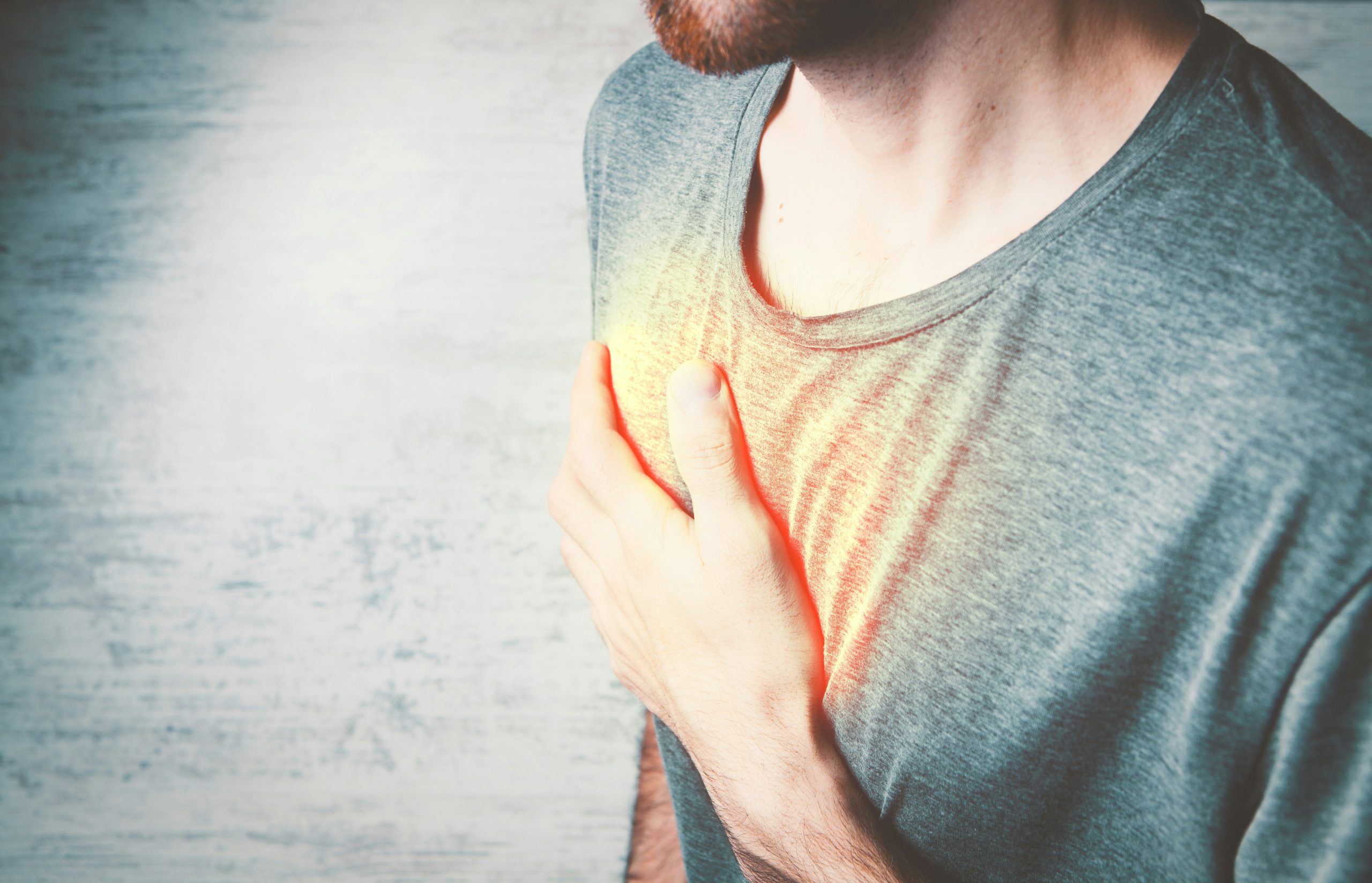
Chest discomfort (pressure, squeezing, fullness)
-
Pain in one or both arms, back, neck, jaw, stomach
-
Shortness of breath
-
Cold sweat, nausea, lightheadedness
What to do: Call emergency services immediately. Don’t wait.
Reference: American Heart Association (AHA). “Heart Attack Symptoms.” 2025.
What Is Cardiac Arrest? (Electrical Problem)
Cardiac arrest happens when the heart’s electrical system malfunctions. The heart stops beating effectively — or stops beating completely.
Why it happens:
-
Ventricular fibrillation (heart quivers instead of pumps)
-
Ventricular tachycardia (too fast to pump blood)
-
Other arrhythmias
Result: Blood stops flowing to the brain and other organs.
Symptoms:
-
Sudden collapse
-
No pulse
-
Not breathing or gasping
-
Loss of consciousness
What to do: Call emergency services, start CPR immediately, use an AED if available.
Reference: American Heart Association (AHA). “Cardiac Arrest vs Heart Attack.” 2025.
The Connection: How Heart Attack Can Lead to Cardiac Arrest
A heart attack can trigger cardiac arrest — but it’s not automatic.
When a large heart attack damages the heart muscle, it can disrupt the heart’s electrical system. Scar tissue from a prior heart attack can also increase cardiac arrest risk.
However: Most heart attacks do NOT lead to cardiac arrest. People having heart attacks are usually awake and talking.
What to Do: Emergency Response
| Situation | Action |
|---|---|
| Person has chest pain, is awake and breathing | Call emergency services. Person likely having heart attack. Keep them calm, sitting up if comfortable. |
| Person collapses, not breathing, no pulse | Call emergency services. Start CPR immediately. Push hard and fast in center of chest (100-120 compressions/minute). Use AED if available. |
Reference: Red Cross. “First Aid for Cardiac Arrest.” 2025.
Risk Factors for Both
| Risk Factor | Heart Attack | Cardiac Arrest |
|---|---|---|
| High blood pressure | ✅ | ✅ |
| High cholesterol | ✅ | ✅ |
| Smoking | ✅ | ✅ |
| Diabetes | ✅ | ✅ |
| Family history of heart disease | ✅ | ✅ |
| Prior heart attack | ✅ | ✅ |
| Prior cardiac arrest | ❌ | ✅ |
| Heart failure | ✅ | ✅ |
| Certain arrhythmias | ❌ | ✅ |
Prevention: How to Reduce Your Risk
| Action | Why it helps |
|---|---|
| Control blood pressure | Reduces strain on heart and arteries |
| Manage cholesterol | Prevents plaque buildup |
| Don’t smoke | Smoking damages blood vessels |
| Exercise regularly | Strengthens heart muscle |
| Healthy diet (Mediterranean style) | Reduces inflammation and plaque |
| Know family history | Genetic risk factors matter |
Reference: Centers for Disease Control and Prevention (CDC). “Heart Disease Prevention.” 2025.
The Bottom Line
Cardiac arrest and heart attacks are not the same.
-
Heart attack = plumbing problem. Blood flow blocked. Person usually awake. Call ambulance. Hospital can open the artery.
-
Cardiac arrest = electrical problem. Heart stops. Person collapses, not breathing. Call ambulance, start CPR, use AED immediately.
A heart attack can lead to cardiac arrest — but most don’t.
Knowing the difference could save someone’s life. Share this with someone you love.
You may also like:
📖 Heatstroke Symptoms: 4 Red Flags That Appear Before Collapse
📖 Electric Medicine: Drug-Free Depression Relief
📖 Men’s Health After 50: No-BS Guide
Written by Altaf Khan | MSc Chemistry, MBA, QC Manager | Medical Bluff
References
-
American Heart Association (AHA). “Heart Attack Symptoms.” 2025.
-
American Heart Association (AHA). “Cardiac Arrest vs Heart Attack.” 2025.
-
Red Cross. “First Aid for Cardiac Arrest.” 2025.
-
Centers for Disease Control and Prevention (CDC). “Heart Disease Prevention.” 2025.