


Medical Bluff

Heat Advisory — What It Means and How to Stay Safe

heat advisory

The eastern US is burning right now.

New York hit 100°F for the first time since 2012. Washington, D.C. broke a 128-year-old record at 102°F. Philadelphia hit 103°F. The CDC is reporting “extremely high rates” of heat-related ER visits across the Northeast.

This isn’t just uncomfortable. It’s dangerous. And it’s getting worse.

I’ve been in pharma for over 13 years. I know what happens when the human body gets pushed past its limits. Heat doesn’t care about your age, your fitness, or your plans. It just takes.

Here’s what you need to know.


What Is a Heat Advisory?

The National Weather Service issues a Heat Advisory when temperatures of at least 100°F — or heat index values of at least 105°F — are expected within the next 24 hours. It’s the government’s way of saying: “This is serious. Take precautions.”

A heat advisory means you should avoid outdoor activities, especially during the hottest part of the day. It’s not a suggestion. It’s a warning.

When the advisory escalates to an Extreme Heat Warning, that means conditions are life-threatening. We’re seeing those warnings across the eastern US right now, with over 165 million people under extreme heat alerts.


The Numbers — Why This Matters

Statistic What It Means
100°F New York’s Central Park — first time since 2012
102°F Washington, D.C. — broke a 128-year-old record
103°F Philadelphia — new record
46°C (115°F) Heat index in some regions — feels like
165+ million Americans under extreme heat alerts
“Extremely high” CDC’s assessment of heat-related ER visits

These aren’t just numbers. These are real people, real risks, and real consequences.


What Happens to Your Body in Extreme Heat?

When you’re exposed to high temperatures, your body tries to cool itself through sweating. But when humidity is high, sweat doesn’t evaporate efficiently. When your body can’t cool down, your core temperature rises. Your heart works harder. Blood pressure drops. It’s a chain reaction — and it can happen fast. And if you don’t cool down, things go bad fast.

Heat exhaustion is the first stage. You feel weak, dizzy, nauseous. Your skin is pale and clammy. Your body temperature might be elevated but usually stays below 104°F.

Heat stroke is the life-threatening stage. Your body temperature spikes above 104°F. You stop sweating. You become confused, disoriented, or unconscious. This is a medical emergency. It can kill you.

Condition Symptoms Action
Heat Exhaustion Heavy sweating, weakness, headache, nausea, pale skin, rapid pulse Move to shade, drink water, rest
Heat Stroke Body temp >104°F, confusion, no sweating, rapid heartbeat, loss of consciousness Call 911 immediately. Cool the person down

Heat exhaustion is reversible. Heat stroke can be fatal.


Who Is Most at Risk?

Group Risk
Older adults Reduced ability to regulate body temperature
Children Less efficient sweating, higher surface-to-mass ratio
People with chronic conditions Diabetes, heart disease, obesity
Outdoor workers Prolonged sun exposure and physical activity
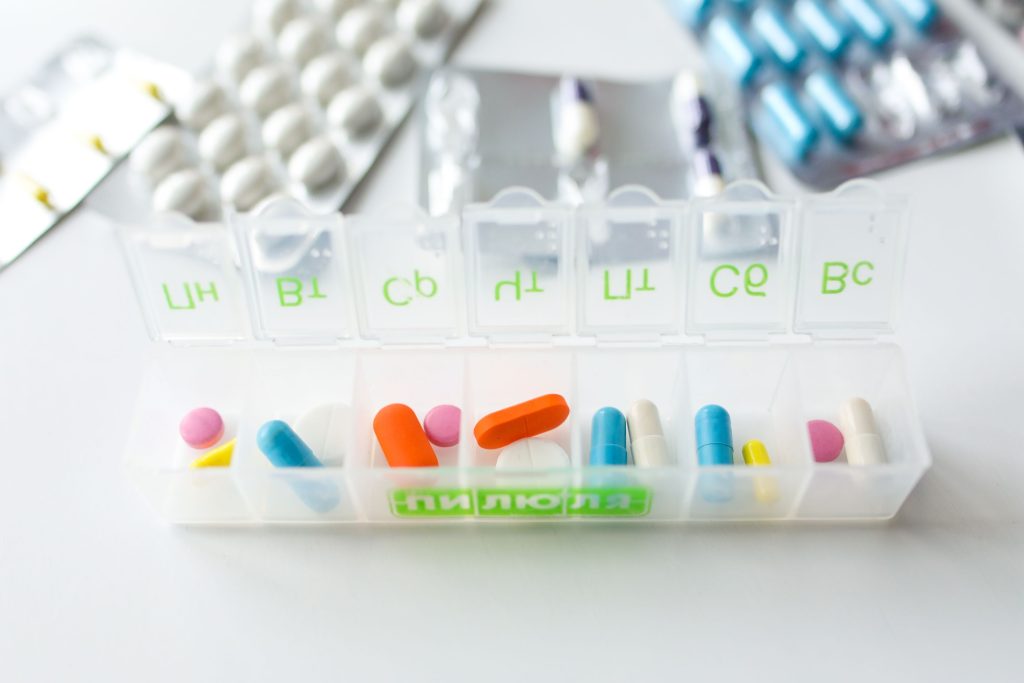
People on certain medications Antidepressants, diuretics, some heart medications
People without AC No way to cool down

If you fall into any of these categories, you need to be extra careful. And if you know someone who does — check on them.


How to Stay Safe — What Actually Works

1. Stay Hydrated

Drink water regularly — even if you don’t feel thirsty. Thirst isn’t a reliable early warning sign. Avoid alcohol, caffeine, and sugary drinks — they dehydrate you.

2. Limit Outdoor Activities

If you must go outside, do it early morning or late evening. Stay out of direct sunlight. The heat index can increase by up to 15°F in direct sun.

3. Stay Cool Indoors

Air conditioning is your best defense. If you don’t have AC, go to a cooling center, library, or mall. Take cool showers or baths. Wear loose, lightweight, light-colored clothing.

4. Never Leave Anyone in a Car

Not kids. Not pets. And definitely not anyone. Even with the windows cracked, temperatures inside a car can reach lethal levels within minutes.

5. Check on Vulnerable People

Older neighbors. People with chronic conditions. Anyone without air conditioning. A quick phone call can save a life.

6. Monitor Your Medications

Some medications — including antidepressants, diuretics, and certain heart drugs — can make you more sensitive to heat. Check with your doctor if you’re unsure.

7. Know the Signs

If you feel dizzy, weak, nauseous, or confused — get out of the heat immediately. Don’t push through. That’s how people end up in the ER.


The CDC’s SHADE Method

The CDC recommends following the SHADE acronym for heat safety:

Letter Action
S Stay hydrated — drink water regularly
H Heat awareness — know the risks
A Avoid the sun — stay in shade or indoors
D Dress for the weather — light, loose clothing
E Exercise caution — limit outdoor activities

A Personal Story

I had a friend who thought he was invincible. Mid-30s, fit, ran marathons. He went for a run during a heat wave because he “didn’t want to skip his routine.”

Halfway through, he collapsed. Heat stroke. Body temperature hit 105°F. He spent three days in the hospital.

He survived. But he told me later: “I thought I was fine. I thought I knew my limits. I was wrong.”

Don’t be that person.


My Honest Take

I’m not a doctor. I’m a chemist who’s been in pharma long enough to know that the human body has limits. And heat doesn’t care about your plans.

This heat wave is real. It’s dangerous. And it’s going to get worse before it gets better.

Take it seriously. Drink water. Stay inside. Check on people who need help. And if you feel off — get out of the heat.

It’s not weakness. It’s survival.


References

  1. National Weather Service. Heat Advisory Criteria. 2026.

  2. Centers for Disease Control and Prevention. Extreme Heat and Your Health. 2026.

  3. CDC. Heat-related Illness Statistics. 2026.

  4. New York Times. Heat Wave Updates: Eastern U.S. 2026.

  5. CNN. Punishing Heat Wave Hits Eastern US. 2026.


Written by Altaf Khan | MSc Chemistry, MBA, QC Manager | Medical Bluff

Reviewed by: Dr. Ayesha, Medical Reviewer

This content was written by a pharma professional and reviewed by a medical doctor for accuracy. It is for informational purposes only and does not constitute medical advice. Always consult your healthcare provider.


Keep Reading — More from Medical Bluff

📌 Pillar Posts:

📌 Health & Wellness:

Written by:

Altaf Khan

MSc Chemistry, MBA, QC Manager

Popular Posts:

maternal-fetal medicine

Maternal-Fetal Medicine — Expert Care for High-Risk Pregnancies

Let me tell you something straight. Pregnancy is supposed to be exciting. But for some women, it’s terrifying. Not because something’s wrong with them — but because something could go wrong. And that uncertainty is exhausting. That’s where maternal-fetal medicine comes in. It’s a field that exists to catch problems early, manage them aggressively, and give both mother and baby the best possible shot at a healthy outcome. I’ve been in pharma long enough to know that high-risk pregnancies aren’t a death sentence. But they do require a different level of care. And that’s exactly what MFM specialists provide. What Is Maternal-Fetal Medicine? Maternal-fetal medicine (MFM) is a subspecialty of obstetrics. These doctors — also called perinatologists — are OB/GYNs who complete an additional three years of training specifically focused on managing high-risk pregnancies . They’re the experts you call when a pregnancy gets complicated. An MFM specialist doesn’t replace your regular OB/GYN. They work alongside them. They handle the complex stuff — advanced imaging, genetic testing, fetal monitoring, and managing chronic conditions during pregnancy . And they’re trained to do procedures that regular OBs don’t do — like amniocentesis, chorionic villus sampling, and even fetal surgeries . Why Would You Need an MFM Specialist? About 20% of pregnancies are considered high-risk . That’s one in five. And the reasons vary widely. You might be referred to an MFM specialist if you have: Pre-existing conditions — diabetes, high blood pressure, heart disease, thyroid disorders, lupus, kidney disease, or autoimmune conditions  A history of complications — previous preterm delivery, miscarriage, stillbirth, or multiple cesareans  Advanced maternal age — 35 or older  Multiple gestation — twins, triplets, or more  Fetal complications — birth defects, genetic conditions, or fetal growth restriction  Unexpected issues — abnormal genetic test results, infections that may affect the pregnancy, or abnormal ultrasound findings  The earlier these factors are identified, the better the outcome. That’s why MFM specialists often get involved before pregnancy — through preconception counseling — to help women understand their risks and plan accordingly . What Do MFM Specialists Actually Do? Advanced Imaging MFM specialists are experts in high-resolution ultrasound. They can detect fetal anomalies, growth problems, and placental issues that regular OBs might miss . They also perform fetal echocardiography, biophysical profiles, and Doppler studies to monitor blood flow to the baby. Genetic Testing and Counseling They work alongside genetic counselors to help patients understand their options. This includes non-invasive prenatal testing (NIPT), carrier screening, and invasive tests like amniocentesis or chorionic villus sampling (CVS) when needed . Management of Chronic Conditions If you have diabetes, hypertension, or heart disease, an MFM specialist will co-manage your pregnancy with your OB. They adjust medications, monitor blood work, and create a delivery plan that minimizes risks . 24/7 Emergency Care High-risk pregnancies don’t follow a schedule. MFM specialists provide around-the-clock access to emergency care for complications like preterm labor, preeclampsia, or placental abruption . Fetal Interventions In some cases, MFM specialists perform procedures on the fetus before birth. This can include fetal surgery, intrauterine transfusions, or other interventions for conditions like twin-to-twin transfusion syndrome or severe fetal anemia . The Latest Advances in MFM Liquid Biopsy Technologies Traditional methods for detecting placental dysfunction are often invasive or only detect problems later in pregnancy. Liquid biopsies — which analyze biomarkers like cell-free DNA, cell-free RNA, and extracellular vesicles in maternal blood — offer a non-invasive, real-time way to assess placental and fetal health . These biomarkers can signal conditions like preeclampsia, preterm birth, and fetal growth restriction weeks before clinical symptoms appear. That means earlier intervention and better outcomes . Fetal Growth Restriction (FGR) Pregnancies complicated by extremely early-onset FGR (diagnosed at or before 26 weeks) face significant risks. A 2025 meta-analysis found that perinatal death occurred in 16% of such pregnancies, with genetic anomalies present in 9.6% and structural anomalies in 23.2%. Preeclampsia affected 21.6% . This highlights why early detection and MFM involvement is critical — not optional. Fellowship Training is Evolving MFM fellowship programs are now integrating telemedicine, simulation training, cultural competency, and systems-based leadership skills to prepare the next generation of specialists . The field is adapting to rising maternal morbidity and increasing clinical complexity driven by advanced maternal age, chronic diseases, and evolving reproductive technologies . What the Data Shows A 2024 prospective study of 94 high-risk pregnancies found that postpartum hemorrhage (PPH) was the most common immediate complication, occurring in 31.91% of cases. Surgical site infection affected 25.52% . The most common cause of perinatal morbidity was respiratory distress syndrome (13.83%). The perinatal mortality rate was 26.59% . But here’s the key takeaway — with early detection, vigilant monitoring, and timely intervention, there was no maternal mortality in that study . Another study of over 17,000 women found that only 18.3% were high-risk. Among them, preterm admissions were highest (26.67%) and cesarean sections were more common (52.5%). NICU admissions were 21.59%, and neonatal death was also higher in this group . The lesson? High-risk pregnancies require high-level care. But that care works. My Honest Take I’m not an OB-GYN. I’m a chemist who’s been in pharma long enough to know that high-risk pregnancies are a medical reality — and they’re becoming more common as women delay pregnancy and chronic conditions increase. Maternal-fetal medicine is the most important development in obstetrics in the last few decades. It doesn’t eliminate risk, but it mitigates it. It turns a potentially dangerous pregnancy into a manageable one. If you’re pregnant and have any of the risk factors I mentioned — see an MFM specialist. Don’t wait. And if your OB recommends a consult, take it seriously. High-risk doesn’t mean impossible. It just means you need the right team. Written by Altaf Khan | MSc Chemistry, MBA, QC Manager | Medical Bluff Reviewed by: Dr. Ayesha, Medical Reviewer References Penn Medicine. High-Risk Pregnancy Care. 2026.  Vanderbilt Health. What Is a Maternal-Fetal Medicine Specialist? 2024.  Mangla M, et al. Advancements in Liquid Biopsy Technologies for Non-Invasive Detection of Placental Dysfunction. Maternal-Fetal Medicine. 2026;8(1):68-74.  Bablad A. Maternal and Perinatal Morbidity and Mortality in High-Risk Pregnancy. International Journal of Reproduction, Contraception, Obstetrics and Gynecology. 2024;13(11):3047-3055.  UF Health. Maternal and Fetal Medicine. 2026.  Johns Hopkins Medicine. High-Risk Pregnancy: What You Need to Know. 2025.  Zalud I.

Mediterranean diet

Mediterranean Diet — Still the Best Overall Diet for 2026

Let me tell you something straight. Every year, there’s a new diet. Keto. Paleo. Vegan. Carnivore. Intermittent fasting. Everyone promises magic. Most of them don’t deliver. But one diet keeps coming back. Year after year. Study after study. It’s not flashy. Expensive? No. Quick fix? Definitely not. The Mediterranean diet. And it’s still the best overall diet for 2026. What Actually Is It? It’s not a strict meal plan. It’s more like a way of eating. The idea is simple: eat like people in Greece, Italy, and Spain did decades ago. Vegetables, fruits, whole grains, legumes, nuts, seeds Olive oil — lots of it Fish, poultry, eggs, dairy — in moderation Red meat and processed food — limited Herbs and spices instead of salt Red wine — if you want, in moderation That’s it. No cutting out food groups. No expensive supplements. Just real food. What the Data Says The U.S. News & World Report expert panel ranked the Mediterranean diet as the #1 overall diet for 2026 — for the 8th year in a row. Category Ranking Overall Best Diet #1 Best Diet for Diabetes #1 Best Diet for Heart Health #1 Best Plant-Based Diet #1 Easiest Diet to Follow #1 It also ranked near the top for weight loss, bone health, and family-friendly eating. Why Does It Keep Winning? No gimmicks. No supplements. No expensive meal replacements. Decades of research backing it up. You can eat this way for life — not just 30 days. No banned foods. No rigid rules. Proven benefits — heart disease, diabetes, cognitive decline — all lower. This isn’t a fad. It’s a pattern of eating humans have followed for centuries. And it works. What Studies Actually Show Heart disease. A 2026 study of over 100,000 people found that sticking to the Mediterranean diet lowered cardiovascular events by 28%. Diabetes. It reduces HbA1c and fasting glucose. Ranked #1 for diabetes. Brain health. A 2025 study found older adults who followed this diet had better memory and slower cognitive decline over 12 years. Weight. It’s not a quick fix. But it works for long-term weight management — and you can actually stick with it. How It Stacks Up Diet Pros Cons Mediterranean Sustainable, proven, flexible Not a quick fix Keto Rapid weight loss Hard to maintain, high fat Paleo Whole foods Eliminates grains, dairy, legumes Vegan Ethical, plant-based Needs careful planning Intermittent Fasting Simple, flexible Hunger spikes, not for everyone The Mediterranean diet doesn’t promise quick results. It delivers lasting ones. What You Can Do Today Swap butter for olive oil Eat fish twice a week Add a serving of vegetables to every meal Use herbs instead of salt Snack on nuts instead of chips Limit red meat to once a week You don’t have to do everything at once. Pick one. Add another. Shift slowly. My Take I’m not a nutritionist. I’m a chemist who’s been in pharma long enough to know what works. The Mediterranean diet isn’t a diet. It’s the way humans ate before processed food took over. And the data is clear — it works. If you want a quick fix, this isn’t it. But if you want something that actually works — for your heart, your brain, your weight, your life — this is it. Eat real food. Use olive oil. Eat fish. Eat vegetables. Drink wine if you want. Move your body. That’s it. And it still works. Written by Altaf Khan | MSc Chemistry, MBA, QC Manager | Medical Bluff Reviewed by: Dr. Ayesha, Medical Reviewer References Mediterranean Diet and Cardiovascular Events. Journal of the American College of Cardiology. 2026. Mediterranean Diet and Cognitive Decline. Neurology. 2025. Mediterranean Diet for Diabetes Management. Diabetes Care. 2025. U.S. News & World Report. Best Diets 2026. Keep Reading — More from Medical Bluff 📌 Pillar Posts: Food as Medicine: Why Your Diet Matters More Than Ever Obesity and Diabetes in US — What 2026 Data Reveals GLP-1 Medications: Beyond Weight Loss — 2026’s Top Health Trend 📌 Cluster Posts (Deep Dives): Medically Tailored Meals — What They Are and Who Needs Them Hypertension Crisis: 1 in 2 Adults Affected Produce Prescriptions — Can Doctors Really Prescribe Vegetables? Food Insecurity Rising: 7.4M Older Adults Affected GLP-1 Diet — What to Eat

GLP-1 diet

GLP-1 Diet — What to Eat

Look, I’ve seen a lot of people start GLP-1 meds. They lose weight. Feel great. Then they hit a wall. They’re eating too little. Or they’re eating the wrong stuff. Or they’re just not eating at all. And they don’t even realise it. So here’s the deal — let’s actually talk about what you should be eating when you’re on GLP-1. First — What Happens to Your Diet on GLP-1? These drugs slow down your digestion. They reduce appetite. You feel full faster and stay full longer. Sounds good, right? But here’s the problem. A 2026 study found that people on GLP-1s were eating barely 800-1,200 calories a day. That’s not enough. Not even close. And less than 10% were getting enough protein. So you’re losing weight — but you’re also losing muscle. And that’s not what you want. The GLP-1 Diet Problem Nobody Talks About Problem What Happens Low calorie intake 800-1,200 calories/day — too low Low protein Less than 10% meet protein needs Muscle loss 25-40% of weight lost comes from muscle Slow metabolism Muscle loss = slower metabolism Weight regain When you stop, weight comes back faster That’s the cycle. And it’s avoidable. What Should You Eat on GLP-1? Here’s what I tell people. Simple stuff. Nothing fancy. 1. Protein — Non-Negotiable Aim for at least 100g of protein a day. If you don’t, you’ll lose muscle instead of fat. Your metabolism will slow down. And when you stop the medication, the weight will come back — faster than before. What to eat: Eggs Chicken breast Fish Greek yoghurt Protein shakes (if you can’t eat enough) 2. Fiber — For Digestion GLP-1s slow down digestion. Constipation is common. Fiber helps keep things moving. It also fills you up without adding many calories. What to eat: Oats Beans Broccoli Berries Flaxseeds 3. Hydration — Don’t Forget You’re eating less, so you’re also getting less water from food. Dehydration can make nausea worse. What to do: Drink 8-10 glasses of water a day Start your day with a glass of water Add electrolytes if you feel weak 4. Small, Frequent Meals Large meals can trigger nausea — especially in the early weeks. What to do: Eat 4-5 small meals a day Don’t skip meals — that makes nausea worse Eat slowly — it takes time for the fullness signal to reach your brain What to Avoid Food Why Avoid It Greasy, fried foods Slow digestion = more nausea Spicy foods Can irritate your stomach Sugar-sweetened drinks Empty calories Alcohol Dehydrates you, adds empty calories My Take I’m not a nutritionist. I’m a chemist who’s seen enough to know that GLP-1s work — but they work better when you eat properly. Most people focus on the medication and forget about the food. That’s a mistake. The drug helps you lose weight. But if you eat badly while you’re on it, you’ll just regain it when you stop. So eat protein, eat fibre, drink water, eat small meals. Simple. If you’re on a GLP-1 and you’re not thinking about your diet — you’re doing it wrong. Written by Altaf Khan | MSc Chemistry, MBA, QC Manager | Medical Bluff Reviewed by: Dr. Ayesha, Medical Reviewer References Dietary intake patterns and nutritional adequacy among adults with overweight or obesity treated with GLP-1. Journal of Translational Medicine. 2026. Nutrition-First Support for GLP-1 and Dual Incretin Therapy in Obesity. Nutrients. 2026. Keep Reading — More from Medical Bluff 📌 Pillar Posts: Food as Medicine: Why Your Diet Matters More Than Ever Obesity and Diabetes in US — What 2026 Data Reveals GLP-1 Medications: Beyond Weight Loss — 2026’s Top Health Trend 📌 Cluster Posts (Deep Dives): Medically Tailored Meals — What They Are and Who Needs Them Hypertension Crisis: 1 in 2 Adults Affected Produce Prescriptions — Can Doctors Really Prescribe Vegetables? Food Insecurity Rising: 7.4M Older Adults Affected Mediterranean Diet — Still the Best Overall Diet for 2026 

food insecurity

Food Insecurity Rising — 7.4 Million Older Adults Affected

Let me be real with you. I’ve been in pharma for over 13 years. Seen a lot of patients. But there’s one thing that keeps coming up — people who can’t afford to eat well. And it’s getting worse. You’d think in a country like the US, older people would have enough to eat. But they don’t. 7.4 million older adults are food insecure right now. That’s not a small number. That’s people skipping meals, going hungry, or eating cheap processed food because they can’t afford better. What Does Food Insecurity Actually Mean? It means not having reliable access to enough affordable, nutritious food. For older adults, it means: Skipping meals because you can’t afford groceries Buying cheap, processed food instead of fresh fruits and vegetables Choosing between food and medication Relying on food banks or charitable programs to get by A recent report found that 83% of food-insecure seniors are using their savings just to cover basic needs like housing and utilities. And nearly two-thirds rely on charitable food assistance every month. The Numbers — A Snapshot Statistic Detail 7.4 million Older adults facing food insecurity 28% Americans 50+ can’t cover a $100 emergency expense 33% Ran out of food before they had money to buy more 19.1% Older adults in NYC are food insecure 13.7% US households overall are food insecure 5% Increase in food insecurity among older Americans from 2011-2023 How Food Insecurity Affects Health When you can’t afford nutritious food, you eat what you can get. Usually that means cheap, processed, high-sodium, high-sugar food. That leads to: Health Issue How Food Insecurity Makes It Worse Diabetes Hard to manage blood sugar without access to healthy food High blood pressure Processed food is loaded with sodium Heart disease Poor diet increases risk Obesity Cheap food is often calorie-dense but nutrient-poor Malnutrition Older adults need protein and vitamins — but can’t afford them A recent report from the National Council on Aging shows that food insecurity among older adults is linked to higher rates of chronic disease and increased healthcare costs. Limited access to nutritious food can worsen chronic conditions like diabetes and hypertension. And when you’re already dealing with a chronic illness, not eating well makes everything harder. Why Is This Happening? Several things are coming together. Rising food prices — groceries are more expensive than they were a few years ago. A survey found that in early 2026, nearly 20% of households earning under $50,000 reported skipping meals or going hungry. Fixed incomes — many older adults are on fixed incomes. When prices go up, they can’t keep up. Inadequate SNAP enrollment — less than one-third of eligible older adults are enrolled in SNAP. That means millions of people who qualify for food assistance aren’t getting it. The Senior Hunger Prevention Act was introduced to address this. But it hasn’t passed yet. What Can You Do? Action Why It Helps Check if you qualify for SNAP Millions of older adults are eligible but not enrolled Use food banks and pantries They exist to help — use them Talk to your doctor If you’re struggling to afford food, they may know local resources Meal delivery programs Some programs deliver nutritious meals to older adults at low cost Community programs Local churches and community centers often have food programs Data from the Feeding America network shows that food banks are seeing increased demand from older adults. Many of these programs also offer nutrition education and cooking classes to help people make the most of their food budgets. What I Tell People I’m not a social worker. I’m a chemist who’s been in pharma long enough to know that food is medicine. If you can’t afford good food, you can’t stay healthy. If you’re an older adult struggling to afford food — there’s no shame in asking for help. SNAP exists for a reason. Food banks exist for a reason. Use them. And if you know someone who might be struggling — check on them. Ask them if they have enough to eat. Sometimes people won’t ask for help, but they’ll accept it if you offer. Written by Altaf Khan | MSc Chemistry, MBA, QC Manager | Medical Bluff Reviewed by: Dr. Ayesha, Medical Reviewer References National Council on Aging. (2026). Food Insecurity Among Older Adults Report. Feeding America. (2026). Senior Food Insecurity Data. USDA Economic Research Service. (2026). Household Food Security in the United States. Senior Hunger Prevention Act. (2026). Congressional Report. Keep Reading — More from Medical Bluff 📌 Pillar Posts: Obesity and Diabetes in US — What 2026 Data Reveals Food as Medicine: Why Your Diet Matters More Than Ever 📌 Cluster Posts (Deep Dives): Medically Tailored Meals — What They Are and Who Needs Them Hypertension Crisis: 1 in 2 Adults Affected Produce Prescriptions — Can Doctors Really Prescribe Vegetables? Why Younger Adults Are Getting Diabetes Faster 

Share:

Send Us A Message