

Medical Bluff

Ibuprofen Dosis : Recommended Dosages for Adults & Children

Ibuprofen Dosis

Ibuprofen Dosis , a household name with regards to over the counter ache comfort, is a cross-to medicinal drug for many individuals seeking to relieve aches and pains, lessen fever, and fight infection. However, while this medication can be noticeably powerful, it is critical to recognize the ideal dosage to ensure secure and powerful use.

Ibuprofen Dosage Forms

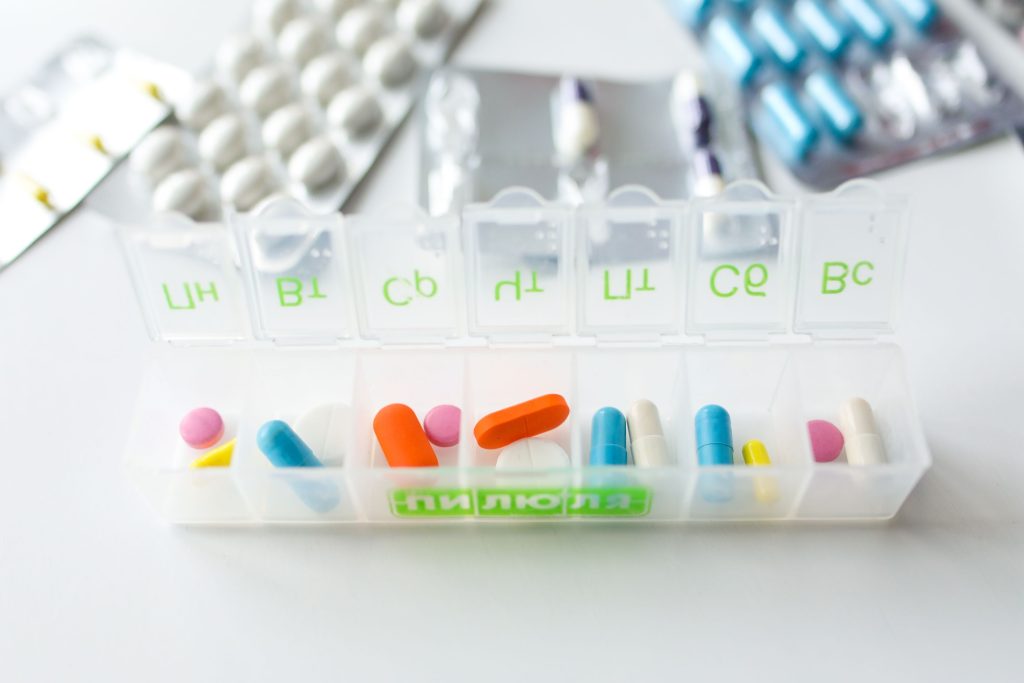
Ibuprofen is to be had in numerous bureaucracy, which includes:

  • Tablets: 100 mg, two hundred mg, 400 mg, 600 mg, and 800 mg
  • Capsules: 200 mg
  • Chewable Tablets: one hundred mg
  • Oral Suspension or Liquid: a hundred mg in keeping with five milliliters (mL)
  • Concentrated Oral Suspension for Infants: 50 mg according to 1.25 mL

Recommended Dosages for Adults

For adults, Ibuprofen Dosis,  the endorsed dosage of ibuprofen commonly ranges from 200mg to 400mg each four-6 hours as needed. It’s crucial to follow the instructions at the packaging or as directed with the aid of a healthcare professional to keep away from exceeding the maximum every day dose, which is generally round 3200mg. Taking extra than the advocated quantity can result in extreme aspect results, which includes stomach ulcers, kidney harm, and liver toxicity.

  • Pain Relief: 200-400 mg every 4-6 hours as wanted
  • Fever Reduction: 2 hundred-four hundred mg each four-6 hours as wanted
  • Maximum Daily Dose: 1200 mg for OTC ibuprofen and 3200 mg for prescription-energy ibuprofen

Recommended Dosages for Children

When it involves children, the dosage of ibuprofen is based on their weight and age. It’s essential to consult with a pediatrician earlier than administering ibuprofen to ensure the perfect dosage is given. Giving youngsters too much ibuprofen may be harmful and can cause overdose. Always use a proper measuring device to make sure accurate dosing, and in no way give ibuprofen to kids beneath the age of 6 months without consulting a healthcare company.

  • Children under 6 months: Not endorsed
  • Children 6 months to two years: Consult a pediatrician for steering
  • Children 2-11 years: Follow the guidelines at the OTC label cautiously, and consult a pediatrician if unsure

Potential Risks and Precautions

While ibuprofen is typically secure when used as directed, there are positive people who must avoid or use caution when taking this remedy. Those with a records of belly ulcers, kidney disease, liver disorder, or coronary heart situations should talk with their healthcare company before the use of ibuprofen. Additionally, pregnant ladies should visit their physician before taking ibuprofen, mainly inside the third trimester.

  • Bleeding Risks: Ibuprofen can increase the risk of bleeding, particularly in human beings taking anticoagulant medications.
  • Stomach Problems: Ibuprofen can motive belly disenchanted, ulcers, and bleeding in some individuals.
  • Allergic Reactions: Some humans can be allergic to ibuprofen, that could purpose signs and symptoms together with hives, itching, and issue respiratory.
  • Kidney Damage: Long-time period use of ibuprofen can growth the danger of kidney damage.

Interactions with Other Medications

  • NSAIDs: Avoid taking ibuprofen with other NSAIDs, inclusive of naproxen or ketorolac.
  • Blood Thinners: Consult a healthcare professional earlier than taking ibuprofen with anticoagulant medications.
  • Other Medications: Inform your healthcare expert about all medicinal drugs you’re taking before the usage of ibuprofen.

Conclusion

In conclusion, Ibuprofen Dosis may be a valuable tool in handling pain and inflammation whilst used responsibly. By understanding the encouraged dosages for adults and kids, being privy to capacity dangers, and in search of steerage from healthcare experts whilst wished, you may adequately and efficaciously use ibuprofen to improve your exceptional of existence. Remember, in terms of medicinal drug, understanding is strength – so train yourself and use ibuprofen wisely.


Do you know “Is Ibuprofen a Blood Thinner? Relationship with Blood Thinners” ?

https://www.medicalbluff.com/is-ibuprofen-a-blood-thinner-relationship-with-blood-thinners

Popular Posts:

Urgent Care

Why Your Wallet (and Wait Time) Loves 2026 Urgent Care

Urgent Care, Let’s be real for a second. Healthcare in the United States usually feels like a binary choice: either you have a heart attack (ambulance to the ER) or you have a sniffle (wait three weeks for a primary care slot). But what about the sprained ankle on a Saturday night? Or the 103° fever that hits at 7:00 AM? Historically, we’ve suffered in the middle. But if you haven’t visited an urgent care lately—or you’re still traumatized by the DMV-like waiting rooms of 2019—you are in for a very pleasant shock. 2026 is the year the “doc in a box” got a complete, high-tech, AI-driven glow up. Here is the current state of the union for US urgent care, and why it has become the smartest bet in American healthcare right now. 1. The ER is a Trap for Your Bank Account (Literally) We all know the ER is expensive, but the 2026 numbers are staggering. If you walk into an Emergency Room for a sore throat or a basic stitch, the average cost is now hovering between $2,000 and $5,000 . Why? Because ERs are legally required to see you, so they charge a “facility fee” that covers the cost of keeping a trauma surgeon and a helicopter pad on standby—even if you just need a Band-Aid. Conversely, the same visit at an urgent care in 2026 averages $150 to $250 . That is an 80% to 90% savings. With inflation still stinging, and with new 2026 insurance deductibles jumping nearly 20% on some ACA plans, Americans are wising up . Why blow your entire deductible on one visit for pink eye? 2. The “High Acuity” Shift: They Aren’t Just for Boo-Boos Anymore The old rule was: Chest pain? Go to the ER. Broken leg? ER. That line is blurring. In 2026, we are seeing the rise of the “High Acuity” Urgent Care center. These aren’t the strip-mall clinics of the past. These facilities now have on-site CT scans, Ultrasounds, and EKGs . I spoke with a physician in New Jersey who runs one of these “Urgent Care PLUS” centers. He noted that they can now treat complex dehydration with IV fluids, administer heart medication, and even manage mild heart attacks long enough to stabilize you—all without the $5,000 ER facility fee . For a sinus infection? No. For a kidney stone or a complex fracture? Yes. They are stealing about 17% of the “low acuity” traffic that used to choke our ERs . 3. The AI Scribe is Here (And It’s Weirdly Great) Here is the biggest quality-of-life change you’ll notice in 2026: the front desk and the doctor aren’t glued to a computer screen anymore. The industry is adopting “AI Scribes” and “AI Insurance Matching” at lightning speed . Remember the frustration of the doctor typing furiously while you try to explain your symptoms? That is dying. AI now listens to the conversation and writes the medical notes instantly. More importantly for you, the patient, the backend tech has solved the “prior authorization” nightmare. New federal rules (CMS-0057-F) went into effect January 1, 2026, requiring insurance companies to answer prior authorization requests within 72 hours (expedited) or 7 days (standard) . You aren’t waiting two weeks for a rubber stamp on your X-ray anymore. 4. The Primary Care Shortage is Your Gain Here is the macroeconomic reality: The US is projected to be short nearly 86,000 physicians by 2036 . You can’t get in to see your PCP. Because of that, Urgent Care is becoming your new Primary Care. Industry experts call this the “unbundling” of primary care . In 2026, your annual wellness exam, your prescription refill for blood pressure meds, and your chronic disease follow-up are increasingly happening at urgent care chains . This is a double-edged sword, but for now, it means access. You don’t need an appointment six months out. You walk in, you get your flu shot, you refill your statins, and you leave. They are essentially becoming the “quick lube” for your body’s routine maintenance—not just the emergency repair. 5. The Fine Print (Read Before You Go) It’s not all perfect. Because the insurance landscape is fracturing in 2026—with some states leaving the federal marketplace and premiums spiking—you absolutely must check your network status . A massive trend for 2026 is “steerage.” Insurance companies are pushing you to urgent care by making ER visits financially devastating. But, they are also narrowing their networks. That shiny new Urgent Care down the street might be “out of network” for your specific ACA plan, leaving you with a surprise bill (thanks to the No Surprises Act, this is less common, but always ask). The Bottom Line If you got sick pre-2020, you had two bad choices: wait or go broke. In 2026, urgent care has stepped into the gap as the intelligent, middle-class hero of the medical system. The Golden Rule for 2026: If you aren’t dying, but you can’t wait—go to Urgent Care. Your wallet (and your sanity) will thank you. Just make sure to check their hours; unlike the ER, they aren’t always open 24/7, but many are now staying open until 9 PM or later to catch the after-work rush

TB Vaccine

Why the TB Vaccine Is Whispering New Secrets

The Forgotten Jab That Refuses to Quit TB Vaccine, Look at your upper left arm. Do you see that small, circular ghost—a scar no bigger than a pencil eraser? For billions of people, that mark is not just a memory of childhood; it is a living fossil of medicine’s longest war. That scar is the calling card of the tuberculosis vaccine. While the world obsesses over mRNA boosters and flu shots, the Bacillus Calmette-Guerin (BCG)—the only licensed soldier against Mycobacterium tuberculosis—sits quietly in the shadows. It is awkward, imperfect, and ancient. Yet, it is currently saving more lives than most people realize. But here is the twist: We have been using it wrong for decades. And a revolution is coming. The 104-Year-Old Mistake We Just Noticed Let’s rewind to 1921. Two French microbiologists, Calmette and Guerin, did something radical. They took a live, toxic cow tuberculosis germ and passed it through 230 cycles of potato-and-bile soup over 13 years. They starved it into submission. The result? A weakened bacterium that could train human immunity without causing disease. For the last century, we assumed this tuberculosis vaccine worked only for infants. We were half-right. New data from 2024-2025 reveals a shocking geography of failure. The shot is 70-80% effective in the UK and Scandinavia, but almost useless in India or South Africa. Why? The vaccine doesn’t fail. The environment does. In tropical belts where people are already swimming in environmental mycobacteria (the non-harmful cousins of TB), the BCG gets blocked at the door. The immune system has already seen a similar face, so it ignores the vaccine. The Unspoken Superpower: Bladder Cancer & Autoimmune Tricks Here is the part the brochures hide. Doctors prescribe the tuberculosis vaccine not for lungs, but for bladders. Yes, you read that correctly. When a patient has non-muscle invasive bladder cancer, surgeons wash the organ with a live BCG solution. The vaccine triggers a localized riot—a cytokine storm—that literally eats the tumor cells. For 45 years, this has been the gold standard immunotherapy, long before “immunotherapy” was a buzzword. Furthermore, epidemiological data shows that children jabbed with BCG have 30% lower rates of leukemia and a bizarre resistance to other respiratory viruses. During the COVID-19 pandemic, countries with universal BCG policies showed flatter mortality curves. This is called trained immunity—where the vaccine rewires your bone marrow to produce hyper-alert white blood cells for years. Why We Desperately Need a Sequel Let’s be honest. The old jab is leaky. It protects babies from deadly meningitis and miliary TB (good), but it fails to stop lung-to-lung transmission in teenagers and adults (bad). As a result, 10.6 million people fell sick with TB last year, and 1.3 million died. The tuberculosis vaccine of the future is not a single shot. It is a portfolio: MTBVAC: The first live human TB vaccine (not cow-derived). Early trials show it is more potent than BCG. M72/AS01E: A subunit vaccine. Think of it as a “wanted poster” for only two TB proteins. It showed 50% efficacy in preventing active pulmonary disease in adults—a holy grail. BCG Revaccination: A controversial strategy. Giving a second dose to adolescents who previously received BCG as infants seems to cut sustained infections by 45%. Should You Run for a Booster Shot Today? Unless you live in a high-burden zone or work in a microbiology lab, probably not. The CDC and WHO do not recommend routine adult boosters because the evidence is still wobbly. However, if you are a healthcare worker in a prison or a homeless shelter, talk to your infectious disease doctor. You may qualify for a second chance. Warning: Do not take the tuberculosis vaccine if you are pregnant or immunocompromised (HIV, chemo). It is a live bug. It will wake up. The Silent Revolution: A Needle-Free Future The biggest complaint about the TB vaccine? The scar. But more importantly, injecting into muscle is stupid. TB is an airborne lung disease. Why are we jabbing arms? Researchers at the Pasteur Institute are testing an aerosolized version—a mist you inhale directly into the alveoli. Early monkey trials show that breathing the vaccine creates “resident memory T cells” that sit permanently in the lung tissue, waiting for the real TB germ to float by. Imagine a bouncer standing inside your airway 24/7. Final Verdict: Respect the Old, Demand the New The tuberculosis vaccine is a paradox. It is the most widely used vaccine in history (over 4 billion doses), yet it is the most misunderstood. It fails to finish the job, but it does a dozen other jobs we never asked it to do. Do not despise the scar on your arm. That scar represents the longest-running experiment in immunology. But do not be satisfied, either. What you can do today: Check your vaccine records. If you are under 5 or have a TB-positive contact, ensure the infant dose is done. If you have bladder cancer, ask your oncologist about BCG therapy. Watch for news on the M72 vaccine in late 2026. The war against the white plague isn’t over. We just changed weapons. Call to Action: Have you or a family member received a second BCG shot? Share your story in the comments. Let’s map the real-world effects together.

chlorine tablets

Chlorine Tablets: Beyond the Basics for a Pristine Pool

If you manage a pool, chlorine tablets are likely the unsung heroes of your summer. You toss them in the skimmer or a floater and enjoy clear water. But have you ever stopped to think about what’s actually in those little hockey pucks? Or why sometimes, despite using them, your water turns cloudy or your eyes sting? This isn’t your average, run-of-the-mill chlorine tablet guide. We’re diving deep into the chemistry, the common mistakes, and the pro tips that will transform you from a casual user into an informed pool owner. What Are Chlorine Tablets Really Made Of? Most people just call them “chlorine tablets.” But the key to using them effectively lies in understanding their composition. The vast majority of tablets are made with Trichloro-s-Triazinetrione (or Trichlor for short). Here’s what that means for you: Stabilized Chlorine: Trichlor contains Cyanuric Acid (CYA), a stabilizer that acts like sunscreen for your chlorine. It protects it from burning off rapidly in sunlight. This is why tablets are so convenient for outdoor pools. High Concentration: Trichlor tablets are typically 90% available chlorine, making them extremely potent and long-lasting. Acidic pH: Trichlor has a very low pH (around 2.8-3.0). This is a critical point often overlooked. While it sanitizes, it’s also constantly lowering your pool’s pH and Total Alkalinity (TA). This explains why pool owners who only use tablets often battle constantly falling pH levels. A less common type is Calcium Hypochlorite (Cal-Hypo) tablets. These do not contain stabilizer (CYA), so they are better for weekly shocking or for indoor pools where stabilizer isn’t needed. However, they add calcium to your water, which can lead to scaling if your calcium hardness is already high. The Golden Rule: You Can’t Only Use Tablets This is the single most important takeaway. Relying solely on chlorine tablets is a recipe for future problems. Here’s why: The CYA Creep: Every Trichlor tablet you add also adds more Cyanuric Acid to your pool. This stabilizer doesn’t evaporate or get used up; it accumulates. As your CYA level climbs above 50 ppm, the chlorine becomes less effective. You’ll find yourself needing more and more chlorine to achieve the same sanitation level (a phenomenon known as “chlorine lock”). Eventually, the only solution is to partially drain the pool and refill it with fresh water to dilute the CYA. The pH Slide: The acidic nature of Trichlor will steadily drive your pH and alkalinity down. Low pH leads to corrosive water that can damage pool equipment, liners, and surfaces, not to mention causing skin and eye irritation. The Pro Advice: Use tablets for their intended purpose: consistent, maintenance-level chlorination. They are perfect for keeping a steady residual chlorine level between 1-3 ppm. But you must supplement this system. Building a Balanced Water Care Routine Think of your pool care like a diet. Tablets are your staple, but you need other “food groups” for complete health. Weekly Shock with an Un stabilized Shock: At least once a week, use a shock that does not contain cyanuric acid. Liquid chlorine (sodium hypochlorite) or cal-hypo shock are excellent choices. This provides a massive dose of pure chlorine to oxidize contaminants (like sweat, oils, and urine) that slow-releasing tablets can’t fully handle, without raising your CYA. Test Religiously: Don’t guess! Test your water at least twice a week with a reliable test kit (not just test strips). You must monitor: Free Chlorine (FC) pH Total Alkalinity (TA) Cyanuric Acid (CYA) – Test this every 2-3 weeks. Adjust pH and Alkalinity Regularly: Because tablets lower pH and TA, you will likely need to add pH Increaser (soda ash) or Alkalinity Increaser (sodium bicarbonate) periodically to keep them in the ideal range (pH 7.4-7.6, TA 80-120 ppm). This prevents the corrosive and irritating effects of acidic water. Dispensing Done Right: The Floater vs. The Feeder Floaters: Simple and cheap. Great for smaller pools. The key is to adjust the opening to control the dissolution rate. Don’t just leave it wide open. In-Line Chlorinators (Automatic Feeders): The professional’s choice. These are installed into your pool’s plumbing after the pump and filter. They allow you to precisely meter the flow of chlorinated water back into the pool. They are more efficient and keep the highly concentrated chlorine solution away from your pool surfaces, preventing potential damage. ⚠️ A Critical Warning: NEVER put tablets directly in your skimmer! When your pump turns off, the undissolved tablets sit in the skimmer, creating a highly acidic, concentrated chlorine solution that gets pulled directly into your equipment when the pump starts again. This can severely damage your pump, filter, and heater seals and components. The Final Verdict Chlorine tablets are an incredibly effective and convenient tool for maintaining a swimming pool. However, they are a tool, not a complete strategy. By understanding their chemistry—specifically their acidic pH and CYA content—and combining them with a weekly un stabilized shock and diligent water testing, you can harness their power without falling victim to their drawbacks. Ditch the “set-it-and-forget-it” mentality, and you’ll be rewarded with crystal-clear, comfortable water all season long.

Italian Brain Rot

Italian Brain Rot: How Internet Culture Is Rewiring Italy’s Language

Italy is famous for its art, history, and la dolce vita—but there’s a new cultural phenomenon spreading faster than espresso orders at a bar: Italian Brain Rot. This isn’t about actual brain damage. It’s about how internet slang, TikTok trends, and lazy language habits are eroding the way Italians (especially Gen Z) speak, think, and even argue. And yes, it’s as chaotic as it sounds. What Is Italian Brain Rot? Imagine mixing: Overused TikTok slang Random English words shoved into Italian sentences Hyper-exaggerated Romanaccio/Neapolitan dialect abuse Complete disregard for grammar The result? A linguistic disaster that makes even nonni (grandparents) clutch their pearls in horror. Classic Examples of Italian Brain Rot: “Fra ma che dici ahahah” – The ultimate low-effort response. “Bro ma è una vita che non ci si becca” – Why say “amico” when you can say “bro”? “Sto thing è troppo cringe” – English words used incorrectly for extra confusion. “Ammazza che rizz” – TikTok-born nonsense replacing actual reactions. “Nah vabbè è over” – The verbal surrender of a generation. Why Is This Happening? 1. Social Media’s Grip on Language TikTok, Instagram Reels, and YouTube Shorts reward fast, snappy, repetitive language. Nuance? Grammar? Non esistono più. 2. English Invasion (But the Wrong Kind) Italians have always borrowed words (“computer,” “weekend”), but now it’s random Gen Z slang with no real meaning. “Dead” → “Ommioddio sono dead” (Instead of “sto morendo”) “Rizz” → “Ha troppo rizz” (Instead of “ha fascino”) 3. Dialect Abuse Dialects are cultural treasures—but when Milanese teens start saying “guagliò” (Neapolitan for “dude”) incorrectly, it’s cultural chaos. 4. The Death of Proper Arguments Instead of structured debates, discussions now sound like: “Ma fra ma che stai a dì ahahah” “Nah vabbè ti prego” Translation: “I have no counter-argument, so I’ll just laugh.” The Consequences: Why It Matters 1. Language Erosion If every reaction is “no vabbè”, how do you express actual surprise or disagreement? 2. Lost Cultural Nuance Italian is rich in expressive phrases—“Mannaggia!”, “Accidenti!”, “Che palle!”—but they’re being replaced by hollow slang. 3. Professional & Academic Problems Try writing a job application in “fra comunque sono underrated” and see how far that gets you. How to Fix It (Before It’s Too Late) ✔️ Speak Like a Human, Not a TikTok Comment Not every sentence needs “fra”, “nah”, or random English. ✔️ Relearn Proper Italian Read books (even short ones!), follow well-written blogs, or just listen to older Italians talk. ✔️ Use Dialects Correctly (Or Don’t Use Them at All) If you’re not Neapolitan, maybe don’t say “guagliò” every two seconds. ✔️ Think Before You Type Before sending “ma che cringe fra ahahah”, ask: “Does this actually mean anything?” Final Thought: Is All Hope Lost? No. Language evolves, but it shouldn’t become lazier and less expressive. Italians have one of the world’s most beautiful languages—why butcher it with brain rot? Let’s bring back la bella lingua. What’s your most hated Italian Brain Rot phrase? Drop it below. 👇 (I’ll start: “underrated” used for everything.)

Share:

Send Us A Message