


Medical Bluff

The Placebo Effect: More Than Just “Fake Medicine”

Placebo Definition & Effect

The Placebo Effect: More Than Just “Fake Medicine”

Think the placebo effect is just imagination? Think again.

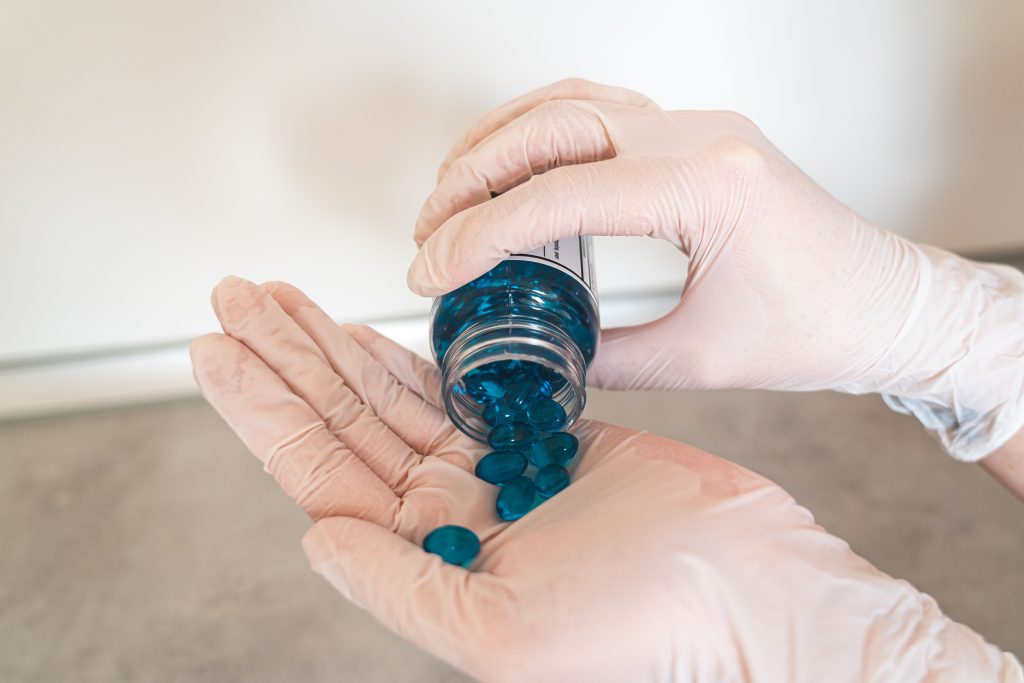
Placebos are real treatments — sugar pills, saline injections, sham surgeries — that contain no active medical ingredient. Yet they produce real physiological changes in the body.

Patients report less pain. Blood pressure drops. Anxiety fades. Symptoms improve.

And here’s the strangest part: The placebo effect works even when patients know they’re taking a placebo.

Let me explain the science behind one of medicine’s most fascinating phenomena.


Quick Summary: The Placebo Effect at a Glance

Aspect Details
What it is Real improvement in symptoms after receiving an inactive treatment
How it works Expectation + conditioning + neurobiology (not just “imagination”)
Strongest for Pain, anxiety, depression, fatigue, nausea
Works even when? Patients know it’s a placebo (open-label placebo)
Not effective for Tumors, infections, broken bones (measurable structural problems)
Neurotransmitters involved Endorphins, dopamine, cannabinoids

Reference: Harvard Medical School. “The Power of the Placebo Effect.” 2024.


The Classic Story: Kaptchuk’s IBS Study

The most famous placebo study was led by Harvard’s Ted Kaptchuk in 2010.

Design:

  • 80 patients with irritable bowel syndrome (IBS)

  • Two groups:

    • No-treatment group (received nothing)

    • Open-label placebo group (told: “These are placebo pills — like sugar pills. They have no active ingredient. But they can help.”)

Result: The open-label placebo group reported significant symptom improvement compared to the no-treatment group.

Patients knew they were taking fakes. Still, their bodies responded.

Reference: Kaptchuk TJ, et al. “Placebos without deception.” PLoS One. 2010;5(12):e15591.


How Does the Placebo Effect Work? (The Biology)

The placebo effect is not one mechanism — it’s several, working together.

1. Expectation (Conscious Belief)

Your brain predicts what will happen. That prediction shapes reality.

When you expect pain relief:

  • Brain releases endorphins (natural painkillers)

  • Activity decreases in pain-processing regions

  • You feel less pain

Real-world example: A person with chronic pain given a placebo “painkiller” shows measurable reductions in brain activity in the thalamus, insula, and anterior cingulate cortex — regions involved in pain perception.

Reference: Wager TD, Atlas LY. “The neuroscience of placebo effects.” Annual Review of Psychology. 2015;66:457-482.

2. Conditioning (Learned Response)

Your brain learns from past experiences.

If a real painkiller worked for you before, seeing a similar pill triggers the same response — even if the new pill is a placebo.

Example: People conditioned with real morphine showed placebo pain relief that was blocked by naloxone (a drug that blocks opioid receptors). Meaning: Their brains were releasing their own natural opioids in response to the placebo.

Reference: Benedetti F, et al. “Conscious expectation and unconscious conditioning.” Journal of Neuroscience. 2003;23(10):4315-4323.

3. Neurotransmitters (Chemical Messengers)

Placebos trigger real chemical changes in the brain:

Neurotransmitter Effect
Endorphins Reduce pain (natural opioids)
Dopamine Reward, motivation, pleasure
Cannabinoids Pain, mood, appetite

Reference: de la Fuente-Fernández R, et al. “Dopamine release in human ventral striatum.” Journal of Neuroscience. 2002;22(12):4822-4826.


Open-Label Placebo: The Strangest Finding

The most surprising discovery: Placebos work even when you tell patients they’re placebos.

Multiple studies confirm:

  • IBS (Kaptchuk, 2010) ✅

  • Low back pain ✅

  • Cancer-related fatigue ✅

  • Depression (some studies) ✅

  • ADHD (in children) ✅

Reference: Charlesworth JEG, et al. “Open-label placebo for functional disorders.” Journal of Psychosomatic Research. 2017;96:75-80.

How can this be?
Even when you consciously know it’s a placebo, your non-conscious brain still responds to the treatment context (taking a pill, seeing a doctor, following a routine).


What Placebos Can and Cannot Do

Condition Placebo Effect Strength
Chronic pain Strong
Anxiety Moderate to strong
Depression Moderate
Fatigue Moderate
Nausea Strong
IBS symptoms Strong
Blood pressure Weak to moderate
Infection (bacterial) None (needs antibiotics)
Cancer tumor None (needs chemo/surgery)
Broken bone None (needs casting/surgery)

Reference: Colloca L, Miller FG. “The placebo effect and its mechanisms.” Annual Review of Pharmacology and Toxicology. 2011;51:181-200.


The Nocebo Effect: The Dark Twin

If positive expectations can heal, negative expectations can harm.

Nocebo effect: Harmful effects caused by negative expectations, not by the treatment itself.

Examples:

  • Patients warned about a drug’s side effects report them more often (even those on placebo)

  • “Wind turbine syndrome” — people who expect to be harmed by wind turbines report symptoms

  • Mass psychogenic illness (mass hysteria) — symptoms spread through expectation and anxiety

Reference: Häuser W, et al. “Nocebo phenomena in medicine.” Deutsches Ärzteblatt International. 2012;109(26):459-465.


How to Harness the Placebo Effect

Action Why it helps
Positive doctor-patient relationship Trust enhances placebo response
Explain treatment benefits clearly Shapes positive expectations
Rituals (taking a pill, using a device) Context triggers conditioning
Focus on symptoms that respond Pain, anxiety, fatigue, nausea
Don’t lie — use open-label placebos ethically Works without deception

Reference: Finniss DG, et al. “Biological, clinical, and ethical advances of placebo effects.” The Lancet. 2010;375(9715):686-695.


Ethical Use: Can Doctors Prescribe Placebos?

Yes — but ethically.

Unethical (lying): “Here’s a powerful new drug” (when it’s sugar).

Ethical (open-label): “These are placebo pills. They have no active ingredient. But studies show they can help with your symptoms. Would you like to try them?”

Many patients say yes — and they improve.


The Bottom Line

The placebo effect is real medicine — just not in the way most people think.

It won’t cure cancer or heal a broken bone. But for symptoms driven by brain-body loops — pain, anxiety, depression, fatigue, nausea — expectation and conditioning produce measurable, real improvement.

The brain is not separate from the body. It is the body.

And sometimes, believing you’ll get better is the first step to actually getting better.


You may also like:
📖 Cardiac Arrest vs Heart Attack: What’s the Difference?
📖 Heatstroke Symptoms: 4 Red Flags That Appear Before Collapse
📖 Electric Medicine: Drug-Free Depression Relief


Written by Altaf Khan | MSc Chemistry, MBA, QC Manager | Medical Bluff


References

  1. Harvard Medical School. “The Power of the Placebo Effect.” 2024.

  2. Kaptchuk TJ, et al. “Placebos without deception: A randomized controlled trial.” PLoS One. 2010;5(12):e15591.

  3. Wager TD, Atlas LY. “The neuroscience of placebo effects.” Annual Review of Psychology. 2015;66:457-482.

  4. Benedetti F, et al. “Conscious expectation and unconscious conditioning.” Journal of Neuroscience. 2003;23(10):4315-4323.

  5. de la Fuente-Fernández R, et al. “Dopamine release in human ventral striatum.” Journal of Neuroscience. 2002;22(12):4822-4826.

  6. Charlesworth JEG, et al. “Open-label placebo for functional disorders.” Journal of Psychosomatic Research. 2017;96:75-80.

  7. Colloca L, Miller FG. “The placebo effect and its mechanisms.” Annual Review of Pharmacology and Toxicology. 2011;51:181-200.

  8. Häuser W, et al. “Nocebo phenomena in medicine.” Deutsches Ärzteblatt International. 2012;109(26):459-465.

  9. Finniss DG, et al. “Biological, clinical, and ethical advances of placebo effects.” The Lancet. 2010;375(9715):686-695.

Written by:

Altaf Khan

MSc Chemistry, MBA, QC Manager

Popular Posts:

Illustration showing facial volume loss associated with Ozempic face during rapid weight loss.

Ozempic Face: Causes, Prevention & What Actually Works

Muhammad Johar Altaf Khan QC Manager | MSc Chemistry | MBA | 13+ Years in Pharmaceutical Quality I am a pharmaceutical quality professional with more than 13 years of experience in quality control, analytical testing, and pharmaceutical manufacturing. He specializes in translating complex medical and pharmaceutical topics into clear, evidence-based health information that is easy for everyday readers to understand. Dr. Ayesha MBBS | Family Physician Medical Reviewed by: Dr. Ayesha, MBBS, Family Physician. This article has been medically reviewed for scientific accuracy and reflects current evidence available at the time of publication. Reading Time: Approximately 8–10 minutes Introduction Watching the number on the scale go down feels like a victory. Better-fitting clothes, more energy, and seeing months of hard work finally pay off are the moments we all look forward to during a weight-loss journey. Then one day, the mirror reflects something unexpected—a slimmer face, less fullness in the cheeks, or a more tired appearance than expected. This unexpected change is often called Ozempic face. Despite the name, many people are left wondering whether Ozempic is actually harming their skin or if these changes are simply part of losing weight. In this evidence-based guide, we’ll separate facts from myths, explain what current research shows, and share practical ways that may help reduce the appearance of Ozempic face while supporting healthy, sustainable weight loss. Quick Answer Ozempic face is a non-medical term used to describe facial volume loss that some people notice during rapid weight loss while taking GLP-1 medications such as Ozempic (semaglutide). (Sources: FDA Ozempic Prescribing Information Novo Nordisk Ozempic Prescribing Information Current evidence suggests these changes are mainly caused by the loss of facial fat rather than the medication directly damaging the skin or collagen. (Sources: STEP 1 Trial (New England Journal of Medicine) American Academy of Dermatology: GLP-1 drugs and skin changes Although there is no guaranteed way to prevent Ozempic face, gradual weight loss under medical supervision, good nutrition, and healthy skincare habits may help reduce its appearance. (Sources: American Academy of Dermatology: GLP-1 drugs and skin changes American Academy of Dermatology: Choosing the Right Sunscreen QUICK SUMMARY Question Quick Answer What is Ozempic face? A non-medical term used to describe facial volume loss that some people notice during rapid weight loss while taking GLP-1 medications such as Ozempic (semaglutide). Does Ozempic directly damage collagen? Current evidence suggests that these changes are mainly linked to the loss of facial fat rather than semaglutide directly damaging collagen or facial skin. Can Ozempic face be prevented? There is no guaranteed way to prevent it, but gradual weight loss under medical supervision, good nutrition, and healthy skincare habits may help reduce the risk. Should you stop taking Ozempic? No. Never stop or change your medication without first speaking to your healthcare provider. The Science Behind Ozempic Face It’s easy to assume that Ozempic is changing your face. That’s an understandable concern, but current clinical evidence points to a different explanation. The facial changes associated with Ozempic face are mainly linked to rapid fat loss rather than the medication directly damaging the skin or collagen. (Sources: STEP 1 Trial – New England Journal of Medicine; American Academy of Dermatology – GLP-1 Drugs and Skin Changes) Think of your face like a cushion. The skin is the outer cover, while the fat underneath acts as the filling that gives your face its natural shape and volume. As you lose weight, your body uses stored fat for energy, including some of the fat beneath the skin. If that fat disappears faster than your skin can adjust, your cheeks may look flatter, fine lines and wrinkles may become more noticeable, and your face may appear older than before. Ozempic (semaglutide) belongs to a class of medicines called GLP-1 receptor agonists. It helps reduce appetite, slows stomach emptying, and increases feelings of fullness, making it easier for many people to eat fewer calories. As a result, weight loss occurs over time. Current evidence suggests that semaglutide does not directly break down facial collagen or damage skin tissue. Instead, the visible changes are largely a consequence of losing facial fat during successful weight loss. (Sources: FDA Ozempic Prescribing Information; Novo Nordisk Ozempic Prescribing Information; STEP 1 Trial – New England Journal of Medicine) This also explains why not everyone develops Ozempic face. Age, genetics, skin elasticity, facial structure, and the speed and amount of weight loss all play a role. Two people can take the same medication, follow similar treatment plans, and still notice very different facial changes. (Sources: Review: Facial Aging – Dermato-Endocrinology; STEP 1 Trial – New England Journal of Medicine) Pharmaceutical Insight Having worked in pharmaceutical quality for many years, one misconception I often come across is the belief that Ozempic chemically damages the face. Based on current evidence, that isn’t how the medication works. My role in pharmaceutical quality has focused on ensuring that medicines consistently meet established quality standards before reaching patients. Before a medicine like Ozempic reaches patients, it goes through strict quality testing to confirm its identity, strength (assay), purity, and stability. These tests help ensure that every batch consistently delivers the intended amount of the active ingredient while meeting strict quality requirements. (Sources: FDA Current Good Manufacturing Practice (CGMP) Regulations; ICH Guideline Q6A – Specifications: Test Procedures and Acceptance Criteria) From a pharmaceutical perspective, semaglutide is designed to target GLP-1 receptors, where it helps regulate appetite, slows stomach emptying, and improves blood sugar control. Current clinical evidence suggests that semaglutide does not directly break down facial collagen, damage skin tissue, or chemically remove fat from specific areas of the body. The facial changes that some people notice are considered a consequence of weight loss itself rather than a direct toxic effect of the medication. (Sources: FDA Ozempic Prescribing Information; Novo Nordisk Ozempic Prescribing Information; STEP 1 Trial – New England Journal of Medicine) This distinction matters because it helps separate scientific evidence from common misconceptions. Understanding how the medicine works is just as important as

Ultra-processed foods and heart disease infographic showing packaged foods, healthy alternatives, and heart health risk explained

Ultra-Processed Foods and Heart Disease (2026)

Why Is Everyone Talking About Ultra-Processed Foods? A few months ago, hardly anyone was talking about ultra-processed foods. Today, they’re everywhere. Open YouTube… someone is warning about them. Scroll Facebook… another post says they’re ruining your health. Read the news… you’ll probably find a headline linking them to heart disease. No wonder people are confused. Some are asking, “Should I stop eating packaged food altogether?” Others are wondering, “Is everything processed bad for me?” The truth isn’t as simple as many headlines make it sound. A new study has certainly sparked an important conversation. But before you start clearing out your kitchen or giving up your favorite foods, it’s worth taking a closer look at what the research actually says. Because excess body weight is already one of the biggest risk factors for heart disease, you may also find our guide on Obesity and Diabetes in the US (2026) helpful. It explains how rising obesity rates are affecting public health and why healthy eating habits matter. That’s exactly what this guide is here to do. No scare tactics. No complicated medical language. Just a clear explanation of what the latest research found, what it means for your heart, and whether it’s really time to rethink what’s on your plate. Let’s start with the basics. What Are Ultra-Processed Foods? Before we go any further, let’s clear up one thing. What exactly are ultra-processed foods? It’s a term that’s getting a lot of attention these days, but many people still don’t know what it actually means. And honestly, that’s understandable. The word processed makes it sound as if every packaged food is unhealthy. That’s not true. Think about a bag of frozen peas. Or a carton of milk. Even canned beans. They’re all processed in one way or another. That doesn’t automatically make them bad for you. Ultra-processed foods are a different story. These are foods that are heavily manufactured and often contain ingredients you wouldn’t normally use in your own kitchen. Things like artificial flavors, colorings, preservatives, sweeteners, and other additives that help improve taste, texture, or shelf life. You’ve probably eaten some of them this week without even thinking about it. Breakfast cereals with lots of added sugar. Soft drinks. Packaged cookies. Instant noodles. Potato chips. Processed meats like hot dogs or some sausages. They’re convenient. They taste good. And that’s one of the reasons they’re so popular. But here’s something that’s often missing from the conversation. Eating one packet of chips doesn’t suddenly make your diet unhealthy. The bigger question is this: What does your diet look like most of the time? If ultra-processed foods make up a large part of your daily meals, your body may miss out on nutrients that are naturally found in foods like fruits, vegetables, beans, nuts, and whole grains. That’s why researchers have become so interested in this topic. They’re not asking whether one snack is harmful. They’re trying to understand what happens when these foods become a regular part of someone’s diet for years. And that’s exactly where the latest study becomes interesting. 💡 Quick Tip Don’t judge a food just because it comes in a package. Some packaged foods can still be nutritious. The goal isn’t to fear every processed food. It’s to understand the difference and make better choices more often than not. What Did the New Study Actually Find? So… What made this study such big news? The researchers wanted to answer a simple question. If people ate fewer ultra-processed foods, could it make a real difference to heart health? To find out, they looked at health data and eating habits from a large number of people. Then they estimated what might happen if the amount of ultra-processed food in the average diet was reduced. The results caught a lot of attention. The study suggested that eating fewer ultra-processed foods could help lower the overall burden of heart disease across the population. That’s encouraging. But don’t let social media headlines fool you. Some posts made it sound as if the study proved that ultra-processed foods directly cause heart disease. It didn’t. That’s an important difference. Think of it this way. If someone smokes for one day, it doesn’t mean they’ll develop lung disease. But if they smoke for years, the risk becomes much higher. Diet works in a similar way. One burger. One packet of chips. Or one soft drink… isn’t what this study is about. The real concern is what happens when those foods become a regular part of your daily routine for months or even years. That’s the bigger picture the researchers were trying to understand. And honestly… I think that’s the message many headlines missed. 💡 What This Means for You You don’t have to panic because you enjoyed pizza last weekend. The study isn’t asking people to chase a “perfect diet.” It’s simply another reminder that the foods we choose most often matter more than the foods we eat once in a while. Small changes, repeated over time, usually have a much bigger impact than one healthy meal or one unhealthy snack.  How Can Ultra-Processed Foods Affect Your Heart? By now, you might be thinking… “If ultra-processed foods aren’t the problem on their own, then why are experts worried about them?” That’s a good question. The answer isn’t about one ingredient or one meal. It’s about the overall picture. Think about the foods people eat every day. Many ultra-processed foods are high in added sugar, salt, and unhealthy fats. At the same time, they’re often low in fiber and other nutrients your body needs to stay healthy. Now imagine eating that way for years. Your body has to deal with extra sugar. Extra salt. Extra calories. But it gets less of the good stuff. Over time, that combination may increase the risk of problems like high blood pressure, weight gain, and type 2 diabetes. And those conditions are already known to raise the risk of heart disease. Want to learn more about protecting your

Retatrutide dosage guide showing weekly clinical trial dosing schedule and dose escalation used in obesity research.

Retatrutide Dosage: Weekly Dosing, Safety & Clinical Guide

Written by Johar Altaf Khan | MSc Chemistry, MBA | QC Manager | Founder, MedicalBluff Medically Reviewed by Dr. Ayesha, MBBS | Family Physician Last Updated: July 2026 | Reading Time: 10–12 Minutes Quick Answer If you’re here for the Retatrutide dosage, here’s what you need to know. At the moment, Retatrutide doesn’t have an FDA-approved dosing schedule. The dosage information available today comes from clinical trials, where researchers gradually increased the dose instead of starting participants on the highest amount. In one of the largest Phase 2 studies, some participants eventually received 12 mg once a week, but they didn’t start there. The dose was increased step by step under close medical supervision to monitor both effectiveness and safety. If that sounds confusing, don’t worry. By the end of this guide, you’ll understand how the dosing worked, why it was increased gradually, and what the current research actually says. Table of Contents What Is Retatrutide? What Is the Current Retatrutide Dosage? How Was the Dose Increased During Clinical Trials? Why Was the Dose Increased Slowly? Possible Side Effects Is Retatrutide FDA Approved? Frequently Asked Questions What Is Retatrutide? Before we talk about dosage, let’s answer a more important question. What exactly is Retatrutide? If you’ve been following the latest developments in weight-loss medications, you’ve probably come across this name more than once. Most articles jump straight into weight-loss results or dosage charts, but I think it’s easier to understand the dosage when you first understand what the medication actually does. So, let’s keep it simple. Retatrutide is an investigational medication being studied for obesity and weight management. The word investigational simply means it is still being evaluated in clinical trials. Researchers are collecting more evidence about its long-term effectiveness and safety before it can become a routine treatment. What makes Retatrutide different is the way it works. Many weight-loss medications target one hormone pathway. Some target two. Retatrutide targets three. Researchers designed it to act on: GLP-1, which helps reduce appetite and slows stomach emptying. GIP, which may improve how the body responds to food and blood sugar. Glucagon, which is believed to increase energy expenditure. Think of it like this. Instead of approaching weight management from a single direction, Retatrutide is designed to influence three different pathways involved in metabolism. That’s one of the main reasons it has attracted so much attention in obesity research. But it’s important to keep the excitement in perspective. Strong early results don’t automatically mean a medication is ready for everyday use. Before any new treatment reaches patients, researchers need to answer important questions about safety, effectiveness, and long-term outcomes. That’s why, when you read about Retatrutide, remember this: Everything we know today is based on clinical research—not an FDA-approved prescribing guide. What Is the Current Retatrutide Dosage? If you’ve searched “Retatrutide dosage,” you’re probably expecting a simple answer. Something like: “Take X mg once a week.” Unfortunately, that’s not how Retatrutide works—at least not yet. The reason is simple. Retatrutide hasn’t been approved by the FDA, so there isn’t an official prescribing guide that tells doctors or patients exactly what dose to use. So, where does the dosage information online come from? Almost all of it comes from clinical trials, where researchers tested different weekly doses to answer two important questions: How effective is Retatrutide for weight loss? Which dose provides the best balance between results and tolerability? Instead of giving every participant the same dose, researchers increased the dose gradually over time. This allowed them to study how the body responded while reducing the likelihood of stomach-related side effects. During the Phase 2 obesity trial, participants were assigned to different dose groups. Depending on the study protocol, some eventually reached 12 mg once weekly under close medical supervision. That number often appears in headlines and social media posts. However, one important detail is frequently left out. Participants didn’t start with 12 mg. They reached it gradually as part of the clinical trial design. That distinction matters because the doses studied in research are not the same as an approved dosing recommendation. Retatrutide Dose Groups Studied in Clinical Trials Weekly Dose Purpose 1 mg Lower-dose evaluation 4 mg Intermediate-dose evaluation 8 mg Higher-dose evaluation 12 mg Highest dose evaluated These dose groups helped researchers compare effectiveness, tolerability, and safety across different treatment levels. How Was the Dose Increased During Clinical Trials? One thing that often confuses readers is this: If the highest dose studied was 12 mg, did participants start with 12 mg? No. One of the key features of the Retatrutide clinical trials was gradual dose escalation. Instead of starting with a high dose, researchers increased it step by step over time while monitoring how participants responded. This wasn’t done to make the treatment more effective overnight. It was done to improve tolerability and reduce the chance of side effects as the dose increased. Depending on the study group, participants moved through different dose levels before reaching the highest weekly dose. This gave researchers a better understanding of how the medication performed at each stage and whether higher doses provided additional benefits without causing unacceptable side effects. It’s also worth remembering that these dose-escalation schedules were part of a controlled clinical trial. Every participant was monitored throughout the study, and the dosing followed a predefined research protocol. That’s very different from routine medical practice. For that reason, the dosing schedules used in research should not be treated as self-medication guides or personal treatment recommendations. Why Was the Dose Increased Slowly? It’s a fair question. If a higher dose produced better results during the studies, why didn’t researchers start everyone at the highest dose? The answer comes down to one word: tolerability. Like many medications that affect appetite and metabolism, Retatrutide can also affect the digestive system. Starting with a high dose could increase the likelihood of side effects, making it harder for participants to continue the study. That’s why researchers followed a gradual dose-escalation approach. By increasing the dose step

vibrio vulnificus

Vibrio Vulnificus: What You Need to Know About Eating Bacteria

Summer is here. And so is Vibrio vulnificus. Eight people in Florida have already been infected this year. A 17-year-old boy ended up in the hospital after swimming with a scrape on his leg. And the bacteria has now been found in waters off Long Island, New York — far north of where it used to be. This isn’t something to panic about. But it is something to understand. I’ve been in pharma for over 13 years. I know how bacteria work, how they spread, and how to stay safe. Here’s what you need to know. What Is Vibrio Vulnificus? It’s a bacterium that naturally lives in warm coastal waters — salt water and brackish water where fresh and salt water mix. It’s been nicknamed “flesh-eating bacteria” because in severe cases, it can destroy skin and soft tissue. The species name “vulnificus” is Latin for “wound-causing.” That’s exactly what it does. Fact Detail Found in Warm salt/brackish water, especially Gulf Coast and East Coast Season June to September — warmest months Deaths About 1 in 5 infected people die Cases per year 150-200 reported to CDC How Do People Get It? Two ways. 1. Open wound + warm coastal water If you have a cut, scrape, tattoo, or piercing and go into salt water or brackish water, the bacteria can enter your body. 2. Eating raw or undercooked shellfish Oysters are the main culprit. If an oyster is harvested from waters where Vibrio lives, eating it raw can make you sick. Symptoms — What to Watch For The infection can progress fast — sometimes within hours. Symptom What It Means Redness and swelling Around a wound or cut Severe pain Out of proportion to the injury Blisters or skin discoloration Blood-tinged blisters are a red flag Fever and chills Signs of systemic infection Nausea and vomiting Common with foodborne cases Low blood pressure Sepsis — life-threatening If you have any of these after swimming in coastal water or eating raw oysters — get to a doctor immediately. Don’t wait. Who Is Most at Risk? Most healthy people can fight off the infection. But some groups are at much higher risk. Risk Group Why Liver disease Most common risk factor Diabetes Weakened immune system Immunocompromised Cancer, HIV, transplant patients Kidney disease Poor infection response Iron overload Bacteria feeds on iron About 75% of V. vulnificus patients have an underlying liver condition or other immunocompromising illness. Why Are More Cases Showing Up in the Northeast? Climate change. Vibrio vulnificus used to be mostly a Gulf Coast problem. But as ocean temperatures rise, the bacteria is moving north. Researchers have detected it in waters off Long Island, New York — including Sagaponack Pond, Mecox Bay, and Georgica Pond. The CDC reports that V. vulnificus infections in the Eastern US increased eightfold from 1988 to 2018. And the northern range is expanding by about 48 km per year. How to Stay Safe CDC guidelines are clear. Action Why Stay out of salt/brackish water with open wounds Prevention is the best medicine Cover wounds with waterproof bandages If you must go in the water Wash wounds with soap and water Immediately after exposure Cook shellfish thoroughly Kills the bacteria Avoid raw oysters Especially if you’re in a high-risk group Seek medical help immediately If you have symptoms after exposure If you get a cut while in coastal water, leave the water immediately and clean the wound thoroughly. The Teen Who Almost Lost His Leg A 17-year-old boy named Joziah Thompson went swimming with a scrape on his leg at Lion’s Park in Niceville, Florida. Two days later, his mother found him moaning in pain and burning with fever. He was rushed to the hospital, started on antibiotics, and had emergency surgery to remove infected tissue. He’s still recovering. This is what Vibrio can do — even to a healthy teenager. My Honest Take I’m not a doctor. I’m a chemist who’s been in pharma long enough to know that bacteria don’t care about your plans. Vibrio vulnificus is rare. But it’s real. And it’s expanding its range. The 2025 news says that as ocean temperatures warm, we can expect more cases in places that never used to see them. You don’t need to avoid the beach. But you do need to be smart. Check your skin before you go in the water. Cover any cuts or scrapes. And if you’re in a high-risk group — liver disease, diabetes, immunocompromised — take it even more seriously. References CDC. Vibrio vulnificus. CDC. Clinical Overview of Vibriosis. Florida Department of Health. 2026 Vibrio Cases. CDC Health Alert Network. Severe Vibrio vulnificus Infections. Vibrio vulnificus. Florida cases. Clinical Overview of Vibriosis. Vibrio vulnificus has returned to Florida beaches. Written by Altaf Khan | MSc Chemistry, MBA, QC Manager | Medical Bluff Reviewed by: Dr. Ayesha, Medical Reviewer Keep Reading — More from Medical Bluff 📌 Summer Health: Heat Advisory — What It Means and How to Stay Safe Health and Wellness — More Articles 📌 Environmental Health: Microplastics Found in Human Brain — Should You Be Worried?

Share:

Send Us A Message