Medical Bluff

15 Health Benefits of Soursop Leaves (By Personal Exp & Science)

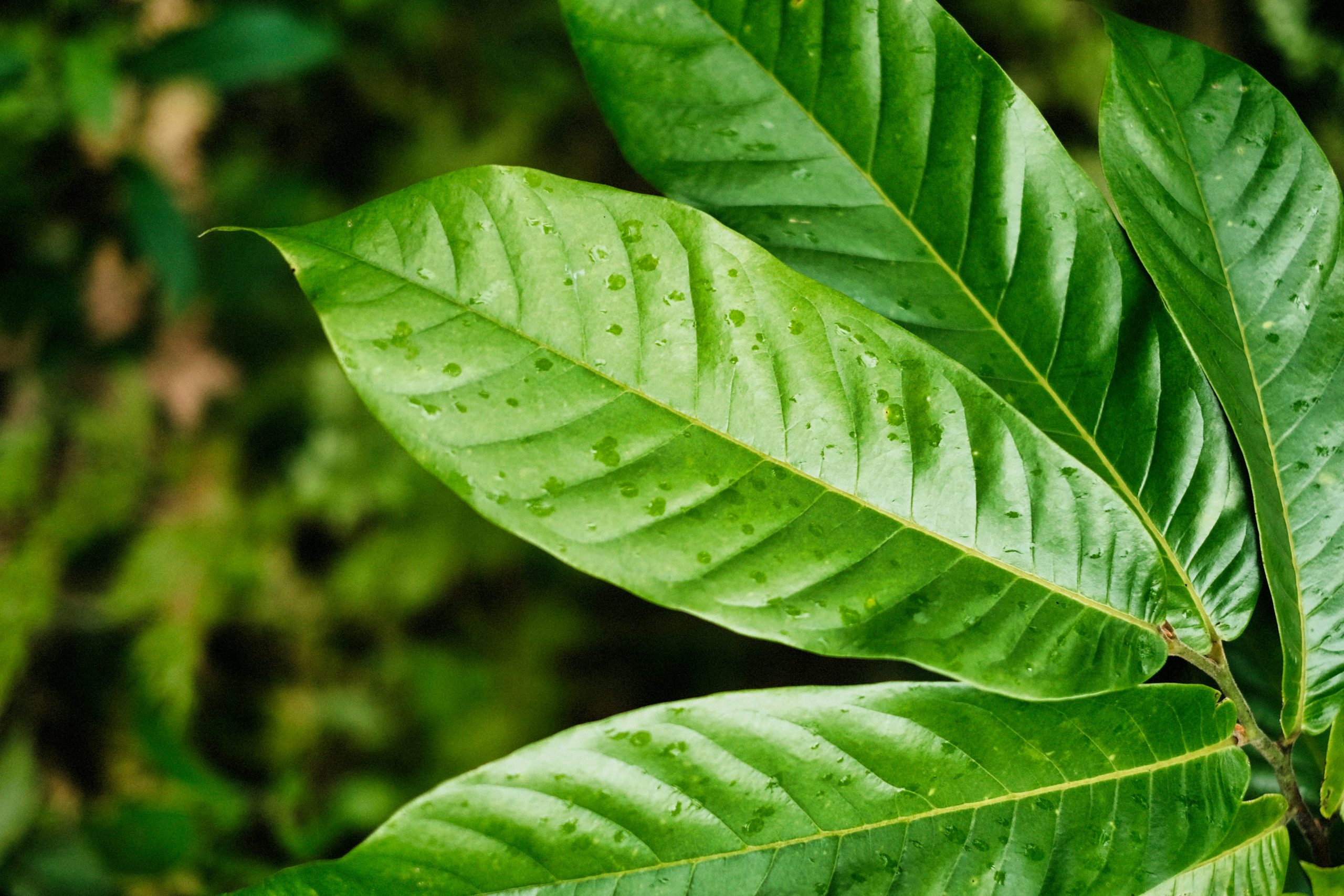
Soursop Leaves

Let me be honest: I’m a skeptic. When my aunt from the Caribbean handed me a bundle of wrinkled, dark green leaves and said, “Boil these. You’ll sleep like a baby and your back pain will vanish,” I smiled, nodded, and promptly shoved them into the back of my pantry.

Three months later, after a nasty bout of insomnia and a recurring knee ache from old running injuries, I got desperate. I dug out those leaves. They were soursop leaves (guanábana leaves, if you want to sound fancy).

Fast forward to today: I am that person. I have a dedicated pot for leaf tea. And after falling down a rabbit hole of research and personal testing, I’ve got 15 rock-solid reasons why you might want to join me.

Here is what happened when I started drinking soursop leaf tea—and the science-backed (and old-school wisdom) benefits that keep me brewing.

1. It Knocked Out My 2 AM Brain Spinning

I used to wake up at 2:47 AM like clockwork, worrying about emails. Soursop leaves have natural compounds that act on GABA receptors—basically, nature’s chill pill. I drink a cup an hour before bed now. No grogginess in the morning, just deep, dreamless sleep.

2. My Post-Workout Stiffness Vanished

I’m no gym rat, but I walk 10k steps a day. My knees would groan. Soursop leaves are packed with anti-inflammatory flavonoids (quercetin and tiliroside). It’s like ibuprofen from a tree, but without the stomach ache.

3. It Fixed My “Sugar Crash” Afternoons

You know that 3 PM slump where you want a nap and a cookie? Soursop leaf tea stabilizes blood sugar swings. Studies show it can inhibit certain enzymes that break down carbs into sugar too quickly. I don’t have science gear at home, but I do notice I don’t raid the vending machine anymore.

4. My Skin Stopped Throwing Tantrums

I had a random patch of eczema on my elbow for three years. Three weeks of drinking two cups a day? Gone. The leaves are antibacterial and antifungal. It’s like you’re disinfecting your blood from the inside out.

5. It’s a Rust-Oleum for Your Cells

Oxidative stress is just a fancy way of saying “your body is rusting.” Soursop leaves have more antioxidants than many berries. Think vitamin C, but on steroids. You feel… cleaner. Less bloated. Less achy.

6. My Digestion Actually Regulated Itself (TMI warning)

Let’s talk poo. Soursop leaves are a mild astringent and antimicrobial. If you have a gurgly, angry gut, this tea settles it down. It doesn’t act like laxatives; it just calms the whole GI tractor beam down.

7. I Stopped Getting the “Office Plague”

My coworker came in sneezing. I usually catch everything. Not this time. Soursop leaves have antiviral properties. In tropical medicine, they’ve been used for centuries to nip fevers in the bud. I drink it at the first tickle of a sore throat now.

8. Lower Back Pain? What Lower Back Pain?

This is a big one. Because soursop reduces uric acid in the blood, it’s a secret weapon for joint and lower back stiffness. My husband tried it for his gouty toe. He’s a convert.

9. It Gave Me “Stress Armor”

Cortisol is the enemy. The acetogenins in soursop leaves don’t just fight inflammation; they modulate your stress response. I’ve noticed that when traffic makes me want to scream, I just… don’t react as badly.

10. My Hair Stopped Falling Out in the Shower

I have thin, fine hair. Stress + bad diet = clumps in the drain. Soursop leaves are rich in iron and B-vitamins. It takes about a month to see it, but my part looks tighter and my brush is less scary.

11. It Kicked a Stubborn Yeast Issue

Again, maybe TMI, but if you struggle with candida or recurring fungal skin issues, wash the affected area with cooled soursop tea or drink it. The annonaceous acetogenins are potent antifungals. Way gentler than prescription creams.

12. My Blood Pressure Reading Dropped 10 Points

I’m not a doctor, but I track my BP. Soursop leaves are a natural vasodilator—they widen your blood vessels. If you eat a lot of salty takeout, this tea is your apology letter to your heart.

13. I Stopped Snoring (Seriously)

This surprised me. Because the leaves reduce inflammation in the nasal passages and throat, my mild sleep apnea/snoring issue improved significantly. My partner noticed before I did.

14. Mental Fog Lifted

I write for a living. Some days, the words are stuck in mud. Soursop leaves increase blood flow to the brain (thanks to the potassium and magnesium). I brew a cold brew version in the summer for afternoons when I need clarity without coffee jitters.

15. It Taught Me to Slow Down

This isn’t a chemical benefit, but a human one. You cannot microwave soursop tea. You have to wash the leaves, boil the water, let it steep for 20 minutes, and sit down to drink it. That ritual alone—the forced pause—might be the best benefit of all.


A Real Talk Warning (Don’t Skip This)

I love this stuff, but I’m not crazy. Soursop leaves contain annonacin. In extremely high, concentrated doses (like taking pills for years), it has been linked to Parkinson-like symptoms in studies from Guadeloupe.

Here’s the reality check: You’d have to drink a swimming pool of the tea every day for a decade to hit those levels. But do this:

  • Don’t take soursop extract pills. Stick to the raw leaves brewed as tea.

  • Don’t drink it if you are pregnant or nursing.

  • Don’t drink it if you take blood pressure medication (it can amplify the effect too much).

  • Do take a 2-day break every week to let your body reset.

How I Make It (The Non-Pretentious Way)

Take 5-6 dried leaves (or 3 fresh ones). Rinse them. Tear them roughly. Boil in 3 cups of water for 15 minutes. Turn off the heat. Steep for another 10. Strain. It tastes like… earthy green tea mixed with hay and a hint of citrus. It’s not sweet. It’s medicinal. Add a tiny dab of honey if you need to.

Bottom Line

I don’t think soursop leaves will cure cancer (ignore the wild internet claims). I do think they are one of the most underrated, affordable, and effective daily tonics on the planet.

My aunt was right. I sleep better. I hurt less. And my pantry now has a permanent spot for those funny looking leaves.

Want to try it? Buy organic dried leaves online or find a local Caribbean/Latin market. Your body will thank you in about two weeks.


Disclaimer: I am a person who drinks tea, not a doctor. This is my experience and general research. Talk to your GP before starting any new herbal regimen, especially if you have a medical condition.


Popular Posts:

Family Stress

How to Handle Family Stress: 7 Gentle Ways to Keep Your Peace

Let’s be real for a second. You love your family. You’d show up for them at 2 a.m. if they called. But some days? Some days, just hearing a certain voice clear their throat or the sound of the fridge door opening a certain way can send your nervous system into a tailspin. That’s not because you’re a bad person. It’s because you’re a human being with history, patterns, and a limited supply of emotional energy. Family stress is weird. It doesn’t hit like work stress or friend drama. It hits you right in the soft, raw places—the ones you thought you’d healed five years ago. And suddenly you’re thirteen again, hiding in the bathroom with your phone, just trying to breathe. If that’s where you are today, pull up a chair. Let’s walk through this gently. 1. Name the invisible weight Here’s the first thing nobody tells you: most family stress isn’t about the actual argument. It’s about the anticipation of the argument. You’re not stressed because your mom asked about your job. You’re stressed because last time she asked, it turned into a twenty-minute lecture about your life choices. You’re not angry about the dirty dishes. You’re exhausted because the dishes have always been a symbol of who does more, who cares less, who never listens. Try this: next time the tension starts rising, ask yourself quietly: “What is this really about—the thing happening now, or the ten times it happened before?” Just naming that can unhook you from the spiral. 2. You are not the family thermostat Growing up, many of us learned to be emotional thermostats. We sensed the temperature in the room—angry, cold, tense, fragile—and we adjusted ourselves to fix it. Quiet down. Crack a joke. Disappear. Perform happiness. But here’s the truth you’re allowed to borrow: You are not responsible for everyone else’s emotional weather. If Dad is in a mood, that’s his weather system. If your sister is snapping at everyone, that’s her storm to sit with. You can hand someone an umbrella. You don’t have to stand in the rain with them and pretend you’re dry. Repeat after me (silently, or out loud—no judgment): “I can care without carrying. I can love without losing myself.” 3. The magic of the “five-minute bathroom break” (and other tiny escapes) We talk about self-care like it needs to be yoga retreats and journaling by candlelight. But family stress self-care is often much smaller—and much sneakier. Some real-life, low-guilt escapes: The bathroom excuse. No one questions it. Five deep breaths. Splash cold water on your wrists. Look at yourself in the mirror and whisper: “This will pass.” The sudden need to check on something outside. The laundry. The mail. A “work call.” Any excuse to step into fresh air for two minutes. The earbud trick. Even if nothing is playing. It sends a quiet signal: “I’m here, but I’m also protecting my peace right now.” These aren’t cowardly. These are strategic compassion for yourself. 4. Learn to say the boring, loving sentence We think setting boundaries needs to be dramatic. “I won’t tolerate this anymore!” But in real family life, the most powerful sentences are almost embarrassingly boring. Try these on for size: “I can’t talk about this right now. I love you, but I need a pause.” “I hear you. I need some time to think before I respond.” “That might be true for you. It’s not true for me.” The magic is in the calm. You don’t need to win. You just need to not lose yourself. And here’s the secret: the first time you say something like that, your family might get weird about it. Let them. You’re not being mean—you’re being new. New takes practice. 5. Remember the “two things can be true” rule This one saved me, honestly. Family stress often feels like a tug-of-war: either they’re right and you’re wrong, or you’re right and they’re wrong. But what if both things live together? You can love your parents and feel hurt by something they said. You can be grateful for your family and need distance from them. You can set a boundary and still have a kind heart. When you hold both truths at once, the pressure drops. You stop fighting reality. And suddenly, you’re not trying to change them. You’re just deciding what you need to do next. 6. Make a “later list” for your big feelings Here’s a weird trick that works. When family tension is high, your brain wants to explode right there at the dinner table. But you know from experience that exploding usually makes things worse. So keep a private “later list”—in your phone notes, a scrap of paper, wherever. Write down: “I’ll feel angry about this later.” “I’ll cry about this in the car.” “I’ll call my friend and rant about this tomorrow.” You’re not suppressing your feelings. You’re giving them an appointment. And when you know they have a time and place to be heard, the emergency red alert in your chest starts to fade. 7. Let some things be “not your problem” (even if they feel like your problem) This is the hardest one, especially if you’re the family “fixer” or the peacekeeper. But here’s a question worth asking: If I stopped trying to manage this situation, what’s the worst that would happen? Often, the answer is: people would be uncomfortable. And that’s okay. Discomfort never killed anyone. It just feels awful. You don’t have to solve Mom’s loneliness. You don’t have to make your brother see your point of view. You don’t have to create a perfect holiday where no one fights. You just have to show up as a kind, honest, slightly imperfect version of you. And then let everyone else be responsible for themselves. A final gentle thought Family stress isn’t a sign that your family is broken. It’s a sign that you’re real people with real feelings, rubbing up against each other’s sharp edges and soft spots. The goal isn’t to eliminate the stress completely. That’s not possible unless you move to a deserted island and live alone

Natural Life

Natural Life Isn’t Perfect — And That’s Exactly Why You Need It

 The Day the Wi-Fi Went Out and I Remembered How to Breathe Last Tuesday, something terrifying happened. My router died. No blinking blue light, no signal, no escape. For ten minutes, I sat there like a goldfish whose bowl had suddenly evaporated. Then, out of sheer boredom, I walked outside. That’s when the real world hit me—literally. A pinecone bounced off my shoulder. The Unscripted Hour I didn’t plan to “connect with nature.” I wasn’t wearing beige linen pants or holding a mug of adaptogenic tea and in yesterday’s sweatpants, hair looking like a startled scarecrow, standing in my own patchy backyard. And for the first time in months, I heard things. Not notifications. Actual things. A crow was arguing with a squirrel over a piece of bagel. The wind wasn’t just “wind”—it was playing a low, rumbling chord through the gutters. A single ant carried a crumb three times its size up a blade of grass, fell, got up, and carried on like nothing happened. No motivational quote needed. That ant had more grit than my entire morning email thread. What “Natural Life” Actually Means We’ve turned “natural living” into a shopping list. Bamboo toothbrushes. mason jar salads. $90 yoga mats that smell like a tire fire. But that’s not nature. That’s just consumerism wearing a leaf costume. Real natural life is messier. It’s admitting you don’t know the name of that tree you’ve lived next to for seven years. It’s eating an apple outside and letting the juice run down your chin and realizing that dirt doesn’t kill you—in fact, a little bit of it might be the only thing keeping you sane. I’m not telling you to quit your job and build a cob house in the woods (unless you have the savings and really love spiders). I’m saying that “natural” doesn’t mean perfect. It means unpolished. It means letting your skin feel the cold without rushing back inside. Watching a sunset until your neck hurts, just because it’s there. Small, Weird Experiments Since the router incident, I’ve tried things. Not big things. Weird things. Eating one meal in silence. No podcast. No scroll. Just chewing. You hear things. Your own crunching is alarmingly loud. Watching the sky change. Not for a photo. For me. The sky doesn’t care about your Instagram grid. Letting boredom win. When I have nothing to do, I don’t reach for my phone. I just… sit. It feels like dying for the first three minutes. Then it feels like remembering. The Honest Truth Natural life isn’t always peaceful. Mosquitoes exist. Rain ruins your plans. Your back hurts after gardening. But the alternative—moving from screen to screen, room to room, distraction to distraction—isn’t exactly comfortable either. It’s just numbing. And there’s a difference between comfort and anesthesia. So no, I haven’t become a forest guru. I still love trashy reality TV and frozen pizza. But now, when the Wi-Fi goes out, I don’t panic. I just step outside, let the pinecones fall where they may, and remember that I’m not a user scrolling through a feed. I’m just a slightly sweaty mammal, standing under a very old sky, watching an ant win its daily war against the universe. And honestly? That’s enough.

skin lesions

What Your Skin Lesions Are Trying to Tell You: Doctor’s Perspective

The Language of the Dermis : Why Your Skin Lesions Are Never ‘Just a Rash’ By: (Clinical Dermatology) I tell my residents this on their first day: the skin is never silent. It doesn’t know how to be. When a patient walks into my examination room and points to a spot on their forearm, they are usually asking one of two questions: “Is this dangerous?” or “How do I make it go away?” But as the clinician, I’m asking a third question: “What is the skin trying to say?” We call them “lesions.” The word sounds cold on purpose. In medical shorthand, a lesion is simply any area of skin that has changed its architecture from the baseline state. But in practice, these are living texts. The trick is learning to read the dialect. The Geometry of Pathology Most people are surprised to learn that we don’t diagnose skin lesions by their color alone. Color lies. A cherry angioma—that bright red, domed bump your grandmother called a “blood spot”—looks aggressive but is wholly benign. Conversely, an early amelanotic melanoma can present as a pearly, pink patch that looks identical to a scar or a bug bite. We diagnose by pattern recognition. It is an ancient, imperfect art. Take the keratinocyte, for instance. It is the brick of your epidermal wall. When these bricks multiply too slowly, you get a seborrheic keratosis—those waxy, stuck-on-looking plaques that seem to appear on the torso after forty. Patients hate them because they feel foreign. But I love them, because they are the skin’s version of a gray hair: annoying, but harmless. When those bricks multiply with a chaotic, nuclear fury? That’s squamous cell carcinoma. The difference between the two is not visible to the naked eye; it lives in the disorder. One is a crowd; the other is a riot. The Inflammatory Paradox Then there are the non-growths. The inflammatory lesions. Psoriasis, eczema, lichen planus. Here is a truth that doesn’t make it into the glossy brochures: Inflammation is a controlled burn. When you see a plaque of psoriasis—silvery scales on a red, weeping bed—you are watching the immune system turn its artillery on itself. The skin cell cycle drops from 28 days to 3. The body is producing a barrier so fast that the cells forget to lose their nuclei. Patients ask for creams to “calm it down.” But we can’t just calm it. We have to redirect the traffic jam of T-cells that has decided the elbow and the scalp are enemy territory. The Three-Second Triage In a busy clinic, I have about three seconds to categorize a lesion before I reach for my dermatoscope. I am looking for the “Ugly Duckling” sign. Among all the moles, freckles, and keratoses on your body, does this one look like it doesn’t belong? Most melanomas are not born bad. They start as a perfectly respectable mole—round, even, brown. Then, over months or years, a single cell mutates. The border gets scalloped. The color becomes a muddy mix of jet black and ghost white. The patient swears it’s been there forever. But the serial photographs we took three years ago say otherwise. That is why I am obsessive about baseline total-body photography. Memory is a liar. The camera is not. When to Stop Worrying Let me save you some anxiety. If a lesion hurts, bleeds when you scratch it, or grows to the size of a pencil eraser in a month—show me. But if a lesion has been exactly the same shape, color, and size for ten years, the odds of it suddenly turning malignant are astronomically low. Also, stop picking. I beg you. That crusty actinic keratosis on your cheek? It wasn’t cancerous until you dug a crater into it, inducing a chronic wound healing response that can actually accelerate dysplasia. The skin is a forgiving organ, but it holds a grudge. The Final Takeaway I have been doing this long enough to know that the most dangerous lesion is the one you don’t see. The one on your back, behind your ear, between your toes. Skin lesions are a conversation between your genetics (the DNA you inherited) and your environment (every sunburn you forgot). Listen to your dermis. Not with fear, but with curiosity. When you find a new spot, don’t Google it. Google will tell you it is either a pimple or a death sentence. There is no in-between on the internet. Look at it. Touch it. Trace its edges. And then ask yourself: Is this the same as it was six months ago? If the answer is “no,” my door is open. We’ll read the language together. Disclaimer: This blog is for educational purposes and does not constitute medical advice. Always consult a board-certified dermatologist for personal skin concerns.

men's mental health month

Men’s Mental Health Month: Why Strong Men Struggle Alone

It’s Not Weak to Speak: Why Men’s Mental Health Month Hits Different This Year Let me be honest with you for a second. Growing up, I learned the rules early. Don’t cry. Don’t complain. Fix it yourself. Be the rock. And whatever you do — don’t let anyone see you falling apart. Sound familiar? That’s the silent contract so many of us signed before we even understood what mental health was. And that’s exactly why Men’s Mental Health Month exists. Not as another awareness sticker on a calendar. But as a quiet, desperate invitation to finally put the armor down. The Numbers That Keep Me Up at Night I could throw statistics at you. And yeah, they matter. Men die by suicide at nearly 4 times the rate of women in the U.S. 1 in 10 men experience depression or anxiety — but less than half seek help. The biggest killer of men under 45 in the UK? Not car accidents or cancer. Suicide. But numbers don’t shake us like stories do. What shakes me is thinking about my own dad, my uncles, my close friends — all of them carrying invisible boulders, smiling in group photos, and then lying awake at 2 a.m. feeling completely alone. Why So Many of Us Stay Silent Here’s the raw truth: We’ve been trained to confuse vulnerability with weakness. You say “I’m struggling,” and a little voice in your head whispers: “Real men handle things.” We think about therapy, and another voice chimes in: “That’s for people who can’t manage their own lives.” You feel like crying, but you swallow it. Again. And again. Until one day, you don’t even remember what it feels like to let go. That’s not strength. That’s emotional starvation. And it’s quietly killing us — not all at once, but slowly, from the inside. What Actually Helps (From Someone Who’s Been There) I’m not a therapist. Just a guy who’s had his own dark seasons. Here’s what I’ve learned — the real, unfiltered stuff that actually works: 1. Start stupid small. Don’t try to pour your heart out in a deep conversation on day one. Just say “I’ve been having a rough time lately” to one person. That’s it. That tiny crack of honesty is how the light gets in. 2. Redefine strength. What if strength wasn’t suffering in silence — but having the guts to say “I need help”? To me, that takes more courage than pretending you’re fine ever did. 3. Find guy-friendly spaces to talk. Some men won’t open up in a living room with eye contact. But they will while walking side-by-side on a hike. Or driving in a truck. Or playing catch. Don’t force the “therapy pose.” Just be present together. 4. Let anger be a signal, not a solution. So many of us express depression as irritability. Short fuse. Snapping at the people we love. If you feel angry more than sad — that’s still pain. Just wearing a different mask. 5. Try one small action this week. Text one friend: “Hey, no pressure to reply, but I’ve been struggling. Just wanted someone to know.” Or Google a therapist near you — just to see what’s there. Or sit in your car for 5 minutes and actually ask yourself: “How am I really doing?” To the Man Reading This I don’t know your story. Maybe you’re fine. Maybe you’re barely hanging on. But if there’s even a small part of you that’s exhausted from pretending — please hear this: You don’t have to earn the right to feel bad. You don’t have to wait until you’re in crisis to matter. And needing support doesn’t make you broken. It makes you human. This June, don’t just wear a ribbon. Say something small. Check on your quiet friend. And if you’re the one in pain — let someone check on you. Because the strongest thing a man can do? Stop pretending he’s made of stone. If you or someone you know is struggling, reach out. Call or text 988 (in the US) or your local crisis line. No judgment. Just help.

Share:

Send Us A Message