
Let me be real with you.
I’ve been in pharma for over 13 years. I’ve seen cancer from the inside — the drugs, the trials, the patients. And the one thing that surprised me most?
Most cancers are preventable.
Not all — but most. Research shows that up to 40-50% of cancers could be prevented with lifestyle changes. Half. That’s not a small number.
Here are 5 changes that can make the biggest difference.
1. Quit Smoking (Or Better — Never Start)
I know — you’ve heard this a million times. But it’s the single most important thing you can do.
Why it matters: Smoking causes over 20 types of cancer — lung, mouth, throat, bladder, kidney, and more.
Every cigarette introduces carcinogens into your body. Over time, they damage your DNA.
What to do: Quit. Today. Talk to your doctor, use patches, gum, or medication. It’s hard — but it’s worth it.
Reference: American Cancer Society. “Tobacco and Cancer.” 2025.
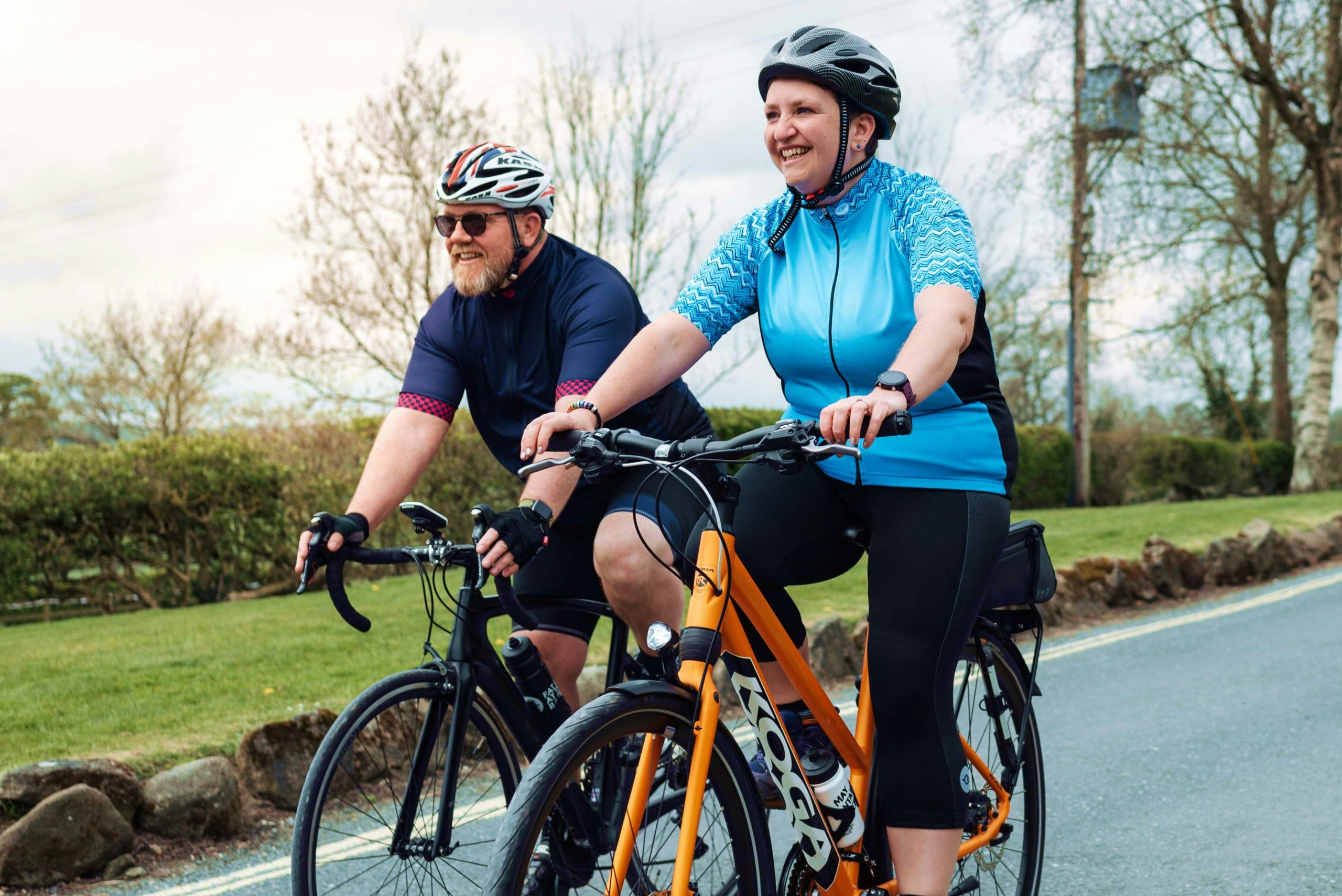
2. Move Your Body (Even a Little)
You don’t need to run a marathon. You just need to move.
Why it matters: Physical activity reduces the risk of colon, breast, endometrial, and lung cancer.
Exercise does three things — lowers inflammation, helps you maintain a healthy weight, and boosts your immune system.
What to do: Aim for 150 minutes of moderate exercise per week — that’s 30 minutes, 5 days a week.
Reference: World Health Organization (WHO). “Physical Activity and Cancer.” 2025.
3. Eat Real Food (Not Processed)
I’m not talking about a strict diet. I’m talking about real food.
Why it matters: Ultra-processed foods are linked to increased cancer risk — especially colorectal and stomach cancer.
What to do: Focus on eating more vegetables, fruits, whole grains, and lean proteins. Limit red meat and processed meats.
Cut back on sugary drinks, packaged snacks, and fast food.
Reference: American Institute for Cancer Research (AICR). “Diet and Cancer.” 2025.
4. Maintain a Healthy Weight
Obesity is linked to at least 13 types of cancer.
Why it matters: Excess fat tissue produces hormones and inflammatory substances that can promote cancer growth.
What to do: If you’re overweight, even losing 5-10% of your body weight can reduce your risk.
Reference: National Cancer Institute. “Obesity and Cancer.” 2025.
5. Limit Alcohol
This one is often overlooked.
Why it matters: Alcohol increases the risk of mouth, throat, liver, colon, and breast cancer.
What to do: Limit to 1 drink per day for women, 2 for men. Or better — avoid it altogether.
Reference: International Agency for Research on Cancer (IARC). “Alcohol and Cancer.” 2025.
Quick Summary — Your 5-Step Cancer Prevention Plan
| Change | Action |
|---|---|
| Quit smoking | Stop today. Talk to your doctor. |
| Move your body | 30 minutes, 5 days a week. |
| Eat real food | More vegetables, less processed. |
| Maintain healthy weight | Lose 5-10% if overweight. |
| Limit alcohol | 1 drink/day (women), 2 (men). |
The Bottom Line
You can’t control everything. But you can control these 5 things.
How much difference does it make?
-
Up to 50% of cancers are preventable.
-
These changes not only reduce cancer risk — they also lower heart disease, diabetes, and dementia risk.
What you can do today:
-
Start small — pick one thing
-
Walk after dinner
-
Replace processed snacks with fruit
-
Quit smoking
Your future self will thank you.
You may also like:
📖 Why Are Young Adults Getting Cancer?
📖 Colorectal Cancer in Young Adults: Signs You Shouldn’t Ignore
📖 New US Bill Targets Rising Cancer Rates in Young People
Written by Altaf Khan | MSc Chemistry, MBA, QC Manager | Medical Bluff
References
-
American Cancer Society. “Tobacco and Cancer.” 2025.
-
World Health Organization (WHO). “Physical Activity and Cancer.” 2025.
-
American Institute for Cancer Research (AICR). “Diet and Cancer.” 2025.
-
National Cancer Institute. “Obesity and Cancer.” 2025.
-
International Agency for Research on Cancer (IARC). “Alcohol and Cancer.” 2025.