

Aspirin 81 mg: Uses, Benefits, Side Effects, and Safety
If you have ever been told, “Take one baby aspirin every day for your heart,” you may have wondered whether that advice still applies today.
The short answer is: not necessarily.
Aspirin 81 mg can be very useful for some people, especially those with certain types of established cardiovascular disease. But it can also cause serious bleeding. For people who have never had a heart attack or stroke, taking aspirin every day is no longer something doctors routinely recommend for everyone.
So before you start taking aspirin 81 mg—or decide to stop taking it—there is one thing worth understanding:
Why are you taking it in the first place?
That question makes a big difference.
As a Pharmaceutical Quality Control Manager, I look at medicines from a quality, composition, dosage, and safety perspective every day. But when it comes to aspirin, I also want to explain the medical side in plain language.
You don’t need to know pharmacology to understand whether aspirin is appropriate for you.
You just need to know what it does, where it helps, where it can hurt, and why the advice is different for different people.
Affiliate Disclosure: Some links in this article are affiliate links. As an Amazon Associate I earn from qualifying purchases.
Quick Answer: What Is Aspirin 81 mg?
Aspirin 81 mg is a low-dose form of aspirin (acetylsalicylic acid).
It is commonly called “baby aspirin” in the United States, although that name is misleading. It does not mean the medicine is intended for babies.
Aspirin affects platelets—the blood cells that help form clots. By making platelets less likely to stick together, aspirin can reduce the chance of certain harmful clots forming inside arteries.
That can be helpful in people with cardiovascular disease.
But there is another side to the story.
The same effect that makes clotting less likely can also make bleeding harder to stop.
That is why aspirin 81 mg is not a harmless daily supplement.
Aspirin 81 mg at a Glance
| Question | What you should know |
|---|---|
| What is it? | Aspirin containing 81 mg of acetylsalicylic acid |
| What does it do? | Reduces platelet activation and aggregation |
| Why is it used? | Often for cardiovascular prevention in selected patients |
| What is “baby aspirin”? | A common name for low-dose aspirin, usually 81 mg in the U.S. |
| Should everyone take it daily? | No |
| Main concern | Bleeding, including gastrointestinal and intracranial bleeding |
| Can I stop prescribed aspirin? | Not without discussing it with your healthcare professional |
Current guidance is much more selective about starting aspirin for primary prevention than older recommendations were. The USPSTF says the decision may be individualized for certain adults aged 40–59 years with a 10% or greater 10-year cardiovascular risk, while it recommends against initiating aspirin for primary prevention in adults aged 60 years or older.
What Is Aspirin 81 mg Used For?
This is probably the question most people have.
And the honest answer is:
It depends on the person.
Aspirin 81 mg is mainly important because it can reduce platelet-related clotting.
If you already have cardiovascular disease
Aspirin may be part of treatment for people with established atherosclerotic cardiovascular disease.
For example, a doctor may recommend antiplatelet treatment for certain patients who have:
- had a heart attack
- had an ischemic stroke or TIA
- established coronary artery disease
- undergone coronary stent placement
- undergone certain types of bypass surgery
- peripheral artery disease
The exact treatment is not the same for everyone.
Some patients may need aspirin alone. Others may need another antiplatelet medicine, anticoagulant therapy, or a combination for a specific period.
The 2026 ACC Scientific Statement continues to emphasize that antiplatelet treatment should be matched to the patient’s ischemic and bleeding risks.
Aspirin 81 mg is mainly important because it can reduce platelet-related clotting.
Aspirin for What? Exploring the Uses, Benefits & Risks
If you have never had a heart attack or stroke
This is where things get more complicated.
Taking aspirin just because you are getting older is not a good reason to start it.
For primary prevention, doctors now look at your cardiovascular risk, age, bleeding risk, and other preventive treatments before deciding whether aspirin makes sense.
For a better explanation of the difference between two serious cardiovascular emergencies, see our Cardiac Arrest vs Heart Attack guide.
Primary Prevention vs Secondary Prevention
These two terms sound complicated, but the idea is actually simple.
Primary prevention
You are trying to prevent your first heart attack or stroke.
You have not already had cardiovascular disease.
In this situation, aspirin is not routinely recommended for everyone.
For adults 40–59 with a sufficiently high cardiovascular risk, the USPSTF says the decision to start low-dose aspirin should be an individual one because the overall net benefit is small. For adults 60 and older, the USPSTF recommends against starting aspirin for primary prevention.
The 2026 ACC statement similarly says routine aspirin use for primary prevention is not supported in unselected populations. It says low-dose aspirin may be considered in selected adults with higher cardiovascular risk and without increased bleeding risk.
Secondary prevention
You already have cardiovascular disease or have experienced a cardiovascular event.
Here, aspirin can play a much more important role.
For example, aspirin may be part of long-term antiplatelet treatment after certain coronary events or procedures. The exact treatment depends on the clinical situation.
This is why two people of the same age can receive completely different advice about aspirin.
One person may benefit substantially.
Another may get very little cardiovascular benefit while taking on unnecessary bleeding risk.
How Does Aspirin 81 mg Work?
Aspirin is an antiplatelet medicine.
Think of platelets as tiny repair workers in your bloodstream.
When a blood vessel is damaged, platelets become activated and help form a plug. That is normally a good thing.
The problem comes when platelets contribute to an unwanted clot inside an artery.
Aspirin interferes with platelet activation by irreversibly inhibiting platelet COX-1. This reduces the formation of thromboxane A₂, a substance that promotes platelet activation and aggregation.
You may hear aspirin called a “blood thinner.”
People understand what that means, but technically aspirin does not thin your blood.
It changes how platelets behave.
That distinction becomes important when comparing aspirin with medicines such as warfarin or apixaban, which are anticoagulants.
Why Can Aspirin Help the Heart?
Imagine an artery that has atherosclerotic plaque.
When a plaque ruptures, platelets can become activated and help form a clot. If that clot blocks blood flow to the heart, a heart attack can occur.
A clot that blocks blood flow to part of the brain can cause an ischemic stroke.
By reducing platelet aggregation, aspirin can lower the chance of certain arterial clotting events.
But there is no free lunch here.
The body uses platelets for a reason.
If you cut yourself, for example, you want your blood to clot.
Aspirin makes that process less efficient.
That is why benefit and bleeding risk have to be considered together.
Aspirin 81 mg Benefits: Who Is Most Likely to Benefit?
The strongest reason to take aspirin is usually not simply age.
It is the presence of a medical reason for antiplatelet therapy.
For people with established atherosclerotic cardiovascular disease, antiplatelet therapy can reduce the risk of future cardiovascular events. The 2026 ACC statement continues to describe aspirin as a major antiplatelet option in secondary prevention, while emphasizing individualized treatment.
For primary prevention, however, the benefit is much smaller.
That is why modern guidelines have moved away from the old idea that almost everyone should take a baby aspirin every day.
Aspirin 81 mg Side Effects
Aspirin is an old and familiar medicine.
That does not mean it is risk-free.
The most important adverse effect to understand is bleeding.
Possible problems include:
- stomach irritation
- easy bruising
- nosebleeds
- gastrointestinal bleeding
- allergic reactions
- worsening of an existing ulcer
- bleeding in the brain, although this is less common
Current aspirin labeling warns that serious stomach bleeding is more likely in people with factors such as previous ulcers or bleeding, older age, use of anticoagulants or steroids, use of other NSAIDs, and regular heavy alcohol consumption.
Why does aspirin increase bleeding?
It comes back to the same mechanism we discussed above.
Aspirin makes platelets less likely to stick together.
That can help prevent an unwanted arterial clot.
But when bleeding occurs, platelets are also part of the body’s natural repair system.
So the medicine can help in one situation and create a problem in another.
Who Should Be Careful With Aspirin 81 mg?
Before taking aspirin regularly, talk with a healthcare professional if you have:
- a previous stomach ulcer
- previous gastrointestinal bleeding
- a bleeding disorder
- uncontrolled high blood pressure
- kidney disease
- liver disease
- aspirin or NSAID allergy
- asthma triggered by aspirin or other NSAIDs
- recent or planned surgery
- pregnancy or plans for pregnancy
- use of anticoagulants
- use of other NSAIDs
- regular heavy alcohol consumption
This is not a complete list.
Your doctor or pharmacist should know about your prescription medicines, over-the-counter medicines, vitamins, supplements, and herbal products.
The FDA specifically warns that daily aspirin can cause serious bleeding and should not be started for cardiovascular prevention without considering the individual benefits and risks.
Aspirin 81 mg and Ibuprofen: Be Careful
This is one interaction worth remembering.
If you take aspirin for cardiovascular protection and also use ibuprofen for pain, the two medicines can interact.
The FDA has warned that ibuprofen can interfere with aspirin’s antiplatelet effect in some circumstances.
That does not mean everyone taking aspirin must avoid ibuprofen forever.
It means don’t guess about the combination.
Ask your doctor or pharmacist how to use them safely, especially if aspirin is being used to protect your heart.
Aspirin 81 mg and Other Blood-Thinning Medicines
Aspirin may sometimes be prescribed with another antiplatelet or anticoagulant.
In some patients, that combination is appropriate.
For others, it can create a dangerous bleeding risk.
Examples include medicines such as:
- clopidogrel
- warfarin
- apixaban
- rivaroxaban
- ticagrelor
all affect clotting in different ways.
So please don’t think:
“A little extra aspirin can’t hurt.”
It can.
If you already take one of these medicines, speak with your healthcare professional before adding aspirin.
The 2026 ACC statement specifically emphasizes balancing ischemic risk against bleeding risk when antithrombotic medicines are combined.
What Is Baby Aspirin 81 mg?
“Baby aspirin” is simply a common nickname for low-dose aspirin.
In the United States, 81 mg is the dose most commonly associated with this term.
But please don’t interpret the word “baby” literally.
It is not a medicine for babies.
Aspirin should not be casually given to children or teenagers, particularly those who have or are recovering from chickenpox or flu-like illnesses, because of the risk of Reye’s syndrome. Current product labeling carries this warning.
Aspirin 81 mg Chewable vs Enteric-Coated
You may see aspirin 81 mg sold as:
- chewable tablets
- regular tablets
- enteric-coated or delayed-release tablets
These formulations are not identical.
An enteric-coated tablet is designed to delay release until it passes through the stomach. That does not mean it eliminates the risk of gastrointestinal bleeding.
It also matters in emergency situations because delayed-release aspirin is not designed to provide rapid absorption.
So don’t assume that all 81 mg aspirin tablets can be used in exactly the same way.
Follow the product label or your healthcare professional’s instructions.
Current DailyMed labeling confirms that 81 mg delayed-release aspirin products are available and that delayed-release formulations have different timing characteristics.
What About Bayer Aspirin 81 mg?
Bayer is one of the familiar brand names associated with low-dose aspirin.
But when you’re standing in a pharmacy looking at several boxes, don’t focus only on the brand.
Look at:
Active ingredient → aspirin
Strength → 81 mg
Dosage form → chewable, regular, enteric-coated, etc.
The brand name can change.
The active ingredient and formulation are what matter for understanding the medicine.
How to Take Aspirin 81 mg Safely
If your doctor has recommended aspirin 81 mg, follow the instructions you were given.
A few simple habits can make things easier.
Take it consistently
If you have been told to take aspirin every day, taking it around the same time can help you remember.
Don’t take extra tablets to make up for a missed dose
If you forget a dose, check your product or prescription instructions, or ask your pharmacist what to do.
Do not double the next dose just because you missed one.
Don’t crush an enteric-coated tablet unless instructed
If your tablet is delayed-release or enteric-coated, follow the product directions.
Tell your healthcare team that you take aspirin
This includes your dentist.
It matters before surgery, dental procedures, and some other treatments.
Don’t stop prescribed aspirin casually
This one is especially important.
If aspirin was prescribed after a heart attack, coronary stent, stroke, or another cardiovascular condition, don’t stop it just because you feel fine.
The medicine may be preventing a problem you cannot feel.
Talk to the clinician who prescribed it first.
What If You Miss a Dose?
If you forget your aspirin, don’t panic.
The safest next step depends on your prescription and the formulation you’re taking.
Check the label or ask your pharmacist.
And don’t take two tablets together simply to catch up unless a healthcare professional specifically tells you to do so.
If you’re forgetting your medicine frequently, that’s also worth discussing. Sometimes a small change in your routine can make daily medicines much easier to remember.
When Is Aspirin Bleeding an Emergency?
A little bruising can happen.
But some symptoms should never be brushed off.
Seek urgent medical attention if you have:
- black or tarry stools
- vomiting blood
- vomit that looks like coffee grounds
- coughing up blood
- heavy or unexplained bleeding
- fainting or severe dizziness
- a sudden severe headache
- sudden weakness or numbness on one side
- difficulty speaking
- sudden confusion or loss of coordination
And there is one especially important point:
Don’t automatically take aspirin when you think someone is having a stroke.
Not every stroke is caused by a blood clot.
A hemorrhagic stroke is caused by bleeding in the brain, and aspirin can make bleeding worse.
If someone suddenly develops facial drooping, arm weakness, speech difficulty, severe confusion, or another possible stroke symptom, call emergency services immediately.
For a better explanation of the difference between two serious cardiovascular emergencies, see our guide on [Cardiac Arrest vs Heart Attack].
Does Aspirin 81 mg Prevent Cancer?
You may still find older articles saying that daily aspirin helps prevent colorectal cancer.
This is one area where old information can be confusing.
The current USPSTF evidence assessment says it is unclear whether low-dose aspirin reduces colorectal cancer incidence or mortality. Therefore, cancer prevention should not be presented as a reason for someone to start taking aspirin on their own.
So if somebody tells you:
“Take baby aspirin every day because it prevents colon cancer.”
don’t treat that as a universal recommendation.
Talk with your healthcare professional about your actual cardiovascular and bleeding risks.
A Chemistry Note: What Does Aspirin Have to Do With Storage?
This is where my pharmaceutical quality-control side comes in.
Aspirin is acetylsalicylic acid.
Like other medicines, aspirin products need appropriate storage so they remain within their labeled quality specifications throughout their shelf life.
Aspirin can undergo hydrolysis, particularly under unfavorable conditions, producing salicylic acid and acetic acid.
That chemistry is real.
But there is an important difference between understanding the chemistry and trying to test your medicine at home.
You may have heard that a vinegar-like smell proves aspirin has degraded.
It is not a validated home test for potency.
In a pharmaceutical QC laboratory, we don’t decide whether a batch passes because someone smelled it.
We use validated analytical methods, approved specifications, system suitability requirements, and controlled procedures.
For your medicine cabinet, the practical advice is much simpler:
Follow the storage instructions on the label. Keep the product away from unsuitable heat and moisture, and don’t use medicine that is expired, damaged, contaminated, or otherwise questionable.
If you want to understand more about how pharmaceutical quality control works behind the scenes, you can read our Pharmaceutical Quality Control guide
Aspirin 81 mg vs Other “Blood Thinners”
People often put aspirin, warfarin, and apixaban into one big category called blood thinners.
They are not the same.
| Medicine | Main action | Examples of use |
|---|---|---|
| Aspirin | Antiplatelet | Selected cardiovascular conditions |
| Clopidogrel | Antiplatelet | Selected coronary and vascular conditions |
| Warfarin | Anticoagulant | Certain clotting conditions and mechanical heart valves |
| Apixaban | Anticoagulant | Atrial fibrillation and venous thromboembolism |
Aspirin is an antiplatelet drug, not simply a weaker version of an anticoagulant.
The choice depends on the condition being treated.
That’s why you should never swap one of these medicines for another on your own.
The Most Important Question: Should You Take Aspirin 81 mg Every Day?
If you have established cardiovascular disease, aspirin may be an important part of your treatment.
If you have never had cardiovascular disease, the answer is much less straightforward.
For primary prevention:
- Adults 40–59 years with a 10-year cardiovascular risk of at least 10% may discuss aspirin with their clinician; the expected net benefit is small.
- Adults 60 years and older should not start aspirin solely for primary prevention according to the USPSTF.
- People with increased bleeding risk generally should not start aspirin for primary prevention without a clear medical reason.
- The 2026 ACC statement emphasizes that even among higher-risk adults, aspirin should be considered only after balancing cardiovascular benefit against bleeding risk.
There is an important difference between starting aspirin and stopping aspirin that you already take.
Those are not the same decision.
If you have been taking prescribed aspirin for years, don’t read a guideline headline and suddenly stop. Ask your doctor why it was originally prescribed and whether the reason still applies.
Frequently Asked Questions
Is aspirin 81 mg the same as baby aspirin? + Usually, yes. “Baby aspirin” is a common name for low-dose aspirin, particularly 81 mg in the United States. It does not mean the product is intended for babies.
What is aspirin 81 mg used for? + It is an antiplatelet medicine used in selected cardiovascular situations. It can be particularly important for secondary prevention in people with established cardiovascular disease. In primary prevention, its use is much more selective.
Can I start aspirin 81 mg to prevent a heart attack? + Don’t start it automatically. Your cardiovascular risk and bleeding risk both matter. For primary prevention, current guidance recommends an individualized decision in selected adults rather than routine use.
What are the main aspirin 81 mg side effects? + The most important concern is bleeding. Stomach irritation, bruising, nosebleeds, allergic reactions, gastrointestinal bleeding, and, less commonly, intracranial bleeding can occur.
Can aspirin 81 mg cause stomach bleeding? + Yes. The risk is higher in people with previous ulcers or bleeding, older age, certain medicines, and other risk factors.
Can I take ibuprofen with aspirin 81 mg? + Sometimes, but don’t assume the combination is harmless. Ibuprofen can interfere with aspirin’s antiplatelet effect in some circumstances. Ask your healthcare professional about the safest approach.
Is Bayer aspirin 81 mg different from other aspirin? + Bayer is a brand. What matters medically is the active ingredient, strength, and formulation. Check the package to see whether the product is chewable, regular, or enteric-coated.
Is chewable aspirin 81 mg the same as enteric-coated aspirin? + They both contain aspirin, but they are different formulations and are not necessarily interchangeable for every situation. Follow the product label or your clinician’s instructions.
Should I stop aspirin before surgery? + Do not stop it on your own. Whether aspirin should be continued or temporarily stopped depends on why you take it and what procedure you are having.
Can children take aspirin 81 mg? + Children and teenagers should not be given aspirin casually. Product labeling warns about Reye’s syndrome in children and teenagers with or recovering from certain viral illnesses.
Can I stop aspirin if I feel healthy? + If it was prescribed for cardiovascular disease, don’t stop it without talking with your healthcare professional. Feeling well may simply mean the treatment is doing its job.
A Simple Way to Remember Aspirin 81 mg + If you remember only three things from this article, remember these:
1. Aspirin 81 mg is an antiplatelet medicine.
It can reduce harmful arterial clotting.
2. It can also cause serious bleeding.
So “low dose” does not mean “no risk.”
3. The reason you are taking it matters.
Someone recovering from a heart attack may have a very different risk-benefit balance from a healthy person who has never had cardiovascular disease.
The Bottom Line
Usually, yes. “Baby aspirin” is a common name for low-dose aspirin, particularly 81 mg in the United States. It does not mean the product is intended for babies.
It is an antiplatelet medicine used in selected cardiovascular situations. It can be particularly important for secondary prevention in people with established cardiovascular disease. In primary prevention, its use is much more selective.
Don’t start it automatically. Your cardiovascular risk and bleeding risk both matter. For primary prevention, current guidance recommends an individualized decision in selected adults rather than routine use.
The most important concern is bleeding. Stomach irritation, bruising, nosebleeds, allergic reactions, gastrointestinal bleeding, and, less commonly, intracranial bleeding can occur.
Yes. The risk is higher in people with previous ulcers or bleeding, older age, certain medicines, and other risk factors.
Sometimes, but don’t assume the combination is harmless. Ibuprofen can interfere with aspirin’s antiplatelet effect in some circumstances. Ask your healthcare professional about the safest approach.
Bayer is a brand. What matters medically is the active ingredient, strength, and formulation. Check the package to see whether the product is chewable, regular, or enteric-coated.
They both contain aspirin, but they are different formulations and are not necessarily interchangeable for every situation. Follow the product label or your clinician’s instructions.
Do not stop it on your own. Whether aspirin should be continued or temporarily stopped depends on why you take it and what procedure you are having.
Children and teenagers should not be given aspirin casually. Product labeling warns about Reye’s syndrome in children and teenagers with or recovering from certain viral illnesses.
If it was prescribed for cardiovascular disease, don’t stop it without talking with your healthcare professional. Feeling well may simply mean the treatment is doing its job.
If you remember only three things from this article, remember these:
1. Aspirin 81 mg is an antiplatelet medicine.
It can reduce harmful arterial clotting.
2. It can also cause serious bleeding.
So “low dose” does not mean “no risk.”
3. The reason you are taking it matters.
Someone recovering from a heart attack may have a very different risk-benefit balance from a healthy person who has never had cardiovascular disease.
Aspirin 81 mg can be an excellent medicine for the right patient—but it is not something everyone should start taking every morning.
If you’ve had a heart attack, certain types of stroke, coronary artery disease, or a coronary procedure, aspirin may be an important part of your treatment.
If you’ve never had cardiovascular disease and you’re thinking about taking aspirin simply because you’ve heard it’s “good for the heart,” talk with a healthcare professional first.
The real question isn’t:
“Is aspirin good or bad?”
It’s:
“Is aspirin’s expected benefit greater than its bleeding risk for me?”
That is a much better question.
And if you are already taking prescribed aspirin, don’t stop it just because recommendations for starting aspirin have changed. Starting aspirin and stopping an established treatment are two different decisions.
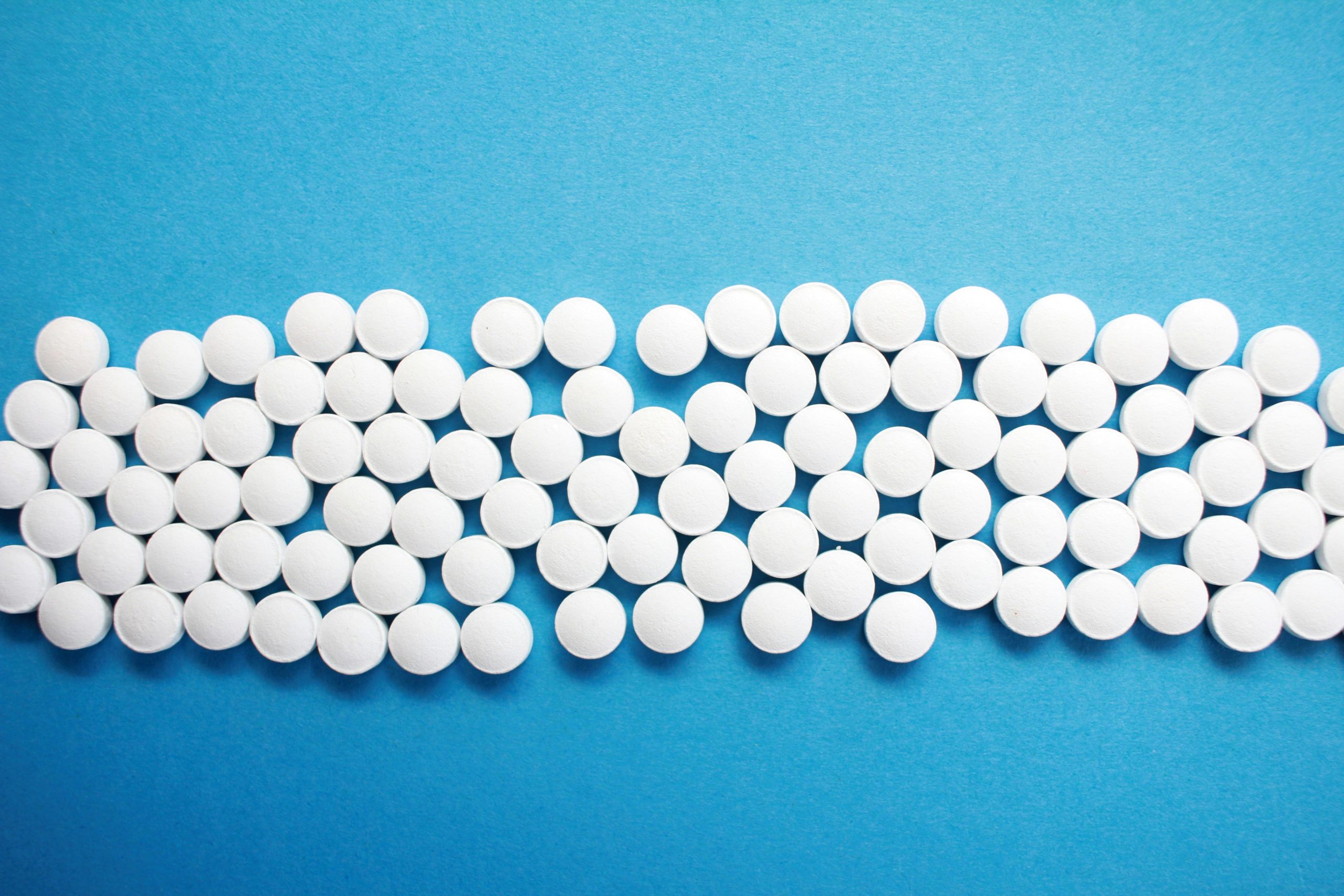
Aspirin 81 mg is a small tablet.
But whether you should take it every day is a much bigger question.
A practical reminder for daily medicines
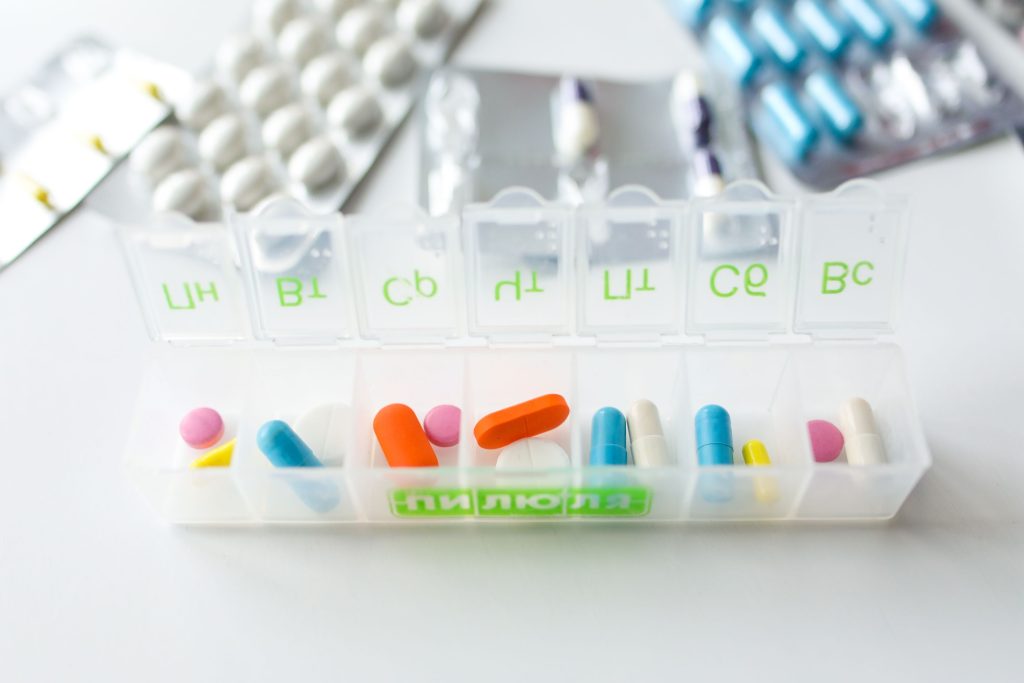
If you already take aspirin or several other medicines as prescribed, a simple weekly medication organizer can make the routine easier to manage.
Amazon — Weekly Medication Organizer options
MedicalBluff medical note: This article is for education and does not replace medical advice. If a doctor prescribed aspirin for you after a heart attack, stroke, stent, bypass surgery, or another cardiovascular condition, do not stop it on your own.
References
- U.S. Preventive Services Task Force. Aspirin Use to Prevent Cardiovascular Disease: Preventive Medication. 2022.
- Kumbhani DJ, Gibson CM, Kinlay S, et al. Antiplatelet Therapy in the Management of Atherosclerotic Cardiovascular Disease: 2026 ACC Scientific Statement. Journal of the American College of Cardiology. 2026.
- U.S. Food and Drug Administration. Aspirin for Reducing Your Risk of Heart Attack and Stroke: Know the Facts.
- DailyMed. Aspirin Adult Low Dose — Aspirin 81 mg delayed-release tablet. Updated 2026.
- DailyMed. Aspirin Low Dose — Aspirin 81 mg delayed-release tablet. Updated 2026.
- American College of Cardiology/American Heart Association guidance on chronic coronary disease and antiplatelet therapy.