


Aspirin for What? Uses, Benefits, Side Effects & Risks
Aspirin is one of those medicines many people keep at home. It is commonly used for headaches, body aches, and fever. But aspirin has another important use: doctors may prescribe it to help prevent blood clots in certain people with heart or blood vessel conditions.
So, what is aspirin actually used for? And is it safe to take whenever you have pain?
The answer depends on why you are taking it, your health, and the dose. Let’s look at its common uses, possible benefits, and the risks worth knowing.
Affiliate Disclosure: Some links in this article are affiliate links. As an Amazon Associate I earn from qualifying purchases.
Quick Answer: What Is Aspirin Used For?
Aspirin is used to relieve minor pain, reduce fever, and ease inflammation. Doctors may also prescribe low-dose aspirin for certain people who have had a heart attack or ischemic stroke, or who have specific cardiovascular conditions.
However, aspirin is not suitable for everyone. It can irritate the stomach and increase the risk of bleeding. Taking it regularly for heart protection should always be discussed with a healthcare professional.
What Is Aspirin?
Aspirin, also called acetylsalicylic acid, is a nonsteroidal anti-inflammatory drug (NSAID). It helps reduce pain, fever, and inflammation.
Unlike some other pain relievers, aspirin also affects platelets, the blood cells involved in clotting. This is why doctors may prescribe it for certain heart and blood vessel conditions.
Aspirin is available in different strengths and forms. The right one depends on the reason it is being used.
What Is Aspirin Used For?
Aspirin has several established uses. The most familiar ones are pain and fever relief, while its cardiovascular uses require more careful medical guidance.
1. Pain Relief
Aspirin can provide temporary relief from minor aches and pains, including:
- Headaches
- Toothaches
- Muscle aches
- Menstrual cramps
- Minor joint pain
It works by reducing the production of substances involved in pain and inflammation. However, it may not be suitable for people with stomach ulcers, bleeding problems, or certain other health conditions.
If pain is severe, keeps returning, or does not improve, it is worth finding out what is causing it rather than repeatedly relying on painkillers.
Stress and mental health can affect how people experience and manage everyday discomfort. Read more in our guide to Men’s Mental Health Month
2. Fever Reduction
Aspirin can lower a fever by affecting the body processes that help regulate temperature. It may be used for fever in adults when appropriate.
Aspirin should not routinely be given to children or teenagers, particularly during or after a viral illness such as flu or chickenpox. It has been linked to Reye’s syndrome, a rare but serious condition.
For children, ask a healthcare professional which fever medicine is appropriate.
3. Inflammation and Joint Pain
Aspirin can reduce inflammation, which is why it has been used for certain inflammatory conditions, including arthritis.
It may help relieve pain, swelling, and stiffness. However, the doses used for inflammatory conditions can be higher than those used for cardiovascular prevention, and higher doses may increase the risk of side effects.
Do not increase the dose on your own to treat ongoing joint pain. A clinician can help determine whether aspirin or another treatment is appropriate.
Aspirin for Heart Attack and Stroke Prevention
Aspirin has a different role when it comes to heart health. It makes platelets less likely to stick together and form blood clots. This antiplatelet effect can help reduce the risk of another cardiovascular event in some people.
Doctors may prescribe aspirin to people who have had a heart attack, certain types of stroke, or specific heart and blood vessel procedures.
But taking aspirin every day is not recommended for everyone. For people who have not had a heart attack or stroke, the possible benefit of preventing a first event must be weighed against the risk of serious bleeding.
If you suspect a heart attack, seek emergency medical help immediately. Do not delay care while deciding whether to take aspirin. Emergency professionals can advise whether it is appropriate.
For a clearer explanation of the difference between these emergencies, read our guide to cardiac arrest vs. heart attack.
How Does Aspirin Work?
Aspirin blocks enzymes involved in producing prostaglandins, substances that contribute to pain, fever, and inflammation. This helps explain its common pain-relieving and fever-reducing effects.
It also reduces the ability of platelets to clump together. Platelets help stop bleeding when you are injured, but unwanted clots can block blood flow in blood vessels. Aspirin’s effect on platelets is useful in certain cardiovascular situations, but it can also increase bleeding risk.
That is why the reason for taking aspirin matters.
Aspirin Side Effects
Aspirin is widely used, but it can still cause side effects. Some are mild, while others need urgent medical attention.
Common or less serious effects may include:
- Stomach discomfort
- Heartburn
- Nausea
- Easy bruising
A more serious concern is bleeding. Aspirin can irritate the stomach lining and increase the risk of stomach or intestinal bleeding. In rare cases, serious bleeding can occur elsewhere in the body, including the brain.
Seek urgent medical help if you have symptoms such as vomiting blood, black or tarry stools, unusual severe bleeding, or a sudden severe headache with weakness or confusion.
The risk may be higher if you have a history of ulcers or bleeding, take blood-thinning medicines, use other NSAIDs, or drink alcohol heavily.
Who Should Be Careful With Aspirin?
Aspirin may not be suitable for everyone. Speak with a healthcare professional before using it if you:
- Have had a stomach ulcer or gastrointestinal bleeding
- Have a bleeding disorder
- Have an aspirin allergy or have experienced asthma symptoms after taking aspirin
- Have kidney or liver disease
- Take anticoagulants or other medicines that can increase bleeding
- Are pregnant or think you may be pregnant
Also check the labels of cold, flu, and pain medicines. Some contain aspirin or other NSAIDs, and combining similar medicines can increase the risk of side effects.
Aspirin vs. Ibuprofen: What Is the Difference?
Aspirin and ibuprofen are both NSAIDs. They can relieve pain, reduce fever, and ease inflammation. However, they are not interchangeable for every purpose.
Aspirin also has an antiplatelet effect that doctors use in certain cardiovascular situations. Ibuprofen does not provide the same proven protection against a repeat heart attack or stroke.
Both medicines can cause stomach irritation and bleeding. Taking ibuprofen while using prescribed low-dose aspirin may also interfere with aspirin’s antiplatelet effect, depending on timing and use. Ask a healthcare professional before combining them.
Low-Dose Aspirin and Baby Aspirin
Low-dose aspirin commonly refers to an 81 mg dose in the United States. It is sometimes called baby aspirin, but that name does not mean it should be given to children.
Doctors may prescribe low-dose aspirin for certain people with cardiovascular disease or a history of heart attack or stroke. It is not a routine supplement or a medicine everyone should take to protect their heart.
If your doctor has recommended it, follow the dose and schedule they provide. Do not start or stop daily aspirin without discussing it with them.
For more detail about this dose, see our complete guide to low-dose aspirin therapy.
Can Aspirin Prevent Cancer?
Aspirin has been studied for possible effects on certain cancers, including colorectal cancer. However, research findings do not make it a routine cancer-prevention medicine.
Aspirin can cause serious bleeding, so it should not be started for cancer prevention unless a healthcare professional has discussed the potential benefits and risks with you.
Keeping Track of Regular Medicines
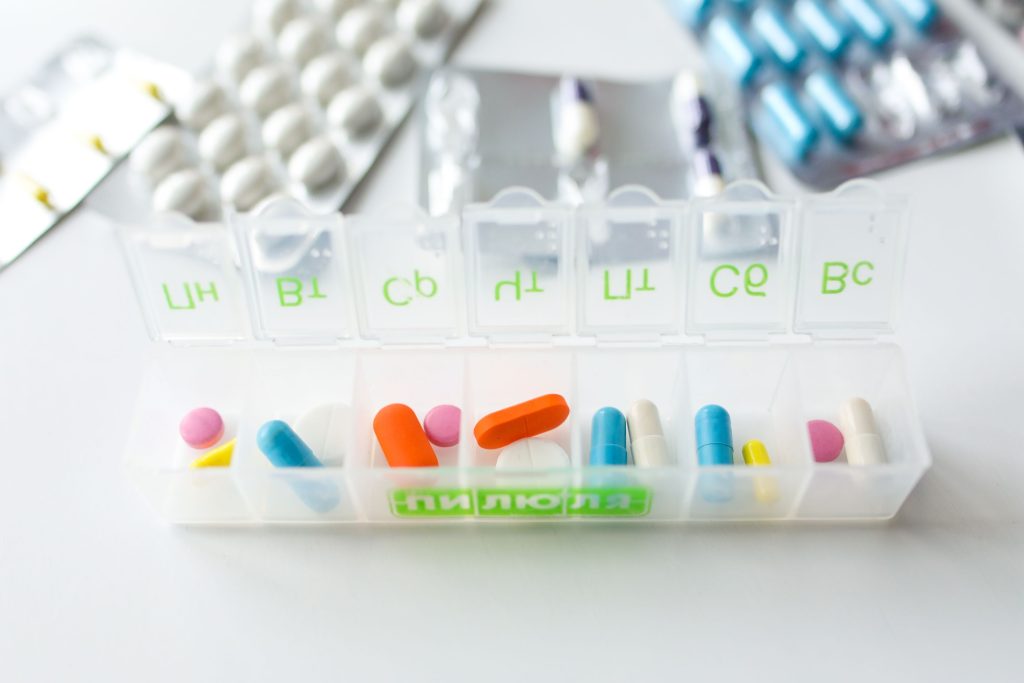
If you take aspirin along with other prescribed medicines, keeping track of your doses can become difficult. A weekly pill organizer may help keep medicines in one place and make it easier to see which compartments have been used.
One option is the Ezy Dose Weekly 7-Day AM/PM Pill Organizer, which has separate compartments for morning and evening medicines.
A visual reminder may also be useful if you sometimes forget whether you have taken a dose. The Persistence Health Medication Tracker & Pill Reminder has AM/PM indicators for each day of the week.
For people who need to carry medicines to work or while traveling, a compact case may be more convenient. The FYY Travel Pill Organizer has seven compartments and a foldable design that fits in a purse or pocket.
These products are simply organizational aids. They do not determine whether aspirin is appropriate, prevent side effects, or replace advice from a healthcare professional.
Some links in this article are affiliate links. As an Amazon Associate I earn from qualifying purchases.
Frequently Asked Questions
What is aspirin commonly used for? + Aspirin is commonly used for temporary relief of minor aches and pains, fever, and inflammation. Doctors may also prescribe it for certain cardiovascular conditions, including preventing another heart attack or clot-related stroke.
Is aspirin an NSAID? + Yes. Aspirin is a nonsteroidal anti-inflammatory drug (NSAID). It reduces pain, fever, and inflammation. It also affects platelets, which is why it has some uses that other NSAIDs do not share.
Does aspirin lower blood pressure? + Aspirin is not a blood pressure medicine and should not be used to treat high blood pressure. If you have high blood pressure, ask your healthcare professional whether aspirin is appropriate for you.
Can I take aspirin every day? + Some people are prescribed daily aspirin for specific cardiovascular reasons. It is not suitable for everyone, because regular use can increase the risk of bleeding. Do not start daily aspirin without medical advice.
Is aspirin safe for children? + Aspirin should not routinely be given to children or teenagers, especially during or after viral illnesses, because of the risk of Reye’s syndrome. Ask a healthcare professional about appropriate alternatives.
Can I take aspirin and ibuprofen together? + The combination may increase the risk of side effects, and ibuprofen can interfere with aspirin’s antiplatelet effect in some circumstances. Check with your doctor or pharmacist before taking them together.
Does aspirin help with a heart attack? + Aspirin may be used in the treatment of a suspected heart attack, but emergency medical care is the priority. Call emergency services immediately and follow the instructions of medical professionals.
Bottom Line
Aspirin is commonly used for temporary relief of minor aches and pains, fever, and inflammation. Doctors may also prescribe it for certain cardiovascular conditions, including preventing another heart attack or clot-related stroke.
Yes. Aspirin is a nonsteroidal anti-inflammatory drug (NSAID). It reduces pain, fever, and inflammation. It also affects platelets, which is why it has some uses that other NSAIDs do not share.
Aspirin is not a blood pressure medicine and should not be used to treat high blood pressure. If you have high blood pressure, ask your healthcare professional whether aspirin is appropriate for you.
Some people are prescribed daily aspirin for specific cardiovascular reasons. It is not suitable for everyone, because regular use can increase the risk of bleeding. Do not start daily aspirin without medical advice.
Aspirin should not routinely be given to children or teenagers, especially during or after viral illnesses, because of the risk of Reye’s syndrome. Ask a healthcare professional about appropriate alternatives.
The combination may increase the risk of side effects, and ibuprofen can interfere with aspirin’s antiplatelet effect in some circumstances. Check with your doctor or pharmacist before taking them together.
Aspirin may be used in the treatment of a suspected heart attack, but emergency medical care is the priority. Call emergency services immediately and follow the instructions of medical professionals.
Aspirin is used for pain, fever, and inflammation. It also has an important role in preventing further cardiovascular events in selected patients.
But it is not a harmless medicine, and taking it daily without medical advice can lead to serious bleeding. The right use depends on your health history, other medicines, and the reason you need it.
If you are unsure whether aspirin is right for you, ask your doctor or pharmacist before taking it regularly.
MedicalBluff editorial note: This article is for general information and does not replace personalized medical advice.