

Medical Bluff

Fungal Infection on Face? My 3-Month Mistake

Fungal Infection on Face

That Weird Rash on My Face Wouldn’t Go Away (And It Wasn’t Acne)

Let me tell you about the most frustrating three months of my skincare life.

It started small. A little patch of redness near my jawline. I thought, okay, probably just a pimple. I put some spot treatment on it. Nothing.

A week later, it had spread. Now it was itchy. Not screaming, claw-your-face-off itchy. Just… annoying itchy. The kind that makes you secretly scratch when nobody’s looking.

I tried everything. Salicylic acid. Benzoyl peroxide. Gentle cleansers. Harsh cleansers. Ignoring it. Obsessing over it. Nothing worked. If anything, it got angrier.

Finally, after my wife said, “That doesn’t look like acne, please just go to the doctor,” I went.

And the doctor looked at it for about four seconds and said, “That’s a fungal infection.”

I laughed. I actually laughed.

“Fungal? On my face? Isn’t that for feet?”

Turns out, no. And I learned a lot since that embarrassing appointment. So if you’re reading this because you have a mysterious, itchy, flaky patch on your face that won’t quit, pull up a chair. Let me save you the three months I wasted.

First, How Did This Even Happen?

Great question. I asked the same thing.

Here’s what my dermatologist explained: fungus is everywhere. It’s on your skin right now. Most of the time, your body keeps it in check. But when something throws off the balance—sweat, humidity, antibiotics, a weakened immune system, even a new skincare product—the fungus can throw a party. And your face is the venue.

In my case, it was a perfect storm. I started working out more (good for me). I wasn’t washing my face immediately after (bad for me). And I was using a thick moisturizer that trapped sweat against my skin. The fungus saw that and said, “Free real estate.”

Some common triggers:

  • Working out and not washing your face right away

  • Humid weather (hello, summer)

  • Antibiotics that kill good bacteria along with the bad

  • Steroid creams (ironically, using them for “rashes” makes fungus worse)

  • Sharing towels, pillowcases, or razors

What It Actually Looks Like (Because Google Images is Terrifying)

Please don’t go down the Google rabbit hole. I did. I convinced myself I had everything from lupus to leprosy.

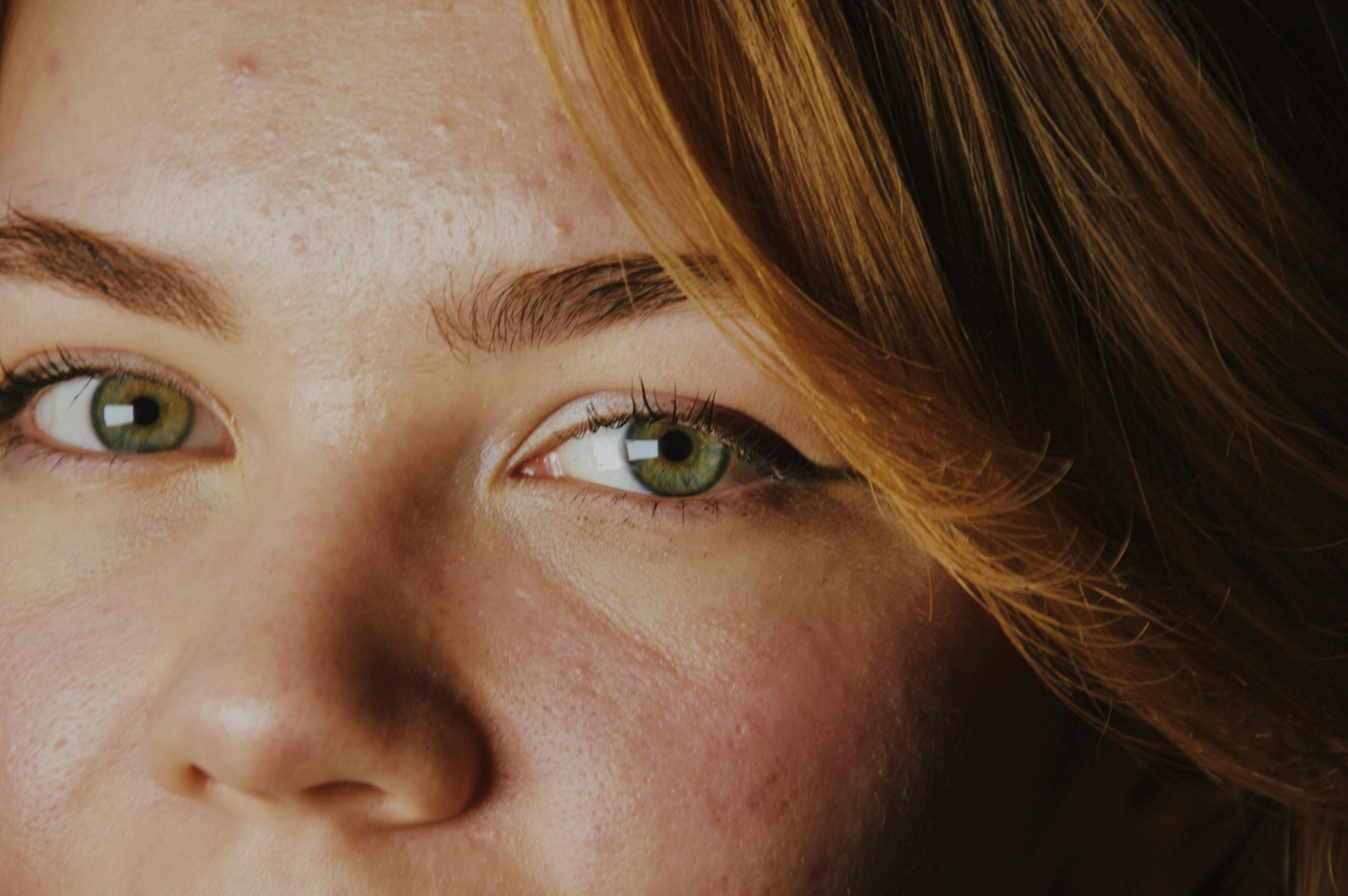
Here’s what a typical facial fungal infection looks like in real life:

  • Ringworm on the face (tinea faciei): Don’t let the name scare you. It’s not a worm. It’s a circular, red, scaly patch with a slightly clearer center. It looks like a ring. Hence the name. It’s usually itchy and can be dry or slightly moist.

  • Malassezia folliculitis (fungal acne): This one tricks everyone. It looks like small, itchy red bumps—almost like acne. But acne treatments make it worse. The bumps are all the same size, and they cluster on the forehead, temples, and jawline.

  • Seborrheic dermatitis: This causes red, greasy, scaly patches, usually around the nose, eyebrows, and hairline. The scales can look yellowish or white. It’s super common and often flares up in winter or during stress.

Mine was ringworm. Yes, on my face. , I felt weird about it and it’s completely treatable.

What I Did Wrong (So You Don’t Have To)

Mistake #1: I kept treating it like acne.
Every acne cream I used made it mad. Benzoyl peroxide dried it out, but the fungus just laughed. Antibacterial products do nothing against fungus. Nothing.

Mistake #2: I covered it with makeup.
I’m a guy, so this wasn’t my issue, but my wife told me that covering fungal rashes with concealer or foundation makes them worse. You’re trapping moisture and heat against the fungus. That’s like throwing a pool party for something you’re trying to kill.

Mistake #3: I used steroid cream.
This was my biggest regret. I had some hydrocortisone left over from a bug bite. I put it on the rash. It looked better for a day. Then it came back angrier. Steroids suppress your immune response locally, which lets the fungus spread like crazy. Never put steroid cream on a rash unless a doctor tells you to.

Mistake #4: I didn’t change my pillowcase.
I change my sheets… sometimes. During those three months, I was sleeping on the same pillowcase for weeks. Fungus loves warm, dark, slightly damp places. Your pillowcase is one of them. I was basically reinfecting myself every night.

The Actual Treatment That Worked

Here’s what my doctor told me to do. I’m not a doctor, so please see one yourself. But this was my protocol:

Step 1: Get an antifungal cream.
Over-the-counter options include clotrimazole (Lotrimin), miconazole, or terbinafine (Lamisil). The doctor gave me a prescription for ketoconazole. I applied it twice a day, every day, for four weeks. Even after it looked better. Especially after it looked better.

Step 2: Wash my face with antifungal soap.
I bought a cheap bar of sulfur soap or ketoconazole shampoo (Nizoral). I lathered it on the affected area, let it sit for a few minutes, then rinsed. This helped kill fungus on the surface.

Step 3: Keep the area bone dry.
This was hard. I stopped using heavy moisturizers on that part of my face. After washing, I patted dry with a clean paper towel (not my regular towel) and even used a cool blow-dryer on low setting to make sure it was completely dry before applying cream.

Step 4: Change my pillowcase every single night.
I bought a pack of cheap white pillowcases. Every morning, I threw the used one in the laundry. No exceptions. This alone made a huge difference.

Step 5: Stop touching it.
I’m a face-toucher. I didn’t realize it until I had to stop. Every time I scratched or touched the rash, I spread fungus to new spots or reinfected the same spot. I started wearing a rubber band on my wrist and snapping it when I caught myself reaching for my face. It worked.

How Long Until It Goes Away?

For me: about two weeks to see real improvement. Four weeks until it was completely gone. But the dark spot (hyperpigmentation) stayed for another month or two. That’s normal. The fungus leaves a “stain” behind, especially on darker skin. It fades. Be patient.

If you don’t see any improvement after two weeks of consistent treatment? Go back to the doctor. You might need an oral antifungal pill.

How to Make Sure It Never Comes Back

I’m six months out from my fungal infection. It hasn’t returned. Here’s what I changed permanently:

  • Wash my face immediately after sweating. Gym, yard work, even a hot walk to get coffee. I keep face wipes in my car for emergencies.

  • No more sharing towels. Not with my wife. Not with guests. Everyone gets their own. Fungus spreads easily through shared fabrics.

  • Laundry on hot. I wash my towels, washcloths, and pillowcases in hot water with a little bleach or white vinegar. Cold water doesn’t kill fungus.

  • Switched to lighter moisturizers. Heavy creams trap moisture. I use a gel-based moisturizer now. My skin actually likes it better.

  • Listen to my skin. If something itches or looks weird for more than a few days, I go to the doctor immediately. No more experimenting with random products from the drugstore.

A Few Things Nobody Tells You

It’s not dirty. Fungal infections aren’t about hygiene. You can shower twice a day and still get one. Don’t feel gross or ashamed. It happens to everyone.

It’s contagious (kind of). You can spread it to other parts of your body or other people through direct contact. Don’t share razors, towels, or hats until it’s completely healed. And wash your hands after touching your face.

It can look worse before it looks better. Some antifungal creams cause a little peeling or redness at first. That’s usually fine. But if it burns or swells, stop and call your doctor.

Stress makes it worse. Of course it does. Stress weakens your immune system. During the worst of my infection, I was also the most stressed I’d been in years. Go figure.

The Bottom Line (From Someone Who’s Been There)

If you have a weird, itchy, flaky patch on your face and it’s not responding to normal acne treatments… go see a doctor. Don’t wait three months like I did. Don’t convince yourself it’ll go away on its own. It probably won’t.

The good news? It’s incredibly treatable. A cheap cream, some clean pillowcases, and a little patience. That’s it. No scary medications. No permanent damage. Just a lesson learned and a story to tell.

I still laugh when I think about the look on my face when the doctor said “fungal infection.” I was so sure it was something dramatic. Turned out to be one of the most common skin issues on the planet.

So take a breath. Buy some antifungal cream. Change your pillowcase tonight. And stop scratching.

You’ll be okay. I promise.


Have you dealt with a fungal infection on your face? What worked for you? Drop a comment below—I read every single one. And if you’re too embarrassed to comment, just know you’re not alone. Not even a little bit.


Popular Posts:

lifestyle changes cancer risk

5 Lifestyle Changes That Cut Cancer Risk in Half

Let me be real with you. I’ve been in pharma for over 13 years. I’ve seen cancer from the inside — the drugs, the trials, the patients. And the one thing that surprised me most? Most cancers are preventable. Not all — but most. Research shows that up to 40-50% of cancers could be prevented with lifestyle changes. Half. That’s not a small number. Here are 5 changes that can make the biggest difference. 1. Quit Smoking (Or Better — Never Start) I know — you’ve heard this a million times. But it’s the single most important thing you can do. Why it matters: Smoking causes over 20 types of cancer — lung, mouth, throat, bladder, kidney, and more. Every cigarette introduces carcinogens into your body. Over time, they damage your DNA. What to do: Quit. Today. Talk to your doctor, use patches, gum, or medication. It’s hard — but it’s worth it. Reference: American Cancer Society. “Tobacco and Cancer.” 2025. 2. Move Your Body (Even a Little) You don’t need to run a marathon. You just need to move. Why it matters: Physical activity reduces the risk of colon, breast, endometrial, and lung cancer. Exercise does three things — lowers inflammation, helps you maintain a healthy weight, and boosts your immune system. What to do: Aim for 150 minutes of moderate exercise per week — that’s 30 minutes, 5 days a week. Reference: World Health Organization (WHO). “Physical Activity and Cancer.” 2025. 3. Eat Real Food (Not Processed) I’m not talking about a strict diet. I’m talking about real food. Why it matters: Ultra-processed foods are linked to increased cancer risk — especially colorectal and stomach cancer. What to do: Focus on eating more vegetables, fruits, whole grains, and lean proteins. Limit red meat and processed meats. Cut back on sugary drinks, packaged snacks, and fast food. Reference: American Institute for Cancer Research (AICR). “Diet and Cancer.” 2025. 4. Maintain a Healthy Weight Obesity is linked to at least 13 types of cancer. Why it matters: Excess fat tissue produces hormones and inflammatory substances that can promote cancer growth. What to do: If you’re overweight, even losing 5-10% of your body weight can reduce your risk. Reference: National Cancer Institute. “Obesity and Cancer.” 2025. 5. Limit Alcohol This one is often overlooked. Why it matters: Alcohol increases the risk of mouth, throat, liver, colon, and breast cancer. What to do: Limit to 1 drink per day for women, 2 for men. Or better — avoid it altogether. Reference: International Agency for Research on Cancer (IARC). “Alcohol and Cancer.” 2025. Quick Summary — Your 5-Step Cancer Prevention Plan Change Action Quit smoking Stop today. Talk to your doctor. Move your body 30 minutes, 5 days a week. Eat real food More vegetables, less processed. Maintain healthy weight Lose 5-10% if overweight. Limit alcohol 1 drink/day (women), 2 (men). The Bottom Line You can’t control everything. But you can control these 5 things. How much difference does it make? Up to 50% of cancers are preventable. These changes not only reduce cancer risk — they also lower heart disease, diabetes, and dementia risk. What you can do today: Start small — pick one thing Walk after dinner Replace processed snacks with fruit Quit smoking Your future self will thank you. You may also like: 📖 Why Are Young Adults Getting Cancer? 📖 Colorectal Cancer in Young Adults: Signs You Shouldn’t Ignore 📖 New US Bill Targets Rising Cancer Rates in Young People Written by Altaf Khan | MSc Chemistry, MBA, QC Manager | Medical Bluff References American Cancer Society. “Tobacco and Cancer.” 2025. World Health Organization (WHO). “Physical Activity and Cancer.” 2025. American Institute for Cancer Research (AICR). “Diet and Cancer.” 2025. National Cancer Institute. “Obesity and Cancer.” 2025. International Agency for Research on Cancer (IARC). “Alcohol and Cancer.” 2025.

young adult cancer bill 2026

This Bill Could Save Your Life. Here’s Why?

ndI’ve been in pharma for 13 years. I’ve seen data that scares me — and I’ve seen data that gives me hope. This is both. On June 9, 2026, a bill was introduced in the U.S. Senate called the Asal Sayas National Strategy on Young Adult Cancers Act (S. 4717). It’s named after Asal Sayas. She was a White House Cancer Moonshot advisor and died in April 2026 at 42 — from colorectal cancer. She fought for others until her last breath. This bill is her legacy. Here’s why this bill matters to you — and why you need to pay attention. 1. Young Adult Cancer Rates Are Skyrocketing Let me give you the numbers that made me stop in my tracks. Cancer rates in young adults (ages 18-49) have increased by 79% globally between 1990 and 2019. And it’s predicted to rise another 30% by 2030. In the U.S. alone, 200,000 young adults are diagnosed with cancer every year. Nearly 30,000 die from it annually. Here’s the kicker: Young women are now 82% more likely to get cancer than young men. This isn’t just a statistic. This is your sister. Your cousin. Your friend. Maybe you. 2. The Economic Cost Is Staggering Young adult cancers cost the U.S. $50 to $80 billion every year. That’s not just hospital bills. That’s lost productivity, caregiver burden, out-of-pocket expenses, and premature deaths. But more than money — it’s lives cut short. Dreams unfinished. Families broken. 3. What’s in the Bill? (And Why It Matters to You) This bill isn’t just talk. It’s action. Here’s what it would do: What the Bill Does Why It Matters NIH must develop a national strategy First-ever coordinated plan for young adult cancers Public & provider education campaign Doctors need to know what to look for in young patients Comprehensive research agenda We need to understand WHY this is happening Better screening access Early detection = survival National Centers of Excellence Specialized care for young adults Federal Coordinating Committee Oversight and accountability Senator Markey said it best: “Young adult cancer is a growing crisis hiding in plain sight. Rates are surging, diagnoses are delayed, and we lack a coordinated national response. That ends today.” 4. Why This Bill Hits Home for Me I’ve worked in pharma for 13 years and have seen how slow the system can be. I’ve seen how long it takes for change to happen. But I’ve also seen what happens when people fight. Asal Sayas didn’t stop fighting — even when she was dying. She worked on this bill while she had cancer. Her boss, Senator Klobuchar, said: “Even in the face of a cancer diagnosis, she worked tirelessly to increase federal research dollars, expand access to clinical trials, and improve early diagnosis.” That’s the kind of fight this bill represents. And it’s the kind of fight we need. 5. What Can You Do? You can’t control everything. But you can do something. Action Why Know your family history Genetic risk matters Don’t ignore symptoms Blood in stool? Persistent pain? See a doctor Talk to your doctor about screening Don’t wait until it’s too late Share this post Wake up the people you love Support this bill Follow its progress — push for change The Bottom Line 200,000 young adults will be diagnosed with cancer this year in the U.S.. 30,000 won’t survive. 80% of those cancers could be detected earlier. This bill is a start. It’s not the end — but it’s a step in the right direction. Asal Sayas didn’t stop fighting. Neither should we. You may also like: 📖 Why Are Young Adults Getting Cancer? (Pillar Post) 📖 Colorectal Cancer in Young Adults: Signs You Shouldn’t Ignore (Cluster Post 1) 📖 5 Lifestyle Changes That Cut Cancer Risk in Half (Coming Soon) Written by Altaf Khan | MSc Chemistry, MBA, QC Manager | Medical Bluff References U.S. Senate. “Asal Sayas National Strategy on Young Adult Cancers Act (S. 4717).” Introduced June 9, 2026. Senator Ed Markey Press Release. “Senators Markey, Klobuchar, Rep. Carson Introduce Legislation to Address the Surge of Cancer Among Young Adults.” June 15, 2026. GovInfo. “S. 4717 — Asal Sayas National Strategy on Young Adult Cancers Act.” 119th Congress. Becker’s Oncology. “’We lack a coordinated national response’: Senators tell NIH to prioritize young adult cancers.” June 17, 2026. WPRI. “Rising cancer rates spark call for action on national, local stages.” June 10, 2026.

colorectal cancer young adults

Colorectal Cancer in Young Adults: Signs You Shouldn’t Ignore

Colorectal Cancer in Young Adults: Signs You Shouldn’t Ignore Let me tell you something that still haunts me. A few years ago, a friend of mine — 34 years old, fit, no family history — started having stomach issues. He thought it was food poisoning. Then he thought it was stress. He ignored it for months. By the time he went to the doctor, it was stage 3 colon cancer. He survived. But only because he finally listened to his body. I don’t want that to be you. The Scary Truth Colorectal cancer is no longer an “old person’s disease.” In 2026, 10% of all colorectal cancer cases are in people under 50. That’s 1 in 10. And it’s the #1 cancer killer of adults under 50 in America. Early detection saves lives. But you have to know what to look for. Signs You Shouldn’t Ignore These symptoms don’t always mean cancer. But they mean something is wrong. And if you have them, you need to see a doctor. 1. Blood in Your Stool This is the most common sign. It can be bright red (fresh blood) or dark and tarry (digested blood). Either way — don’t ignore it. My take: I’ve seen people dismiss this as “just a hemorrhoid.” Sometimes it is. But sometimes it’s not. If you see blood, get checked. 2. Persistent Changes in Bowel Habits Diarrhea that won’t go away Constipation that lasts for weeks Feeling like you can’t fully empty your bowel Narrow or pencil-thin stools My take: Your body is telling you something. Listen to it. 3. Unexplained Weight Loss Losing weight without trying sounds like a dream. But if you’re dropping pounds for no reason — and you’re not dieting or exercising more — it’s a red flag. My take: Weight loss is not always a good thing. If it’s unexplained, it’s a warning sign. 4. Abdominal Pain or Cramping Persistent pain in your belly, especially if it’s accompanied by bloating or cramping — your body is trying to tell you something. 5. Fatigue Extreme tiredness that doesn’t go away with rest. This can be a sign of anemia — which can be caused by slow bleeding in your digestive tract. 6. Iron Deficiency Anemia If you’re anemic and there’s no obvious cause — your doctor should check your colon. Quick Reference: Signs vs. Action Sign What to Do Blood in stool See a doctor immediately Persistent diarrhea/constipation See a doctor within 1-2 weeks Unexplained weight loss See a doctor immediately Abdominal pain See a doctor within 1-2 weeks Extreme fatigue See a doctor within 2 weeks Iron deficiency anemia See a doctor immediately Reference: American Cancer Society. “Colorectal Cancer Signs and Symptoms.” 2026. Why Is This Happening to Young People? I’ve worked in pharma for 13 years — and I’ve seen how lifestyle has changed. Doctors are still figuring out exactly why, but they’ve identified some likely culprits: Factor Why It Matters Ultra-processed food Fuels inflammation Obesity Inflammation = cancer risk Sedentary lifestyle Lack of movement = increased risk Microplastics & chemicals Endocrine disruptors Antibiotic overuse Damages gut microbiome Reference: MedUni Vienna. “Cancer Prevention Day.” 2026. What You Can Do Today Action Why Know your family history If a parent or sibling had colon cancer, you’re at higher risk Watch your diet Cut back on processed foods Stay active Walk 20 minutes a day Don’t ignore symptoms Blood in stool? See a doctor Talk to your doctor Ask about screening if you’re at risk The Bottom Line Colorectal cancer is hitting young people hard in 2026. Don’t wait. Don’t ignore your body. If you’re a young adult, colorectal cancer is not something you can ignore. Know the signs, know your family history, and don’t wait to see a doctor. If you have symptoms — get checked. Your life is worth it. You may also like: 📖 Why Are Young Adults Getting Cancer? (Pillar Post) 📖 New US Bill Targets Rising Cancer Rates in Young People (Cluster Post 2) 📖 5 Lifestyle Changes That Cut Cancer Risk in Half (Coming Soon) Written by Altaf Khan | MSc Chemistry, MBA, QC Manager | Medical Bluff References American Cancer Society. “Colorectal Cancer Signs and Symptoms.” 2026. MedUni Vienna. “Cancer Prevention Day.” 2026. U.S. Preventive Services Task Force (USPSTF). “Colorectal Cancer Screening.” 2025.

young adult cancer 2026

young adult cancer crisis 2026. And It’s Happening Right Now.

25-Year-Olds Are Getting Cancer. And It’s Happening Right Now. I’m going to be honest with you — when I first read the numbers, I thought it was a mistake. I work in pharma. I’ve seen data before. But this? This hit different. Global cancer rates in young adults have gone up by nearly 80% in the last 35 years. Not 8%. Not 18%. 80%. And this isn’t some distant future thing. It’s happening right now. In 2026. To people like you. People like me. I’m not writing this to scare you. I’m writing this because no one else is telling you the truth. 1. 88,120. That’s How Many Young Adults Will Get Cancer in 2026. 88,120 people — between the ages of 15 and 39 — will be diagnosed with cancer this year in the U.S. alone. 8,940 of them won’t make it. I’ve seen this in my own circle. A friend of mine — 34 years old, healthy, no family history — got diagnosed with stage 3 colon cancer last year. He didn’t have symptoms until it was too late. This isn’t statistics. This is real life. This could be you. 2. Colorectal Cancer Is Now a Young Person’s Disease You know what I thought colorectal cancer was? Something old people get. I was wrong. In the early 2000s, only about 5% to 7% of colon cancer cases were in people under 50. In 2026? That number is now 10%. And it’s increasing by 3% every single year. This disease is now the number one cancer killer of adults under 50 in America. Let that sink in. 3. Why Is This Happening? (Honest Answer) I’m not a doctor. But I’ve worked in pharma for 13 years, and I’ve seen enough to know what’s driving this. Here’s what I’ve seen with my own eyes: Factor What It Does Ultra-processed food It’s everywhere — and it’s slowly killing us Obesity Inflammation is the fuel for cancer Sitting all day We’re more sedentary than ever Chemicals & microplastics They’re in our water, our food, our bodies Antibiotic overuse We’ve wrecked our gut health Alcohol It’s not just liver damage — it’s cancer risk A researcher from MedUni Vienna put it this way: “The main risks include a diet high in ultra-processed foods, early use of antibiotics, obesity, lack of exercise, alcohol and possibly endocrine disruptors and other chemicals.” 4. We’re the First Generation Sicker Than Our Parents Think about that. For the first time in history, a generation is getting sicker than the one before them. Millennials — people born between 1981 and 1995 — now have a higher risk of cancer than their parents did at the same age. That’s not progress. That’s a crisis. 5. A Bill Is Being Passed — But It Should Have Happened Years Ago On June 9, 2026, a bill was introduced in the U.S. Senate called the “Asal Sayas National Strategy on Young Adult Cancers Act.” It’s named after a young woman who survived cancer and is now fighting to save others. What’s in it? What’s in the Bill Why It Matters A national strategy for young adult cancers Finally, a focused plan More research funding We need answers, not guesses Better screening access Early detection saves lives Specialized cancer centers Young adults need different care 31 cancer advocacy groups are supporting this bill. It should have been passed years ago. But better late than never. 6. “I’m Fine” Is the Biggest Lie We Tell Ourselves I’ve said it. You’ve said it. We’ve all said it. “I’m fine. Nothing will happen to me.” But 10% of cancer cases are now in people under 50. That means 1 in 10 people diagnosed with cancer this year will be under 50. That’s your age. That’s your friend’s age. That could be you. 7. What You Can Do Right Now You can’t control everything. But you can control some things. Here’s what I’m doing — and what you should do too: Action Why It Matters Stop eating ultra-processed food It’s literally fuel for cancer Walk 20 minutes a day Movement reduces inflammation Don’t ignore your family history Know your risk Get screened Cancer caught early is treatable Cut down on alcohol It’s a known carcinogen Use sunscreen Skin cancer is preventable Share this post Wake up the people you love The Bottom Line This isn’t about fear. It’s about awareness. Cancer is no longer something that happens to other people. It’s happening to us. Right now. 88,120 young adults will be diagnosed in 2026. 80% increase in 35 years. 10% of all cancers are now in people under 50.  For the Statistics (88,120 Cases, 8,940 Deaths) Link to: SEER Cancer Stat Facts: Cancer Among Adolescents and Young Adults (AYAs) from the National Cancer Institute. This is the gold standard for U.S. cancer statistics.   We can’t change everything overnight. But we can start paying attention. We can start making changes. We can start talking about it. So here’s my challenge to you: Read this. Share this. Talk to your friends. Wake up. Because if we don’t act now — by 2030, these numbers will be even worse. And then it won’t be about statistics anymore. It’ll be about the people we lost.   You may also like: 📖 Colorectal Cancer in Young Adults: Signs You Shouldn’t Ignore (Cluster Post 1) 📖 New US Bill Targets Rising Cancer Rates in Young People (Cluster Post 2) 📖 5 Lifestyle Changes That Cut Cancer Risk in Half  (Cluster Post 3) Written by Altaf Khan | MSc Chemistry, MBA, QC Manager | Medical Bluff References National Cancer Institute. “Cancer Among Adolescents and Young Adults — Cancer Stat Facts.” 2026. American Cancer Society. “Colorectal Cancer Statistics 2026.” MedUni Vienna. “Cancer Prevention Day.” 2026. U.S. Senate. “Asal Sayas National Strategy on Young Adult Cancers Act.” June 2026. Memorial Sloan Kettering Cancer Center. “What’s Causing Cancer Rates to Rise in Gen X and Millennials?” 2026.

Share:

Send Us A Message