

Medical Bluff

Celiac Disease: Causes, Symptoms, and Treatment Options

Celiac Disease

Welcome to our weblog, where we delve into the charming world of celiac disease. This persistent autoimmune ailment impacts thousands and thousands of people worldwide, wreaking havoc on the small gut and hindering the absorption of crucial nutrients. Let’s take a better look at the causes, symptoms, and treatment alternatives for celiac ailment to empower those who are tormented by this circumstance.

What is Celiac Disease?

Celiac disorder is a condition wherein the immune system reacts to gluten. A protein determined in wheat, barley, and rye, inflicting infection and damage to the small intestine. The immune device mistakenly identifies gluten as a foreign substance and assaults it. Main to the destruction of the villi, the tiny finger-like projections inside the small gut chargeable for absorbing nutrients.

Causes of Celiac Disease

Celiac ailment is in the main precipitated through the intake of gluten, a protein observed in wheat, barley, and rye. When individuals with celiac ailment ingest gluten. Their immune machine launches an assault on the small intestine, inflicting infection and damage to the intestinal lining. Genetics additionally play a considerable position inside the improvement of celiac disease, with sure gene versions increasing the danger of growing this condition.

The precise reason of celiac sickness is unknown, but several elements contribute to its development, which include:

  • Genetics: Celiac ailment tends to run in households, and individuals with a family records of the condition are more likely to expand it.
  • Environmental Factors: Exposure to gluten at a young age, changes in gut bacteria, and different environmental elements may also trigger the onset of celiac disease.
  • Autoimmune Response: The immune machine’s atypical response to gluten leads to the improvement of celiac disorder.

Symptoms of Celiac Disease

The signs of celiac disease can vary widely from individual to man or woman, making it difficult to diagnose. Common signs and symptoms encompass diarrhea, abdominal pain, bloating, fatigue, and weight loss. In a few cases, people may additionally experience pores and skin rashes, joint ache, and neurological signs and symptoms. It is important to consult a healthcare expert if you suspect that. You could have celiac sickness to get hold of an correct prognosis and appropriate remedy.

But common signs consist of:

  • Diarrhea: Frequent and loose stools are a common symptom of celiac disorder.
  • Abdominal Pain: Pain within the abdomen, bloating, and fuel are commonplace signs and symptoms of celiac disorder.
  • Fatigue: Feeling worn-out and vulnerable is a commonplace symptom of celiac ailment.
  • Weight Loss: Unintentional weight loss is a commonplace symptom of celiac disorder.
  • Nausea and Vomiting: Nausea and vomiting are commonplace signs of celiac sickness.

Diagnosing Celiac Disease

Diagnosing celiac disease may be difficult, however several exams can assist affirm the analysis, together with:

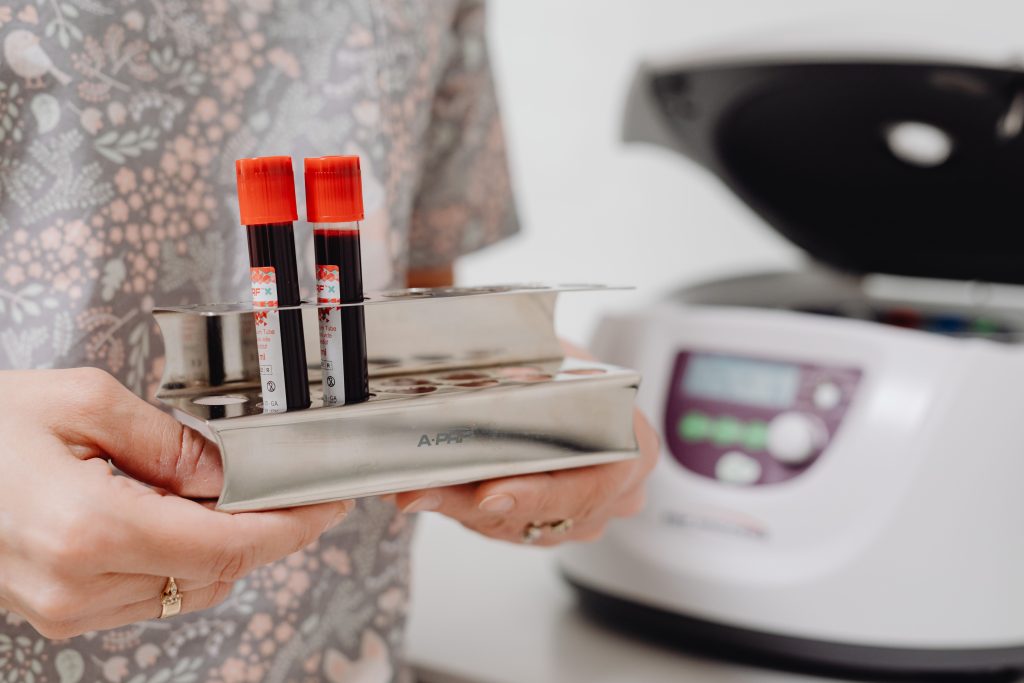
  • Blood Tests: Blood exams can locate the presence of positive antibodies in the blood, which can be indicative of celiac ailment.
  • Intestinal Biopsy: An intestinal biopsy can assist affirm the prognosis of celiac sickness by examining the harm to the small intestine.
  • Genetic Testing: Genetic checking out can help discover those who are susceptible to growing celiac ailment.

Treatment Options for Celiac Disease

The cornerstone of remedy for celiac sickness is a strict gluten-free weight-reduction plan. By eliminating gluten from their weight loss program, people with celiac sickness can prevent in addition harm to the small gut and alleviate symptoms. In addition to nutritional modifications, healthcare companies may also advocate diet and mineral supplements to deal with any dietary deficiencies due to malabsorption. It is crucial for people with celiac disorder to work carefully with a healthcare group to expand a comprehensive remedy plan tailor-made to their specific desires.

Several other remedy options are available, inclusive of:

  • Gluten-Free Diet: A gluten-unfastened eating regimen is essential for coping with celiac disease and preventing headaches.
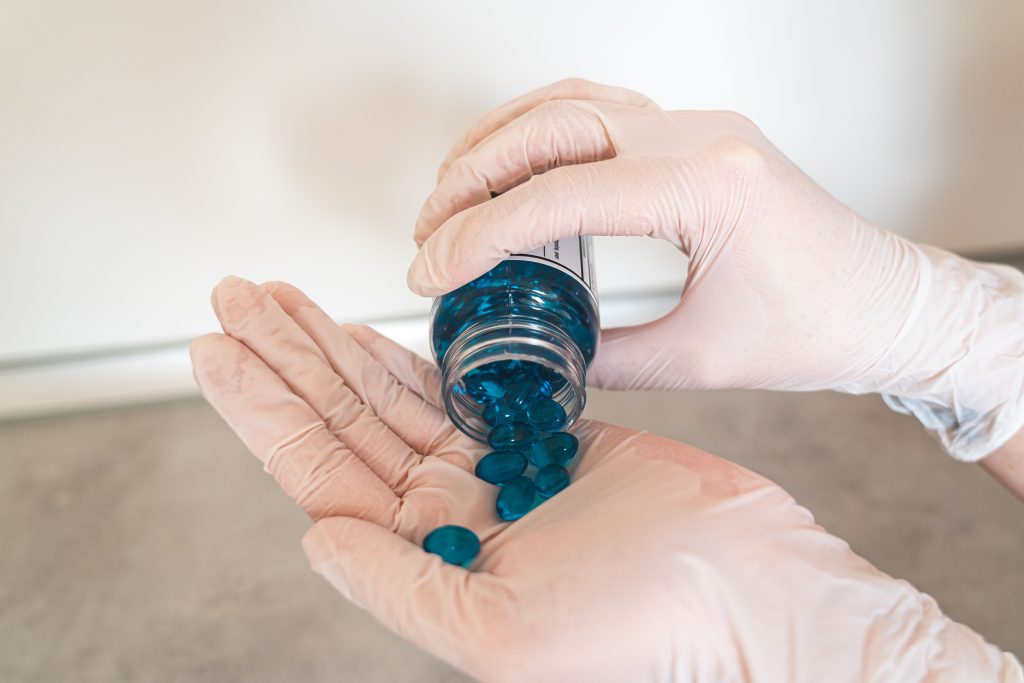
  • Vitamin and Mineral Supplements: Vitamin and mineral dietary supplements can assist update crucial vitamins that aren’t absorbed because of celiac disorder.
  • Medications: Medications including corticosteroids and immunosuppressants may be prescribed to control symptoms and prevent complications.

Conclusion

In end, celiac ailment is a complicated autoimmune disease that calls for cautious management to keep gold standard fitness and well-being. By knowledge the reasons, symptoms, and remedy options for celiac sickness, people can take proactive steps to successfully manage this situation and enhance their excellent of life. Remember, you are not by myself to your adventure with celiac sickness – there’s a supportive community ready to offer steerage and guide each step of the way. Stay strong, stay knowledgeable, and live gluten-unfastened!


You also know about “Gluten Allergy: A Personal Journey and Guide”.

https://www.medicalbluff.com/gluten-allergy-a-personal-journey-and-guide

 

Popular Posts:

Apron Belly

Apron Belly: Causes, Real Solutions & How to Feel Good

The Apron Belly: Loving the Apron You Didn’t Order Let’s talk about the part of the body that fashion magazines ignore, shapewear commercials dance around, and “fitspo” accounts definitely don’t feature. The apron belly. (Officially known as a pannus stomach, but let’s be real—that sounds like a spell from Harry Potter.) If you have one, you know exactly what I’m talking about. It’s that little (or not-so-little) overhang of skin and fat that sits low across your lower belly, draping over your C-section scar or the waistband of your jeans like a protective porch awning. For years, I thought my body was broken. I thought I’d done something wrong. But after two pregnancies, a significant weight loss journey, and way too many hours spent crying in dressing rooms, I’ve learned the truth: The apron belly is not a design flaw. It’s a roadmap. Here is what I wish someone had told me a decade ago. First, Why Does This Happen? You didn’t “let yourself go.” Let’s get that myth out of the way immediately. An apron belly happens for several very human reasons: Pregnancy (especially multiples or large babies): Your abdominal muscles separate (diastasis recti). The skin stretches to its absolute limit. Sometimes, it just doesn’t snap all the way back. That’s physics, not failure. Major weight loss: Congratulations, you lost 50+ pounds! The problem? Skin doesn’t come with a return-to-original-size guarantee. The fat cells shrink, but the skin envelope often hangs loose. Genetics and hormones: Some bodies store fat preferentially in the lower belly. If your mother or grandmother had an apron, chances are high you will too. Surgery history: C-sections or fibroid surgeries can create scar tissue adhesions that change how the belly sits and folds. It is not a moral failing. It is tissue. Repeat that until it sticks. The Inconvenient Truths No One Mentions Let’s be practical for a minute, because the internet is full of “just do 100 crunches” nonsense. (Spoiler: Crunches don’t remove skin.) The Hygiene Thing Yes, we have to talk about the fold. An apron belly creates a warm, dark crease where moisture gets trapped. If you’ve ever experienced that raw, red, itchy rash (intertrigo), you know the misery. The fix isn’t shame—it’s cornstarch powder, a good anti-fungal cream when needed, and wearing breathable cotton undershirts tucked into the fold. The Clothing Wars High-waisted jeans were a gift from the universe. Midi skirts that skim past the apron? Genius. But let’s also admit the struggle: Under-belly waistbands that roll down, pants that fit the thighs but gape at the waist, and the eternal question—”Do I tuck my shirt in or live in tunics forever?” The Intimacy Elephant You might feel like your partner is “dealing with” your body rather than enjoying it. I get it. But here’s the secret most women learn in their forties: Confidence is sexier than a flat stomach. When you stop apologizing for the apron with your eyes, most loving partners don’t even register it as a “problem.” The Realistic “Fix” (If You Want One) Let’s separate reality from Instagram reels. What actually helps (non-surgical): Strength training that targets the deep core (transverse abdominis): Dead bugs, heel slides, and diaphragmatic breathing. This won’t remove skin, but it can pull the muscle wall back, reducing the “push forward” effect. Overall fat loss (if you have excess body fat): You cannot spot-reduce the apron. But if you lower your total body fat percentage through sustainable nutrition, the apron may get smaller. Emphasis on “may.” Compression garments: Not to “train” your belly, but to help with back support and to reduce chafing during exercise. Wear them for comfort, not punishment. What actually removes an apron belly: Surgery (panniculectomy or tummy tuck). That’s it. That is the only way to remove excess skin that hangs past the pubic bone. And let’s be clear: That surgery is brutal. The recovery is long, the scar is significant, and it’s often considered cosmetic (so insurance fights you). It is a valid choice, but it is not a small one. The Permission Slip Here is what I want you to take away today. You can hate the rash. You can hate how jeans fit. You can even research surgery options. That is all valid. But do not hate yourself for having the apron. That soft, draped belly grew humans. Or it survived a massive weight shift. Or it simply exists because you are a mammal with hormones and DNA older than civilization. You are not “less than” because you have a fold. Today, I wear my high-waisted leggings. I use my anti-chafe balm. And when I look in the mirror, I try to say this out loud: “This is just the container. The person inside is still a 10.” You are not your apron. You are the person who lives above it. Have you found a hack for dressing or managing your apron belly that changed your life? Drop it in the comments—we’re all learning together. Disclaimer: I’m not a doctor or a surgeon. This is one human’s experience and research. If you have persistent rashes, back pain, or are considering surgery, please talk to your medical professional.

Non-Dairy Foods High in Calcium

Non-Dairy Foods High in Calcium: Real Guide for Dairy Free Diets

 Stopped Eating Cheese (Mostly) and Didn’t Lose My Bones. Here’s How. Let me be real with you for a second. About two years ago, my doctor looked at my blood work, pushed her glasses up, and said, “Your vitamin D is fine, but your calcium is flirting with the danger zone.” I panicked. Not because I’m dramatic (okay, maybe a little), but because I had quietly stopped drinking milk. Then I stopped eating yogurt. And cheese? We were on a “break.” My stomach had decided, overnight, that dairy was no longer its friend. So I figured I had two options: Spend my 40s sounding like a bowl of Rice Krispies (snap, crackle, pop). Figure out how to eat rocks. Turns out, you don’t need a cow to keep your skeleton happy. You just need to know where to look—and be willing to eat a few weird things. The Usual Suspects (That Nobody Tells You About) If you Google “non-dairy calcium,” the first thing that pops up is always leafy greens. And yes, kale is great. But you know what’s better than kale? Not hating your life. Here’s the real list that saved me: 1. Canned Fish with Bones (Yes, the Bones) Okay, hear me out. I know this sounds like a medieval punishment. But sardines and canned salmon (with the soft, mashed-up bones) are calcium bombs. One can of sardines has about 35% of your daily calcium. I mash them into a mustard-lemon spread on toast. You don’t even feel the bones. I promise. My husband still gags when I open the can, but my femurs are thanking me. 2. Blackstrap Molasses This one feels like a grandma secret. It’s thick, dark, and tastes like a slightly bitter caramel. Two tablespoons have around 400mg of calcium—that’s more than a glass of milk. I stir it into my oatmeal, my coffee (surprisingly good), and even brush it on roasted sweet potatoes. It makes you feel like a witch brewing a potion. In a good way. 3. Fortified Tofu Not all tofu is created equal. You have to look for the one made with calcium sulfate (it’s usually in the ingredients list). Regular tofu has some calcium, but the fortified stuff has double. I cube it, toss it in cornstarch, and air-fry it until it’s crunchy. Dip it in a spicy peanut sauce. I forget it’s healthy. 4. Tahini This is just ground sesame seeds, but don’t let the simplicity fool you. Two tablespoons have about 130mg of calcium. I drizzle it over roasted broccoli, mix it into salad dressings, and—don’t judge me—eat it straight from the jar with a spoon when nobody’s looking. It’s nutty, creamy, and makes everything taste like a Mediterranean daydream. 5. Oranges & Dried Figs Most people think citrus is just for vitamin C. But one large orange has about 60mg of calcium. That’s not huge, but it adds up. Dried figs, though? Those are the secret weapon. Four dried figs have around 100mg. I chop them up and throw them into trail mix or stuff them with a little almond butter for a 3 p.m. sugar crash rescue. The “Wait, That Has Calcium?” Surprise I almost forgot this one until I was making soup last week: white beans. One cup of cooked white beans (cannellini or navy) has about 160mg of calcium. That’s not a ton compared to sardines, but they’re cheap, filling, and you can blend them into a pasta sauce without anyone knowing. Also, almonds. A handful (about 1/4 cup) gives you 90mg. I keep a little jar in my car for traffic jam snacking. How I Actually Eat This Stuff (Without a Spreadsheet) I’m not a meal-prepper. I lose Tupperware lids. So I built a simple rhythm: Morning: Oatmeal with a spoonful of blackstrap molasses + a sprinkle of chia seeds (chia has 180mg per ounce, by the way). Lunch: A big salad with tahini dressing + half a can of sardines on the side. Snack: A handful of almonds + a dried fig or two. Dinner: Stir-fried calcium-set tofu with whatever veggies are dying in my fridge. On a good day, I hit over 1000mg without trying. On a bad day (pizza + couch), I just try again tomorrow. One Annoying Thing You Should Know Calcium is a diva. It doesn’t work alone. You need vitamin D (go outside, or take a supplement) and magnesium (hello, pumpkin seeds and spinach) for your body to actually use the calcium. Otherwise, you’re just making expensive pee. Also, don’t take calcium supplements unless a doctor tells you to. Too much from pills can mess with your heart. Food form is always safer. Final Honest Thought I used to think dairy was the only shortcut to strong bones. Now I realize it’s like driving—there’s more than one route to the same destination. My stomach is calmer, my grocery bill is actually lower (molasses is cheap, people), and I feel weirdly proud eating sardines in public. If you’re dairy-free by choice, by allergy, or just by circumstance—you’ve got options. You don’t need a cow. You just need a can of fish, a jar of tahini, and a willingness to try molasses in your coffee. Now if you’ll excuse me, I have a date with a bag of dried figs. — A former cheese addict, now a bone health nerd Let me know in the comments: What’s the weirdest non-dairy calcium source you’ve tried? (Please don’t say eggshells. My neighbor tried that. It did not go well.)

Spiritual Health

Spiritual Health: What It Really Means,3 Small Ways to Start Today

 Let’s Be Real: Spiritual Health Isn’t What You Think (And You’re Probably Already Doing It) I used to roll my eyes a little at the phrase “spiritual health.” In my head, it conjured up images of people meditating on mountaintops at sunrise, wearing linen pants, and talking about their “energy crystals.” Don’t get me wrong—good for them. But me? I’m the person who trips over the dog on the way to make coffee at 6 AM and spends twenty minutes looking for my left shoe. So when my doctor (yes, my regular medical doctor) asked me about my “spiritual health” during a check-up last year, I laughed. I thought it was a trick question. Turns out, it wasn’t. She wasn’t asking if I went to church or if I had a guru. She was asking something much simpler—and much harder: Do you feel connected to anything bigger than your own to-do list? That question stopped me cold. The Unsexy Truth About Spiritual Health Here’s what I’ve learned since that awkward doctor’s appointment. Spiritual health has almost nothing to do with religion, and everything to do with quiet. Not silence—quiet. The kind of quiet where your nervous system remembers it doesn’t have to be on high alert 24/7. You know that feeling when you’re driving in the rain and you finally pull into your driveway and just sit there for a second before turning off the car? That tiny pause where you’re not doing, not planning, not scrolling? That is spiritual health. Or the weird lump in your throat when you watch a stranger do something kind for someone else. Or the way your shoulders drop two inches when you step outside and the air smells like rain. That’s it. That’s the stuff. We’ve overcomplicated this. Spiritual health isn’t about being enlightened. It’s about not feeling like a scrambled egg inside your own skin. The Signs You’ve Neglected This (Without Realizing It) Let me tell you how spiritual unhealth showed up in my life before I knew what to call it. The endless loop. I’d lie awake at 2 AM replaying a dumb thing I said in 2017. Over and over. Like a broken record of shame. The numbness. Not sadness, exactly. Just… nothing. Food tasted fine. Sunsets looked nice. But I felt like I was watching my own life through a thick pane of glass. The urgency. Everything felt like an emergency. A text message pinged? Emergency. A coworker’s tone was slightly off? Emergency. My soul was basically a fire alarm that never shut off. If any of that sounds familiar, don’t panic. It’s not a moral failure. It’s just a sign that your inner life has been running on empty for a while. Small, Weird Things That Actually Help (No Crystals Required) Because I know you’re busy. I know you have bills and laundry and that one group chat that won’t stop buzzing. So here’s the low-stakes, zero-pressure stuff that helped me inch back toward feeling human. 1. Do one thing slowly on purpose. Pick the most boring task you have—washing a mug, folding a towel, watering a plant—and do it like it matters. Feel the water. Notice the steam. It sounds stupid. It works and breaks the rush-hour traffic in your brain. 2. Ask yourself one question before bed. Not “What did I get done today?” That’s a trap. Try this instead: When did I feel most like myself today? Even if the answer is “for three seconds while petting the cat.” That counts. 3. Get okay with not knowing. Spiritual health, for me, looked like admitting that I don’t have a clue what I’m doing most days. And that’s actually fine. Certainty is exhausting. Letting yourself be a beginner—at meditation, at journaling, at sitting still for five minutes without a screen—is strangely freeing. The Part Nobody Tells You Here’s the part they leave out of the wellness articles. Sometimes spiritual health is ugly. Sometimes it looks like crying in your car after a long day because you’re just so tired of pretending you’ve got it all together. There are moments it looks like admitting you’re lonely, or scared, or furious at the world. And that’s not a failure. That’s the work. Because spiritual health isn’t about feeling peaceful all the time. It’s about making room for the hard stuff without letting it burn the house down. It’s about coming back to yourself—even the messy, irritable, tired parts—and saying, “Okay. You’re still here. Let’s sit for a minute.” So If You Do One Thing… Don’t add “improve spiritual health” to your to-do list. That’s just more pressure. Instead, next time you find yourself rushing—through a meal, through a conversation, through your own breath—just pause for ten seconds. Ten seconds of no fixing, no planning, no judging. That pause is the doorway. You don’t have to walk through it far. Just far enough to remember you’re a human being, not a human doing. And honestly? That’s more than enough. If this landed differently than you expected, good. That’s the point. Spiritual health isn’t another product to buy or habit to track. It’s just coming home to yourself—slowly, awkwardly, one small pause at a time.

Soursop Leaves

15 Health Benefits of Soursop Leaves (By Personal Exp & Science)

Let me be honest: I’m a skeptic. When my aunt from the Caribbean handed me a bundle of wrinkled, dark green leaves and said, “Boil these. You’ll sleep like a baby and your back pain will vanish,” I smiled, nodded, and promptly shoved them into the back of my pantry. Three months later, after a nasty bout of insomnia and a recurring knee ache from old running injuries, I got desperate. I dug out those leaves. They were soursop leaves (guanábana leaves, if you want to sound fancy). Fast forward to today: I am that person. I have a dedicated pot for leaf tea. And after falling down a rabbit hole of research and personal testing, I’ve got 15 rock-solid reasons why you might want to join me. Here is what happened when I started drinking soursop leaf tea—and the science-backed (and old-school wisdom) benefits that keep me brewing. 1. It Knocked Out My 2 AM Brain Spinning I used to wake up at 2:47 AM like clockwork, worrying about emails. Soursop leaves have natural compounds that act on GABA receptors—basically, nature’s chill pill. I drink a cup an hour before bed now. No grogginess in the morning, just deep, dreamless sleep. 2. My Post-Workout Stiffness Vanished I’m no gym rat, but I walk 10k steps a day. My knees would groan. Soursop leaves are packed with anti-inflammatory flavonoids (quercetin and tiliroside). It’s like ibuprofen from a tree, but without the stomach ache. 3. It Fixed My “Sugar Crash” Afternoons You know that 3 PM slump where you want a nap and a cookie? Soursop leaf tea stabilizes blood sugar swings. Studies show it can inhibit certain enzymes that break down carbs into sugar too quickly. I don’t have science gear at home, but I do notice I don’t raid the vending machine anymore. 4. My Skin Stopped Throwing Tantrums I had a random patch of eczema on my elbow for three years. Three weeks of drinking two cups a day? Gone. The leaves are antibacterial and antifungal. It’s like you’re disinfecting your blood from the inside out. 5. It’s a Rust-Oleum for Your Cells Oxidative stress is just a fancy way of saying “your body is rusting.” Soursop leaves have more antioxidants than many berries. Think vitamin C, but on steroids. You feel… cleaner. Less bloated. Less achy. 6. My Digestion Actually Regulated Itself (TMI warning) Let’s talk poo. Soursop leaves are a mild astringent and antimicrobial. If you have a gurgly, angry gut, this tea settles it down. It doesn’t act like laxatives; it just calms the whole GI tractor beam down. 7. I Stopped Getting the “Office Plague” My coworker came in sneezing. I usually catch everything. Not this time. Soursop leaves have antiviral properties. In tropical medicine, they’ve been used for centuries to nip fevers in the bud. I drink it at the first tickle of a sore throat now. 8. Lower Back Pain? What Lower Back Pain? This is a big one. Because soursop reduces uric acid in the blood, it’s a secret weapon for joint and lower back stiffness. My husband tried it for his gouty toe. He’s a convert. 9. It Gave Me “Stress Armor” Cortisol is the enemy. The acetogenins in soursop leaves don’t just fight inflammation; they modulate your stress response. I’ve noticed that when traffic makes me want to scream, I just… don’t react as badly. 10. My Hair Stopped Falling Out in the Shower I have thin, fine hair. Stress + bad diet = clumps in the drain. Soursop leaves are rich in iron and B-vitamins. It takes about a month to see it, but my part looks tighter and my brush is less scary. 11. It Kicked a Stubborn Yeast Issue Again, maybe TMI, but if you struggle with candida or recurring fungal skin issues, wash the affected area with cooled soursop tea or drink it. The annonaceous acetogenins are potent antifungals. Way gentler than prescription creams. 12. My Blood Pressure Reading Dropped 10 Points I’m not a doctor, but I track my BP. Soursop leaves are a natural vasodilator—they widen your blood vessels. If you eat a lot of salty takeout, this tea is your apology letter to your heart. 13. I Stopped Snoring (Seriously) This surprised me. Because the leaves reduce inflammation in the nasal passages and throat, my mild sleep apnea/snoring issue improved significantly. My partner noticed before I did. 14. Mental Fog Lifted I write for a living. Some days, the words are stuck in mud. Soursop leaves increase blood flow to the brain (thanks to the potassium and magnesium). I brew a cold brew version in the summer for afternoons when I need clarity without coffee jitters. 15. It Taught Me to Slow Down This isn’t a chemical benefit, but a human one. You cannot microwave soursop tea. You have to wash the leaves, boil the water, let it steep for 20 minutes, and sit down to drink it. That ritual alone—the forced pause—might be the best benefit of all. A Real Talk Warning (Don’t Skip This) I love this stuff, but I’m not crazy. Soursop leaves contain annonacin. In extremely high, concentrated doses (like taking pills for years), it has been linked to Parkinson-like symptoms in studies from Guadeloupe. Here’s the reality check: You’d have to drink a swimming pool of the tea every day for a decade to hit those levels. But do this: Don’t take soursop extract pills. Stick to the raw leaves brewed as tea. Don’t drink it if you are pregnant or nursing. Don’t drink it if you take blood pressure medication (it can amplify the effect too much). Do take a 2-day break every week to let your body reset. How I Make It (The Non-Pretentious Way) Take 5-6 dried leaves (or 3 fresh ones). Rinse them. Tear them roughly. Boil in 3 cups of water for 15 minutes. Turn off the heat. Steep for another 10. Strain. It tastes like… earthy green tea mixed with hay and a hint of citrus. It’s not sweet. It’s medicinal. Add a tiny dab of

Share:

Send Us A Message