


The eastern US is burning right now.
New York hit 100°F for the first time since 2012. Washington, D.C. broke a 128-year-old record at 102°F. Philadelphia hit 103°F. The CDC is reporting “extremely high rates” of heat-related ER visits across the Northeast.
This isn’t just uncomfortable. It’s dangerous. And it’s getting worse.
I’ve been in pharma for over 13 years. I know what happens when the human body gets pushed past its limits. Heat doesn’t care about your age, your fitness, or your plans. It just takes.
Here’s what you need to know.
What Is a Heat Advisory?
The National Weather Service issues a Heat Advisory when temperatures of at least 100°F — or heat index values of at least 105°F — are expected within the next 24 hours. It’s the government’s way of saying: “This is serious. Take precautions.”
A heat advisory means you should avoid outdoor activities, especially during the hottest part of the day. It’s not a suggestion. It’s a warning.
When the advisory escalates to an Extreme Heat Warning, that means conditions are life-threatening. We’re seeing those warnings across the eastern US right now, with over 165 million people under extreme heat alerts.
The Numbers — Why This Matters
| Statistic | What It Means |
|---|---|
| 100°F | New York’s Central Park — first time since 2012 |
| 102°F | Washington, D.C. — broke a 128-year-old record |
| 103°F | Philadelphia — new record |
| 46°C (115°F) | Heat index in some regions — feels like |
| 165+ million | Americans under extreme heat alerts |
| “Extremely high” | CDC’s assessment of heat-related ER visits |
These aren’t just numbers. These are real people, real risks, and real consequences.
What Happens to Your Body in Extreme Heat?
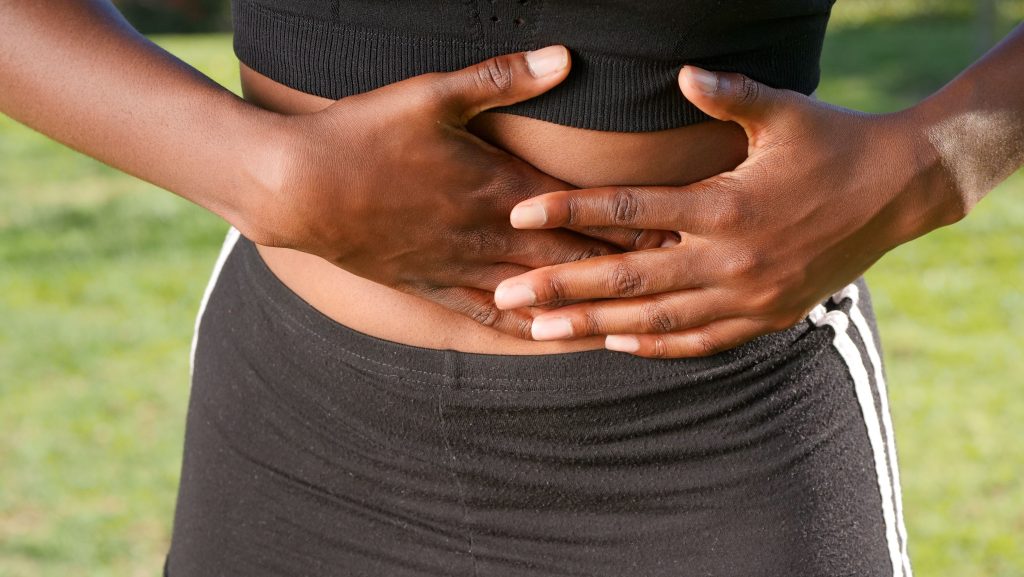
When you’re exposed to high temperatures, your body tries to cool itself through sweating. But when humidity is high, sweat doesn’t evaporate efficiently. When your body can’t cool down, your core temperature rises. Your heart works harder. Blood pressure drops. It’s a chain reaction — and it can happen fast. And if you don’t cool down, things go bad fast.
Heat exhaustion is the first stage. You feel weak, dizzy, nauseous. Your skin is pale and clammy. Your body temperature might be elevated but usually stays below 104°F.
Heat stroke is the life-threatening stage. Your body temperature spikes above 104°F. You stop sweating. You become confused, disoriented, or unconscious. This is a medical emergency. It can kill you.
| Condition | Symptoms | Action |
|---|---|---|
| Heat Exhaustion | Heavy sweating, weakness, headache, nausea, pale skin, rapid pulse | Move to shade, drink water, rest |
| Heat Stroke | Body temp >104°F, confusion, no sweating, rapid heartbeat, loss of consciousness | Call 911 immediately. Cool the person down |
Heat exhaustion is reversible. Heat stroke can be fatal.
Who Is Most at Risk?
| Group | Risk |
|---|---|
| Older adults | Reduced ability to regulate body temperature |
| Children | Less efficient sweating, higher surface-to-mass ratio |
| People with chronic conditions | Diabetes, heart disease, obesity |
| Outdoor workers | Prolonged sun exposure and physical activity |
| People on certain medications | Antidepressants, diuretics, some heart medications |
| People without AC | No way to cool down |
If you fall into any of these categories, you need to be extra careful. And if you know someone who does — check on them.
How to Stay Safe — What Actually Works
1. Stay Hydrated
Drink water regularly — even if you don’t feel thirsty. Thirst isn’t a reliable early warning sign. Avoid alcohol, caffeine, and sugary drinks — they dehydrate you.
2. Limit Outdoor Activities
If you must go outside, do it early morning or late evening. Stay out of direct sunlight. The heat index can increase by up to 15°F in direct sun.
3. Stay Cool Indoors
Air conditioning is your best defense. If you don’t have AC, go to a cooling center, library, or mall. Take cool showers or baths. Wear loose, lightweight, light-colored clothing.
4. Never Leave Anyone in a Car
Not kids. Not pets. And definitely not anyone. Even with the windows cracked, temperatures inside a car can reach lethal levels within minutes.
5. Check on Vulnerable People
Older neighbors. People with chronic conditions. Anyone without air conditioning. A quick phone call can save a life.
6. Monitor Your Medications
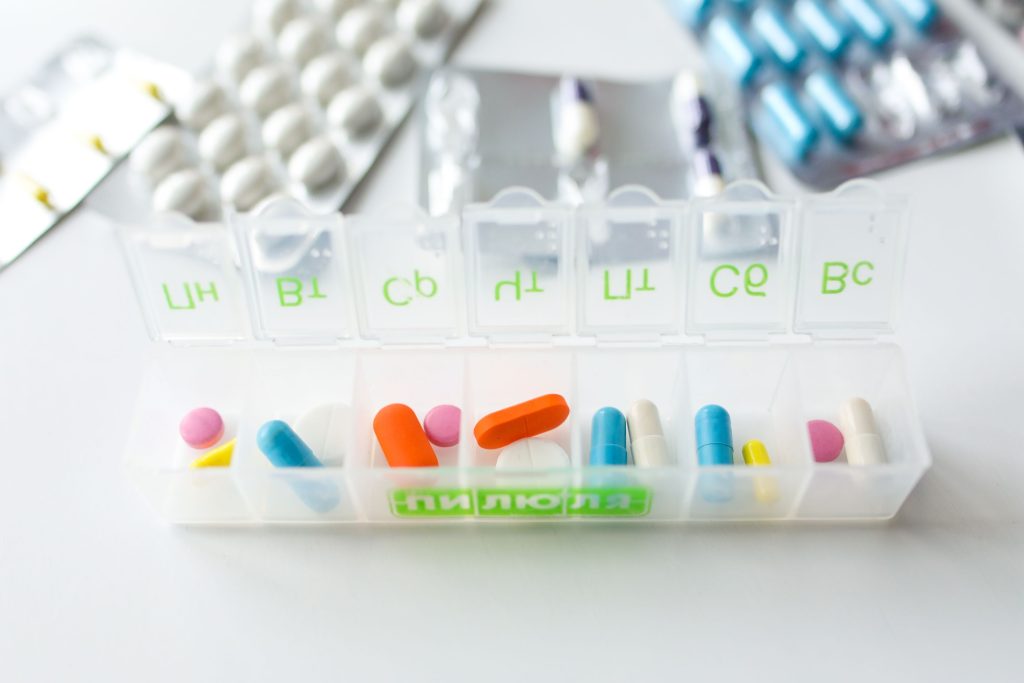
Some medications — including antidepressants, diuretics, and certain heart drugs — can make you more sensitive to heat. Check with your doctor if you’re unsure.
7. Know the Signs
If you feel dizzy, weak, nauseous, or confused — get out of the heat immediately. Don’t push through. That’s how people end up in the ER.
The CDC’s SHADE Method
The CDC recommends following the SHADE acronym for heat safety:
| Letter | Action |
|---|---|
| S | Stay hydrated — drink water regularly |
| H | Heat awareness — know the risks |
| A | Avoid the sun — stay in shade or indoors |
| D | Dress for the weather — light, loose clothing |
| E | Exercise caution — limit outdoor activities |
A Personal Story
I had a friend who thought he was invincible. Mid-30s, fit, ran marathons. He went for a run during a heat wave because he “didn’t want to skip his routine.”
Halfway through, he collapsed. Heat stroke. Body temperature hit 105°F. He spent three days in the hospital.
He survived. But he told me later: “I thought I was fine. I thought I knew my limits. I was wrong.”
Don’t be that person.
My Honest Take
I’m not a doctor. I’m a chemist who’s been in pharma long enough to know that the human body has limits. And heat doesn’t care about your plans.
This heat wave is real. It’s dangerous. And it’s going to get worse before it gets better.
Take it seriously. Drink water. Stay inside. Check on people who need help. And if you feel off — get out of the heat.
It’s not weakness. It’s survival.
References
-
National Weather Service. Heat Advisory Criteria. 2026.
-
Centers for Disease Control and Prevention. Extreme Heat and Your Health. 2026.
-
CDC. Heat-related Illness Statistics. 2026.
-
New York Times. Heat Wave Updates: Eastern U.S. 2026.
-
CNN. Punishing Heat Wave Hits Eastern US. 2026.
Written by Altaf Khan | MSc Chemistry, MBA, QC Manager | Medical Bluff
Reviewed by: Dr. Ayesha, Medical Reviewer
This content was written by a pharma professional and reviewed by a medical doctor for accuracy. It is for informational purposes only and does not constitute medical advice. Always consult your healthcare provider.
Keep Reading — More from Medical Bluff
📌 Pillar Posts:
📌 Health & Wellness: