

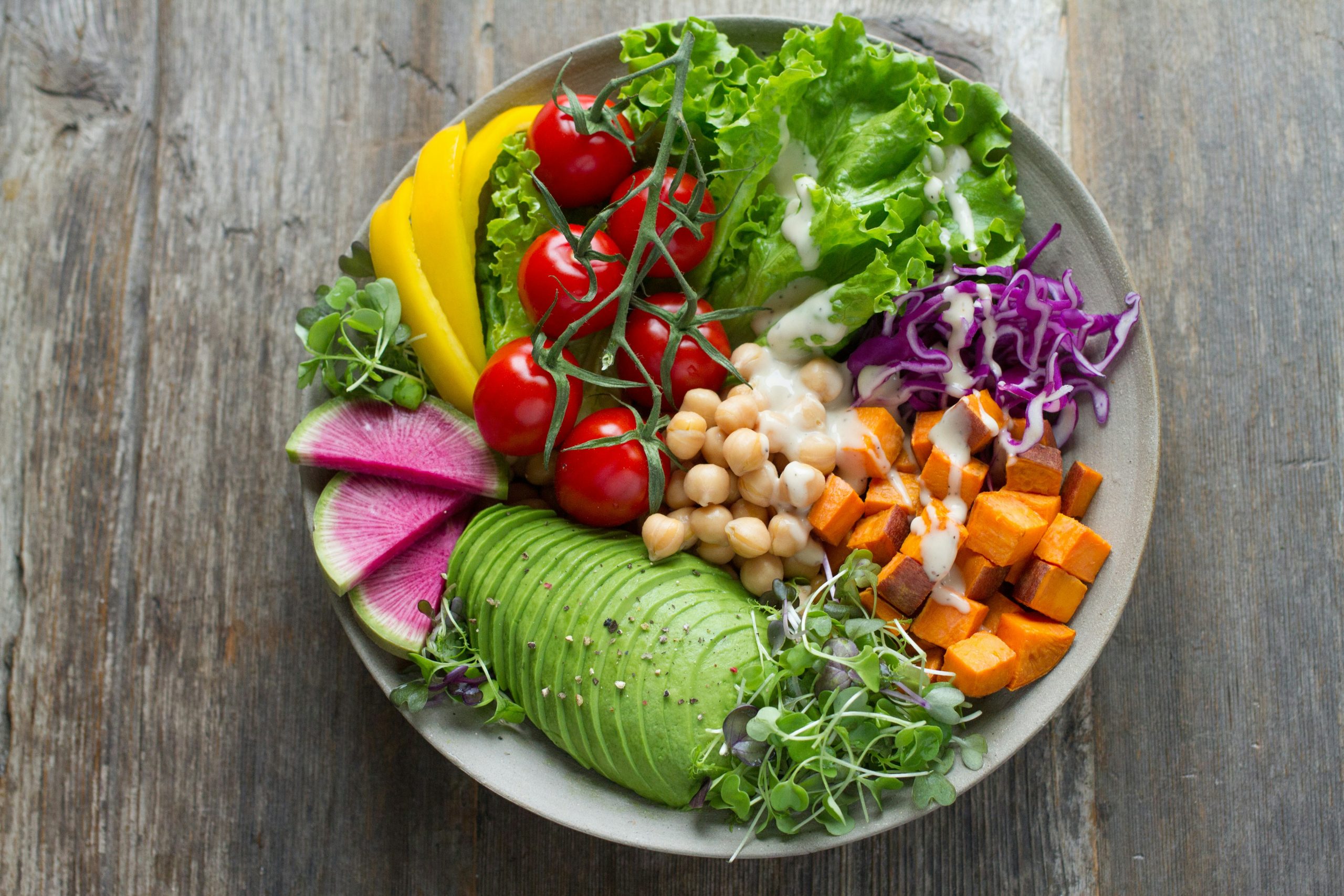
Let me confess something: I used to think “clean eating” was just another way rich people said “I don’t eat carbs.”
You know the Instagram version. White plates. Avocado arranged like art. A smoothie bowl that costs $18 and takes 20 minutes to photograph.
But last year, my digestion was a mess. Tired at 2 PM. Bloated for no reason. So I decided to ignore the influencers and figure out what clean eating really means for a normal person with a normal budget and zero patience for kale-stem removal.
Here’s the simple truth I landed on:
Clean eating isn’t a diet. It’s a filter.
You just ask one question before putting something in your mouth: Did a plant or an animal make this, or did a factory?
That’s it. No calorie counting, food groups banned and No “magic detox” nonsense.
What actually changes when you eat clean:
-
You stop eating things with ingredients your grandmother wouldn’t recognize. (If the label says “monosodium something” and you can’t pronounce the next three words, put it back.)
-
You start eating food that rots eventually. Real bread gets moldy in 3 days. Real cheese sweats. That’s a good sign.
-
You don’t fear fat anymore. You fear the 47-ingredient “low-fat” yogurt that stays fresh for 11 months.
The honest truth nobody tells you:
The first week is annoying. You’ll crave chips and miss the convenience of drive-throughs. You’ll stare at your fridge and think, “I have to actually cook… an onion?”
But around day 10, something weird happens. Your taste buds wake up. A simple apple tastes… sugary? A roasted sweet potato feels like dessert? You realize you weren’t addicted to food. You were addicted to the chemical engineering inside processed food.
One warning: Clean eating can turn into obsession fast. If you’re refusing to eat a birthday cake at your kid’s party because it has “refined sugar,” you’ve missed the point. The cleanest meal is the one eaten with people you love, not the one with the most organic certifications.
Two Simple Clean Eating Recipes (That Actually Taste Good)
I hate complicated cooking. If a recipe has more than 6 ingredients, I’m out. These are my lazy-day winners.
Recipe 1: The “I Have No Energy” Chickpea Salad
Takes 5 minutes. Makes 2 lunches.
-
1 can chickpeas (drained and rinsed – just shake the water off)
-
Half a cucumber (chopped roughly, don’t be fancy)
-
A handful of cherry tomatoes (cut each in half)
-
2 tablespoons olive oil
-
Juice of half a lemon (or a whole one if you like sour)
-
Salt, pepper, and a pinch of red chili flakes
How to make it:
Throw everything in a bowl. Mix with a spoon. Eat as is, or scoop it up with lettuce leaves if you’re feeling extra. That’s it. No stove. No crying over onions.
Recipe 2: The “I Miss Rice” Cauliflower Comfort Bowl
Takes 15 minutes. Warm, filling, and weirdly satisfying.
-
1 small head of cauliflower
-
2 eggs
-
1 avocado
-
Salt, garlic powder, paprika
How to make it:
Chop the cauliflower into big chunks. Throw them in a food processor (or grate them by hand if you hate your arms) until they look like rice grains. Microwave in a bowl for 3 minutes or sauté in a pan for 5 minutes. Meanwhile, fry the two eggs sunny-side up. Put the cauliflower “rice” in a bowl, top with fried eggs, slice the avocado on top, and sprinkle with spices. Break the egg yolks and stir everything together. It’s messy. It’s delicious. You won’t miss real rice after the first bite.
The bottom line: Eat real food. Mostly plants. Not too much of the stuff that comes in a crinkly bag. And when you mess up? Order the pizza. Enjoy every bite. Start fresh tomorrow.
That’s clean eating. Not perfection. Just direction.
What’s the one processed food you’d struggle to give up? For me, it’s instant ramen. Don’t judge me.