It’s Not Just “Too Much Sun”
We’ve all had that moment. You’re at a backyard barbecue, a soccer game, or working in the garden. The sun is hammering down. You think, “Wow, I’m really hot.”
Usually, you grab a lemonade, sit in the shade for ten minutes, and you’re fine.
But sometimes? Your body’s internal thermostat breaks.
That’s the moment heat exhaustion turns into heatstroke. And unlike a sunburn, heatstroke doesn’t care how tan you are or how much water you think you drank. It is a genuine, life-threatening emergency.
Here is the stuff the weathermen don’t always tell you. Let’s talk about the real symptoms—the weird, subtle, scary ones.
The “Red Flag” Symptoms (The ones everyone misses)
Most people think heatstroke just means feeling hot and passing out. That’s part of it, but the devil is in the details.
1. The “Pink Cadillac” Skin
Normally, when you are hot, you sweat and turn red. With classic heatstroke (from passive heat like a heatwave), your skin stops sweating. It becomes hot, dry, and red—like you just got out of a tanning bed. However, there is a second type (exertional heatstroke, from running or heavy labor) where you actually keep sweating. If someone is soaked in sweat but still burning up 10 minutes after stopping activity? That’s a warning.
2. Your Brain Starts Glitching
This is the scariest one because the victim never recognizes it. They won’t say, “I think I have a neurological issue.” Instead, they act drunk, confused, or belligerent.
-
The symptom: Suddenly slurring words. Getting angry for no reason. Asking the same question every 30 seconds (“Where’s the car?” “Did we lock the car?”). If you have to ask, “Are you acting weird?”—they probably are. Trust your gut.
3. The Throbbing “Hammer” Headache
Not a gentle tension headache. Not a sinus pressure. This feels like your heartbeat is trying to escape through your temples. You might feel dizzy when you stand up, but unlike low blood sugar, lying down doesn’t fix the spinning.
4. The “Jellyfish” Muscles
Your muscles don’t just cramp; they go limp or start twitching uncontrollably. Some people describe it as feeling like their legs are made of wet cement. If you try to walk in a straight line and you veer like you’ve had six shots of whiskey (without the fun), that’s a systemic meltdown.
The Do’s and Don’ts (Because panic doesn’t help)
If you see these symptoms—especially the confusion or the dry, hot skin—stop reading this blog and call 911 (or your local emergency number). Right now.
While you wait for help:
-
DO: Move them to the shade or AC immediately. Get them into a cool bath or shower if they are conscious and can walk. No bath? Wrap wet, cold towels around their neck, armpits, and groin. Those are the “heat highways” of the body.
-
DO: Fan them aggressively. Airflow helps evaporation.
-
DON’T: Give them fever reducers like Tylenol or Ibuprofen. Heatstroke isn’t a fever from infection; those pills will actually damage their liver in this specific scenario.
-
DON’T: Give them plain water if they are confused or vomiting. They might choke. Ice chips on the tongue are safer, or a sports drink if they are fully alert.
-
DON’T: Use alcohol or rubbing alcohol on the skin. (Old wives’ tale). It closes pores and traps the heat inside.
The “Wait, I’m Safe?” trap
Here is the cruelest part of heatstroke: The chills.
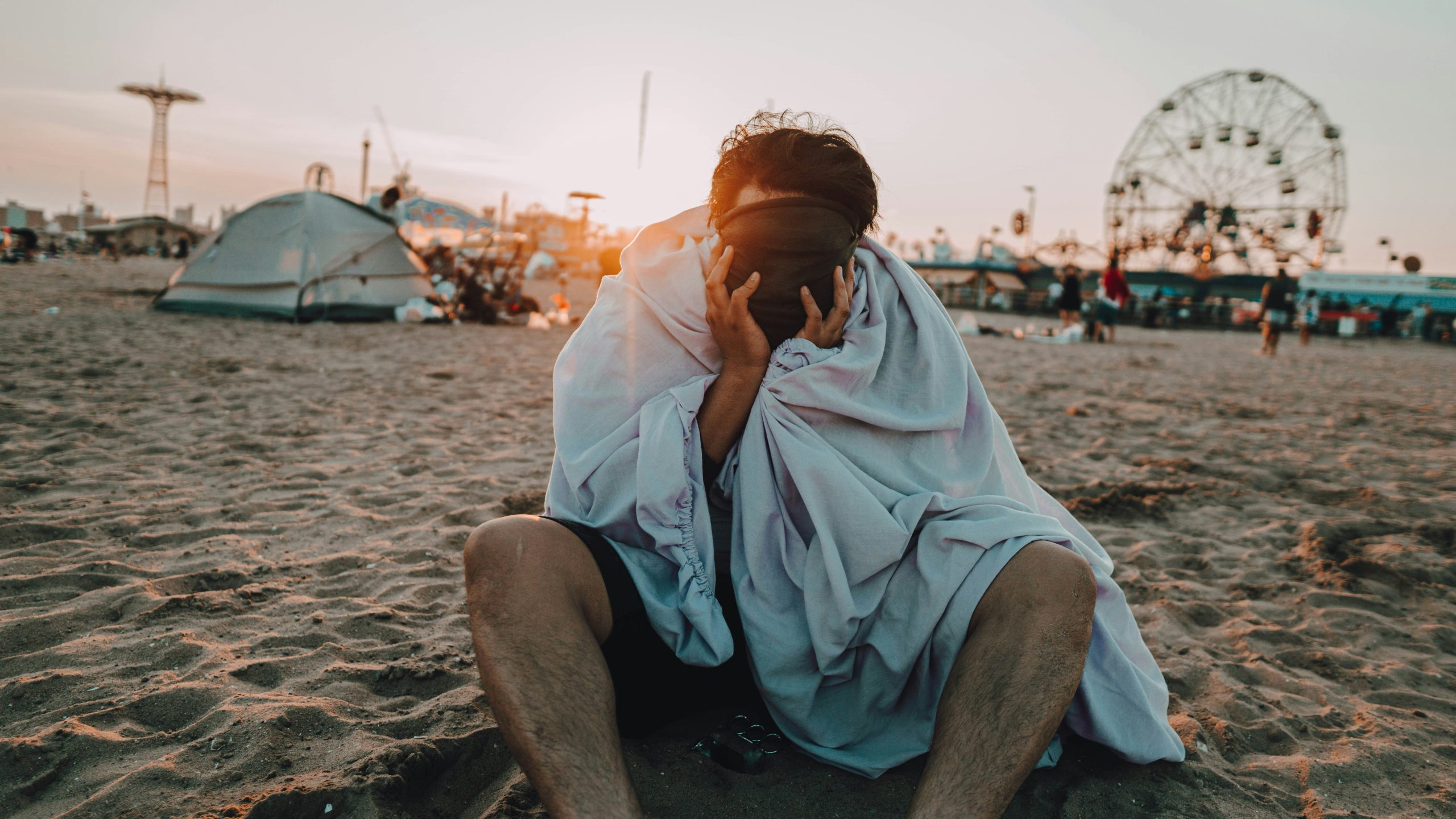
When your core temp hits 104°F (40°C) or higher, your confused body often pulls blood away from the hot skin to protect the organs. This makes the victim suddenly feel freezing cold. They will shiver and beg for a blanket.
Do not give them a blanket.
Shivering generates heat. You are literally cooking them from the inside while they complain about being cold. This is how elderly people die in heatwaves—they put on a sweater because they feel a chill.
If someone is shivering in July, assume heatstroke until proven otherwise.
A final thought from someone who’s been there
I once watched a marathon runner cross the finish line, take three steps, and start arguing with a trash can because he thought it was his wife. He was sweating, he was moving, but he was gone upstairs. It took six ice packs and an IV to bring him back.
Heatstroke doesn’t care if you’re an athlete or a couch potato.
It doesn’t care if you drank a gallon of water yesterday.
It only cares about right now.
Stay cool. Stay humble under the sun. And if someone around you looks “off” in the heat, be the annoying friend who forces them into the shade. You might just save their life.
Have you ever seen someone get heat exhaustion or heatstroke? What was the weirdest symptom you noticed? Let me know in the comments—your story might help someone else recognize the signs.