

Diabetes is a liar.
It tells you you’re fine when you’re not. One more slice of cake? It says that won’t hurt. And skipping your meds just this once? It whispers that’s okay too.
And then it hits you — with a heart attack, kidney failure, or nerve damage you can’t reverse.
I’ve been in pharma for over 13 years. I’ve seen diabetes destroy people. Not because it’s unbeatable — because people don’t take it seriously.
What Is Diabetes — The Short Version
Diabetes is a condition where your body can’t regulate blood sugar properly.
Type 1: Your body doesn’t produce insulin. Autoimmune. Usually diagnosed in childhood or young adulthood.
Type 2: Your body produces insulin but can’t use it effectively. Insulin resistance. Usually linked to lifestyle, genetics, and age.
Gestational: Develops during pregnancy. Usually resolves after delivery — but increases risk of type 2 later.
About 90% of diabetes cases are type 2.
The Numbers — Why This Matters
| Statistic | Detail |
|---|---|
| 37 million Americans | Have diabetes |
| 96 million | Have prediabetes |
| 1 in 4 | Don’t know they have it |
| #7 cause of death | In the US |
These aren’t just numbers. These are people. People who are living with a condition that affects everything they do.
The 2026 Breakthroughs
1. GLP-1 Medications
These are the biggest game-changer in years. Ozempic, Wegovy, Mounjaro — they don’t just control blood sugar. They promote weight loss. They reduce cardiovascular risk. They’re changing how we treat diabetes.
2. CGM Technology
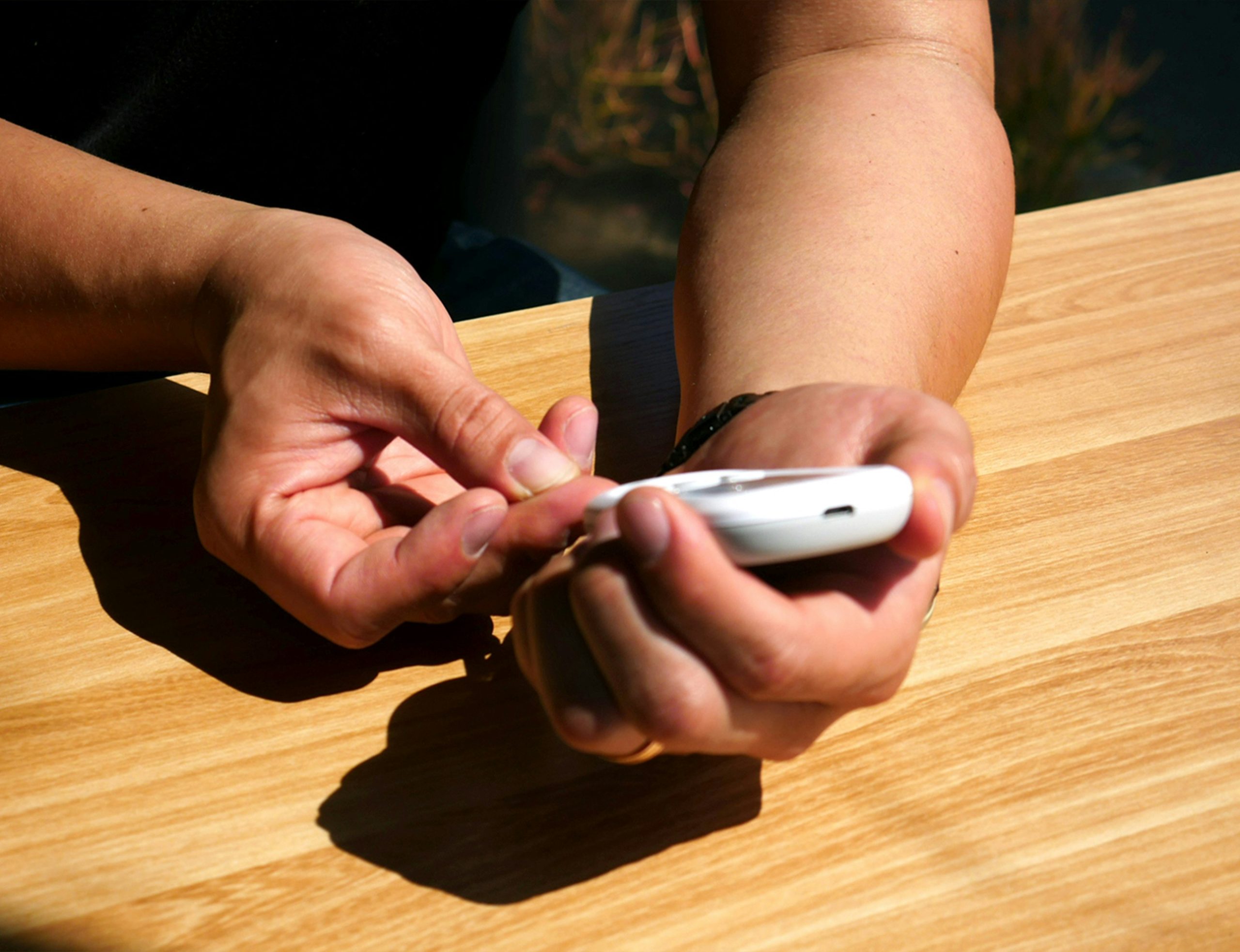
Continuous glucose monitors are getting cheaper and more accurate. Patients can track their blood sugar in real time. No more finger pricks. No more guesswork.
3. Stem Cell Research
In 2025, the first patient was functionally cured of type 2 diabetes using stem cell therapy. It’s still experimental. But it’s real progress.
4. AI in Diabetes Management
AI-powered apps can now predict blood sugar spikes before they happen. They learn your patterns. They suggest adjustments.
What Actually Works for Diabetes Management
1. Medication — Take It Seriously
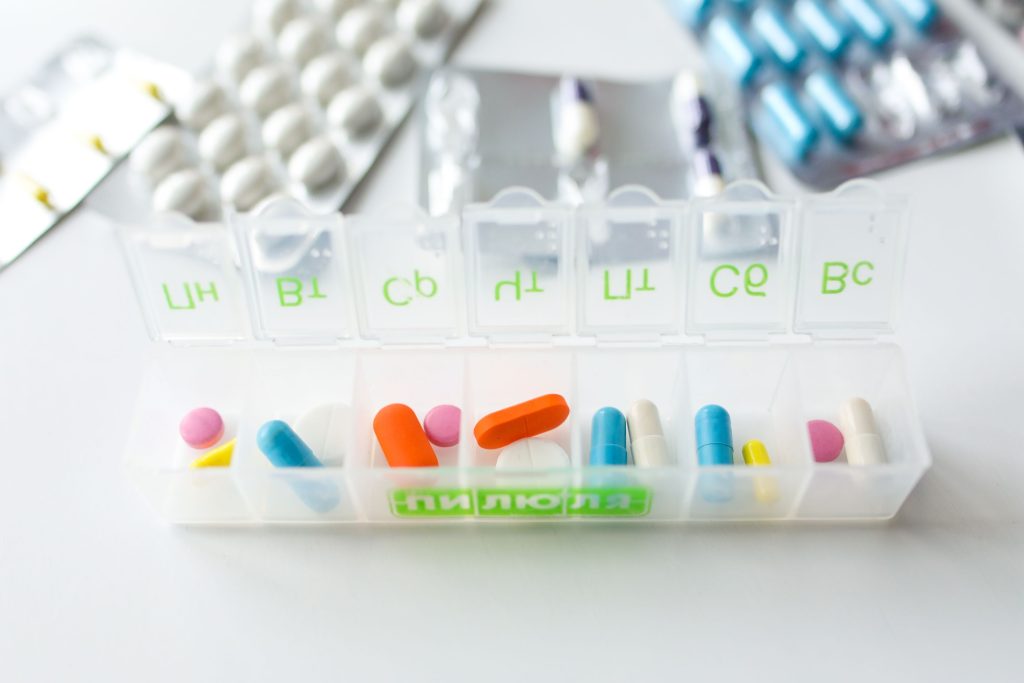
If your doctor prescribes medication, take it. Skipping doses isn’t heroism. It’s neglect.
2. Diet — Food Matters
What you eat directly affects your blood sugar.
| Food | Effect |
|---|---|
| Processed carbs | Spike blood sugar |
| Fiber | Slows glucose absorption |
| Protein | Stabilizes blood sugar |
| Healthy fats | Reduce inflammation |
The Mediterranean diet is consistently ranked the best for diabetes. It’s not a quick fix — it’s a sustainable way of eating.
3. Exercise — Move Your Body
Exercise makes your cells more sensitive to insulin. Even a 15-minute walk after a meal can lower your blood sugar.
| Activity | Benefit |
|---|---|
| Walking | Lowers blood sugar immediately |
| Strength training | Improves insulin sensitivity |
| Aerobic exercise | Reduces cardiovascular risk |
4. Sleep — Don’t Ignore It
Poor sleep raises cortisol. Cortisol raises blood sugar. It’s a vicious cycle.
Get 7-8 hours of quality sleep. It’s not optional.
5. Stress Management
Stress raises blood sugar. Period.
Find what works for you. Meditation. Exercise. Talking to someone. Whatever it is — do it.
Complications — Why You Can’t Ignore Diabetes
| Complication | Risk |
|---|---|
| Heart disease | 2-4x higher risk |
| Kidney disease | Leading cause of kidney failure |
| Nerve damage | Can lead to amputation |
| Eye damage | Leading cause of blindness |
| Foot problems | Poor circulation, infections |
These are avoidable. Control your blood sugar. Get regular checkups. Don’t ignore warning signs.
A Personal Story
I had a friend who ignored his diabetes for years. He didn’t check his blood sugar. Medication? Not consistent either. And he thought he felt fine.
Then he had a heart attack.
He survived. But it was a wake-up call. He changed everything. Diet. Exercise. Even his medication routine.
A year later, his blood sugar was under control. He lost weight. He felt better than he had in years.
It wasn’t too late for him. And it’s not too late for you.
My Honest Take
I’m not a doctor. I’m a chemist who’s been in pharma long enough to know that diabetes doesn’t have to be a death sentence.
It’s a condition you manage. Not a life sentence.
Take your medication. Eat real food. Move your body. Get enough sleep. Manage your stress.
These aren’t suggestions. They’re requirements.
Written by Altaf Khan | MSc Chemistry, MBA, QC Manager | Medical Bluff
Reviewed by: Dr. Ayesha, Medical Reviewer
References
-
CDC. Diabetes Statistics. 2025.
-
American Diabetes Association. Standards of Care. 2026.
-
New England Journal of Medicine. GLP-1 and Cardiovascular Outcomes. 2025.
-
Nature Medicine. Stem Cell Therapy for Type 2 Diabetes. 2025.
Keep Reading — More from Medical Bluff
📌 Pillar Posts:
📌 Health & Wellness: