

Medical Bluff

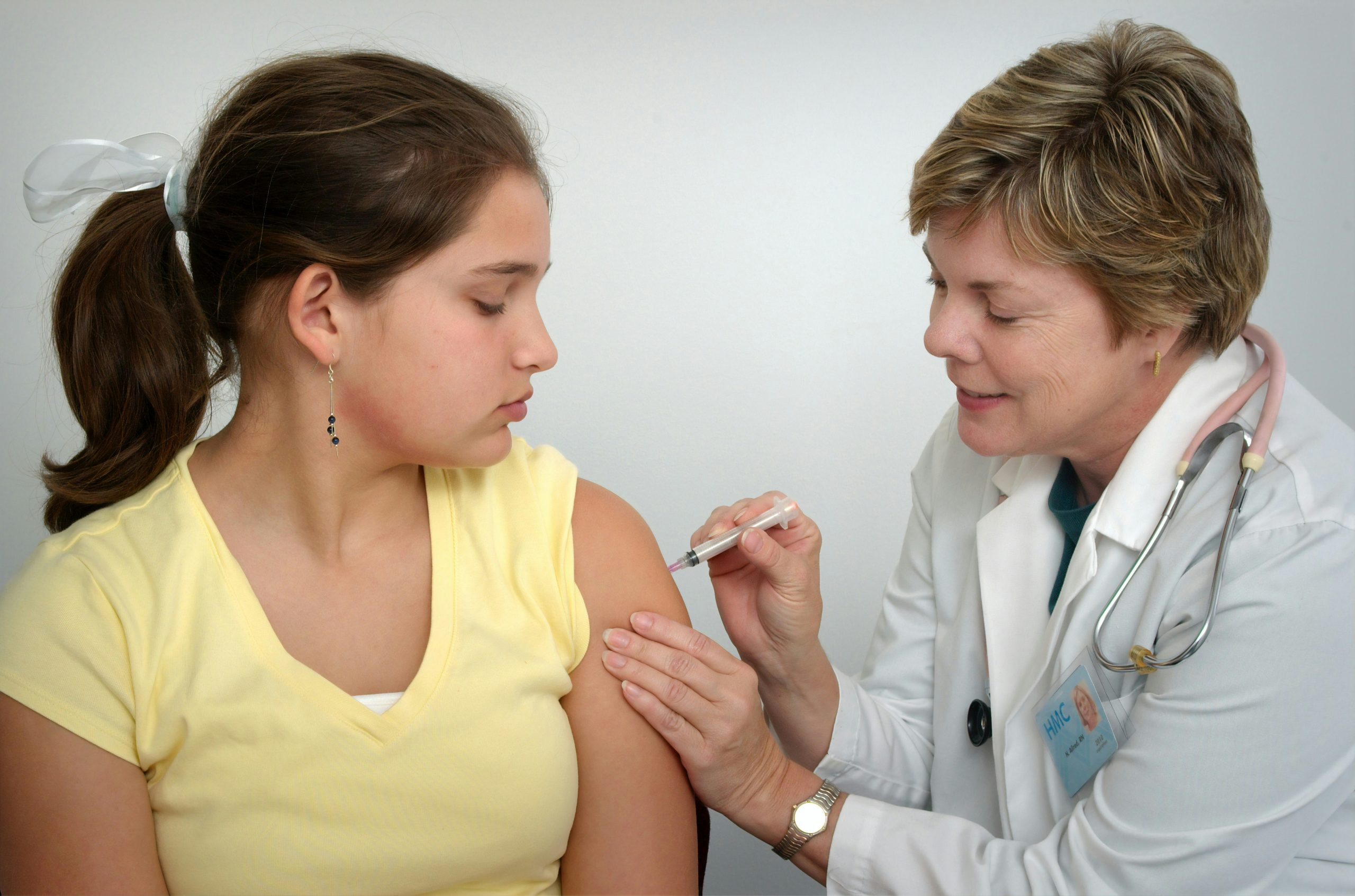
Measles Outbreak 2026: The Wake-Up Call

measles outbreak 2026

Measles Outbreak 2026: Why Vaccine-Preventable Diseases Are Back

Measles was supposed to be eliminated in the United States in 2000.

In 2026, it’s back — with a vengeance.

As of March 2026, the US has reported 1,487 measles cases — the highest number in decades . Canada has reported 582 cases. The UK is dealing with a meningitis outbreak in Kent that has already claimed two lives .

This isn’t just a statistical blip. It’s a warning.

Health experts are calling it a “wake-up call” for vaccine confidence . And the numbers tell a clear story: 92% of measles cases in the US are in unvaccinated or under-vaccinated people .

Let me walk you through what’s happening, why it’s happening, and what you need to know.


The Numbers: Measles in 2026

Region Measles Cases (2026) Key Detail
United States 1,487 92% unvaccinated 
Canada 582 60% in children 
UK 20 (meningitis outbreak) Two deaths, young people affected 
Utah 443 Largest US outbreak 
Texas 147 Linked to detention center 

The age group most affected in the US is 5-19 year old’s (53% of cases), followed by children under 5 (21%) . This is not a disease of adults — it’s hitting young people hardest.

Source: Pandemics Center, Roskilde University, March 2026. 


Why Is Measles Back?

1. Falling Vaccination Rates

Measles requires 95% vaccination coverage to maintain herd immunity. Many communities have fallen below this threshold.

The reasons are complex:

  • Vaccine hesitancy fueled by misinformation

  • Access issues — some families can’t get to a doctor

  • Complacency — people forgot how dangerous measles can be

2. Health Misinformation

Health misinformation has become “one of the most destabilizing forces in global health” . Vaccine safety myths — including false claims about infertility, toxic ingredients, and severe side-effects — continue to spread widely on social media .

The 2025 Edelman Trust Barometer found that one in three young adults worldwide feels uncertain about childhood vaccines and relies more on social media than on doctors .

3. Geopolitical Instability and Conflict

The Global Preparedness Monitoring Board warns that conflict and trust erosion are making societies “poorer, more unequal, and more divided” — undermining pandemic and outbreak preparedness .

4. Global Health Funding Cuts

Official development assistance for global health is projected to fall 9-17% in 2025, with WHO warning that external health aid could be 30-40% lower than in 2023 .


Is Measles Really That Dangerous?

Yes.

Measles is one of the most contagious diseases on the planet. One infected person can spread it to 90% of susceptible people they come into contact with.

Complications include:

  • Pneumonia (the most common cause of death)

  • Brain swelling (encephalitis)

  • Blindness

  • Immune suppression — measles “wipes” the immune system’s memory, making you more vulnerable to other diseases for years 

In 2026 data:

  • 74 hospitalizations (5% of US cases)

  • 3 measles deaths so far in the US 


The UK Outbreak: More Than Measles

In the UK, a meningitis outbreak in Kent has been linked to falling vaccination rates for MenACWY (meningitis vaccine) .

Outbreak Detail What happened
Location Kent, UK
Cases 20 confirmed
Deaths 2
Most affected Young people in Canterbury

The UK Health Security Agency is now offering antibiotics and vaccinations to people exposed to the outbreak .


What’s Being Done?

1. Global Health Organizations Responding

Gavi, the Vaccine Alliance, has launched a Resilience Mechanism to respond rapidly to health emergencies in conflict and fragile settings .

2. Tech Companies Getting Involved

Gavi and WHO are increasingly working with Google and Meta to promote reliable health information online and combat misinformation .

3. Training Health Workers

Gavi invests in programmed to train health workers so they can better meet community needs for vaccination and respond to rumor’s .

4. WHO’s 3 by 35 Initiative

The WHO-led initiative calls for tax increases on tobacco, alcohol, and sugary drinks to help establish sustainable, domestically sourced health financing as foreign aid falls .


What You Can Do

Action Why it matters
Check your vaccine status MMR vaccine (measles, mumps, rubella) is highly effective — two doses provide 97% protection
Talk to your doctor If you’re unsure about your vaccination history, a blood test can check immunity
Share accurate information Trusted sources: CDC, WHO, NHS
Support vaccination programmes Vaccines save lives — they’re one of the most cost-effective public health interventions ever developed

The Bottom Line

Measles is not a harmless childhood illness.

It’s a serious, highly contagious disease that can kill or cause permanent disability. And it’s making a comeback in 2026 — driven by falling vaccination rates, health misinformation, and global health funding cuts .

The good news: measles is preventable. The MMR vaccine is safe, effective, and has been protecting people for decades .

If you or your children haven’t been vaccinated — talk to your doctor today.


You may also like:
📖 Men’s Health After 50: No-BS Guide
📖 Air Pollution Effects on Health
📖 Women’s Health and Wellness


Written by Altaf Khan | MSc Chemistry, MBA, QC Manager | Medical Bluff


References

  1. PandemiX Center, Roskilde University. “Pandemiology Watch (March 18-24, 2026).” March 2026. 

  2. Gavi, the Vaccine Alliance. “Six major health threats that could shape 2026.” February 2026. 

  3. Euronews Health. “Understanding the health issues set to dominate 2026.” January 2026. 

  4. The BMJ. “Disease outbreaks more frequent and deadly as world moves backwards.” May 2026. 

Popular Posts:

bird flu 2026

Bird Flu (H5N1) — 2026 Update: What You Need to Know

Bird Flu (H5N1) — 2026 Update: What You Need to Know You might have seen headlines about bird flu again. And it’s not just about chickens anymore. The H5N1 strain of avian influenza has been making headlines since 2024, but in 2026, the situation has evolved. The virus has been detected in dairy cattle, and human cases have been reported in the US and Cambodia. 🦠 While the current risk to the general public remains low, health officials are watching the virus closely. Its ability to mutate and jump species makes it a candidate for the next pandemic. Here’s what you need to know right now. The 2026 Situation: What’s Happening? Event Details US Human Cases Nearly 70 human cases reported since April 2024. First severe case (Dec 2024) in Louisiana. Cambodia Cases Two human cases in 2026 — one fatal. Both had contact with sick poultry. US Dairy Cattle Virus detected in dairy herds across multiple states. Canada A teenager hospitalized in British Columbia in late 2024 with H5N1. The fact that the virus is now appearing in mammals (cattle, cats, etc.) is a red flag. The more species it infects, the more chances it has to mutate into a form that could spread easily among humans. Source: CIDRAP News (Feb 2026). How Does Bird Flu Spread to Humans? Bird flu viruses usually spread through close contact with infected birds or their droppings, saliva, or contaminated environments. For H5N1, the main routes are: Contact with infected poultry (live or dead) Touching surfaces contaminated with bird droppings or secretions Inhalation of droplets from infected birds (in closed spaces) Does it spread easily between humans? Currently, no. There is no evidence of sustained human-to-human transmission. But that’s what health officials are worried about. A mutation could change that overnight. Symptoms of H5N1 in Humans If a person catches H5N1, symptoms can be severe: High fever Cough (often dry) Sore throat Muscle aches Shortness of breath or difficulty breathing Pneumonia (in severe cases) Human cases have a high mortality rate — but early detection and treatment can improve outcomes. What’s Being Done? Action Who Surveillance WHO and CDC are closely monitoring human and animal cases. Vaccine development Several H5N1 vaccines are in development or stockpiled in case of a pandemic. Culling Infected poultry flocks are culled to prevent spread. Public awareness People in affected areas are advised to avoid contact with sick or dead birds. Bird Flu vs. COVID-19: Key Differences Factor Bird Flu (H5N1) COVID-19 Current Transmission Limited human-to-human Highly contagious Mortality Rate Historically high (~50% in reported cases) Lower in healthy people Vaccines Available for poultry, limited for humans Widely available Public Risk Low (currently) High (globally) Should You Be Worried? Real talk: The general public does not need to panic. The risk of catching H5N1 is currently very low for most people. But if you work with poultry, birds, or wildlife, it’s a different story. You should: Use protective gear (gloves, masks) Wash your hands frequently Report sick or dead birds to authorities Get your seasonal flu vaccine — it won’t protect against H5N1, but it helps reduce the chance of co-infection (which could lead to mutations) Bottom Line Bird flu (H5N1) is a serious disease that we need to keep an eye on. So far, it’s not a human pandemic, but it has pandemic potential. The key takeaway is: the virus is mutating and adapting — and the world is watching. For now, stay informed, stay calm, and avoid contact with sick or dead birds. 🐦🛑 You may also like: 📖 Measles Outbreak 2026: The Wake-Up Call 📖 JN-1 COVID Symptoms: Key Differences 📖 Air Pollution Effects on Health Written by Altaf Khan | MSc Chemistry, MBA, QC Manager | Medical Bluff References European Centre for Disease Prevention and Control. “Avian influenza A(H5N1) — first severe human case in the US, increased detections in poultry.” December 2024. Centers for Disease Control and Prevention. “Bird Flu.” Updated June 2026. World Health Organization. “Influenza (Avian and other zoonotic).” 2026. Government of Canada. “Avian influenza.” May 2026. UCLA Health. “Bird flu: What you need to know about H5N1.” October 2025.

diabetes management

Diabetes Management in 2026: New Options Beyond Insulin

Diabetes Management in 2026: New Options Beyond Insulin If you or someone you love has diabetes, you know the drill. Check blood sugar. Calculate carbs. Inject insulin. Worry about highs and lows. Repeat. For decades, this was the only option. Not anymore. Diabetes management has changed more in the last 5 years than in the previous 50. In 2026, patients have access to tools that were science fiction a decade ago — and some that don’t require injections at all. Let me walk you through what’s new, what works, and what’s coming next. Quick Summary: Diabetes Management in 2026 at a Glance Category What’s New in 2026 Medications GLP-1s for diabetes + weight + heart + kidney Technology Smart insulin pens, closed-loop systems Monitoring Continuous glucose monitors (CGM) are standard Stem cells First Type 2 diabetes reversal reported Lifestyle Personalized nutrition based on glucose response Telemedicine Remote monitoring and virtual endocrinology visits Reference: American Diabetes Association (ADA). “Standards of Medical Care in Diabetes — 2026.” The Big Picture: Diabetes by the Numbers (2026) Statistic Global United States People with diabetes 537 million 38 million Undiagnosed cases ~240 million ~8 million Prediabetes ~720 million ~96 million Healthcare cost (annual) $966 billion $327 billion Type 1 diabetes: Autoimmune — body doesn’t produce insulin (5-10% of cases). Type 2 diabetes: Insulin resistance + eventual beta cell failure (90-95% of cases). Reference: International Diabetes Federation (IDF). “Diabetes Atlas, 11th edition.” 2025. What’s New in Diabetes Medications (2026) 1. GLP-1 Receptor Agonists (Beyond Blood Sugar) Drugs like Ozempic, Wegovy, Mounjaro, and Zepbound are no longer “just” diabetes or weight loss meds. What they do: Lower blood sugar Reduce appetite → weight loss (15-20%) Reduce major cardiovascular events (heart attack, stroke) by ~20% Slow progression of chronic kidney disease Emerging evidence for sleep apnea, arthritis, addiction Who they’re for: Type 2 diabetes, especially with obesity or heart/kidney disease. Reference: SELECT trial. New England Journal of Medicine. 2024. 2. SGLT2 Inhibitors (Still Underrated) Drugs like Farxiga, Jardiance, Invokana. What they do: Lower blood sugar by excreting glucose in urine Reduce heart failure hospitalizations Slow kidney disease progression Minimal risk of hypoglycemia (low blood sugar) Who they’re for: Type 2 diabetes with heart failure or kidney disease. Reference: EMPA-KIDNEY trial. New England Journal of Medicine. 2023. 3. Once-Weekly Insulin (Finally) For Type 2 diabetes patients on insulin — instead of daily injections. What’s new: Icodec (insulin once weekly) approved in Europe, under FDA review. Benefit: 1 injection per week instead of 7-14. Challenge: Dosing adjustment takes longer. Reference: Novo Nordisk. “Icodec clinical trial results.” 2025. Technology Revolution: Diabetes Management in 2026 1. Continuous Glucose Monitors (CGM) Are Now Standard What they do: A small sensor under your skin measures glucose every 5 minutes. Sends data to your phone. Benefits: No fingersticks (or very few) See real-time glucose and trends Alerts for highs and lows Share data with doctor or family Popular devices in 2026: Dexcom G7, Freestyle Libre 3, Medtronic Guardian 5. Reference: Diabetes Technology Society. “CGM guidelines.” 2025. 2. Hybrid Closed-Loop Systems (Artificial Pancreas) What they do: CGM + insulin pump + algorithm = automated insulin delivery. How it works: CGM reads glucose Algorithm predicts where glucose is heading Pump increases or decreases insulin automatically Result: Much less work for the patient. Time-in-range (70-180 mg/dL) increases from ~50% to ~75%. Popular systems in 2026: Tandem Control-IQ, Medtronic MiniMed 780G, Omnipod 5. Reference: Brown SA, et al. “Closed-loop control in Type 1 diabetes.” New England Journal of Medicine. 2019;381:1707-1717. 3. Smart Insulin Pens What they do: Bluetooth-enabled insulin pens that track dose, timing, and temperature. Syncs with phone app. Benefits: No more guessing “Did I take my insulin?” Dose tracking and reminders Data sharing with doctor Popular devices in 2026: InPen (Medtronic), NovoPen 6, NovoPen Echo Plus. Reference: American Diabetes Association. “Smart insulin pen technology.” 2025. Stem Cell Therapy: The First Type 2 Diabetes Reversal In April 2024, researchers in China reported the first-ever case of Type 2 diabetes reversal using stem cell therapy. The patient: 59-year-old man, 25-year history of Type 2 diabetes. Daily insulin injections. The treatment: Doctors took his own blood cells, reprogrammed them into insulin-producing cells (E-islets), and transplanted them back into his body. The result: Within 11 weeks, he was off all insulin. As of 2026, he remains drug-free. Caveats: One patient does not make a cure Currently only available in research settings Type 1 diabetes is different (autoimmune attack on new cells) Reference: Fang X, et al. “Treating a type 2 diabetic patient with autologous E-islet transplantation.” Cell Discovery. 2024;10:45. Lifestyle and Personalized Nutrition 1. Precision Nutrition (Based on Glucose Response) Not everyone responds to food the same way. Two people can eat the same banana — one will have a normal glucose spike, the other a massive spike. What’s new in 2026: CGM data + AI = personalized food recommendations. What you learn: Exactly which foods spike YOUR glucose. Eat those foods later in the day, pair with protein/fat, or avoid entirely. Reference: Zeevi D, et al. “Personalized nutrition by prediction of glycemic responses.” Cell. 2015;163(5):1079-1094. 2. Time-Restricted Eating (Intermittent Fasting) The evidence: Eating within an 8-10 hour window (e.g., 10 AM to 6 PM) improves insulin sensitivity, reduces blood sugar, and promotes weight loss. 2026 update: New research shows timing matters more than previously thought — early time-restricted eating (eating earlier in the day) is more effective than late eating windows. Reference: Jamshed H, et al. “Early time-restricted eating for Type 2 diabetes.” JAMA Network Open. 2023. 3. Fiber and Gut Health The evidence: High-fiber diet (30-40g/day) improves insulin sensitivity and reduces inflammation. Best sources: Beans, lentils, oats, berries, nuts, seeds, vegetables. Reference: Reynolds A, et al. “Carbohydrate quality and human health.” The Lancet. 2019;393(10170):434-445. Diabetes Management by Type Strategy Type 1 Diabetes Type 2 Diabetes Insulin Always required Often required eventually CGM Highly recommended Recommended (especially if on insulin) Closed-loop system Best available technology Emerging (some Type 2 pumps now available) GLP-1 medications Not approved (but studied) Highly recommended (if indicated) SGLT2 inhibitors Not approved (kidney protection studied) Recommended (if heart/kidney disease) Lifestyle changes Important but don’t replace insulin First-line treatment Stem cell therapy Research only (autoimmune challenge) First reversal reported Emerging Treatments on the Horizon (2026-2030) Treatment Timeline What it does

glp-1 medications

GLP-1 Medications: Beyond Weight Loss 2026’s Top Health Trend

GLP-1 Medications: Beyond Weight Loss — 2026’s Top Health Trend You’ve heard of Ozempic. Wegovy. Mounjaro. These drugs exploded into public consciousness as “miracle weight loss shots.” And yes, they are remarkably effective for weight management. But that’s not the full story. In 2026, GLP-1 medications are being recognized as something much bigger: a revolutionary tool for chronic disease management . According to U.S. News & World Report’s survey of 58 doctors, dietitians, and health researchers — GLP-1 expansion is the #1 health trend of 2026 . Let me explain what these drugs are, what they can do, and why experts are calling them “a veritable Swiss army knife for chronic disease” . Quick Summary: GLP-1 Medications at a Glance Aspect Details What they are Glucagon-like peptide-1 receptor agonists (originally developed for Type 2 diabetes) Common brand names Ozempic, Wegovy, Mounjaro, Zepbound How they work Mimic natural GLP-1 hormone — slow digestion, reduce appetite, improve insulin sensitivity Originally approved for Type 2 diabetes Now also approved for Obesity, cardiovascular disease prevention Emerging uses (research) Kidney disease, heart failure, arthritis, addiction, Alzheimer’s US adults who have used ~1 in 8 to 1 in 5 (and rising)  Reference: U.S. News & World Report. “Top Health and Nutrition Trends for 2026.” January 2026 . What Are GLP-1 Medications? GLP-1 stands for glucagon-like peptide-1 — a natural hormone your gut produces when you eat. This hormone does several things: Tells your pancreas to release insulin (lowers blood sugar) Slows down how fast your stomach empties (you feel fuller longer) Signals your brain that you’re satisfied (reduces cravings) GLP-1 medications — like Ozempic, Wegovy, Mounjaro, and Zepbound — are synthetic versions of this hormone. They were first approved for Type 2 diabetes. But researchers noticed something interesting: patients lost significant weight. Then more benefits emerged. Reference: American Diabetes Association. “GLP-1 Receptor Agonists.” 2025. The #1 Health Trend of 2026: GLP-1 Expansion Why is this the top trend? Because GLP-1s are no longer just diabetes or weight loss drugs. Clinical trials are showing benefits for: Condition Evidence level Heart disease FDA approved (reduces major cardiovascular events by ~20%) Kidney disease Strong clinical trial evidence (SELECT trial, FLOW trial) Sleep apnea FDA approved (Zepbound for moderate-to-severe) Arthritis Promising early data (reduces inflammation) Addiction (alcohol, smoking) Emerging evidence (reduces cravings) Heart failure Phase 3 trials positive Alzheimer’s Large trials ongoing (results expected 2026-2027) Reference: U.S. News & World Report. “Top Health Trends for 2026.” January 2026 . What experts are saying: *“GLP-1s are becoming a veritable Swiss army knife for chronic disease management, with potential impacts ranging from heart health and kidney disease to fertility, arthritis and even addiction treatment.”*  *“The explosion of GLP-1s use will continue, and with the cost decreasing, increased utilization will increase our understanding of the benefits and use for other health issues.”* — Melina Jampolis, MD  How GLP-1s Work for Chronic Disease (The Mechanisms) 1. Cardiovascular Protection GLP-1s reduce major adverse cardiovascular events (MACE) — heart attack, stroke, cardiovascular death — by approximately 20% in people with Type 2 diabetes and established heart disease . Why? Beyond weight loss, GLP-1s: Reduce inflammation in blood vessels Lower blood pressure Improve cholesterol profiles Reduce plaque formation Reference: SELECT trial. New England Journal of Medicine. 2024. 2. Kidney Protection The FLOW trial (2024) showed that GLP-1s significantly reduce progression of chronic kidney disease in people with Type 2 diabetes. Benefit: Slowed decline in kidney function, reduced risk of kidney failure by ~24%. Reference: FLOW trial. New England Journal of Medicine. 2024. 3. Anti-Inflammatory Effects GLP-1s appear to reduce systemic inflammation — independent of weight loss. This has implications for: Rheumatoid arthritis Psoriasis Inflammatory bowel disease Reference: Drucker DJ. “GLP-1 biology and beyond.” Cell Metabolism. 2024. 4. Addiction Reduction Emerging research suggests GLP-1s reduce cravings for: Alcohol Nicotine Opioids Mechanism: GLP-1 receptors in the brain’s reward centers — reducing the “reward” sensation from addictive substances. Reference: Journal of Clinical Investigation. “GLP-1 and addiction.” 2025. What This Means for Patients If you have GLP-1 could potentially help with Type 2 diabetes Blood sugar control + weight + heart + kidney Obesity Weight loss + metabolic health Heart disease Reduced risk of heart attack/stroke Chronic kidney disease Slowed progression Sleep apnea Reduced severity Arthritis (potentially) Reduced inflammation Alcohol use disorder (emerging) Reduced cravings Important: GLP-1s are prescription medications. Always consult your doctor. The Ripple Effect: How GLP-1s Are Changing Everything Experts note that GLP-1s have ignited change across the entire health ecosystem : Industry impact Example Meal planning Muscle retention diets for people on GLP-1s Supplementation Preventing nutrient deficiencies in those eating less Food industry Smaller portions, higher nutrient density Fitness Exercise programs designed to maintain muscle mass Mental health Addressing emotional eating alongside medication *“People on GLP-1 medications find themselves wanting to eat less food overall, which makes the foods that people do choose to eat even more important. The cumulative nutrients that you’d consume in a day must now fit in a smaller package.”*  How GLP-1s Compare to Other Treatments Condition GLP-1s Traditional Treatment Type 2 diabetes Blood sugar + weight + heart + kidney Metformin (blood sugar only) Obesity 15-20% weight loss + metabolic benefits Diet/exercise alone (~5% loss) Heart disease Reduced MACE events Statins, beta-blockers Sleep apnea Reduced AHI score CPAP machine Limitations and Considerations Factor What to know Cost Still expensive ($900-1,300/month without insurance) — but costs decreasing Side effects Nausea, diarrhea, vomiting, constipation (usually improve over time) Not for everyone Not recommended for people with certain thyroid cancers or pancreatitis history Long-term effects Still being studied (drugs are relatively new for weight management) Lifestyle still matters Outcomes better when paired with healthy eating and exercise  “They really do provide a lot of benefit, but I don’t think they’re the cure-all either. Lifestyle habits still matter.” — Julia Zumpano, RD  The Future: What’s Coming in 2026-2027 Development Timeline Pill forms of GLP-1s (not injections) Some already approved (Rybelsus), more coming Lower costs Generic versions and increased competition Alzheimer’s trial results 2026-2027 Expanded insurance coverage Under review Pediatric approvals Ongoing studies The Bottom Line GLP-1 medications are no longer niche diabetes drugs. They are 2026’s #1 health trend — and for good reason.

cardiac arrest vs heart attack

Cardiac Arrest vs Heart Attack: What’s the Difference?

Cardiac Arrest vs Heart Attack: What’s the Difference? Most people use the terms “cardiac arrest” and “heart attack” interchangeably. That’s a mistake — and in an emergency, that confusion can cost a life. They are completely different conditions with different causes, different symptoms, and different treatments. Let me break it down in the simplest way possible. Quick Comparison: Cardiac Arrest vs Heart Attack Feature Heart Attack Cardiac Arrest What it is Plumbing problem (blocked artery) Electrical problem (heart stops beating) Cause Blood flow to heart muscle is blocked Heart’s electrical system malfunctions Heartbeat Usually continues (may be irregular) Stops completely Consciousness Person is awake (may pass out later) Immediately unconscious Breathing Normal or short of breath Not breathing or gasping Pulse Usually present No pulse Treatment Open blocked artery (stents, clot busters) Defibrillation (AED) + CPR Survival without treatment Hours Minutes (4-6) Key takeaway: A heart attack can lead to cardiac arrest — but most heart attacks do not. Cardiac arrest is always an emergency. What Is a Heart Attack? (Plumbing Problem) A heart attack (medically called myocardial infarction) happens when blood flow to part of the heart muscle is blocked. Why it happens: Plaque (fat, cholesterol) builds up in coronary arteries A plaque ruptures, forming a blood clot The clot blocks blood flow Result: Heart muscle starts to die from lack of oxygen. Symptoms: Chest discomfort (pressure, squeezing, fullness) Pain in one or both arms, back, neck, jaw, stomach Shortness of breath Cold sweat, nausea, lightheadedness What to do: Call emergency services immediately. Don’t wait. Reference: American Heart Association (AHA). “Heart Attack Symptoms.” 2025. What Is Cardiac Arrest? (Electrical Problem) Cardiac arrest happens when the heart’s electrical system malfunctions. The heart stops beating effectively — or stops beating completely. Why it happens: Ventricular fibrillation (heart quivers instead of pumps) Ventricular tachycardia (too fast to pump blood) Other arrhythmias Result: Blood stops flowing to the brain and other organs. Symptoms: Sudden collapse No pulse Not breathing or gasping Loss of consciousness What to do: Call emergency services, start CPR immediately, use an AED if available. Reference: American Heart Association (AHA). “Cardiac Arrest vs Heart Attack.” 2025. The Connection: How Heart Attack Can Lead to Cardiac Arrest A heart attack can trigger cardiac arrest — but it’s not automatic. When a large heart attack damages the heart muscle, it can disrupt the heart’s electrical system. Scar tissue from a prior heart attack can also increase cardiac arrest risk. However: Most heart attacks do NOT lead to cardiac arrest. People having heart attacks are usually awake and talking. What to Do: Emergency Response Situation Action Person has chest pain, is awake and breathing Call emergency services. Person likely having heart attack. Keep them calm, sitting up if comfortable. Person collapses, not breathing, no pulse Call emergency services. Start CPR immediately. Push hard and fast in center of chest (100-120 compressions/minute). Use AED if available. Reference: Red Cross. “First Aid for Cardiac Arrest.” 2025. Risk Factors for Both Risk Factor Heart Attack Cardiac Arrest High blood pressure ✅ ✅ High cholesterol ✅ ✅ Smoking ✅ ✅ Diabetes ✅ ✅ Family history of heart disease ✅ ✅ Prior heart attack ✅ ✅ Prior cardiac arrest ❌ ✅ Heart failure ✅ ✅ Certain arrhythmias ❌ ✅ Prevention: How to Reduce Your Risk Action Why it helps Control blood pressure Reduces strain on heart and arteries Manage cholesterol Prevents plaque buildup Don’t smoke Smoking damages blood vessels Exercise regularly Strengthens heart muscle Healthy diet (Mediterranean style) Reduces inflammation and plaque Know family history Genetic risk factors matter Reference: Centers for Disease Control and Prevention (CDC). “Heart Disease Prevention.” 2025. The Bottom Line Cardiac arrest and heart attacks are not the same. Heart attack = plumbing problem. Blood flow blocked. Person usually awake. Call ambulance. Hospital can open the artery. Cardiac arrest = electrical problem. Heart stops. Person collapses, not breathing. Call ambulance, start CPR, use AED immediately. A heart attack can lead to cardiac arrest — but most don’t. Knowing the difference could save someone’s life. Share this with someone you love. You may also like: 📖 Heatstroke Symptoms: 4 Red Flags That Appear Before Collapse 📖 Electric Medicine: Drug-Free Depression Relief 📖 Men’s Health After 50: No-BS Guide Written by Altaf Khan | MSc Chemistry, MBA, QC Manager | Medical Bluff References American Heart Association (AHA). “Heart Attack Symptoms.” 2025. American Heart Association (AHA). “Cardiac Arrest vs Heart Attack.” 2025. Red Cross. “First Aid for Cardiac Arrest.” 2025. Centers for Disease Control and Prevention (CDC). “Heart Disease Prevention.” 2025.

Share:

Send Us A Message