


Muhammad Johar Altaf Khan
QC Manager | MSc Chemistry | MBA | 13+ Years in Pharmaceutical Quality
I am a pharmaceutical quality professional with more than 13 years of experience in quality control, analytical testing, and pharmaceutical manufacturing. I specializes in translating complex medical and pharmaceutical topics into clear, evidence-based health information that is easy for everyday readers to understand.
Dr. Ayesha
MBBS | Family Physician
Medical Reviewed by: Dr. Ayesha, MBBS, Family Physician. This article has been medically reviewed for scientific accuracy and reflects current evidence available at the time of publication.
Reading Time: Approximately 8–10 minutes
Introduction
Watching the number on the scale go down feels like a victory. Better-fitting clothes, more energy, and seeing months of hard work finally pay off are the moments we all look forward to during a weight-loss journey. Then one day, the mirror reflects something unexpected—a slimmer face, less fullness in the cheeks, or a more tired appearance than expected.
This unexpected change is often called Ozempic face. Despite the name, many people are left wondering whether Ozempic is actually harming their skin or if these changes are simply part of losing weight. In this evidence-based guide, we’ll separate facts from myths, explain what current research shows, and share practical ways that may help reduce the appearance of Ozempic face while supporting healthy, sustainable weight loss.
Question: Is Ozempic face permanent?
Quick Answer
Ozempic face is a non-medical term used to describe facial volume loss that some people notice during rapid weight loss while taking GLP-1 medications such as Ozempic (semaglutide). (Sources: FDA Ozempic Prescribing Information Novo Nordisk Ozempic Prescribing Information
Current evidence suggests these changes are mainly caused by the loss of facial fat rather than the medication directly damaging the skin or collagen. (Sources: STEP 1 Trial (New England Journal of Medicine) American Academy of Dermatology: GLP-1 drugs and skin changes
Although there is no guaranteed way to prevent Ozempic face, gradual weight loss under medical supervision, good nutrition, and healthy skincare habits may help reduce its appearance. (Sources: American Academy of Dermatology: GLP-1 drugs and skin changes American Academy of Dermatology: Choosing the Right Sunscreen
QUICK SUMMARY
| Question | Quick Answer |
|---|---|
| What is Ozempic face? | A non-medical term used to describe facial volume loss that some people notice during rapid weight loss while taking GLP-1 medications such as Ozempic (semaglutide). |
| Does Ozempic directly damage collagen? | Current evidence suggests that these changes are mainly linked to the loss of facial fat rather than semaglutide directly damaging collagen or facial skin. |
| Can Ozempic face be prevented? | There is no guaranteed way to prevent it, but gradual weight loss under medical supervision, good nutrition, and healthy skincare habits may help reduce the risk. |
| Should you stop taking Ozempic? | No. Never stop or change your medication without first speaking to your healthcare provider. |
The Science Behind Ozempic Face
It’s easy to assume that Ozempic is changing your face. That’s an understandable concern, but current clinical evidence points to a different explanation. The facial changes associated with Ozempic face are mainly linked to rapid fat loss rather than the medication directly damaging the skin or collagen. (Sources: STEP 1 Trial – New England Journal of Medicine; American Academy of Dermatology – GLP-1 Drugs and Skin Changes)
Think of your face like a cushion. The skin is the outer cover, while the fat underneath acts as the filling that gives your face its natural shape and volume. As you lose weight, your body uses stored fat for energy, including some of the fat beneath the skin. If that fat disappears faster than your skin can adjust, your cheeks may look flatter, fine lines and wrinkles may become more noticeable, and your face may appear older than before.
Ozempic (semaglutide) belongs to a class of medicines called GLP-1 receptor agonists. It helps reduce appetite, slows stomach emptying, and increases feelings of fullness, making it easier for many people to eat fewer calories. As a result, weight loss occurs over time. Current evidence suggests that semaglutide does not directly break down facial collagen or damage skin tissue. Instead, the visible changes are largely a consequence of losing facial fat during successful weight loss. (Sources: FDA Ozempic Prescribing Information; Novo Nordisk Ozempic Prescribing Information; STEP 1 Trial – New England Journal of Medicine)
If you’re interested in how semaglutide compares with tirzepatide and how their different molecular targets may affect clinical outcomes, see our detailed comparison of Ozempic vs Wegovy vs Zepbound: 2026 Clinical & Chemistry
This also explains why not everyone develops Ozempic face. Age, genetics, skin elasticity, facial structure, and the speed and amount of weight loss all play a role. Two people can take the same medication, follow similar treatment plans, and still notice very different facial changes. (Sources: Review: Facial Aging – Dermato-Endocrinology; STEP 1 Trial – New England Journal of Medicine)
Pharmaceutical Insight
Having worked in pharmaceutical quality for many years, one misconception I often come across is the belief that Ozempic chemically damages the face. Based on current evidence, that isn’t how the medication works.
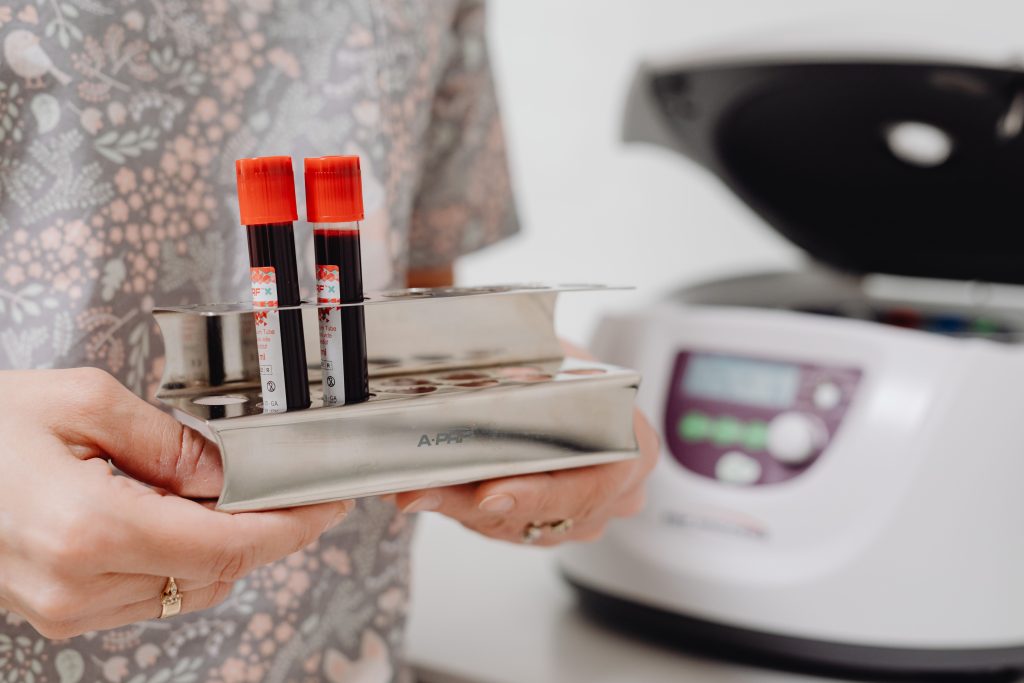
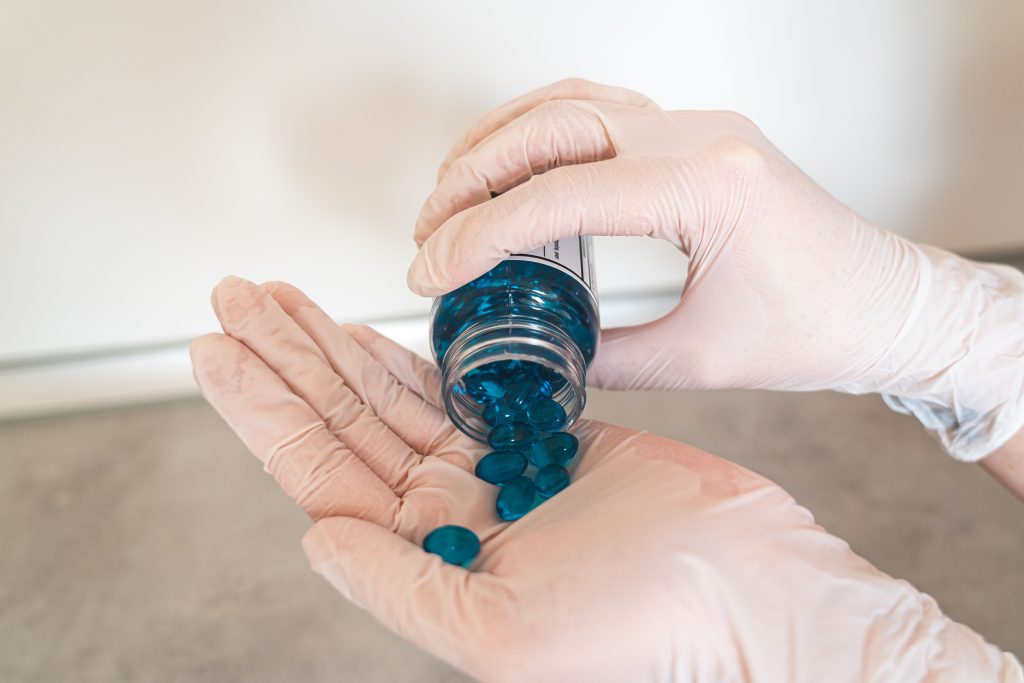
My role in pharmaceutical quality has focused on ensuring that medicines consistently meet established quality standards before reaching patients. Before a medicine like Ozempic reaches patients, it goes through strict quality testing to confirm its identity, strength (assay), purity, and stability. These tests help ensure that every batch consistently delivers the intended amount of the active ingredient while meeting strict quality requirements. (Sources: FDA Current Good Manufacturing Practice (CGMP) Regulations; ICH Guideline Q6A – Specifications: Test Procedures and Acceptance Criteria)
From a pharmaceutical perspective, semaglutide is designed to target GLP-1 receptors, where it helps regulate appetite, slows stomach emptying, and improves blood sugar control. Current clinical evidence suggests that semaglutide does not directly break down facial collagen, damage skin tissue, or chemically remove fat from specific areas of the body. The facial changes that some people notice are considered a consequence of weight loss itself rather than a direct toxic effect of the medication. (Sources: FDA Ozempic Prescribing Information; Novo Nordisk Ozempic Prescribing Information; STEP 1 Trial – New England Journal of Medicine)
This distinction matters because it helps separate scientific evidence from common misconceptions. Understanding how the medicine works is just as important as understanding how your body responds to weight loss. That’s why any concerns about facial changes should be discussed with your healthcare provider instead of relying on unverified social media claims.
What Patients Often Get Wrong
Ozempic face has become a popular topic on social media, but not everything shared online is supported by scientific evidence. Understanding the difference between myths and evidence can help you make informed decisions and avoid unnecessary worry.
| Common Belief | What Current Evidence Suggests |
|---|---|
| “Ozempic destroys collagen.” | Current clinical evidence suggests that semaglutide does not directly damage collagen or facial skin. The visible changes are mainly associated with the loss of facial fat during weight loss. |
| “Only people taking Ozempic get these facial changes.” | Similar facial volume loss can occur after rapid weight loss from bariatric surgery, strict calorie restriction, or other effective weight-loss treatments. |
| “Expensive creams can restore lost facial fat.” | Moisturizers and other skincare products may improve skin hydration and appearance, but they cannot replace lost facial fat. |
| “Facial massage can reverse Ozempic face.” | Gentle massage may temporarily improve circulation or reduce puffiness, but there is currently no strong clinical evidence that it can restore lost facial volume or tighten loose skin caused by rapid fat loss. |
| “Stopping Ozempic will immediately reverse the changes.” | Facial appearance may continue to change over time, but there is no guarantee that stopping Ozempic will fully restore lost facial volume. Never stop or change your prescribed medication without consulting your healthcare provider. |
Questions about how often Ozempic should be taken can also come up when people are trying to manage their treatment. If you’re wondering whether splitting an Ozempic dose across the week is appropriate, see our guide to Can I Split My Ozempic Dose to Twice a Week?
Evidence Sources
- FDA Ozempic Prescribing Information: https://www.accessdata.fda.gov/drugsatfda_docs/label/2025/209637s025lbl.pdf
- Novo Nordisk Ozempic Prescribing Information: https://www.novo-pi.com/ozempic.pdf
- STEP 1 Trial – New England Journal of Medicine: https://www.nejm.org/doi/full/10.1056/NEJMoa2032183
- American Academy of Dermatology – GLP-1 Drugs and Skin Changes: https://www.aad.org/public/everyday-care/skin-care-secrets/prevent-skin-problems/glp1-drugs-and-side-effects
Factors That May Increase the Chance of Ozempic Face
Not everyone who takes Ozempic experiences noticeable facial changes. However, current evidence and clinical experience suggest that certain factors may make facial volume loss more noticeable during rapid weight loss. Having one or more of these factors doesn’t mean you’ll develop Ozempic face. They simply help explain why some people notice more visible facial changes than others.
Older Age
As we get older, our skin naturally produces less collagen and elastin, making it less able to adapt to sudden changes in facial volume. This may make facial fat loss more noticeable.
Rapid Weight Loss
The faster weight is lost, the less time the skin may have to adjust. People who lose a significant amount of weight in a short period may be more likely to notice changes in their facial appearance.
Greater Overall Weight Loss
Losing a larger amount of body fat often results in more noticeable changes throughout the body, including the face. However, the degree of facial change varies from person to person.
Your Natural Facial Structure
People who naturally have slimmer faces or lower facial fat may notice volume loss sooner than those with fuller facial features.
Skin Health and Lifestyle
Smoking, long-term sun exposure, poor nutrition, and poor sleep can affect overall skin quality. While these factors do not cause Ozempic face, they may make existing facial changes appear more noticeable.
Evidence Sources
- American Academy of Dermatology – GLP-1 Drugs and Skin Changes: https://www.aad.org/public/everyday-care/skin-care-secrets/prevent-skin-problems/glp1-drugs-and-side-effects
- STEP 1 Trial – New England Journal of Medicine: https://www.nejm.org/doi/full/10.1056/NEJMoa2032183
- Review: Facial Aging – Dermato-Endocrinology: https://pmc.ncbi.nlm.nih.gov/articles/PMC3583892/
When It May Not Be Ozempic Face
Not every change in your facial appearance during weight loss is necessarily Ozempic face. While rapid fat loss is a common explanation, other factors can produce similar changes or make them appear more noticeable. If you’re concerned about these changes, it’s important to look at the bigger picture and speak with your healthcare provider before assuming Ozempic is the cause.
Dehydration
Not drinking enough fluids can make your skin look dull, tired, or less plump. Mild dehydration can temporarily exaggerate fine lines and make the face appear more drawn than usual.
Poor Nutrition
Rapid weight loss without adequate protein, vitamins, and minerals may affect your overall health and the appearance of your skin. A balanced, nutrient-rich diet remains an important part of any medically supervised weight-loss plan.
Normal Skin Aging
Skin naturally loses collagen, elastin, and facial volume with age. In some people, weight loss may simply make these existing age-related changes more noticeable.
Other Medical Conditions
In some cases, facial changes may be related to an underlying medical condition rather than weight loss alone. If you notice sudden, severe, or unusual changes—especially if they are accompanied by other symptoms such as persistent fatigue, swelling, pain, or unexplained illness—seek prompt medical evaluation instead of assuming it is Ozempic face.
MedicalBluff Tip: If your facial appearance changes significantly or you have concerns about your treatment, don’t rely on social media alone for answers. Speak with the healthcare professional managing your weight-loss plan so the underlying cause can be properly assessed. Getting the right diagnosis is always more important than guessing the cause.
Evidence Sources
-
- American Academy of Dermatology – GLP-1 Drugs and Skin Changes: https://www.aad.org/public/everyday-care/skin-care-secrets/prevent-skin-problems/glp1-drugs-and-side-effects
- STEP 1 Trial – New England Journal of Medicine: https://www.nejm.org/doi/full/10.1056/NEJMoa2032183
- Review: Facial Aging – Dermato-Endocrinology:
- https://pmc.ncbi.nlm.nih.gov/articles/PMC3583892/
The Bottom Line
Losing weight can improve your health, lower your risk of serious diseases, and increase your quality of life. However, like any meaningful change, it may also bring unexpected challenges—including changes in your facial appearance.
Current evidence suggests that Ozempic face is primarily a result of rapid facial fat loss rather than the medication directly damaging your skin or collagen. While there is no guaranteed way to prevent it completely, gradual weight loss under medical supervision, good nutrition, healthy skincare habits, and evidence-based medical care may help reduce its appearance.
Most importantly, don’t let social media myths shape your healthcare decisions. If you’re concerned about facial changes while taking Ozempic, have an open conversation with the healthcare professional managing your treatment. Together, you can balance your long-term health goals with any cosmetic concerns and choose the approach that’s right for you.
Significant weight loss can also lead to changes in other areas of the body, including the vulvar and pubic region. If you’re interested in understanding why some people notice these changes during weight loss, see our guide to Ozempic Vulva: What Weight Loss May Change
At MedicalBluff, we believe that good health decisions should be guided by evidence—not fear, marketing, or viral trends.
Evidence Sources
-
-
- FDA Ozempic Prescribing Information: https://www.accessdata.fda.gov/drugsatfda_docs/label/2025/209637s025lbl.pdf
- STEP 1 Trial – New England Journal of Medicine: https://www.nejm.org/doi/full/10.1056/NEJMoa2032183
- American Academy of Dermatology – GLP-1 Drugs and Skin Changes: https://www.aad.org/public/everyday-care/skin-care-secrets/prevent-skin-problems/glp1-drugs-and-side-effects
-
Medical Disclaimer: This article is for educational purposes only and should not be considered medical advice. Always consult a qualified healthcare professional before starting, stopping, or changing any medication or treatment.