

Written by Altaf Khan | MSc Chemistry, MBA, QC Manager | Medical Bluff
Medically Reviewed by: Dr. Ayesha | MBBS | Family Physician
Last Updated: August 2026 (Clinical Update)
Aspirin 81 mg: Complete Guide to Low-Dose Aspirin Therapy
You’ve probably heard that taking a low-dose aspirin every day can prevent heart attacks and strokes.
But is it right for you? The answer has changed in recent years.
For decades, doctors recommended daily low-dose aspirin for almost everyone over 50. New research has refined that advice.
As a Pharmaceutical Quality Control Manager, I work with drug monographs and chemical compositions daily. Aspirin is one of the most widely used over-the-counter drugs, but taking it daily is a serious clinical decision. Together with our medical reviewer, Dr. Ayesha (MBBS), we broke down the latest clinical guidelines to show who actually needs this low-dose therapy and who should avoid it.
Let me walk you through what low-dose aspirin does, who should take it, who shouldn’t, and the potential benefits and risks.
Quick Summary: Aspirin 81 mg at a Glance
| Aspect | Details |
|---|---|
| What it is | Low-dose aspirin (81 mg per tablet) — also called “baby aspirin” |
| Primary use | Reduce risk of heart attack and stroke in high-risk patients |
| How it works | Blocks blood clot formation by inhibiting platelets |
| Who should take it | People with existing heart disease or history of stroke |
| Who should NOT take it | Healthy older adults without heart disease (new guidelines) |
| Main risk | Bleeding in the stomach or brain |
Reference: U.S. Preventive Services Task Force (USPSTF). “Aspirin Use to Prevent Cardiovascular Disease.” 2022.
What Is Low-Dose Aspirin?
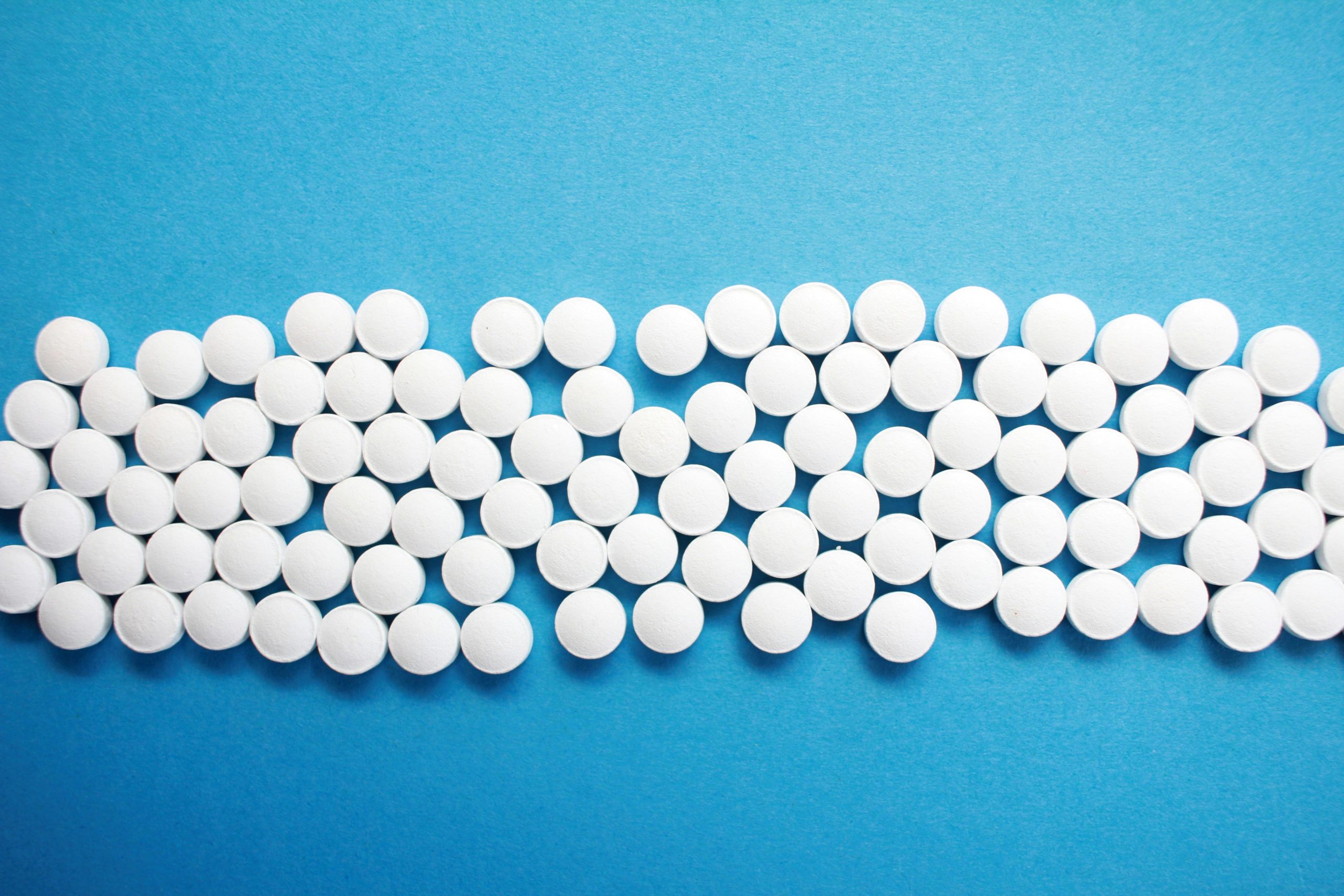
Aspirin (acetylsalicylic acid) is one of the oldest and most studied medications in the world.
Regular aspirin: 325 mg per tablet — used for pain, fever, inflammation.
Low-dose aspirin: 81 mg per tablet — used specifically for heart attack and stroke prevention.
Low-dose aspirin is often called “baby aspirin” (though babies no longer take it). The lower dose provides the blood-thinning benefit with fewer gastrointestinal side effects than the full 325 mg dose.
Reference: American Heart Association (AHA). “Aspirin and Heart Disease.” 2025.
How Does Aspirin Work?
Aspirin is an antiplatelet drug. Here’s how it works:
| Normal process | What aspirin does |
|---|---|
| Platelets clump together to form blood clots | Aspirin blocks platelets from sticking together |
| Clots help stop bleeding after injury | This same process can block arteries |
| But clots can also form inside arteries | Less clotting = lower risk of heart attack/stroke |
The catch: Same mechanism that prevents dangerous clots also increases bleeding risk.
Reference: National Institutes of Health (NIH). “Platelet aggregation inhibitors.” 2024.
Who Should Take Daily 81 mg Aspirin (2026 Guidelines)
The guidelines have changed. Here’s the current medical consensus:
✅ Aspirin recommended for:
| Condition | Why |
|---|---|
| History of heart attack | Prevents second heart attack (secondary prevention) |
| History of stroke | Prevents second stroke |
| Coronary artery disease (known) | Reduces clot risk in narrowed arteries |
| Angioplasty or bypass surgery | Keeps grafts and stents open |
| High-risk diabetes (with other risk factors) | Reduces cardiovascular events |
❌ Aspirin NOT recommended for (generally):
| Condition | Why |
|---|---|
| Healthy adults over 60 without heart disease | Bleeding risk outweighs benefit |
| Adults under 60 without heart disease | Only if high-risk (doctor’s decision) |
| People with bleeding disorders | Increased bleeding risk |
| People with history of stomach ulcers | Aspirin can cause bleeding |
| People with uncontrolled high blood pressure | Increases risk of hemorrhagic stroke |
Reference: American College of Cardiology (ACC). “Aspirin Guidelines.” 2025.
The Evidence: Primary vs Secondary Prevention
Secondary prevention (preventing a second heart attack/stroke in someone who already had one):
-
Benefit: Clearly outweighs risk
-
Reduces risk of another cardiovascular event by about 25%
Primary prevention (preventing a first heart attack/stroke in a healthy person):
-
Benefit: No longer recommended for most healthy adults
-
Newer studies show bleeding risk nearly equals or exceeds heart benefit
Reference: ASCEND trial. “Aspirin in diabetes.” New England Journal of Medicine. 2018;379:1529-1539.
Benefits of Low-Dose Aspirin
| Benefit | How much risk reduction |
|---|---|
| Heart attack (in high-risk patients) | ~25% reduction |
| Ischemic stroke (clot type) | ~20-25% reduction |
| Death from cardiovascular disease | ~10-15% reduction |
| Colorectal cancer (after 5-10 years of use) | ~20-40% reduction (emerging evidence) |
Reference: Rothwell PM, et al. “Effect of daily aspirin on long-term risk of colorectal cancer.” The Lancet. 2010;376(9754):1741-1750.
Risks and Side Effects of 81 mg Aspirin
| Risk | How common | What to know |
|---|---|---|
| Stomach bleeding | ~1 per 1,000 people per year | Risk higher in people over 70, with ulcers, or on blood thinners |
| Hemorrhagic stroke (bleeding in brain) | Rare (~0.2 per 1,000) | Risk increases with uncontrolled high blood pressure |
| Stomach upset | ~5-10% of people | Taking with food or enteric-coated tablets can help |
| Allergic reaction | Rare (~0.1%) | Aspirin allergy exists — stop if rash or difficulty breathing |
| Reye’s syndrome (in children) | Extremely rare | Never give aspirin to children or teenagers with viral infections |
Reference: FDA. “Aspirin Safety Information.” 2025.
Who Should Be Careful with Aspirin
| Condition | Precaution |
|---|---|
| Peptic ulcer disease | Aspirin can cause bleeding — talk to doctor first |
| Uncontrolled high blood pressure | Increases risk of hemorrhagic stroke |
| Kidney disease | Aspirin may worsen kidney function |
| Asthma | Some asthmatics are allergic to aspirin |
| Taking blood thinners (warfarin, Eliquis, Xarelto) | Combining with aspirin significantly increases bleeding risk |
| Recent surgery or dental work | May increase bleeding risk during procedures |
| Heavy alcohol use | Increases stomach bleeding risk |
Reference: Mayo Clinic. “Aspirin (oral route).” 2025.
How to Take Aspirin 81 mg Safely
| Tip | Why it helps |
|---|---|
| Take with food or a full glass of water | Reduces stomach irritation |
| Same time every day | Builds routine — harder to forget |
| Don’t crush or chew (use enteric-coated if stomach sensitive) | Coating protects stomach (but may delay absorption in emergencies) |
| Tell all your doctors (including dentist) | They may need to stop aspirin before procedures |
| Don’t take ibuprofen with aspirin | Ibuprofen blocks aspirin’s antiplatelet effect |
| Watch for bleeding signs | Black/tarry stools, easy bruising, blood in urine |
Reference: Harvard Medical School. “How to take aspirin safely.” 2024.
What to Do If You Miss a Dose
-
One missed dose: Take as soon as you remember
-
Almost time for next dose: Skip the missed dose — don’t double up
-
Never double to “catch up” — increases bleeding risk
Emergency Signs: When to Stop and Seek Help
Stop taking aspirin and seek medical attention immediately if you experience:
| Symptom | Possible issue |
|---|---|
| Black, tarry stools | Stomach bleeding |
| Vomiting blood or coffee-ground material | Stomach bleeding |
| Severe headache, confusion, one-sided weakness | Hemorrhagic stroke |
| Coughing up blood | Lung or stomach bleeding |
| Easy bruising (more than usual) | Bleeding tendency |
Aspirin 81 mg vs Other Blood Thinners
| Medication | What it does | Typical use |
|---|---|---|
| Aspirin 81 mg | Antiplatelet (weak blood thinner) | Prevention in low-moderate risk patients |
| Clopidogrel (Plavix) | Stronger antiplatelet | After stent or heart attack (often with aspirin) |
| Warfarin (Coumadin) | Anticoagulant (strong) | Atrial fibrillation, mechanical heart valves |
| Apixaban (Eliquis) | Anticoagulant (strong) | Atrial fibrillation, DVT, PE |
Aspirin is the weakest blood thinner — but also has the lowest bleeding risk. That’s why it’s used for prevention in lower-risk patients.
Reference: American College of Chest Physicians. “Antithrombotic therapy guidelines.” 2025.
The Bottom Line
Low-dose aspirin (81 mg) saves lives — but only in the right people.
Take it if:
-
You’ve already had a heart attack or stroke
-
You have known coronary artery disease
-
Your doctor prescribed it for secondary prevention
Don’t start it if:
-
You’re a healthy older adult without heart disease
-
You have a history of stomach bleeding or ulcers
-
You have uncontrolled high blood pressure
A Note on Daily Aspirin Purity & Storage (From a Chemistry Lens)
From a chemistry perspective, Aspirin (acetylsalicylic acid) breaks down quickly when exposed to moisture and heat. If your daily 81 mg pills smell strongly like vinegar when you open the bottle, it means the chemical compound is degrading and losing its strength. Always store your heart medications in a cool, dry place—never in a humid bathroom cabinet.
Important: Never start or stop daily aspirin without talking to your doctor first. The decision depends on your age, medical history, bleeding risk, and overall health.
You may also like:
📖 Cardiac Arrest vs Heart Attack
📖 GLP-1 Medications: 2026’s Top Health Trend
📖 Heatstroke Symptoms: 4 Red Flags
Written by Altaf Khan | MSc Chemistry, MBA, QC Manager | Medical Bluff
References
- U.S. Preventive Services Task Force (USPSTF). “Aspirin Use to Prevent Cardiovascular Disease.” 2022.
- American Heart Association (AHA). “Aspirin and Heart Disease Guidelines.” 2026.
- American College of Cardiology (ACC). “Clinical Practice Guidelines for Low-Dose Aspirin.” 2026.
- National Institutes of Health (NIH). “Platelet Aggregation Inhibitors and Antithrombotic Therapy.” 2024.
- ASCEND Trial Study Group. “Effects of Aspirin for Primary Prevention in Persons with Diabetes Mellitus.” New England Journal of Medicine. 2018;379:1529-1539.
- Rothwell PM, et al. “Effect of Daily Aspirin on Long-Term Risk of Colorectal Cancer: A Cardiovascular Follow-up.” The Lancet. 2010;376(9754):1741-1750.
- U.S. Food and Drug Administration (FDA). “Aspirin Safety and Consumer Information.” 2025.
- Mayo Clinic. “Aspirin Therapy: Understand the Benefits and Risks (Oral Route).” 2025.
- Harvard Medical School. “How to Take Daily Aspirin Safely and Manage Side Effects.” 2024.
- American College of Chest Physicians (CHEST). “Executive Summary: Antithrombotic Therapy Guidelines.” 2025.