

Autism Spectrum Disorder: Latest Research, Symptoms & Support (2026)
Let me start with something personal.
I’ve worked in pharma and healthcare for over 20 years, and I’ve seen how difficult it can be for families trying to understand a child’s health and development. Parents sometimes blame themselves. Some children are diagnosed late, while others may first be misunderstood or misdiagnosed.
Autism isn’t a disease, and it isn’t something you catch. Vaccines do not cause autism.
It’s a neurodevelopmental condition — meaning it affects how the brain develops and functions. And the more researchers learn about autism, the clearer it becomes that there is no single autism experience.
One child may struggle with communication. Another may speak fluently but find social situations or sensory experiences overwhelming. Some people need substantial daily support, while others live independently.
Let me break this down in plain English.
Some links in this article are affiliate links. As an Amazon Associate, I earn from qualifying purchases.
Quick Answer: What Is Autism Spectrum Disorder?
Autism spectrum disorder is a neurodevelopmental condition associated with differences in social communication and interaction, along with restricted or repetitive behaviors, interests, or activities. Sensory differences are also common.
Autism usually begins during the developmental period, although some people are not identified or diagnosed until much later in life.
The word spectrum matters because autistic people can have very different abilities and support needs. There is no single blood test that diagnoses autism, and there is no established treatment that eliminates autism. Appropriate support can, however, help with communication, learning, daily living, participation, and associated conditions.
Autism Spectrum Disorder: At a Glance
- Condition: Neurodevelopmental
- Common characteristics: Differences in social communication, repetitive behaviors or interests, routines, and sensory experiences
- Causes: Complex, involving genetic and developmental factors
- Diagnosis: Developmental history and clinical assessment
- Treatment: Individualized support and treatment of associated conditions
- Can adults have autism? Yes. Autism is lifelong, although recognition may happen in adulthood.
- Can autism be cured? There is no established treatment that eliminates autism.
What Exactly Is Autism?
Autism can affect how a person communicates, interacts with other people, handles routines, learns, and experiences sensory information.
For one person, the biggest challenge may be understanding an unspoken social rule. For another, it may be communicating needs, coping with a noisy environment, or managing a major change in routine.
Some autistic people are uncomfortable with eye contact. Others have difficulty interpreting facial expressions, sarcasm, gestures, or indirect language. Some develop very strong interests in particular subjects and prefer predictable routines.
Sensory experiences can also be different. Sounds, lights, smells, touch, or clothing textures that seem ordinary to one person may feel overwhelming to another.
None of these characteristics, on its own, proves that someone is autistic. The overall developmental pattern and its effect on everyday life are what matter.
Autism is not an infection and cannot be caught from another person. It is also not caused by poor parenting.
Autism Spectrum Disorder Symptoms and Signs
Autism is diagnosed using two broad groups of characteristics:
- Persistent differences in social communication and interaction.
- Restricted or repetitive patterns of behavior, interests, or activities.
Not every autistic person has the same combination of characteristics or experiences them in the same way.
1. Social Communication and Interaction
Possible signs include:
- Difficulty with back-and-forth conversation
- Difficulty interpreting gestures, facial expressions, or body language
- Differences in eye contact
- Difficulty understanding unwritten social expectations
- Difficulty developing or maintaining relationships
- Communicating in a way that may seem unusual to other people
For example, a child may happily talk at length about a favorite subject but struggle when the conversation moves in another direction.
Another child may communicate mainly through gestures, pictures, or an augmentative and alternative communication device rather than spoken language.
These differences do not mean an autistic person does not want friends or relationships. Many autistic people want close relationships but communicate or respond socially in ways that differ from what others expect.
2. Repetitive Behaviors and Focused Interests
Autism may also involve:
- Repeating words, phrases, or movements
- Strong preference for familiar routines
- Distress when plans change unexpectedly
- Highly focused interests
- Repetitive play or activities
- Increased or reduced sensitivity to sounds, lights, smells, touch, or textures
Repetitive movements or behaviors are sometimes a way of managing excitement, stress, or sensory input. They are not automatically harmful and do not necessarily need to be stopped.
The important question is whether a behavior is causing harm or preventing the person from participating in daily life.
3. Sensory Differences
Sensory differences can be one of the more noticeable parts of autism.
A child may cover their ears when a vacuum cleaner starts, dislike certain clothing, avoid bright lights, or become overwhelmed in a crowded shopping center. Another person may actively seek movement, pressure, or particular sounds.
These experiences can affect school, work, sleep, eating, and ordinary family activities.
For families dealing with noisy environments, noise-reducing earmuffs can be one practical sensory aid to consider. The Dr.meter EM100 noise-reducing earmuffs are marketed with an adjustable headband and a 27.4 SNR rating. They may help reduce surrounding noise in settings such as busy events or other loud environments, but they do not treat autism and should only be used if the person finds them comfortable.
A good fit matters, and the child should not be forced to wear them.
How Common Is Autism?
Autism is identified in children and adults around the world, but prevalence estimates vary depending on the population studied and how autism is identified.
The CDC’s 2022 surveillance data found that approximately 1 in 31 eight-year-old children were identified with autism across 16 U.S. communities. This is a surveillance estimate for those communities, not a statement that exactly 1 in 31 children worldwide—or even in every U.S. community—has autism.
The World Health Organization estimated that about 1 in 127 people worldwide had autism in 2021. WHO also notes that prevalence varies considerably between studies and that data remain limited in many low- and middle-income countries.
These numbers should not be placed side by side as though they measure the same population. The CDC figure concerns eight-year-old children in specific U.S. surveillance sites, while the WHO estimate is a global population estimate.
Differences in awareness, access to assessment, diagnostic practices, and study methods can all affect reported prevalence.
What Causes Autism?
There is no single cause of autism.
Current evidence points toward a complex combination of genetic and developmental influences. Researchers continue to investigate how different genetic and environmental factors may interact during development.
Genetic Factors
Genetics plays an important role in autism.
Researchers have identified many genetic variants and genetic conditions associated with autism. In some people, a specific genetic condition may help explain developmental differences. In many others, no single genetic cause is identified.
That does not mean autism follows one simple inheritance pattern. It is a much more complicated picture involving many genes and biological pathways.
Environmental and Developmental Factors
Researchers have studied several factors associated with a higher likelihood of autism, including advanced parental age, certain pregnancy-related conditions, prematurity, and some prenatal or birth-related complications.
An important distinction is needed here: an association is not the same as proof of causation.
For example, finding that a particular factor occurs more often in a group of autistic children does not automatically mean that the factor caused autism. Genetics, pregnancy, development, and the surrounding environment can interact in complicated ways.
Related topics can be explored in our environmental health coverage.
Do Vaccines Cause Autism?
No. Current evidence does not establish a causal relationship between vaccines and autism.
The World Health Organization’s 2025 review of available evidence concluded that there is no causal link between vaccines and autism. The review considered research published across multiple countries and reaffirmed WHO’s position on vaccine safety and autism.
One reason the claim has persisted is timing. Autism may become noticeable during the same period when children receive routine childhood vaccinations. But two events occurring around the same age do not establish that one caused the other.
Is Autism Caused by Parenting or Diet?
No. Poor parenting does not cause autism.
Diet is not an established general cause of autism either. Some autistic people have restricted eating patterns, food sensitivities, nutritional problems, or gastrointestinal symptoms. Those issues may need attention, but they do not mean that diet caused autism.
How Is Autism Spectrum Disorder Diagnosed?
There is no single blood test, brain scan, or laboratory test that can confirm autism.
Diagnosis is based on developmental history, communication, behavior, and clinical assessment. A clinician may talk with parents or caregivers, observe the person, review developmental milestones, and use standardized assessment tools.
For children, developmental screening can identify children who may need a more detailed evaluation. Screening is not the same thing as diagnosis.
A professional may also consider hearing, language development, learning, intellectual development, and other conditions that could contribute to the observed difficulties.
Autism Spectrum Disorder DSM-5 Criteria
The DSM-5 diagnostic framework groups autism characteristics into two main areas.
1. Persistent Differences in Social Communication and Interaction
These include differences in:
- Social-emotional reciprocity
- Nonverbal communication
- Developing, maintaining, and understanding relationships
2. Restricted or Repetitive Patterns of Behavior
These may include:
- Repetitive movements or speech
- Strong preference for routines
- Highly focused interests
- Unusual sensory responses
The characteristics must have been present during the developmental period and must cause clinically significant difficulties in functioning. A clinician also considers whether another condition better explains the person’s presentation.
Is There an Autism Spectrum Disorder Test?
There are screening questionnaires and standardized assessment tools that can help identify people who may need a formal autism evaluation.
However, an online quiz cannot establish an autism diagnosis, and neither can a single blood test.
For a child with developmental concerns, the first step may be discussing those concerns with a pediatrician or another qualified healthcare professional.
Adults who suspect they may be autistic can seek an assessment from a professional experienced in evaluating autism in adults.
Autism Spectrum Disorder in Adults
Autism does not disappear when someone becomes an adult.
Some people are diagnosed during childhood, while others are not recognized until their teens or adulthood. A person may look back on years of difficulty with social situations, routines, sensory experiences, or communication and only later consider whether autism could explain the pattern.
An adult may find large social gatherings exhausting, prefer predictable routines, struggle with sudden changes, or spend significant effort trying to copy expected social behavior.
Some people also describe “camouflaging” their autistic characteristics in social situations. This can require substantial effort and may make autism less obvious to other people.
A late diagnosis can help a person make sense of longstanding experiences and identify useful support. But having a few characteristics associated with autism does not automatically mean someone is autistic. A proper assessment is still important.
Autistic adults may also experience conditions such as anxiety or depression and may need support for those conditions separately. For related topics, see our Mental Health section.
What Does Autism Spectrum Disorder Level 1 Mean?
The DSM-5 describes three autism support levels:
| Level | Description |
|---|---|
| Level 1 | Requiring support |
| Level 2 | Requiring substantial support |
| Level 3 | Requiring very substantial support |
These levels describe the amount of support a person may need in areas such as social communication and restricted or repetitive behaviors.
Level 1 is sometimes described informally as “mild autism,” but that wording can hide important differences. Someone may need relatively little support in one area while experiencing major difficulties in another.
Support needs can also change with age, environment, health, education, employment, and other circumstances.
Autism Treatment and Support
There is no single autism treatment that is appropriate for everyone.
The goal of support is not simply to make an autistic person behave like someone who is not autistic. Useful support should address the person’s actual needs—communication, learning, daily living, sensory difficulties, emotional regulation, safety, or an associated medical condition.
Behavioral and Developmental Support
Behavioral and developmental interventions may help some people develop communication, learning, and everyday skills.
Applied behavior analysis (ABA) is one approach used in some settings. Its methods and goals vary, so families should understand what an intervention actually involves and whether it respects the autistic person’s comfort, communication, autonomy, and individual needs.
Speech and Language Therapy
Speech-language therapy can help with spoken communication, understanding language, social communication, or alternative communication methods.
Not every autistic person communicates primarily through speech. Picture-based systems, communication boards, and electronic communication devices may be useful for people who need them.
Occupational Therapy
Occupational therapy may help with daily activities, motor skills, sensory needs, and practical independence.
The aim should be meaningful participation in everyday life—not automatically eliminating harmless autistic behaviors simply because they look different.
Educational Support
Some children benefit from individualized education plans, classroom accommodations, additional learning support, or changes to the way instructions are presented.
There is no universal classroom strategy that works for every autistic child. What helps depends on the child’s communication style, learning needs, sensory profile, and strengths.
Visual Supports and Daily Routines
Visual schedules can be useful for some children who find spoken instructions difficult to follow or who become anxious when they do not know what happens next.
A schedule might show simple steps such as getting dressed, eating breakfast, going to school, coming home, and getting ready for bed.
For families looking for a ready-made option, the Godery visual schedule board includes activity cards designed for organizing daily routines at home or school.
It is a planning aid, not a treatment for autism. The schedule should be adapted to the child’s abilities and preferences rather than used as a way to force compliance.
Medication
There is no medication that eliminates autism itself.
A clinician may prescribe medication for certain co-occurring conditions or symptoms, such as ADHD, anxiety, or severe irritability, when appropriate.
Medication decisions should be individualized and reviewed by a qualified healthcare professional.
Why Early Support Matters
When developmental differences are noticed early, children and families may have more opportunities to access appropriate assessment and support.
Early intervention can help with communication, learning, social interaction, and everyday skills. But early support does not guarantee a particular outcome, and there is no reason to assume that every child needs exactly the same intervention.
Support should continue as needs change. Teenagers and adults may also benefit from educational accommodations, workplace adjustments, communication support, help with independent living, or treatment for associated conditions.
The Neurodiversity Perspective
Many autistic people and advocates describe autism as part of normal human neurological diversity. This perspective places emphasis on acceptance, accessibility, autonomy, and respect rather than assuming that every autistic characteristic needs to be removed.
That does not mean ignoring disability or pretending that support is unnecessary.
Some autistic people have significant communication, intellectual, sensory, behavioral, or medical needs and may require substantial support throughout life. Respecting neurodiversity and providing appropriate care are not opposing ideas.
The practical approach is to ask what support actually helps the individual communicate, participate, stay safe, and live the life they want.
For more health-related reading, visit our MedicalBluff health and wellness articles.
What the Latest Autism Research Shows in 2026
Autism research is moving in several directions at once. The important part is separating interesting research findings from something that is ready for clinical use.
1. Brain Imaging Is Identifying Different Biological Patterns
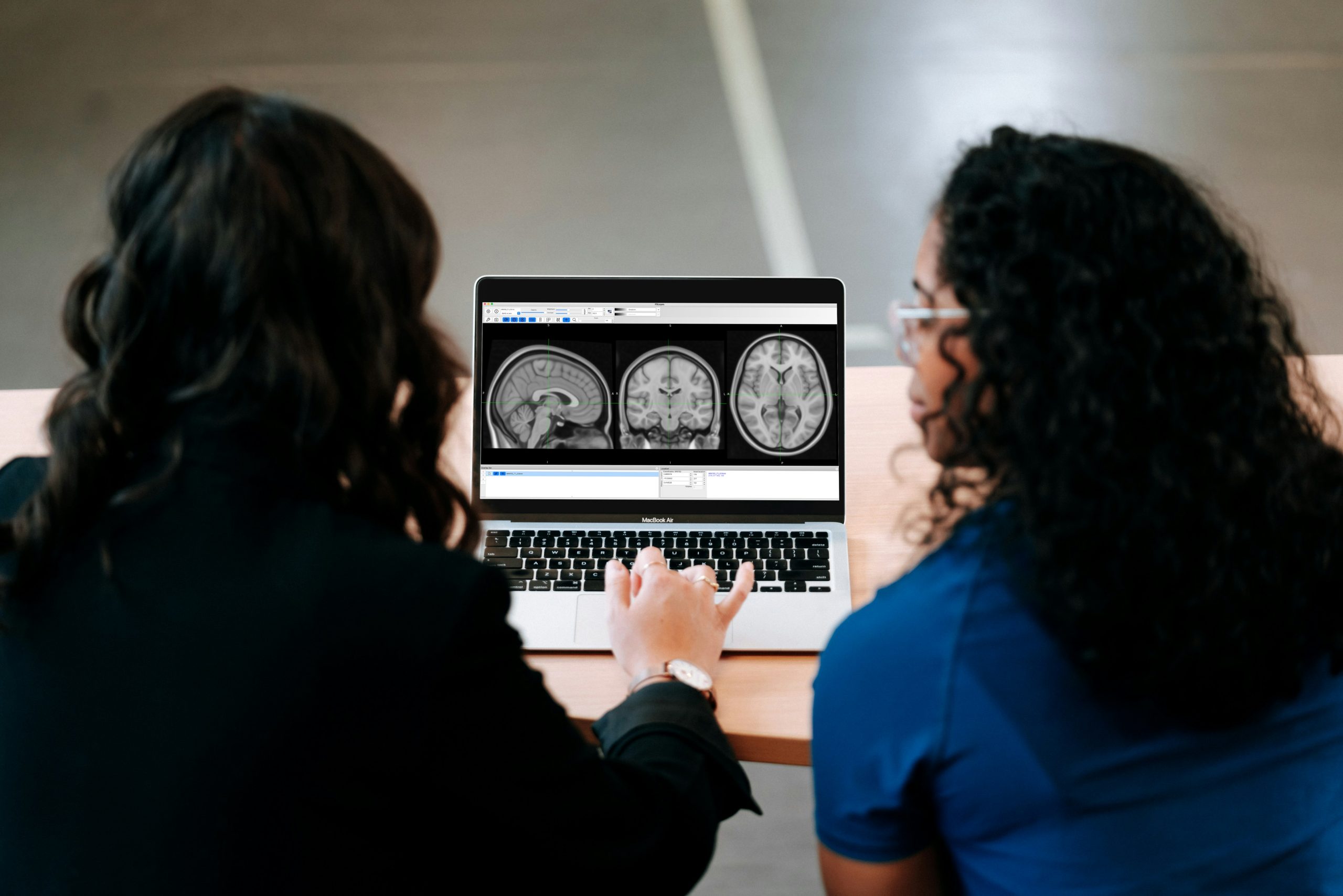
A May 2026 study published in Nature Neuroscience analyzed resting-state brain connectivity data from 940 people with autism and 1,036 neurotypical participants.
The researchers identified two research patterns: one dominated by lower connectivity and another by higher connectivity. These patterns were associated with different biological pathways, including synaptic, transcriptional, and immune-related processes.
The finding is important because it suggests that some of the biological variation within autism may be grouped into meaningful research subtypes.
But these are not established clinical autism categories. The study does not mean that every autistic person can be placed neatly into one of two biological types, and it does not provide a new routine diagnostic test.
2. Blood Biomarkers Are Being Studied
A June 2026 study in BMC Neuroscience examined three blood biomarkers—glutaminase, 8-isoprostane, and prostaglandin E₂—in 44 children with autism and 40 age-matched controls. When the three markers were combined, the study reported an AUC of 0.977, with 92.3% sensitivity and 100% specificity in that study sample.
Those numbers should not be interpreted as meaning that a blood test for autism is now available.
The researchers themselves note that the estimates are optimism-biased and that the findings need assay validation and replication in larger, clinically representative groups. The study was also conducted at a single center with a relatively small sample.
So, for now, these biomarkers are research findings, not a routine autism diagnostic test.
3. Genetic Research Is Expanding to More Populations
A 2026 study examined whole-exome sequencing in 142 Indian children with autism and compared the findings with 180 age- and ethnicity-matched controls. The study adds genetic data from an Indian population, which is useful because genetic research has not represented every population equally.
Genetic testing can sometimes identify a genetic variant that helps explain a person’s developmental differences.
However, finding a genetic variant does not automatically mean that the variant caused autism. Some findings require further interpretation, and genetic testing is not a standalone test for autism.
4. Gut Microbiome Research Is Still Developing
The gut microbiome is another active area of autism research.
A 2026 study published in Gut analyzed stool metagenomic data from 452 children, including 261 children with autism and 191 neurotypical children. Researchers identified bacterial genomic structural variations associated with autism and explored whether these features could help distinguish the study groups.
This is interesting research, but it does not establish that gut bacteria cause autism.
It also does not show that probiotics, supplements, or microbiome-based treatments can prevent or treat autism.
For now, gut microbiome findings remain an active research area rather than a proven autism treatment.
What These 2026 Findings Actually Mean
The 2026 research is giving scientists more ways to investigate why autism varies so much between people.
Brain imaging may reveal biological patterns. Genetic studies are expanding into populations that have been less represented in previous research. Blood biomarkers may provide clues for future diagnostic research. Gut microbiome studies are examining biological differences that may eventually help explain some aspects of autism.
But none of these findings currently replaces a clinical autism assessment or individualized support.
That distinction is important. A promising research result can be worth following without being ready for use in an everyday doctor’s office.
A Note for Parents and Caregivers
If you are concerned about your child’s development, you do not have to wait until every possible sign appears before asking for advice.
Write down the behaviors or developmental changes that concern you and discuss them with a pediatrician or qualified developmental professional. A detailed developmental history can be useful when deciding whether further assessment is appropriate.
An autism diagnosis does not tell you everything about a child’s future.
The more useful question is usually: What does this child need help with, and what support will make everyday life easier?
That may mean communication support, educational accommodations, occupational therapy, help with sensory needs, or treatment for another condition occurring alongside autism.
Parents do not cause autism, and asking for professional help is a practical step toward understanding a child’s needs.
Frequently Asked Questions
What is autism spectrum disorder? + Autism spectrum disorder is a neurodevelopmental condition involving differences in social communication and interaction, together with restricted or repetitive behaviors, interests, or activities.
What are the most common symptoms of autism? + Common characteristics include differences in social communication, repetitive behaviors, focused interests, preference for routines, and sensory differences. Not every autistic person has the same combination.
Can autism be diagnosed with a blood test? + No. There is currently no single blood test that can diagnose autism. Diagnosis involves developmental history and clinical assessment.
Can autism develop in adulthood? + Autism begins during development, but some people are not recognized or diagnosed until adulthood.
Is Level 1 autism mild? + Level 1 means requiring support within the DSM-5 framework. It does not provide a complete picture of a person’s strengths, difficulties, or support needs.
Is there a cure for autism? + There is no established treatment that eliminates autism. Individualized support can help with communication, learning, daily activities, participation, and associated conditions.
Do autistic people need medication? + Not necessarily. Medication may be considered for certain co-occurring conditions or specific symptoms when a qualified clinician believes it is appropriate.
Can diet or probiotics treat autism? + There is no established evidence that a particular diet or probiotic cures autism. Dietary changes may be appropriate for individual nutritional, feeding, allergy, or gastrointestinal concerns, but they should not be presented as a cure for autism.
Bottom Line
Autism spectrum disorder is a neurodevelopmental condition involving differences in social communication and interaction, together with restricted or repetitive behaviors, interests, or activities.
Common characteristics include differences in social communication, repetitive behaviors, focused interests, preference for routines, and sensory differences. Not every autistic person has the same combination.
No. There is currently no single blood test that can diagnose autism. Diagnosis involves developmental history and clinical assessment.
Autism begins during development, but some people are not recognized or diagnosed until adulthood.
Level 1 means requiring support within the DSM-5 framework. It does not provide a complete picture of a person’s strengths, difficulties, or support needs.
There is no established treatment that eliminates autism. Individualized support can help with communication, learning, daily activities, participation, and associated conditions.
Not necessarily. Medication may be considered for certain co-occurring conditions or specific symptoms when a qualified clinician believes it is appropriate.
There is no established evidence that a particular diet or probiotic cures autism. Dietary changes may be appropriate for individual nutritional, feeding, allergy, or gastrointestinal concerns, but they should not be presented as a cure for autism.
Autism spectrum disorder is different from person to person. Some autistic people need substantial daily support, while others live independently and mainly need help in specific areas.
The diagnosis describes a developmental pattern; it does not describe a person’s entire personality, ability, or future.
Research in 2026 is exploring brain connectivity, genetics, blood biomarkers, and the gut microbiome. Some findings are genuinely interesting, but they are not yet replacements for clinical assessment or individualized support.
For families, the most useful next step is usually not chasing the newest autism “cure” or test. It is understanding the person’s actual needs and finding support that makes communication, learning, daily life, and participation easier.
References
- CDC. Prevalence and Early Identification of Autism Spectrum Disorder Among Children Aged 4 and 8 Years — Autism and Developmental Disabilities Monitoring Network, 16 Sites, United States, 2022.
- CDC. Data and Statistics on Autism Spectrum Disorder.
- World Health Organization. Autism.
- World Health Organization. WHO expert group’s new analysis reaffirms there is no link between vaccines and autism.
- Pagani M, Zerbi V, Gini S, et al. Autism subtypes identified using cross-species functional connectivity analyses. Nature Neuroscience. 2026.
- El-Ansary A, Alfawaz HA, Alhakbany M, et al. Using combined ROC curves to improve the diagnostic usefulness of glutaminase, prostaglandins, and 8-isoprostane as biomarkers of autism spectrum disorders. BMC Neuroscience. 2026.
- Naushad SM, Basha SE, Kanaka Durga Devi YR, et al. Elucidation of crucial metabolic pathways in the etiology of autism spectrum disorder through whole exome sequencing and chromosomal microarray. Psychiatric Genetics. 2026.
- Bacterial genomic structural variations in children with autism serve as diagnostic biomarkers. Gut. 2026.