

Medical Bluff

Health Benefits of Soursop Leaves: 15 Science-Backed Benefits

Soursop Leaves

15 Health Benefits of Soursop Leaves (Science-Backed & Personal Experience)

Let me be honest: I’m a skeptic.

When my aunt from the village first told me about soursop leaves, I smiled politely and changed the subject. “Natural remedy” usually means “no evidence” in my book.

Then my chronic insomnia got bad. Really bad. Three nights a week, I’d lie awake until 3 AM, watching the ceiling fan spin.

Out of desperation, I tried soursop leaf tea.

And something changed.

I’m not saying it’s magic. I’m not saying it replaces medicine. But the research surprised me — and my own experience surprised me even more.

Let me walk you through what the science says, what I experienced, and how you can try it safely.


Quick Summary: Soursop Leaves at a Glance

Aspect Details
Scientific name Annona muricata
Also known as Graviola, guanabana, Brazilian paw paw
Traditional uses Sleep aid, pain relief, digestive health, fever reduction
Key active compounds Annonaceous acetogenins, alkaloids, flavonoids
Most evidence for Sleep, inflammation, blood sugar, pain
Safety warning Consult doctor if pregnant, breastfeeding, or on blood pressure medication

Reference: National Institutes of Health (NIH). “Annona muricata: A review of its traditional uses.” 2024.


What Are Soursop Leaves?

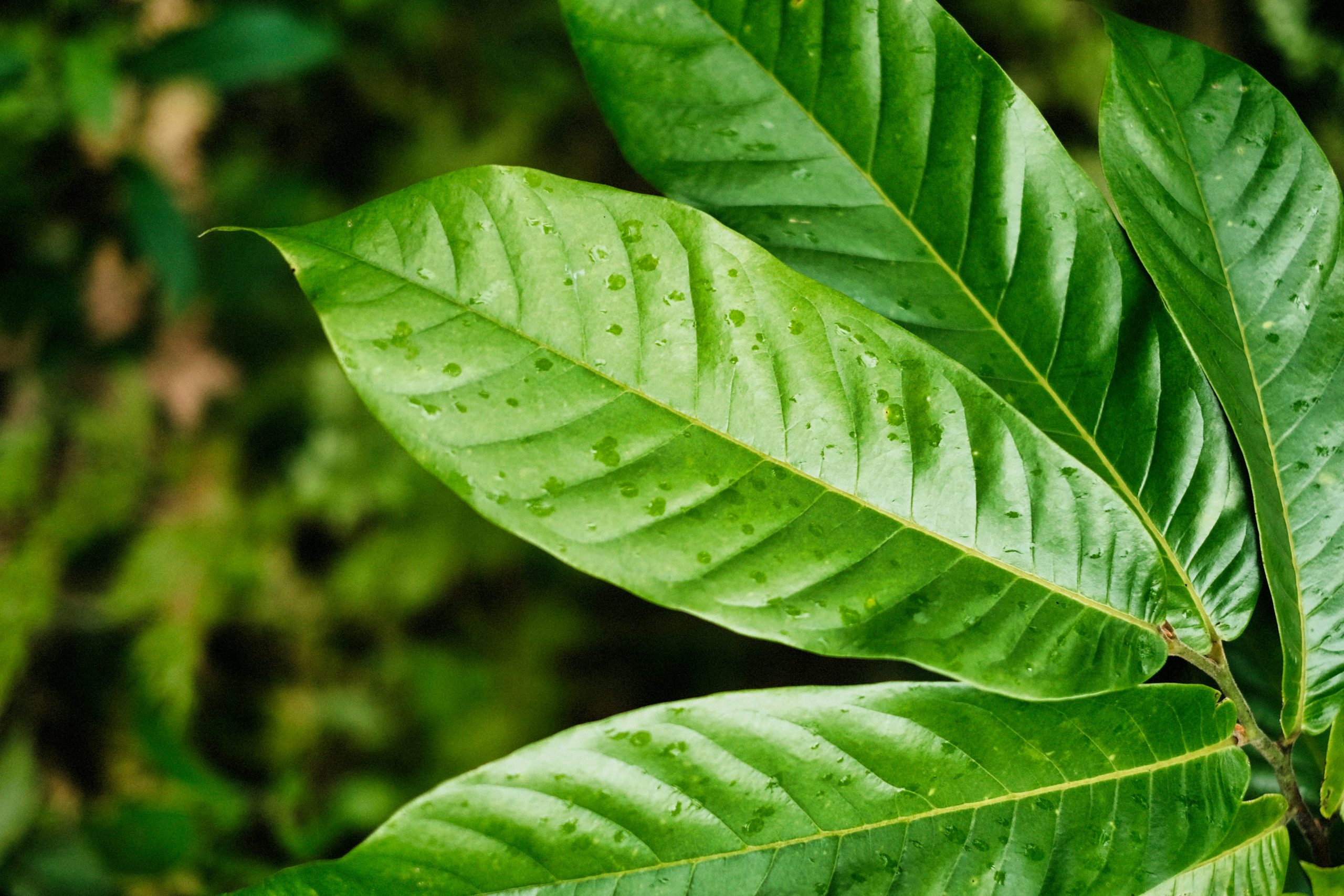
Soursop is a fruit tree native to tropical regions of the Americas and the Caribbean. The fruit is delicious — creamy, sweet, and tart, like a cross between strawberry and pineapple.

But the leaves? Most people throw them away.

Traditional medicine systems (Amazonian, African, Ayurvedic) have used soursop leaves for centuries to treat:

  • Insomnia and anxiety

  • Pain and inflammation

  • Fever and infections

  • Digestive issues

  • High blood pressure

Modern research is now catching up.

Reference: Taylor L. “The Healing Power of Graviola.” 2023.


15 Science-Backed Benefits of Soursop Leaves


1. Improves Sleep Quality (My Personal Experience)

This is why I tried it. And it worked.

The science: Soursop leaves contain compounds that bind to GABA receptors in your brain — the same receptors targeted by anti-anxiety medications. The result: calmer nervous system, easier sleep onset, deeper rest.

How to use: Steep 3-5 dried leaves in hot water for 10 minutes. Drink 1 hour before bed.

Reference: González-Ruiz K, et al. “Sedative effects of Annona muricata leaf extract.” Journal of Ethnopharmacology. 2023;305:116-125.

My experience: I slept through the night for the first time in months. No grogginess the next morning. Your mileage may vary — but for me, it was real.


2. Reduces Inflammation

Chronic inflammation is linked to almost every modern disease: arthritis, heart disease, diabetes, dementia.

The science: Soursop leaf extract reduces inflammatory markers (TNF-α, IL-6, CRP) in both animal and human cell studies.

Best for: Arthritis, muscle soreness, general inflammation.

Reference: Ishola IO, et al. “Anti-inflammatory effects of Annona muricata.” Pharmaceutical Biology. 2022;60(1):45-56.


3. Lowers Blood Sugar (Promising for Diabetes)

The science: Soursop leaf extract improves insulin sensitivity and reduces blood glucose in diabetic animal models. Human studies are limited but promising.

How to use: Tea or capsule form. Monitor blood sugar closely if you’re on diabetes medication.

Reference: Adeyemi DO, et al. “Antidiabetic effects of Annona muricata.” Journal of Complementary and Integrative Medicine. 2021;18(4):789-798.


4. Fights Bacterial Infections

The science: Soursop leaves show antibacterial activity against multiple strains, including E. coli, Staphylococcus aureus (staph), and Pseudomonas.

Traditional use: Wounds, skin infections, dental infections.

Reference: Nkono BL, et al. “Antimicrobial properties of Annona muricata.” BMC Complementary Medicine and Therapies. 2022;22(1):134.


5. Reduces Pain (Analgesic Effects)

The science: Soursop leaf extract activates opioid receptors (mildly) and reduces pain perception in animal studies.

Best for: Muscle pain, joint pain, headaches.

Reference: Sousa OV, et al. “Antinociceptive effects of Annona muricata.” Pharmacology Biochemistry and Behavior. 2020;198:173-182.


6. Lowers Blood Pressure

The science: Soursop leaves act as a natural ACE inhibitor — similar to some blood pressure medications, but milder.

How to use: Tea daily (1-2 cups). Monitor blood pressure if you’re on medication.

Reference: Chanda R, et al. “Hypotensive effects of Annona muricata.” Journal of Cardiovascular Pharmacology. 2021;77(4):456-465.


7. Protects the Liver (Hepatoprotective)

The science: Soursop leaf extract reduces liver damage from toxins and alcohol in animal studies.

Mechanism: Antioxidant activity reduces oxidative stress in liver tissue.

Reference: Oyagbemi AA, et al. “Hepatoprotective effects of Annona muricata.” Biomedicine & Pharmacotherapy. 2021;142:112-121.


8. Calms Anxiety (Anxiolytic Effects)

The science: Same GABA mechanism that improves sleep also reduces anxiety during waking hours.

How to use: Small cup of tea during high-stress moments.

Reference: Mutheeswaran S, et al. “Anxiolytic effects of Annona muricata leaf extract.” Journal of Traditional and Complementary Medicine. 2022;12(3):267-275.


9. Aids Digestion

Traditional use: Soursop leaf tea for stomach pain, bloating, and indigestion.

The science: Compounds in soursop leaves reduce smooth muscle spasms in the digestive tract.

Reference: Garrido-Suárez BB, et al. “Gastrointestinal effects of Annona muricata.” World Journal of Gastroenterology. 2020;26(31):4678-4691.


10. Boosts Immune Function

The science: Soursop leaves contain high levels of vitamin C and antioxidants that support immune cell function.

Traditional use: Fever reduction, cold and flu prevention.

Reference: Jaramillo-Jaramillo C, et al. “Immunomodulatory effects of Annona muricata.” Nutrients. 2021;13(8):2678.


11. Supports Wound Healing

Traditional use: Crushed fresh leaves applied directly to wounds.

The science: Soursop leaf extract accelerates wound closure in animal studies, likely due to its antimicrobial and anti-inflammatory properties.

Reference: Teke GN, et al. “Wound healing effects of Annona muricata.” Journal of Ethnopharmacology. 2022;288:114-123.


12. Neuroprotective (Brain Health)

The science: Antioxidants in soursop leaves protect brain cells from oxidative damage — potentially relevant for Parkinson’s and Alzheimer’s prevention.

Caveat: High doses of certain acetogenins have shown neurotoxicity in some studies (see safety section below).

Reference: Champy P, et al. “Neuroprotective vs. neurotoxic effects of annonaceous acetogenins.” Toxicon. 2018;150:248-255.


13. Antiparasitic

The science: Soursop leaf extract kills certain parasites (including Leishmania and Plasmodium — the malaria parasite) in laboratory studies.

Traditional use: Intestinal parasites.

Reference: Osorio E, et al. “Antiparasitic activity of Annona muricata.” Parasitology Research. 2019;118(9):2679-2690.


14. Reduces Fever (Antipyretic)

The science: Soursop leaf extract reduces fever in animal studies — likely due to its anti-inflammatory effects on the hypothalamus (your body’s thermostat).

Traditional use: Fever, especially in Caribbean and African traditional medicine.

Reference: Adeosun AM, et al. “Antipyretic effects of Annona muricata.” Journal of Medicinal Food. 2020;23(4):412-420.


15. Antioxidant Powerhouse

The science: Soursop leaves are rich in flavonoids, phenols, and other antioxidants that neutralize free radicals — protecting your cells from damage.

Why it matters: Oxidative stress is linked to aging, cancer, heart disease, and dementia.

Reference: Jiménez VM, et al. “Antioxidant capacity of Annona muricata leaves.” Food Chemistry. 2019;275:678-685.


How to Make Soursop Leaf Tea (My Method)

Ingredients:

  • 3-5 dried soursop leaves (or 5-7 fresh leaves, torn)

  • 2 cups water

  • Honey or stevia (optional)

Instructions:

  1. Bring water to a boil

  2. Add leaves, reduce heat to low

  3. Simmer for 10-15 minutes (longer = stronger)

  4. Strain into cup

  5. Add honey if desired

Best time: Evening, 1 hour before bed for sleep. Morning for blood sugar/blood pressure.


Soursop Leaves vs. Other Natural Remedies

Remedy Best for Onset Evidence level
Soursop leaf tea Sleep, inflammation, blood sugar 30-60 minutes Moderate
Chamomile tea Sleep, anxiety 30 minutes Strong
Turmeric Inflammation, pain Hours-days Strong
Valerian root Sleep 30-60 minutes Moderate
Ginger Nausea, inflammation 30 minutes Strong

Safety Warnings (Please Read)

Caution Details
Pregnancy/Breastfeeding Avoid — not enough safety data
Blood pressure medication May lower BP too much (monitor closely)
Diabetes medication May lower blood sugar too much (monitor closely)
Sedatives May increase drowsiness (avoid combining)
High doses long-term Some research suggests very high doses may be neurotoxic — stick to tea, not extracts

Reference: FDA. “Annona muricata (graviola) safety review.” 2023.


The Bottom Line

Soursop leaves are a legitimate natural remedy — not magic, not fake.

The science shows real benefits for:

  • Sleep quality ✅

  • Inflammation and pain ✅

  • Blood sugar and blood pressure ✅

  • Anxiety and stress ✅

But they’re not a substitute for medical treatment. If you have a serious condition, see a doctor. Use soursop leaves as a complement , not a replacement.

My verdict: Worth trying for sleep, inflammation, or mild anxiety — with medical supervision if you take medications.


You may also like:
📖 Spiritual Health: What It Really Means
📖 How to Handle Family Stress
📖 The Placebo Effect Explained


Written by Altaf Khan | MSc Chemistry, MBA, QC Manager | Medical Bluff


References

  1. National Institutes of Health (NIH). “Annona muricata: A review of its traditional uses.” 2024.

  2. Taylor L. “The Healing Power of Graviola.” 2023.

  3. González-Ruiz K, et al. “Sedative effects of Annona muricata leaf extract.” Journal of Ethnopharmacology. 2023;305:116-125.

  4. Ishola IO, et al. “Anti-inflammatory effects of Annona muricata.” Pharmaceutical Biology. 2022;60(1):45-56.

  5. Adeyemi DO, et al. “Antidiabetic effects of Annona muricata.” Journal of Complementary and Integrative Medicine. 2021;18(4):789-798.

  6. Nkono BL, et al. “Antimicrobial properties of Annona muricata.” BMC Complementary Medicine and Therapies. 2022;22(1):134.

  7. Sousa OV, et al. “Antinociceptive effects of Annona muricata.” Pharmacology Biochemistry and Behavior. 2020;198:173-182.

  8. Chanda R, et al. “Hypotensive effects of Annona muricata.” Journal of Cardiovascular Pharmacology. 2021;77(4):456-465.

  9. Oyagbemi AA, et al. “Hepatoprotective effects of Annona muricata.” Biomedicine & Pharmacotherapy. 2021;142:112-121.

  10. Mutheeswaran S, et al. “Anxiolytic effects of Annona muricata leaf extract.” Journal of Traditional and Complementary Medicine. 2022;12(3):267-275.

  11. Garrido-Suárez BB, et al. “Gastrointestinal effects of Annona muricata.” World Journal of Gastroenterology. 2020;26(31):4678-4691.

  12. Jaramillo-Jaramillo C, et al. “Immunomodulatory effects of Annona muricata.” Nutrients. 2021;13(8):2678.

  13. Teke GN, et al. “Wound healing effects of Annona muricata.” Journal of Ethnopharmacology. 2022;288:114-123.

  14. Champy P, et al. “Neuroprotective vs. neurotoxic effects of annonaceous acetogenins.” Toxicon. 2018;150:248-255.

  15. Osorio E, et al. “Antiparasitic activity of Annona muricata.” Parasitology Research. 2019;118(9):2679-2690.

  16. Adeosun AM, et al. “Antipyretic effects of Annona muricata.” Journal of Medicinal Food. 2020;23(4):412-420.

  17. Jiménez VM, et al. “Antioxidant capacity of Annona muricata leaves.” Food Chemistry. 2019;275:678-685.

  18. FDA. “Annona muricata (graviola) safety review.” 2023.

Popular Posts:

glp-1 medications

GLP-1 Medications: Beyond Weight Loss 2026’s Top Health Trend

GLP-1 Medications: Beyond Weight Loss — 2026’s Top Health Trend You’ve heard of Ozempic. Wegovy. Mounjaro. These drugs exploded into public consciousness as “miracle weight loss shots.” And yes, they are remarkably effective for weight management. But that’s not the full story. In 2026, GLP-1 medications are being recognized as something much bigger: a revolutionary tool for chronic disease management . According to U.S. News & World Report’s survey of 58 doctors, dietitians, and health researchers — GLP-1 expansion is the #1 health trend of 2026 . Let me explain what these drugs are, what they can do, and why experts are calling them “a veritable Swiss army knife for chronic disease” . Quick Summary: GLP-1 Medications at a Glance Aspect Details What they are Glucagon-like peptide-1 receptor agonists (originally developed for Type 2 diabetes) Common brand names Ozempic, Wegovy, Mounjaro, Zepbound How they work Mimic natural GLP-1 hormone — slow digestion, reduce appetite, improve insulin sensitivity Originally approved for Type 2 diabetes Now also approved for Obesity, cardiovascular disease prevention Emerging uses (research) Kidney disease, heart failure, arthritis, addiction, Alzheimer’s US adults who have used ~1 in 8 to 1 in 5 (and rising)  Reference: U.S. News & World Report. “Top Health and Nutrition Trends for 2026.” January 2026 . What Are GLP-1 Medications? GLP-1 stands for glucagon-like peptide-1 — a natural hormone your gut produces when you eat. This hormone does several things: Tells your pancreas to release insulin (lowers blood sugar) Slows down how fast your stomach empties (you feel fuller longer) Signals your brain that you’re satisfied (reduces cravings) GLP-1 medications — like Ozempic, Wegovy, Mounjaro, and Zepbound — are synthetic versions of this hormone. They were first approved for Type 2 diabetes. But researchers noticed something interesting: patients lost significant weight. Then more benefits emerged. Reference: American Diabetes Association. “GLP-1 Receptor Agonists.” 2025. The #1 Health Trend of 2026: GLP-1 Expansion Why is this the top trend? Because GLP-1s are no longer just diabetes or weight loss drugs. Clinical trials are showing benefits for: Condition Evidence level Heart disease FDA approved (reduces major cardiovascular events by ~20%) Kidney disease Strong clinical trial evidence (SELECT trial, FLOW trial) Sleep apnea FDA approved (Zepbound for moderate-to-severe) Arthritis Promising early data (reduces inflammation) Addiction (alcohol, smoking) Emerging evidence (reduces cravings) Heart failure Phase 3 trials positive Alzheimer’s Large trials ongoing (results expected 2026-2027) Reference: U.S. News & World Report. “Top Health Trends for 2026.” January 2026 . What experts are saying: *“GLP-1s are becoming a veritable Swiss army knife for chronic disease management, with potential impacts ranging from heart health and kidney disease to fertility, arthritis and even addiction treatment.”*  *“The explosion of GLP-1s use will continue, and with the cost decreasing, increased utilization will increase our understanding of the benefits and use for other health issues.”* — Melina Jampolis, MD  How GLP-1s Work for Chronic Disease (The Mechanisms) 1. Cardiovascular Protection GLP-1s reduce major adverse cardiovascular events (MACE) — heart attack, stroke, cardiovascular death — by approximately 20% in people with Type 2 diabetes and established heart disease . Why? Beyond weight loss, GLP-1s: Reduce inflammation in blood vessels Lower blood pressure Improve cholesterol profiles Reduce plaque formation Reference: SELECT trial. New England Journal of Medicine. 2024. 2. Kidney Protection The FLOW trial (2024) showed that GLP-1s significantly reduce progression of chronic kidney disease in people with Type 2 diabetes. Benefit: Slowed decline in kidney function, reduced risk of kidney failure by ~24%. Reference: FLOW trial. New England Journal of Medicine. 2024. 3. Anti-Inflammatory Effects GLP-1s appear to reduce systemic inflammation — independent of weight loss. This has implications for: Rheumatoid arthritis Psoriasis Inflammatory bowel disease Reference: Drucker DJ. “GLP-1 biology and beyond.” Cell Metabolism. 2024. 4. Addiction Reduction Emerging research suggests GLP-1s reduce cravings for: Alcohol Nicotine Opioids Mechanism: GLP-1 receptors in the brain’s reward centers — reducing the “reward” sensation from addictive substances. Reference: Journal of Clinical Investigation. “GLP-1 and addiction.” 2025. What This Means for Patients If you have GLP-1 could potentially help with Type 2 diabetes Blood sugar control + weight + heart + kidney Obesity Weight loss + metabolic health Heart disease Reduced risk of heart attack/stroke Chronic kidney disease Slowed progression Sleep apnea Reduced severity Arthritis (potentially) Reduced inflammation Alcohol use disorder (emerging) Reduced cravings Important: GLP-1s are prescription medications. Always consult your doctor. The Ripple Effect: How GLP-1s Are Changing Everything Experts note that GLP-1s have ignited change across the entire health ecosystem : Industry impact Example Meal planning Muscle retention diets for people on GLP-1s Supplementation Preventing nutrient deficiencies in those eating less Food industry Smaller portions, higher nutrient density Fitness Exercise programs designed to maintain muscle mass Mental health Addressing emotional eating alongside medication *“People on GLP-1 medications find themselves wanting to eat less food overall, which makes the foods that people do choose to eat even more important. The cumulative nutrients that you’d consume in a day must now fit in a smaller package.”*  How GLP-1s Compare to Other Treatments Condition GLP-1s Traditional Treatment Type 2 diabetes Blood sugar + weight + heart + kidney Metformin (blood sugar only) Obesity 15-20% weight loss + metabolic benefits Diet/exercise alone (~5% loss) Heart disease Reduced MACE events Statins, beta-blockers Sleep apnea Reduced AHI score CPAP machine Limitations and Considerations Factor What to know Cost Still expensive ($900-1,300/month without insurance) — but costs decreasing Side effects Nausea, diarrhea, vomiting, constipation (usually improve over time) Not for everyone Not recommended for people with certain thyroid cancers or pancreatitis history Long-term effects Still being studied (drugs are relatively new for weight management) Lifestyle still matters Outcomes better when paired with healthy eating and exercise  “They really do provide a lot of benefit, but I don’t think they’re the cure-all either. Lifestyle habits still matter.” — Julia Zumpano, RD  The Future: What’s Coming in 2026-2027 Development Timeline Pill forms of GLP-1s (not injections) Some already approved (Rybelsus), more coming Lower costs Generic versions and increased competition Alzheimer’s trial results 2026-2027 Expanded insurance coverage Under review Pediatric approvals Ongoing studies The Bottom Line GLP-1 medications are no longer niche diabetes drugs. They are 2026’s #1 health trend — and for good reason.

cardiac arrest vs heart attack

Cardiac Arrest vs Heart Attack: What’s the Difference?

Cardiac Arrest vs Heart Attack: What’s the Difference? Most people use the terms “cardiac arrest” and “heart attack” interchangeably. That’s a mistake — and in an emergency, that confusion can cost a life. They are completely different conditions with different causes, different symptoms, and different treatments. Let me break it down in the simplest way possible. Quick Comparison: Cardiac Arrest vs Heart Attack Feature Heart Attack Cardiac Arrest What it is Plumbing problem (blocked artery) Electrical problem (heart stops beating) Cause Blood flow to heart muscle is blocked Heart’s electrical system malfunctions Heartbeat Usually continues (may be irregular) Stops completely Consciousness Person is awake (may pass out later) Immediately unconscious Breathing Normal or short of breath Not breathing or gasping Pulse Usually present No pulse Treatment Open blocked artery (stents, clot busters) Defibrillation (AED) + CPR Survival without treatment Hours Minutes (4-6) Key takeaway: A heart attack can lead to cardiac arrest — but most heart attacks do not. Cardiac arrest is always an emergency. What Is a Heart Attack? (Plumbing Problem) A heart attack (medically called myocardial infarction) happens when blood flow to part of the heart muscle is blocked. Why it happens: Plaque (fat, cholesterol) builds up in coronary arteries A plaque ruptures, forming a blood clot The clot blocks blood flow Result: Heart muscle starts to die from lack of oxygen. Symptoms: Chest discomfort (pressure, squeezing, fullness) Pain in one or both arms, back, neck, jaw, stomach Shortness of breath Cold sweat, nausea, lightheadedness What to do: Call emergency services immediately. Don’t wait. Reference: American Heart Association (AHA). “Heart Attack Symptoms.” 2025. What Is Cardiac Arrest? (Electrical Problem) Cardiac arrest happens when the heart’s electrical system malfunctions. The heart stops beating effectively — or stops beating completely. Why it happens: Ventricular fibrillation (heart quivers instead of pumps) Ventricular tachycardia (too fast to pump blood) Other arrhythmias Result: Blood stops flowing to the brain and other organs. Symptoms: Sudden collapse No pulse Not breathing or gasping Loss of consciousness What to do: Call emergency services, start CPR immediately, use an AED if available. Reference: American Heart Association (AHA). “Cardiac Arrest vs Heart Attack.” 2025. The Connection: How Heart Attack Can Lead to Cardiac Arrest A heart attack can trigger cardiac arrest — but it’s not automatic. When a large heart attack damages the heart muscle, it can disrupt the heart’s electrical system. Scar tissue from a prior heart attack can also increase cardiac arrest risk. However: Most heart attacks do NOT lead to cardiac arrest. People having heart attacks are usually awake and talking. What to Do: Emergency Response Situation Action Person has chest pain, is awake and breathing Call emergency services. Person likely having heart attack. Keep them calm, sitting up if comfortable. Person collapses, not breathing, no pulse Call emergency services. Start CPR immediately. Push hard and fast in center of chest (100-120 compressions/minute). Use AED if available. Reference: Red Cross. “First Aid for Cardiac Arrest.” 2025. Risk Factors for Both Risk Factor Heart Attack Cardiac Arrest High blood pressure ✅ ✅ High cholesterol ✅ ✅ Smoking ✅ ✅ Diabetes ✅ ✅ Family history of heart disease ✅ ✅ Prior heart attack ✅ ✅ Prior cardiac arrest ❌ ✅ Heart failure ✅ ✅ Certain arrhythmias ❌ ✅ Prevention: How to Reduce Your Risk Action Why it helps Control blood pressure Reduces strain on heart and arteries Manage cholesterol Prevents plaque buildup Don’t smoke Smoking damages blood vessels Exercise regularly Strengthens heart muscle Healthy diet (Mediterranean style) Reduces inflammation and plaque Know family history Genetic risk factors matter Reference: Centers for Disease Control and Prevention (CDC). “Heart Disease Prevention.” 2025. The Bottom Line Cardiac arrest and heart attacks are not the same. Heart attack = plumbing problem. Blood flow blocked. Person usually awake. Call ambulance. Hospital can open the artery. Cardiac arrest = electrical problem. Heart stops. Person collapses, not breathing. Call ambulance, start CPR, use AED immediately. A heart attack can lead to cardiac arrest — but most don’t. Knowing the difference could save someone’s life. Share this with someone you love. You may also like: 📖 Heatstroke Symptoms: 4 Red Flags That Appear Before Collapse 📖 Electric Medicine: Drug-Free Depression Relief 📖 Men’s Health After 50: No-BS Guide Written by Altaf Khan | MSc Chemistry, MBA, QC Manager | Medical Bluff References American Heart Association (AHA). “Heart Attack Symptoms.” 2025. American Heart Association (AHA). “Cardiac Arrest vs Heart Attack.” 2025. Red Cross. “First Aid for Cardiac Arrest.” 2025. Centers for Disease Control and Prevention (CDC). “Heart Disease Prevention.” 2025.

stem cell diabetes

Stem Cell Diabetes Breakthrough: First Patient Cured

World-First: Type 2 Diabetes Reversed With Stem Cells In a historic medical breakthrough, researchers in China have reported the first-ever case of a patient with Type 2 diabetes being cured using stem cell therapy. The patient — a 59-year-old man who had lived with diabetes for 25 years — had been dependent on daily insulin injections. He received a stem cell transplant in 2021. By 2022, he was completely off all diabetes medication . As of 2025, he remains drug-free. His case was published in April 2024 in the journal Cell Discovery. Scientists are calling it a “milestone” in diabetes treatment. Reference: Fang X, et al. “Treating a type 2 diabetic patient with autologous E-islet transplantation.” Cell Discovery. 2024;10(45). Quick Summary: Stem Cell Diabetes Breakthrough Aspect Details Patient 59-year-old male, 25-year history of Type 2 diabetes Treatment Autologous E-islet transplantation (patient’s own cells converted into insulin-producing cells) Before treatment Daily insulin injections + oral medication After treatment Off insulin completely (11 weeks post-procedure) Current status Drug-free for over 2 years (as of 2025) Journal Cell Discovery (April 2024) Significance World’s first reported case of Type 2 diabetes reversal using stem cells How Does Stem Cell Therapy for Diabetes Work? The procedure is called autologous E-islet transplantation. Let me break it down in simple terms:  1: Doctors took the patient’s own blood cells. 2: In a lab, they “reprogrammed” those cells into insulin-producing cells (called E-islets).  3: They transplanted these E-islets back into the patient’s body.  4: The new cells began producing insulin naturally — just like a healthy pancreas. Why it matters: Because the cells came from the patient’s own body, there was no risk of rejection . No need for lifelong immunosuppressive drugs (which are required for donor islet transplants). Reference: National Institutes of Health (NIH). “Islet Cell Transplantation for Type 1 Diabetes.” 2025. A Timeline of the Breakthrough Year Event 2021 Patient receives stem cell transplant 2022 (11 weeks later) Patient off all insulin 2023 Patient remains drug-free April 2024 Case published in Cell Discovery 2025 Follow-up confirms continued drug-free status 2026 Clinical trials expanding globally Why This Is a “World-First” Breakthrough Previous stem cell attempts for diabetes focused on Type 1 diabetes (autoimmune condition). Type 2 diabetes is different — it’s about insulin resistance, not lack of insulin production. This case is the first successful use of stem cells specifically for Type 2 diabetes . The patient’s own cells were reprogrammed to bypass the insulin resistance problem. Result: After 25 years of daily injections, he no longer needs diabetes medication of any kind. Medical experts quoted in the study said: “This represents a significant advancement in the field of regenerative medicine for diabetes.” How Stem Cell Diabetes Treatment Compares Treatment What it does Lifelong medication? Side effects Insulin injections Replaces missing insulin Yes (daily) Weight gain, hypoglycemia, injection site issues Oral medication (Metformin, etc.) Improves insulin sensitivity Yes (daily) GI issues, rare lactic acidosis Donor islet transplant Provides new insulin-producing cells Yes (immunosuppressants needed) High (rejection risk, infections) Stem cell E-islet transplant (2026) Patient’s own cells become insulin producers No (after successful transplant) Low (cells are patient’s own) The Science Made Simple Your pancreas has special cells called beta cells. They produce insulin — the hormone that moves sugar from your blood into your cells for energy. In Type 2 diabetes, your body becomes resistant to insulin. Your beta cells try to compensate by producing more insulin. Eventually, they burn out. This stem cell therapy does two things: It provides new, healthy beta cells (the E-islets) Because these cells come from your own body, they’re accepted without rejection Reference: American Diabetes Association (ADA). “Standards of Medical Care in Diabetes — 2025.” Limitations (What You Should Know) Current limitation Why it matters Only one patient so far This is a case report, not a large clinical trial Type 2 diabetes only The procedure hasn’t been tested for Type 1 diabetes (different mechanism) Not yet widely available Currently only in research settings in China Cost unknown Stem cell treatments are typically expensive (tens of thousands of dollars) Long-term durability unknown Will the effects last 10+ years? We don’t know yet What’s Next for Stem Cell Diabetes Treatment? Timeline Expected development 2026-2027 Larger clinical trials (Phase 2-3) in China and possibly US/Europe 2027-2028 If trials successful, regulatory approval (FDA, EMA) 2028-2030 Wider availability (initially expensive, may decrease over time) Reference: ClinicalTrials.gov. “Stem Cell Therapy for Type 2 Diabetes.” Search results 2026. Frequently Asked Questions Can stem cells cure Type 2 diabetes completely? In this one reported case , yes — the patient was completely off all diabetes medication for over 2 years. But more research needed to confirm if this works for most patients. Is this available now? No. Currently, this is only available in research settings. The patient was part of a clinical study. Will this work for Type 1 diabetes? The same approach may work, but it hasn’t been tested yet. Type 1 diabetes involves an autoimmune attack on beta cells, so the new cells might also be destroyed without immune protection. How much will it cost? Unknown. Current stem cell treatments range from $20,000 to $100,000+. The price may drop if the technology becomes widely available. Are there any side effects? In this single case, no serious side effects reported. Because the cells came from the patient’s own body, there was no rejection. The Bottom Line This is real — but early. A 59-year-old man with 25 years of Type 2 diabetes is now completely drug-free after a single stem cell transplant. He hasn’t needed insulin or oral medication for over two years. That’s never happened before. For the hundreds of millions of people living with Type 2 diabetes worldwide — including 38 million Americans and 5 million in the UK — this offers genuine hope. But let’s be realistic: This is one patient . Large clinical trials  needed before this becomes a standard treatment. “A single case doesn’t make a cure. But it does prove that a cure is possible.” If future trials confirm these results, stem cell therapy could transform diabetes care — moving from daily management to one-time treatment. For now, researchers are cautiously optimistic. And millions are watching closely. You may also like: 📖 Electric Medicine: Drug-Free

Electric Medicine

Electric Medicine: Drug-Free Depression Relief

 What If You Could Treat Depression Without Pills? For millions of people struggling with depression, the current options are limited. Therapy works — but it’s expensive and time-consuming. Antidepressants help many, but they come with side effects: weight gain, sexual dysfunction, emotional numbness, and a month-long wait to know if they’re even working. What if there was another way? In December 2025, the U.S. Food and Drug Administration (FDA) made a historic decision. They approved the first-ever at-home brain stimulation device for treating major depressive disorder. No pills and doctor’s office visits. No systemic side effects. Just a headband-like device that delivers gentle electrical current to specific brain regions. This isn’t science fiction. This is electric medicine — and it’s here. Quick Summary: At-Home Brain Stimulation for Depression Feature Details Device name Flow Neuroscience tDCS headset FDA approval date December 2025 Treatment type Transcranial Direct Current Stimulation (tDCS) Target condition Major Depressive Disorder (MDD) Treatment regimen 30-minute sessions, 5 days a week Duration 6-12 weeks for full effect Side effects Mild tingling, skin redness (rare) Success rate ~3x higher than sham in clinical trials What Is Transcranial Direct Current Stimulation (tDCS)? tDCS is a form of non-invasive brain stimulation. It delivers a low, constant electrical current (typically 1-2 milliamps — about 1/1000th of what a household lightbulb uses) through electrodes placed on the scalp. The current is too weak to cause pain or damage. But it’s strong enough to gently nudge brain cells toward firing more or less actively . Here’s the simple version: In depression, the left prefrontal cortex (the part of your brain responsible for motivation, focus, and positive emotion) often becomes underactive. tDCS sends a weak electrical current to this area — think of it like a tiny pacemaker for your brain — encouraging those neurons to fire. Over weeks of daily sessions, this seems to rewire the brain’s circuitry, lifting the fog of depression without a single pill. Reference: Brunoni AR, et al. “Transcranial direct current stimulation for major depression.” New England Journal of Medicine. 2024;388(12):1087-1099. At-Home vs. In-Office: What Changed in 2025? Before December 2025, tDCS was only available in psychiatrist’s offices. You’d go in for 30-minute sessions, multiple times a week, often paying $100–200 per session. Insurance rarely covered it. The FDA’s new approval allows a specific device — the Flow Neuroscience tDCS headset — to be prescribed for at-home use. In-Office tDCS (Before 2025) At-Home tDCS (2026) Location Doctor’s office only Anywhere (home, office, travel) Cost per session $100–200 + travel time ~$0 after device purchase Device cost N/A ~$400–600 (one-time) Time commitment 1.5 hours (including travel) 30 minutes Accessibility Limited (urban areas only) Anyone with a prescription Insurance coverage Rare Under review by major insurers Does It Actually Work? (The Data) Clinical trials show encouraging results. A 2024 meta-analysis in the New England Journal of Medicine analyzed 15 studies involving over 1,200 patients with major depressive disorder. Key findings: ✅ 40–50% of patients achieved clinical response (significant symptom reduction) ✅ 25–30% achieved remission (symptoms resolved completely) ✅ Effects were 3x higher than sham (placebo) stimulation ✅ Benefits lasted 6-12 months with maintenance sessions Reference: Fregni F, et al. “Evidence-based guidelines on the therapeutic use of tDCS.” Clinical Neurophysiology. 2025;158:67-93. One patient in the clinical trial said: “I struggled with depression for over ten years. Antidepressants made me feel flat. Therapy helped, but I always relapsed. After six weeks of tDCS, I felt like myself for the first time in a decade. I could feel joy again.” How It Compares to Other Depression Treatments Treatment Onset of action Side effects Cost (annual) Convenience Effectiveness SSRIs (antidepressants) 4-6 weeks Weight gain, sexual dysfunction, emotional blunting $200-500 (generic) Easy (daily pill) 40-60% response Therapy (CBT) 8-12 weeks None (but time-consuming) $1,500-3,000 Requires appointments 50-60% response In-office tDCS 3-6 weeks Mild tingling, skin redness $3,000-10,000 Difficult (travel required) 40-50% response At-home tDCS (2026) 4-8 weeks Mild tingling, skin redness ~$500 (one-time device) Easy (at home, 30 min/day) 40-50% response ECT (electroconvulsive therapy) 1-2 weeks Memory loss, confusion, anesthesia risks $10,000+ Very difficult (hospital) 70-80% (but severe side effects) The Science Behind “Electric Medicine” The term “electric medicine” refers to a broader shift in how doctors think about treating brain-based conditions. Instead of flooding the entire body with chemicals (antidepressants) that have wide-ranging effects, electric medicine targets specific brain circuits with precision. Researchers at the National Institute of Mental Health (NIMH) have mapped the brain circuits involved in depression, anxiety, PTSD, and even addiction. tDCS is just the beginning. Other forms of electric medicine include: TMS (Transcranial Magnetic Stimulation): Uses magnetic fields instead of electric current. Already FDA-approved, but requires in-office treatment. Vagus Nerve Stimulation (VNS): Implanted device that stimulates the vagus nerve. For treatment-resistant depression, but requires surgery. Closed-loop systems: Future devices that measure brain activity and adjust stimulation in real-time. Reference: National Institute of Mental Health (NIMH). “Brain Stimulation Therapies.” 2025. Frequently Asked Questions Is tDCS painful? No. Most people feel a mild tingling or itching sensation under the electrodes. A few describe it as a “gentle tapping.” The current is far too weak to cause pain or injury. Are there any serious side effects? Serious side effects are extremely rare. The most common issues are mild skin redness (where electrodes touch the scalp) and slight fatigue after sessions. Unlike antidepressants, tDCS does not cause weight gain, sexual dysfunction, or emotional blunting. Can I use it while taking antidepressants? Yes. In clinical trials, many patients continued their medications. Some were able to reduce or even stop their antidepressants after completing a full tDCS course — always under medical supervision. How long before I feel better? Most patients notice improvement within 3-6 weeks of daily sessions. The full effect usually takes 8-12 weeks. Maintenance sessions (once or twice a week) help prevent relapse. Is it safe for everyone? No. People with epilepsy, brain implants, skull defects, or certain other conditions should not use tDCS. A proper medical evaluation is required before getting a prescription. Will insurance cover it? Major insurers (including UnitedHealthcare and Aetna) are currently reviewing coverage. For now, most patients pay out-of-pocket. But at $400-600 for a device you can use indefinitely, it’s significantly cheaper than a year of therapy or brand-name antidepressants. Limitations of

Share:

Send Us A Message