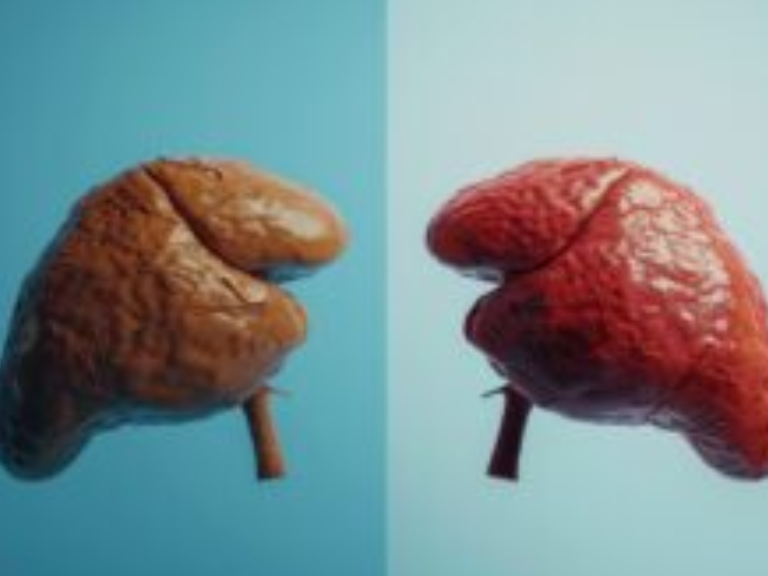
Fatty liver disease, also known as hepatic lipidosis, is a common condition in which the liver accumulates excess fat, leading to inflammation and scarring. While it’s a treatable condition, the prognosis and life expectancy of individuals with fatty liver disease vary greatly depending on several factors. In this blog, we’ll delve into the details of life expectancy with fatty liver disease, exploring the different stages, treatment options, and lifestyle changes that can impact prognosis.
Stages of Fatty Liver Disease
Fatty liver disease progresses through four stages, each with its own set of symptoms and prognosis:
Simple Fatty Liver
- Characterized by excess fat accumulation in the liver
- Typically asymptomatic
- Reversible with lifestyle changes and weight loss
Steatohepatitis
- Inflammation and scarring of the liver tissue
- May cause symptoms like fatigue, abdominal pain, and nausea
- Can lead to fibrosis and cirrhosis if left untreated
Fibrosis
- Scarring of the liver tissue, leading to loss of liver function
- May cause symptoms like jaundice, itching, and fluid retention
- Can progress to cirrhosis if not managed properly
Cirrhosis
- Advanced scarring and loss of liver function
- Can lead to liver failure, portal hypertension, and increased risk of liver cancer
- Often requires liver transplantation
Life Expectancy with Fatty Liver Disease
The life expectancy of individuals with fatty liver disease varies depending on the stage of the disease, underlying health conditions, and response to treatment. Here are some general guidelines:
-
Stage 1: Simple Fatty Liver
With lifestyle changes and weight loss, individuals can expect a normal life expectancy.
-
Stage 2: Steatohepatitis
If left untreated, the 5-year survival rate is around 50%. With treatment, the 5-year survival rate improves to around 70-80%.
-
Stage 3: Fibrosis
The 5-year survival rate is around 50-60%. With proper management, individuals can expect to live for 10-15 years or more.
-
Stage 4: Cirrhosis
The 5-year survival rate is around 20-30%. Without liver transplantation, the prognosis is poor.
Treatment Options and Lifestyle Changes
While there is no cure for fatty liver disease, treatment options and lifestyle changes can help manage the condition and improve prognosis:
-
Weight Loss
Losing weight, especially in the abdominal area, can help reduce liver fat and inflammation.
-
Dietary Changes
Eating a healthy, balanced diet low in sugar, salt, and unhealthy fats can help reduce liver inflammation.
-
Exercise
Regular exercise can help improve insulin sensitivity and reduce liver fat.
-
Medications
Certain medications, such as pioglitazone and vitamin E, may be prescribed to reduce liver inflammation and improve insulin sensitivity.
-
Liver Transplantation
In advanced cases of cirrhosis, liver transplantation may be necessary.
Conclusion
Fatty liver disease is a treatable condition, but the prognosis and life expectancy vary greatly depending on the stage of the disease and response to treatment. By understanding the different stages of fatty liver disease and making lifestyle changes, individuals can improve their prognosis and reduce the risk of complications. If you’re diagnosed with fatty liver disease, it’s essential to work closely with your healthcare provider to develop a personalized treatment plan and make informed decisions about your care.
Resources
-
American Liver Foundation
A non-profit organization dedicated to promoting liver health and education.
-
National Institute of Diabetes and Digestive and Kidney Diseases (NIDDK)
A government organization providing information on liver disease and treatment options.