

Written by Altaf Khan | MSc Chemistry, MBA, QC Manager | Medical Bluff
Reviewed by: Dr. Ayesha, Medical Reviewer
Introduction
Tuberculosis (TB) remains one of the world’s most serious infectious diseases, affecting millions of people each year despite being both preventable and treatable. The Bacillus Calmette–Guérin (BCG) vaccine, commonly known as the TB vaccine, has protected children from severe forms of tuberculosis for more than a century and continues to play a vital role in public health programs worldwide.
Although the BCG vaccine does not completely prevent every type of TB infection, it significantly reduces the risk of life-threatening complications such as TB meningitis and disseminated tuberculosis, especially in infants and young children. In recent years, researchers have also explored new TB vaccines and expanded the medical use of BCG in the treatment of certain bladder cancers.
In this guide, you’ll learn how the BCG vaccine works, who should receive it, its benefits, possible side effects, effectiveness, and the latest tuberculosis vaccine research for 2026, helping you make informed decisions based on reliable medical evidence.
Quick Answer
The BCG (Bacillus Calmette–Guérin) vaccine is the only licensed vaccine for tuberculosis (TB). It is primarily given to protect infants and young children from severe forms of TB, such as TB meningitis and disseminated tuberculosis. While its effectiveness against pulmonary TB in adults varies by region, the vaccine continues to play an important role in global TB prevention. Researchers are also developing new TB vaccines to improve protection for adolescents and adults.
Quick Facts
| Feature | Details |
|---|---|
| Vaccine Name | Bacillus Calmette–Guérin (BCG) |
| Protects Against | Tuberculosis (TB) |
| First Developed | 1921 |
| Vaccine Type | Live attenuated bacterial vaccine |
| Common Age Given | At birth or during infancy in high-risk countries |
| Number of Doses | Usually one |
| Common Side Effect | Small sore that heals into a scar |
| Serious Side Effects | Rare |
| Additional Medical Use | Treatment for certain bladder cancers |
| WHO Status | Still recommended in countries with high TB burden |
What Is the BCG Vaccine?
The BCG vaccine is a vaccine designed to help protect against tuberculosis (TB), a bacterial infection caused by Mycobacterium tuberculosis. TB most commonly affects the lungs, but it can also spread to the brain, spine, kidneys, and other parts of the body.
The vaccine is made from a weakened strain of Mycobacterium bovis. Because the bacteria are weakened, they stimulate the immune system without causing tuberculosis in healthy individuals.
For more than a century, BCG has been included in national immunization programs across many countries where TB remains common. Millions of newborns receive the vaccine every year, making it one of the world’s most widely used vaccines.
Why Is the TB Vaccine Important?
Tuberculosis remains one of the world’s leading infectious diseases. Although TB is both preventable and treatable, it continues to affect millions of people annually, particularly in low- and middle-income countries.
Young children are especially vulnerable to severe TB complications. Without vaccination, TB can spread beyond the lungs and cause life-threatening conditions, including:
- TB meningitis
- Disseminated (miliary) TB
- Severe systemic infection
- Long-term neurological complications
The BCG vaccine significantly reduces the risk of these serious forms of TB in infants and young children. While it does not provide complete protection against every type of tuberculosis, it remains a vital public health tool in countries with a high burden of TB.
How Does the BCG Vaccine Work?
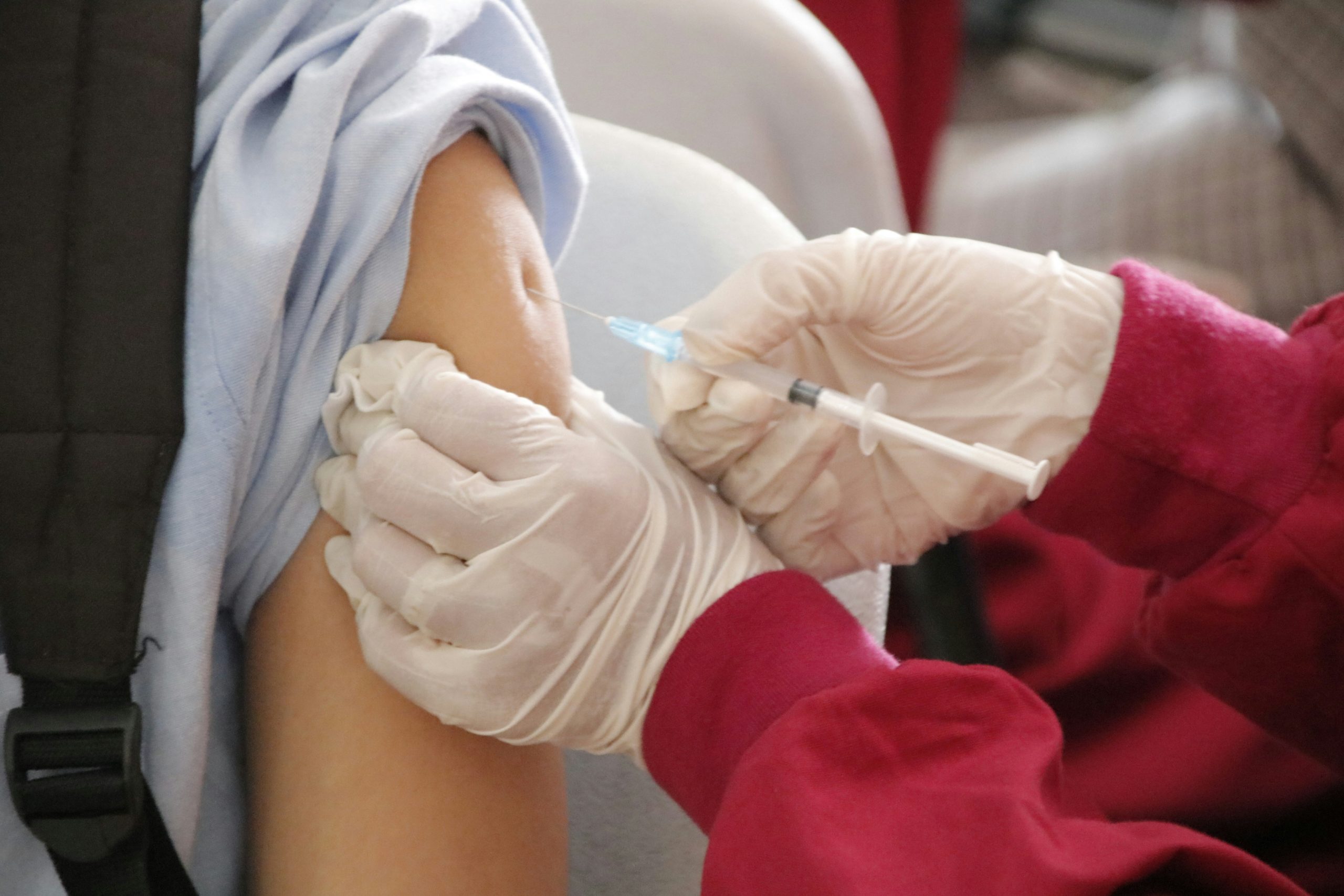
After the vaccine is injected into the skin, the weakened bacteria trigger the body’s immune response. White blood cells recognize the bacteria as foreign and begin building immune memory.
If a vaccinated person is later exposed to Mycobacterium tuberculosis, the immune system can respond more quickly and effectively. This reduces the likelihood of severe disease, particularly in children.
Unlike many vaccines that aim to completely prevent infection, the BCG vaccine mainly helps reduce the severity of tuberculosis and lowers the risk of dangerous complications.
Who Should Receive the BCG Vaccine?
Recommendations vary from country to country based on the local burden of tuberculosis.
The vaccine is commonly recommended for:
- Newborn babies in countries where TB is common
- Infants at high risk of tuberculosis exposure
- Children living with family members who have active TB
- Certain healthcare workers in specific high-risk settings
- Individuals with occupational exposure in areas where recommended by public health authorities
In countries where tuberculosis is uncommon, the vaccine is generally reserved for people at increased risk rather than being given routinely to every newborn.
Benefits of the BCG Vaccine
The BCG vaccine remains one of the most important tools for preventing severe tuberculosis, particularly in countries where TB is common. Although it does not provide complete protection against every form of TB, it has saved millions of lives by reducing serious illness in children.
Its key benefits include:
- Protects infants from severe forms of tuberculosis.
- Reduces the risk of TB meningitis (infection of the membranes surrounding the brain).
- Helps prevent disseminated (miliary) TB, which can spread throughout the body.
- Lowers childhood deaths caused by severe TB.
- Contributes to community TB control in high-burden regions.
- Has a long history of safety and effectiveness.
- Plays an important role in treating certain types of bladder cancer (using a different medical protocol).
For countries with high TB rates, the vaccine remains a cornerstone of childhood immunization programs.
How Effective Is the BCG Vaccine?
The effectiveness of the BCG vaccine varies depending on several factors, including geographic location, age at vaccination, genetics, and environmental exposure to other mycobacteria.
Research has consistently shown that the vaccine provides:
| Disease | Protection |
|---|---|
| Severe childhood TB | High protection |
| TB meningitis | Very high protection |
| Disseminated (miliary) TB | Very high protection |
| Pulmonary TB in adults | Variable protection |
One question many people ask is why the vaccine works better in children than adults.
The answer is that BCG is especially effective at preventing the dangerous forms of TB that affect infants and young children. Protection against adult pulmonary TB—the most common form of the disease—varies widely between populations, which is one reason researchers continue to develop newer TB vaccines.
Even with these limitations, the BCG vaccine remains an essential public health intervention because preventing severe childhood TB saves countless lives every year.
Who Should Not Receive the BCG Vaccine?
Although the BCG vaccine is considered safe for most healthy infants, it is not appropriate for everyone.
Healthcare providers may advise against vaccination in people who:
- Have a severely weakened immune system.
- Are receiving chemotherapy or certain immunosuppressive medications.
- Have advanced untreated HIV infection with significant immune suppression.
- Have a known severe allergy to a previous BCG vaccine dose or one of its components.
- Are pregnant, unless specifically recommended by a healthcare professional after careful assessment.
Before vaccination, healthcare providers evaluate each person’s medical history to determine whether BCG is appropriate.
BCG Vaccine Schedule
The recommended vaccination schedule differs between countries.
In many regions with a high burden of tuberculosis:
- One dose is given shortly after birth.
- No routine booster dose is recommended in most national immunization programs.
- Older children or adults may receive the vaccine only under specific public health recommendations.
Parents should always follow their country’s official immunization schedule and consult their healthcare provider if they have questions about timing.
How Long Does the BCG Vaccine Protect You?
Protection from the BCG vaccine is long-lasting but not lifelong.
Studies suggest that immunity may persist for 10 to 20 years, although the duration varies among individuals. Some protection may last even longer, particularly against severe childhood TB.
Because immunity gradually decreases over time, scientists continue to study new vaccines that could provide stronger and longer-lasting protection for adolescents and adults.
Why Does the BCG Vaccine Leave a Scar?
A small scar on the upper arm is one of the most recognizable signs of BCG vaccination.
After receiving the vaccine, many people experience a predictable healing process:
- A small raised bump develops at the injection site.
- The bump may become a tiny blister or sore.
- It gradually dries and heals over several weeks.
- A small, round scar often remains.
This scar is a normal response to the vaccine and usually does not indicate a problem. Some people develop only a faint mark, while others may have a more noticeable scar.
Parents should avoid squeezing, scratching, or covering the area tightly unless instructed by a healthcare professional.
Does Everyone Develop a BCG Scar?
Not always.
Some vaccinated individuals heal with a clearly visible scar, while others develop only a small mark—or no noticeable scar at all. The absence of a scar does not necessarily mean the vaccine failed or did not stimulate an immune response.
Several factors, including individual healing patterns and injection technique, can influence scar formation.
BCG Vaccine Side Effects
Like most vaccines, the BCG vaccine can cause side effects. Fortunately, most reactions are mild, temporary, and resolve without treatment.
The most common side effects include:
- Mild pain at the injection site
- Redness or swelling
- A small blister that develops within a few weeks
- A tiny ulcer that gradually heals
- A permanent or faint scar on the upper arm
These reactions are considered a normal part of the body’s immune response and usually heal within several weeks.
Rare but Serious Side Effects
Serious complications from the BCG vaccine are uncommon, but they can occur in rare cases.
Possible rare adverse reactions include:
- Swollen lymph nodes near the injection site
- Persistent ulcer that does not heal
- Injection-site abscess
- Bone infection (extremely rare)
- Widespread BCG infection in people with severely weakened immune systems
Because the vaccine contains a weakened live bacterium, it is generally not recommended for people with significant immune suppression unless advised by a specialist.
Seek medical attention if there is:
- High fever after vaccination
- Increasing redness or swelling that spreads
- Pus with severe pain
- Persistent drainage lasting several months
- Swollen lymph nodes that continue to enlarge
Most children experience only mild local reactions and recover without complications.
Can Adults Receive the BCG Vaccine?
Yes, but routine BCG vaccination for adults is uncommon in many countries.
Adults may be considered for vaccination if they:
- Live or work in areas with a high TB burden
- Have occupational exposure to tuberculosis
- Meet specific public health recommendations
The decision depends on local guidelines, individual risk factors, and medical history.
BCG Vaccine for Bladder Cancer
Many people are surprised to learn that the BCG vaccine is also used to treat certain forms of non-muscle-invasive bladder cancer.
In this setting, BCG is not used as a vaccine. Instead, a specially prepared solution containing live, weakened BCG bacteria is placed directly into the bladder through a catheter. This treatment is known as intravesical BCG therapy.
The bacteria stimulate the immune system inside the bladder, helping it recognize and destroy cancer cells while reducing the risk of recurrence.
Doctors commonly recommend BCG therapy after surgery to remove early-stage bladder tumors, particularly in patients with intermediate- or high-risk disease.
Although the same weakened bacterium is used, bladder cancer treatment follows a completely different protocol from routine childhood vaccination.
Latest TB Vaccine Research (2026)
While BCG remains the only licensed tuberculosis vaccine, researchers around the world are working to develop newer vaccines that provide stronger and longer-lasting protection.
Current research focuses on vaccines that could:
- Better prevent pulmonary TB in adolescents and adults
- Reduce TB transmission within communities
- Improve immunity in people previously vaccinated with BCG
- Support global efforts to eliminate tuberculosis
Several vaccine candidates are being evaluated in clinical trials, and scientists continue to explore innovative approaches using recombinant proteins, viral vectors, and mRNA-based technologies.
Although these candidates have shown encouraging results, none has yet replaced BCG in routine immunization programs.
Why Are New TB Vaccines Needed?
The BCG vaccine has been used successfully for more than a century, but it has important limitations.
Researchers hope future vaccines will:
- Provide more consistent protection against adult pulmonary TB
- Offer longer-lasting immunity
- Reduce the number of TB infections worldwide
- Help combat drug-resistant tuberculosis
- Accelerate progress toward global TB elimination goals
Developing an improved TB vaccine remains one of the highest priorities in infectious disease research.
BCG Vaccine vs. New TB Vaccines
| Feature | BCG Vaccine | New TB Vaccines (In Development) |
|---|---|---|
| Licensed for routine use | ✅ Yes | ❌ Not yet |
| Used worldwide | ✅ Yes | ❌ Clinical trials |
| Protects children from severe TB | ✅ Excellent | Under evaluation |
| Protection against adult pulmonary TB | Variable | Goal is stronger protection |
| Long-term safety data | More than 100 years | Still being studied |
| Recommended by public health authorities | ✅ Yes | Not until approved |
At present, BCG remains the standard vaccine for tuberculosis prevention, while newer candidates continue through clinical testing.
Frequently Asked Questions (FAQs)
Is the BCG vaccine the same as the TB vaccine?
Yes. The BCG (Bacillus Calmette–Guérin) vaccine is currently the only licensed vaccine used to help protect against tuberculosis (TB). It is primarily given to infants and young children in countries where TB is common.
Can you still get tuberculosis after receiving the BCG vaccine?
Yes. The BCG vaccine does not provide complete protection against all forms of tuberculosis. However, it is highly effective at reducing the risk of severe TB in young children, including TB meningitis and disseminated TB.
How long does BCG vaccine protection last?
Protection typically lasts 10 to 20 years, although the duration varies between individuals. Some protection against severe disease may persist for longer.
Why does the BCG vaccine leave a scar?
The vaccine causes a small local immune reaction at the injection site. As the area heals, many people develop a small round scar on the upper arm. This is a normal response and is usually not a cause for concern.
Is the BCG vaccine safe?
Yes. The BCG vaccine has been used worldwide for more than 100 years and has an excellent safety record. Most side effects are mild and limited to the injection site. Serious complications are rare and occur mainly in people with severely weakened immune systems.
Is the BCG vaccine given in every country?
No. Countries with a high burden of tuberculosis often include BCG in their routine childhood immunization schedules. In countries where TB is uncommon, vaccination is usually recommended only for people at increased risk of exposure.
Can adults receive the BCG vaccine?
In some situations, yes. Adults with a high risk of occupational or environmental exposure may be considered for vaccination according to national public health guidelines.
Is the BCG vaccine used to treat cancer?
Yes. A specially prepared form of BCG is widely used to treat certain cases of non-muscle-invasive bladder cancer. In this treatment, the solution is placed directly into the bladder to stimulate the immune system against cancer cells. This use is different from routine childhood vaccination.
Key Takeaways
- The BCG vaccine is the only licensed vaccine for tuberculosis.
- It provides strong protection against severe TB in infants and young children.
- Protection against adult pulmonary TB varies, which is why researchers continue to develop improved vaccines.
- Most side effects are mild, and serious reactions are uncommon.
- Beyond preventing tuberculosis, BCG also plays an important role in the treatment of selected bladder cancers.
- New TB vaccines are under development, but BCG remains the global standard for TB prevention.
Final Thoughts
Tuberculosis continues to be a major global health challenge, but vaccination remains one of the most effective ways to protect children from its most dangerous forms.
For more than a century, the BCG vaccine has helped reduce severe illness and save millions of lives. While scientists work toward developing more effective vaccines for adolescents and adults, BCG remains a trusted and essential part of TB prevention in many countries.
If you have questions about whether the BCG vaccine is recommended for you or your child, consult a qualified healthcare professional or follow the guidance provided by your local public health authority.
References
- World Health Organization (WHO) – Tuberculosis
https://www.who.int/health-topics/tuberculosis - World Health Organization (WHO) – BCG Vaccine Position Paper
https://www.who.int/publications/i/item/who-wer7804 - Centers for Disease Control and Prevention (CDC) – BCG Vaccine for Tuberculosis
https://www.cdc.gov/tb/hcp/vaccines/index.html - American Cancer Society – Intravesical BCG Therapy
https://www.cancer.org/cancer/types/bladder-cancer/treating/intravesical-therapy.html - Gates Medical Research Institute – Tuberculosis Vaccine Research
https://www.gatesmri.org/our-work/tuberculosis/ - National Library of Medicine – Trained Immunity
https://pmc.ncbi.nlm.nih.gov/articles/PMC6156802/
Medical Disclaimer
This article is intended for educational purposes only and should not be considered medical advice. It does not replace consultation, diagnosis, or treatment by a qualified healthcare professional. Always seek guidance from your physician or another licensed healthcare provider regarding questions about vaccinations or any medical condition.
Keep Reading — More from Medical Bluff
📌 Summer Health:
📌 Environmental Health: