

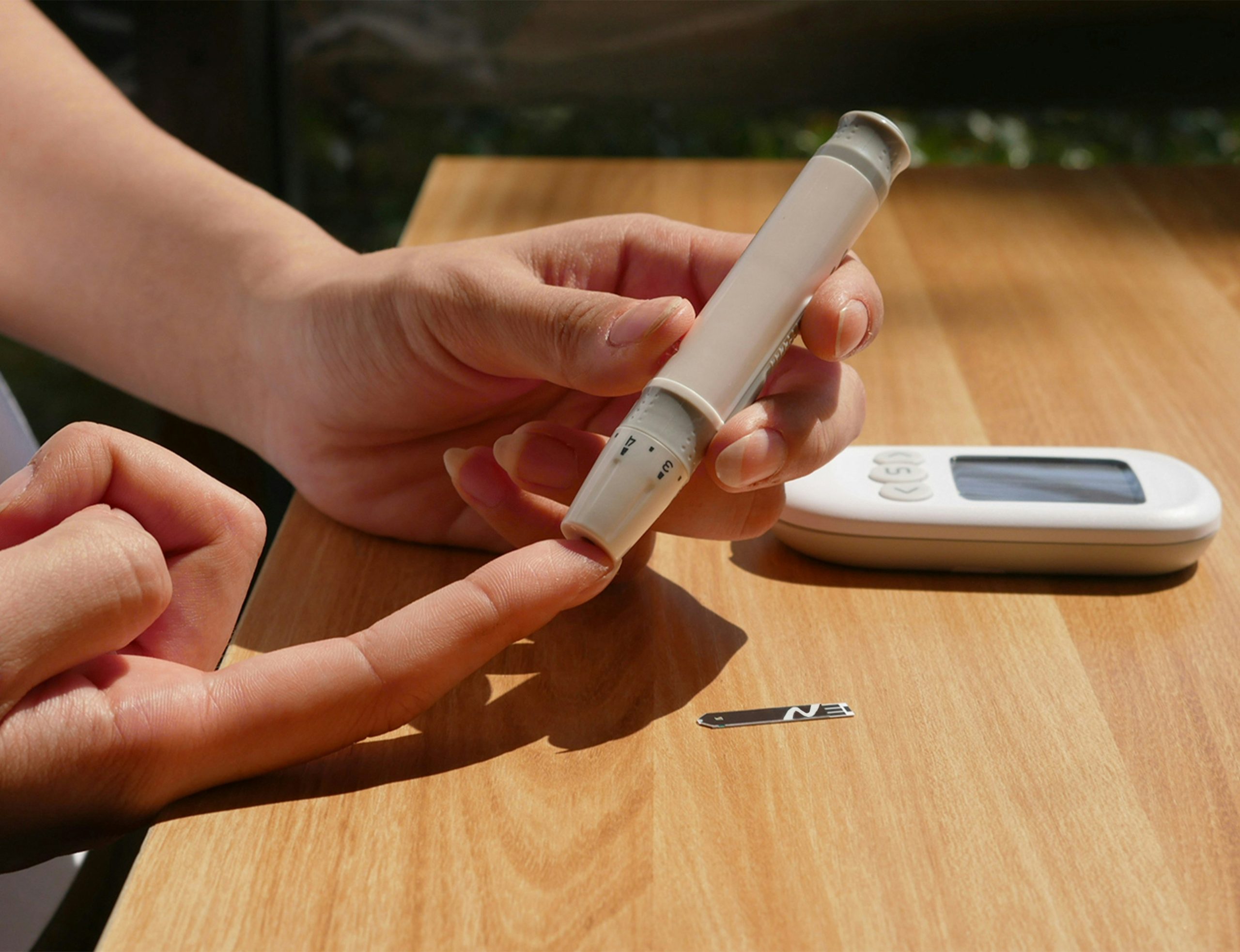
World-First: Type 2 Diabetes Reversed With Stem Cells
In a historic medical breakthrough, researchers in China have reported the first-ever case of a patient with Type 2 diabetes being cured using stem cell therapy.
The patient — a 59-year-old man who had lived with diabetes for 25 years — had been dependent on daily insulin injections. He received a stem cell transplant in 2021. By 2022, he was completely off all diabetes medication . As of 2025, he remains drug-free.
His case was published in April 2024 in the journal Cell Discovery. Scientists are calling it a “milestone” in diabetes treatment.
Reference: Fang X, et al. “Treating a type 2 diabetic patient with autologous E-islet transplantation.” Cell Discovery. 2024;10(45).
Quick Summary: Stem Cell Diabetes Breakthrough
| Aspect | Details |
|---|---|
| Patient | 59-year-old male, 25-year history of Type 2 diabetes |
| Treatment | Autologous E-islet transplantation (patient’s own cells converted into insulin-producing cells) |
| Before treatment | Daily insulin injections + oral medication |
| After treatment | Off insulin completely (11 weeks post-procedure) |
| Current status | Drug-free for over 2 years (as of 2025) |
| Journal | Cell Discovery (April 2024) |
| Significance | World’s first reported case of Type 2 diabetes reversal using stem cells |
How Does Stem Cell Therapy for Diabetes Work?
The procedure is called autologous E-islet transplantation. Let me break it down in simple terms:
1: Doctors took the patient’s own blood cells.
2: In a lab, they “reprogrammed” those cells into insulin-producing cells (called E-islets).
3: They transplanted these E-islets back into the patient’s body.
4: The new cells began producing insulin naturally — just like a healthy pancreas.
Why it matters: Because the cells came from the patient’s own body, there was no risk of rejection . No need for lifelong immunosuppressive drugs (which are required for donor islet transplants).
Reference: National Institutes of Health (NIH). “Islet Cell Transplantation for Type 1 Diabetes.” 2025.
A Timeline of the Breakthrough
| Year | Event |
|---|---|
| 2021 | Patient receives stem cell transplant |
| 2022 (11 weeks later) | Patient off all insulin |
| 2023 | Patient remains drug-free |
| April 2024 | Case published in Cell Discovery |
| 2025 | Follow-up confirms continued drug-free status |
| 2026 | Clinical trials expanding globally |
Why This Is a “World-First” Breakthrough
Previous stem cell attempts for diabetes focused on Type 1 diabetes (autoimmune condition). Type 2 diabetes is different — it’s about insulin resistance, not lack of insulin production.
This case is the first successful use of stem cells specifically for Type 2 diabetes . The patient’s own cells were reprogrammed to bypass the insulin resistance problem.
Result: After 25 years of daily injections, he no longer needs diabetes medication of any kind.
Medical experts quoted in the study said: “This represents a significant advancement in the field of regenerative medicine for diabetes.”
How Stem Cell Diabetes Treatment Compares
| Treatment | What it does | Lifelong medication? | Side effects |
|---|---|---|---|
| Insulin injections | Replaces missing insulin | Yes (daily) | Weight gain, hypoglycemia, injection site issues |
| Oral medication (Metformin, etc.) | Improves insulin sensitivity | Yes (daily) | GI issues, rare lactic acidosis |
| Donor islet transplant | Provides new insulin-producing cells | Yes (immunosuppressants needed) | High (rejection risk, infections) |
| Stem cell E-islet transplant (2026) | Patient’s own cells become insulin producers | No (after successful transplant) | Low (cells are patient’s own) |
The Science Made Simple
Your pancreas has special cells called beta cells. They produce insulin — the hormone that moves sugar from your blood into your cells for energy.
In Type 2 diabetes, your body becomes resistant to insulin. Your beta cells try to compensate by producing more insulin. Eventually, they burn out.
This stem cell therapy does two things:
-
It provides new, healthy beta cells (the E-islets)
-
Because these cells come from your own body, they accepted without rejection
Reference: American Diabetes Association (ADA). “Standards of Medical Care in Diabetes — 2025.”
Limitations (What You Should Know)
| Current limitation | Why it matters |
|---|---|
| Only one patient so far | This is a case report, not a large clinical trial |
| Type 2 diabetes only | The procedure hasn’t been tested for Type 1 diabetes (different mechanism) |
| Not yet widely available | Currently only in research settings in China |
| Cost unknown | Stem cell treatments are typically expensive (tens of thousands of dollars) |
| Long-term durability unknown | Will the effects last 10+ years? We don’t know yet |
What’s Next for Stem Cell Diabetes Treatment?
| Timeline | Expected development |
|---|---|
| 2026-2027 | Larger clinical trials (Phase 2-3) in China and possibly US/Europe |
| 2027-2028 | If trials successful, regulatory approval (FDA, EMA) |
| 2028-2030 | Wider availability (initially expensive, may decrease over time) |
Reference: ClinicalTrials.gov. “Stem Cell Therapy for Type 2 Diabetes.” Search results 2026.
Frequently Asked Questions
Can stem cells cure Type 2 diabetes completely?
In this one reported case , yes — the patient was completely off all diabetes medication for over 2 years. But more research needed to confirm if this works for most patients.
Is this available now?
No. Currently, this is only available in research settings. The patient was part of a clinical study.
Will this work for Type 1 diabetes?
The same approach may work, but it hasn’t been tested yet. Type 1 diabetes involves an autoimmune attack on beta cells, so the new cells might also be destroyed without immune protection.
How much will it cost?
Unknown. Current stem cell treatments range from $20,000 to $100,000+. The price may drop if the technology becomes widely available.
Are there any side effects?
In this single case, no serious side effects reported. Because the cells came from the patient’s own body, there was no rejection.
The Bottom Line
This is real — but early.
A 59-year-old man with 25 years of Type 2 diabetes is now completely drug-free after a single stem cell transplant. He hasn’t needed insulin or oral medication for over two years. That’s never happened before.
For the hundreds of millions of people living with Type 2 diabetes worldwide — including 38 million Americans and 5 million in the UK — this offers genuine hope.
But let’s be realistic: This is one patient . Large clinical trials needed before this becomes a standard treatment.
“A single case doesn’t make a cure. But it does prove that a cure is possible.”
If future trials confirm these results, stem cell therapy could transform diabetes care — moving from daily management to one-time treatment.
For now, researchers are cautiously optimistic. And millions are watching closely.
✅ Keep Reading — More from Medical Bluff
📌 Pillar Posts:
📌 Cluster Posts (Deep Dives):
Written by Altaf Khan | MSc Chemistry, MBA, QC Manager | Medical Bluff
Scientifically reviewed principles applied — always consult your physician
Verified by: Dr. Ayesha, Medical Reviewer
References
-
Fang X, et al. “Treating a type 2 diabetic patient with autologous E-islet transplantation.” Cell Discovery. 2024;10:45.
-
National Institutes of Health (NIH). “Islet Cell Transplantation for Type 1 Diabetes.” 2025.
-
American Diabetes Association (ADA). “Standards of Medical Care in Diabetes — 2025.”
-
ClinicalTrials.gov. “Stem Cell Therapy for Type 2 Diabetes.” Search results 2026.
-
World Health Organization (WHO). “Diabetes Facts and Figures.” 2026.