


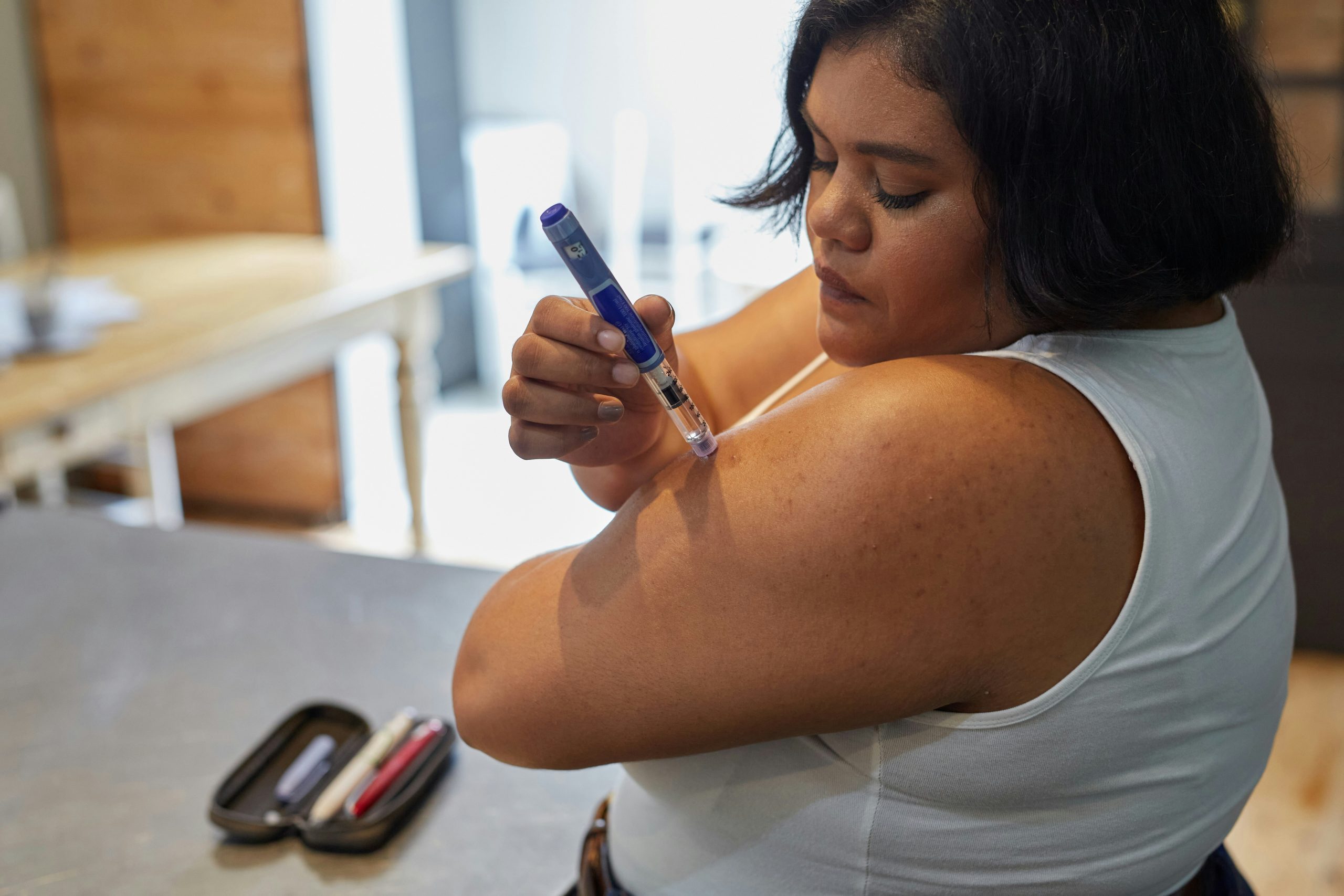
Let me be real with you. I’ve been in pharma for over 13 years. Seen patients struggle with weight. Watched them battle diabetes. The link between obesity and diabetes is real — and it’s getting worse. The latest 2026 data shows nearly half of US adults now live with cardiovascular disease, driven largely by rising obesity and diabetes rates.
Here’s what the numbers actually say.
The Numbers — Obesity and Diabetes in 2026
The latest 2026 data from the American Heart Association shows that nearly half of US adults now live with cardiovascular disease.
Obesity now affects 40.3% of US adults. That’s more than 100 million people. Another 38.5% have metabolic syndrome — a cluster of conditions that includes high blood pressure, high blood sugar, and excess abdominal fat.
Diabetes prevalence has climbed from 12% to 14% between 2009 and 2023. Among adults with diagnosed diabetes, only about half achieve glycemic control. And age-adjusted diabetes-related mortality has increased substantially.
Younger adults are getting hit harder. Obesity rates among adults aged 20-39 have risen sharply. And diabetes is rising faster in younger adults, patients with low income, and Black adults.
The projections to 2050 are even more concerning:
-
Hypertension: 61% of adults
-
Diabetes: 26.8% of adults
-
Obesity: 60.6% of adults
How Obesity and Diabetes Are Connected
Obesity is the single biggest driver of type 2 diabetes. About 90% of people with type 2 diabetes have overweight or obesity. Obesity is linked to 30-53% of new type 2 diabetes diagnoses in the US.
But why? What’s the actual mechanism?
Excess body fat, especially around the abdomen, promotes insulin resistance in several ways:
| Mechanism | What It Does |
|---|---|
| Free fatty acids | Interfere with insulin signaling in muscles and liver |
| Inflammatory cytokines | Reduce effectiveness of insulin receptors on cells |
| Chronic inflammation | Damages pancreatic cells that produce insulin |
| Adipokine alteration | Changes hormones that affect how sensitive cells are to insulin |
Adipose tissue (body fat) isn’t just passive storage — it’s an active endocrine organ that secretes hormones and inflammatory compounds. When you have too much of it, especially in the abdominal region, it disrupts your body’s ability to regulate blood sugar.
A meta-analysis found that obese individuals have more than twice the risk of developing diabetes compared with non-obese individuals. The effect is even stronger in younger individuals and females.
The “Diabesity” Epidemic — Why It’s Getting Worse
Obesity and diabetes rates have been rising together globally — often called “diabesity”. Several factors are driving this:
| Factor | Impact |
|---|---|
| Earlier-onset obesity | Younger adults with obesity have longer exposure to metabolic dysfunction |
| Childhood obesity trends | Children with obesity are more likely to develop type 2 diabetes early |
| Food insecurity | Limited access to healthy food in underserved communities |
| Sedentary lifestyle | Physical inactivity contributes to insulin resistance |
Childhood obesity is a major concern. Research suggests around 75% of children with type 2 diabetes have obesity. Children with severe obesity (BMI ≥ 35) have a significantly increased incidence of diabetes.
The Obesity-Diabetes-Cardiovascular Connection
Obesity and diabetes don’t just affect each other — they create a cascade of other health problems.
A 2026 study found that nearly 1 in 4 adults aged 65 or older now has multimorbidity within the cardiac, renal, and metabolic (CRM) cluster. Each overlapping condition increases the risk of high-cost events like heart attacks, strokes, and kidney failure.
Obesity has been described as the “central hub” driving diabetes, cardiovascular disease, chronic kidney disease, and liver disease. This interconnected burden requires a shift from isolated disease management to an integrated metabolic health approach.
What Can Be Done About Obesity and Diabetes?
For Individuals
| Action | Why It Helps |
|---|---|
| 5-10% weight loss | Improves insulin sensitivity, can put type 2 diabetes into remission |
| 150 minutes/week physical activity | Improves glucose utilization, reduces insulin resistance |
| Dietary changes | Reduce processed foods, increase fiber and protein |
| Regular screening | Early detection of prediabetes and diabetes |
Losing 5% or more of total body weight has been shown to improve quality of life, reduce the need for diabetes medication, and enhance glycemic control.
For the Healthcare System
The American Heart Association’s 2026 report emphasizes the urgent need for prevention-focused, equitable approaches to cardiovascular, kidney, and metabolic health. This means:
-
Earlier screening for obesity and diabetes
-
Lower thresholds for weight-management referrals
-
Routine sleep assessment during chronic-risk visits
-
Panel-based risk stratification in primary care
My Honest Take
I’m not a doctor. I’m a chemist who’s been in pharma long enough to know that these numbers matter — and that prevention works.
The data is clear: obesity and diabetes are not just personal problems. They’re public health crises that require systemic change. But that doesn’t mean individuals can’t make a difference.
If you’re overweight or have a family history of diabetes, get screened. Lose 5-10% of your body weight if you can. Move more. Eat real food. Small changes add up.
And if you’re already diagnosed with diabetes or obesity, don’t give up. Effective treatments exist — including lifestyle interventions, medications like GLP-1s, and even bariatric surgery for severe cases.
The best time to act was yesterday. The second best time is today.
Written by Altaf Khan | MSc Chemistry, MBA, QC Manager | Medical Bluff
Reviewed by: Dr. Ayesha, Medical Reviewer
This content was written by a pharma professional and reviewed by a medical doctor for accuracy. It is for informational purposes only and does not constitute medical advice. Always consult your healthcare provider.
Keep Reading — More from Medical Bluff
📌 Pillar Posts:
📌 Cluster Posts (Deep Dives):
-
Produce Prescriptions — Can Doctors Really Prescribe Vegetables?
-
GLP-1 and Diet — What to Eat When You’re on Weight Loss Medication
-
Why Younger Adults Are Getting Diabetes Faster — Coming Soon
References
-
American Heart Association. (2026). Heart Disease and Stroke Statistics Report. Circulation.
-
Cardiovascular Statistics in the United States, 2026. Journal of the American College of Cardiology.
-
Wolff D, et al. (2026). The Future of Metabolic Health in Managed Care. AJMC.
-
Xu W, et al. (2026). Relation Between Obesity, Normal-Weight Obesity, and Risk of Diabetes Among Youth and Females. Diabetes, Metabolic Syndrome and Obesity.
-
Systematic Review on Diabetes Prevention. (2024). Cureus.
-
National Institute of Diabetes and Digestive and Kidney Diseases. Risk Factors for Type 2 Diabetes.