

I’ve been in pharma for over 13 years. Seen a lot. But one thing that always surprises me is how early habits stick.
Kids who learn to love fruits and veggies early? They carry that with them. Kids who don’t? It’s harder to change later.
That’s why I like the idea of box fruits plush toys. Simple, soft, and educational.
What Are Box Fruits Plush?
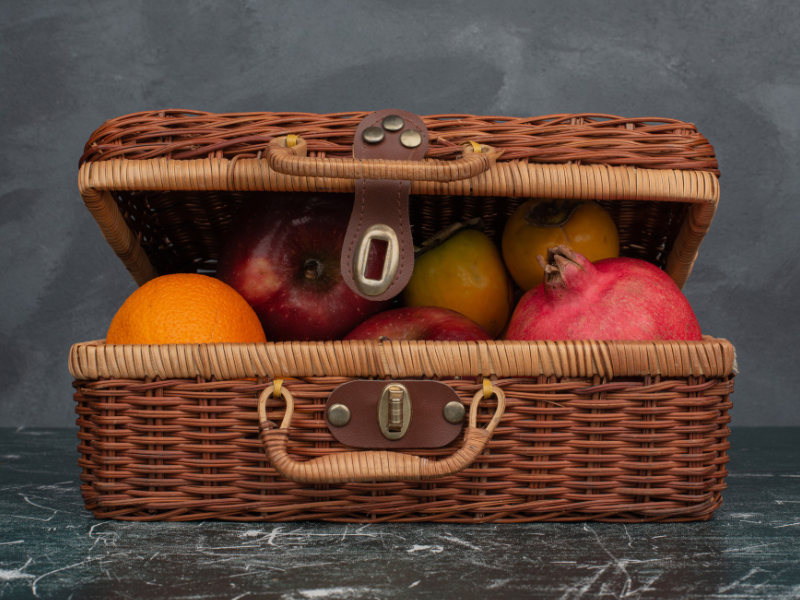
They’re soft, stuffed toys shaped like fruits — apples, bananas, oranges, watermelons. Usually come in a cute box set.
But they’re not just toys. They’re a sneaky way to teach kids about healthy food without making it feel like a lesson.
I first came across these at a friend’s place. Her son had a whole set — a banana, an apple, a bunch of grapes. He carried them everywhere. He’d pretend to eat them, share them with his toys, and talk about them like they were real.
And then something interesting happened. He started asking for real bananas. Real apples. Not because anyone told him to — but because he already “knew” them from his toys.
That’s when I realized these aren’t just cute objects. They’re actually a tool.
Why They Actually Matter
Kids learn through play. Give them a toy apple, and they’ll pretend to eat it, share it, and talk about it. That familiarity makes them more open to trying the real thing.
I’ve seen this work. Friend of mine bought a set for her 4-year-old. He started asking for “real bananas” because he loved his toy one. She said it made mealtime less of a fight.
It sounds simple, but it works. Exposure matters. If a child has never seen a fruit before, they’re naturally suspicious of it. But if they’ve played with a toy version, they’ve already built a connection. It’s not a weird new thing anymore — it’s familiar.
What to Look For
| Feature | What to Check |
|---|---|
| Material | Safe, non-toxic fabric — kids put everything in their mouths |
| Size | Big enough not to be a choking hazard |
| Variety | Different fruits — exposure matters |
| Washable | Kids are messy — it’ll need cleaning |
| Stitching | Good quality so it doesn’t fall apart quickly |
I’ve seen cheap sets fall apart within weeks. The stuffing comes out, the colors fade. Worth spending a few extra bucks on something that lasts.
Where to Find Them
Online marketplaces like Amazon, toy stores, and educational catalogs. Prices vary — but a decent set usually costs around $15-$25.
Some brands also include a little booklet about the fruits. Fun facts, colors, where they grow. That adds educational value.
Do They Actually Work?
I looked into this. There’s some research on this — not specifically on fruit plush toys, but on the general idea. Kids who play with toy versions of things are more familiar with them and more open to trying them.
Plus, it’s not just about eating. It’s also about recognizing colors, learning names, and building vocabulary. A toy apple is different from a toy ball. Kids learn that.
The Bigger Picture
We spend so much time telling kids what to eat. But kids learn better when they’re curious. A toy that makes them curious about fruit is a win.
It’s not going to fix picky eating overnight. But it’s a small step. And small steps add up.
If you have a toddler or preschooler at home, and you’re tired of fighting over vegetables — consider getting a fruit plush set. Worst case, you have a cute toy. Best case, your kid starts asking for bananas.
Written by Altaf Khan | MSc Chemistry, MBA, QC Manager | Medical Bluff
Reviewed by: Dr. Ayesha, Medical Reviewer