

Medical Bluff

Nuclear Stress Test : Importance, Procedure, and Results

Nuclear Stress Test

Are you feeling careworn approximately your coronary heart fitness? Don’t worry, due to the fact these days we are going to dive into the arena of nuclear stress checks – a diagnostic imaging test that may provide you with treasured insights into the fitness of your heart.

What is a Nuclear Stress Test?

A nuclear strain test is an imaging technique that uses radioactive material to reveal how well blood flows into the coronary heart muscle, both at relaxation and in the course of interest. The check is accomplished to see if the coronary heart muscle is getting enough blood glide and oxygen while it’s far operating hard (under strain).

Why is a nuclear strain test essential

Now, you’ll be questioning, why is a nuclear strain take a look at essential? The answer is straightforward – it can help medical doctors diagnose heart conditions inclusive of coronary artery ailment, coronary heart attacks, and different heart-related problems. By imparting targeted images of the coronary heart, this test can assist docs make knowledgeable decisions about your treatment plan and typical coronary heart fitness.

How is the Test Performed?

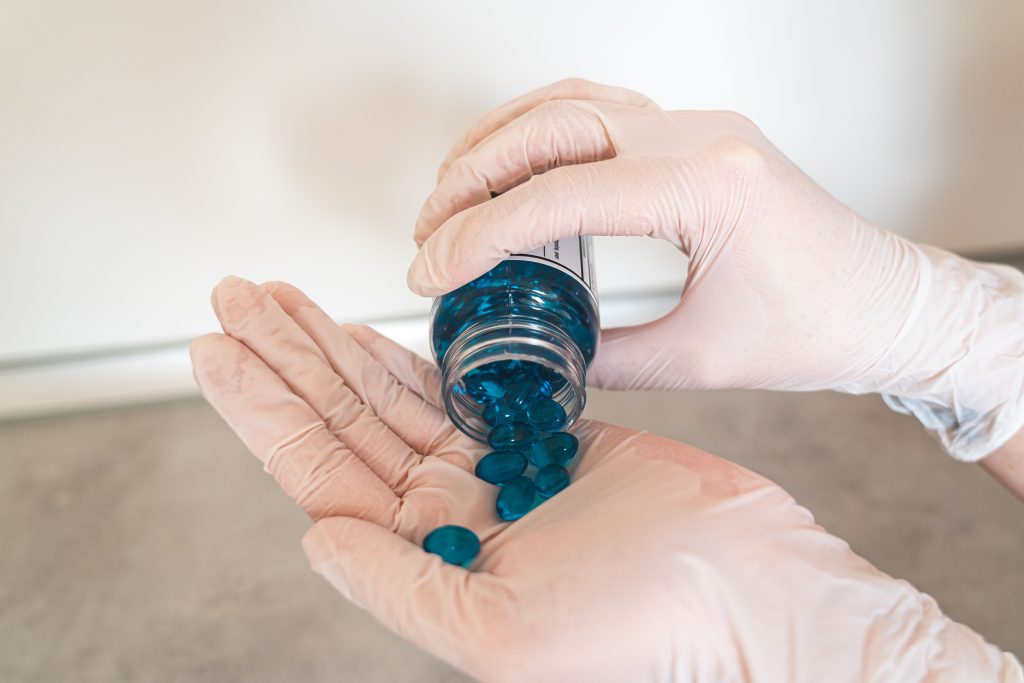
So, what can you expect throughout a nuclear pressure check? The method normally entails taking a small quantity of radioactive cloth both thru an injection or a tablet. You will then be asked to exercising on a treadmill or get hold of a medicinal drug that stimulates your coronary heart. During this time, a special digital camera will take photographs of your coronary heart to evaluate its characteristic and blood waft.

The test is executed in levels:

  1. Preparation: You could be asked to avoid ingredients, liquids, and medications that incorporate caffeine for 24 hours before the test. You may also be requested to carry anything that allows you breathe, which include your inhaler.
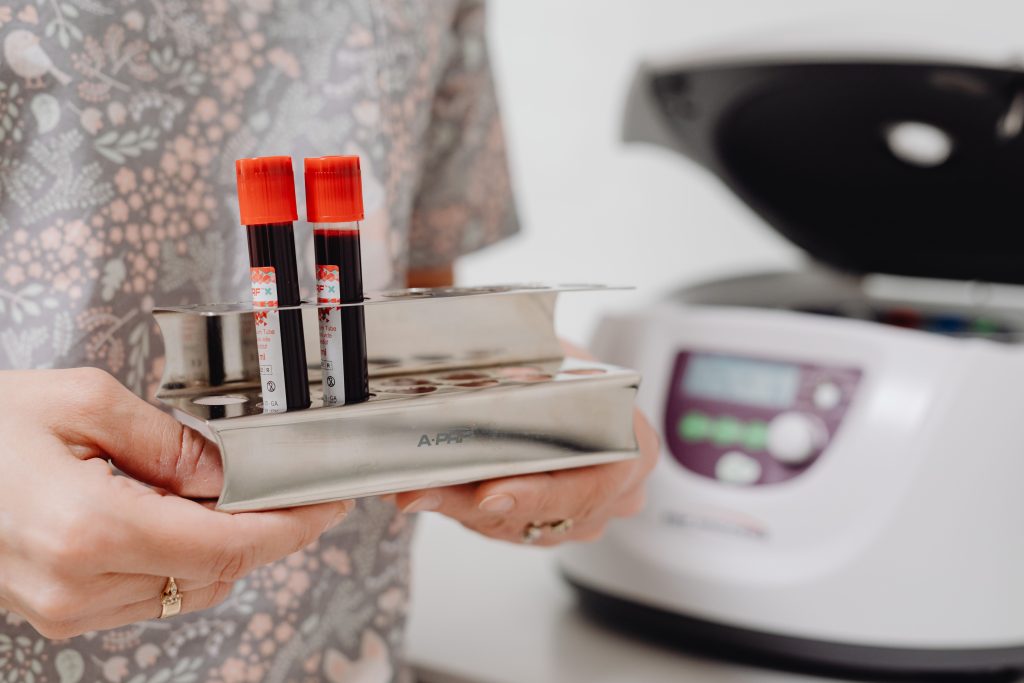
  2. Resting Images: A radioactive substance, such as thallium or sestamibi, may be injected into considered one of your veins. You will lie down and look ahead to among 15 and forty five mins. A special camera will experiment your heart and create photos to expose how the substance has traveled through your blood and into your coronary heart.

Three. Stress Test: You will stroll on a treadmill (or pedal on an workout device). After the treadmill starts offevolved moving slowly, you may be asked to walk (or pedal) faster and on an incline. If you are not able to exercise, you’ll be given a medicine referred to as a vasodilator (together with adenosine or dipyridamole [persantine]). This drug widens (dilates) your coronary heart arteries.

Four.   Stress Images: When your coronary heart is operating as hard as it is able to, a radioactive substance is once more injected into one in every of your veins. You will await 15 to 45 mins. Again, the unique digital camera will experiment your coronary heart and create photographs.

What to Expect During the Test

During the test, a few human beings sense:

  • Chest pain
  • Fatigue
  • Muscle cramps in the legs or ft
  • Shortness of breath

If you’re given the vasodilator drug, you may experience a sting as the medicine is injected. This is followed by way of a sense of heat. Some human beings even have a headache, nausea, and a feeling that their heart is racing.

What to Expect After the Test

After the take a look at, you can experience tired or dizzy or have a headache. These signs and symptoms must depart with time and relaxation. You may also need to drink lots of fluids to help flush the tracer out of your body. You may be requested to await a short time frame to permit the radioactive material to bypass thru your gadget. Your physician will then assessment the snap shots and speak the results with you, providing precious insights into the health of your heart.

Risks and Complications

A nuclear strain test is typically secure, but like several medical method, it could have risks. These might also encompass:

  • An unusual coronary heart rhythm, or arrhythmia, caused by workout or the drugs given for the duration of the take a look at that generally goes away whilst the check is over.
  • Chest pain all through the check.
  • In rare instances, a heart assault.
  • In extremely uncommon instances, an hypersensitivity to the radioactive tracer.

Why is a Nuclear Stress Test Important?

A nuclear pressure test is essential because it may help:

  • Determine how nicely your coronary heart is pumping
  • Determine the right remedy for coronary heart ailment
  • Diagnose coronary artery disease
  • See whether your heart is simply too big

Conclusion

In end, a nuclear stress check is a treasured tool in comparing the feature and blood waft of the heart. By undergoing this non-invasive method, you can advantage precious insights into your coronary heart fitness and make knowledgeable decisions about your treatment plan. So, in case you are feeling harassed about your coronary heart fitness, remember speakme on your medical doctor about the blessings of a nuclear pressure take a look at. Your heart will thanks for it!


You may also know “Essential Oils and discover how they can elevate your health” .

https://www.medicalbluff.com/essential-oils-and-discover-how-they-can-elevate-your-health
Popular Posts:

food as medicine 2026

Food as Medicine: Why Your Diet Matters More Than Ever in 2026

Let me be real with you. I’ve been in pharma for over 13 years and seen patients spend thousands on drugs for conditions they could have managed with food. People reverse prediabetes just by changing what they eat. I’ve seen it with my own eyes. Food as Medicine isn’t some new-age wellness trend. It’s real. And in 2026, it’s actually becoming part of mainstream healthcare. What Is Food as Medicine? Simple. Using food to prevent, manage, or treat disease. It’s not about supplements and not about juice cleanses. It’s about real food — vegetables, fruits, whole grains, lean protein — becoming part of your treatment plan. I’ve seen patients on GLP-1 medications who were eating only 753 calories a day. That’s less than a toddler needs. They weren’t getting enough protein. They were losing muscle, not fat. And they didn’t even know it. Food as Medicine fixes that. Why Is This Trending in 2026? Three reasons. GLP-1 medications are everywhere. Over 41 million Americans are on them. But most aren’t getting proper nutrition support. Doctors are prescribing the drugs but not the diet that should go with them. Healthcare costs are out of control. Diet-related diseases cost the US over $1 trillion every year. That’s money that could be saved with better food. Insurance companies are finally paying for it. Medicare Advantage and some Medicaid plans now cover medically tailored meals and produce prescriptions. That’s huge. It means food is finally being treated like medicine. The White House is involved too. The Make America Healthy Again Commission is focused on ultra-processed foods. Danone North America called “food as medicine” one of the top health trends for 2026. A Real Example — What This Looks Like in Practice Case 1: My Friend’s Dad My friend’s dad had type 2 diabetes. He was on metformin, but his blood sugar was still high. He lived alone, couldn’t cook much, and was basically living on frozen meals and takeout. Not great. He started getting medically tailored meals delivered to his home. Everything was pre-cooked, designed by a dietitian to manage blood sugar — low sodium, high fiber, balanced carbs. Three months later, his HbA1c dropped from 8.2 to 7.1. He lost 12 pounds and wasn’t hungry all the time. He actually looked forward to his meals. That’s Food as Medicine in action. Case 2: A Produce Prescription for Hypertension A woman in her 60s had high blood pressure. Her doctor didn’t just give her medication — she also wrote her a prescription for fruits and vegetables. $45 per month to buy produce at a local market. She started eating more greens, more berries, more veggies. Six months later, her blood pressure had dropped enough to reduce her medication. That’s a produce prescription. It’s simple, it’s cheap, and it works. The Food as Medicine Pyramid Level Intervention Who It’s For Top Medically Tailored Meals People with severe conditions who can’t cook Middle Medically Tailored Groceries People who can cook but need specific foods Lower Produce Prescriptions People with diet-related conditions Base Nutrition Education Everyone — prevention The top level — medically tailored meals — has the strongest evidence. They’ve been shown to reduce hospital admissions by 49%. That means fewer patients going to the hospital, fewer readmissions, and lower healthcare costs. The GLP-1 Problem Nobody’s Talking About This is the part that actually matters. A 2026 study found that GLP-1 users were eating only 753 calories per day. That’s dangerously low. Less than 10% of patients were meeting their protein needs. What happens when you don’t eat enough protein on a GLP-1? You lose muscle instead of fat Your metabolism slows down You feel weak and tired You regain weight the moment you stop the drug I’ve seen this happen. I know someone who went off Ozempic and gained back twice the weight. Why? Because they never learned how to eat properly while they were on it. What I recommend for GLP-1 users: Eat at least 100g of protein per day Focus on fiber-rich foods Avoid skipping meals Don’t drink your calories If you’re on a GLP-1 and you’re not thinking about your diet, you’re doing it wrong. What Can You Actually Do Today? No, you don’t need a fancy meal delivery service. You can start with what’s in your kitchen. Action Why It Helps Replace white rice with brown rice More fiber, better blood sugar control Eat one extra serving of vegetables Every day. Just one. Keep fruit where you can see it You eat what you see. Put the fruit on the counter. Drink water instead of soda Calories from sugar add up fast Take a multivitamin If you’re not eating well, you’re missing nutrients These aren’t huge changes. But they add up. I’ve seen people lower their blood pressure, reduce their medication, and feel better just by making small changes. What I Tell My Family and Friends I get asked this all the time. “Should I go on a GLP-1?” First, fix your diet. If you need help, talk to a dietitian. The drug works better if you eat well while you’re on it. “What should I eat?” Real food. Vegetables, fruits, whole grains, protein. The Mediterranean diet is still the best overall diet for 2026. It’s not new, but it’s consistently ranked the most effective. “What about processed food?” Avoid it when you can. The White House is sounding the alarm on ultra-processed foods. They make up 58% of the average American diet. That’s a problem. The Bottom Line I’m not a doctor. I’m a chemist who’s been in pharma long enough to know that food matters more than we think. Food as Medicine isn’t about giving up things you love. It’s about adding things that will make you healthier and  about small changes that add up. It’s about treating food like it actually matters — because it does. The best time to start was years ago. The second best time is today. Written by Altaf Khan | MSc Chemistry, MBA, QC Manager |

how to avoid microplastics

How to Avoid Microplastics: 7 Practical Steps

I don’t need to convince you that microplastics are a problem anymore. If you’ve read the other posts in this series, you already know they’re in your brain, your blood, your tea, and your bottled water. The question now is — what do you actually do about it? Let me be honest. You can’t avoid microplastics completely. They’re in the air, the water, and the soil. But you can reduce your exposure. A lot. Here are 7 practical things I’ve done myself. 1. Switch to Glass or Stainless Steel Water Bottles This is the single biggest change you can make. I used to buy bottled water by the case. Then I read a study that found 93% of bottled water brands contain microplastics. I switched to a stainless steel bottle that cost me $20. Haven’t bought bottled water since. What to do: Buy a reusable bottle. Fill it with filtered tap water. Done. 2. Ditch Plastic Tea Bags The study that changed my life. A single plastic tea bag releases 11.6 billion microplastic particles into your tea. When I read that, I threw out all my tea bags and bought loose leaf tea. What to do: Switch to loose leaf tea with a stainless steel infuser. Or look for tea bags made from 100% plant-based materials (not PLA — it’s still plastic). 3. Stop Microwaving Food in Plastic This one hurts. I used to reheat leftovers in plastic containers all the time. Then I learned that heat causes plastic to leach into food. I threw out all my plastic containers and replaced them with glass ones. What to do: Switch to glass or ceramic containers. Never microwave in plastic. Not even “microwave-safe” plastic. 4. Filter Your Tap Water Here’s something I didn’t know until recently — tap water has less microplastics than bottled water. A good water filter can remove most of them. Reverse osmosis is the most effective. Activated carbon filters also work. What to do: Install a water filter at home. Use it for drinking and cooking. Carry a reusable bottle when you go out. 5. Choose Natural Fabrics Every time you wash synthetic clothes, thousands of microplastic fibers go down the drain. The fibers also go into your lungs when you wear them. What to do: Choose cotton, linen, or wool. Avoid polyester, nylon, and acrylic. It’s not always possible, but reduce where you can. 6. Avoid Single-Use Plastics Plastic bags. Disposable cutlery. Straws. Food packaging. All of them contribute to your exposure. What to do: Carry your own bags, cutlery, and straws. Buy food in bulk or in glass containers. Every bit helps. 7. Dust and Vacuum Regularly Indoor air is full of microplastics. They come from furniture, carpets, and clothing. Studies have found that vacuuming regularly reduces microplastic dust significantly. What to do: Vacuum at least once a week. Use a HEPA filter vacuum cleaner. Wipe surfaces with a damp cloth so particles don’t fly into the air. The Bottom Line You can’t eliminate microplastics completely. They’re everywhere. But you can reduce your exposure — and every reduction counts. Start with one thing: Buy a stainless steel water bottle Switch to loose leaf tea Replace one plastic container with glass Whatever you pick, stick with it. Then add another. Small changes over time add up. Your future self — and your brain — will thank you. Written by Altaf Khan | MSc Chemistry, MBA, QC Manager | Medical Bluff You May Also Like: 📌 Pillar Post (Main Guide): Microplastics Found in Human Brain — Should You Be Worried? 📌 Cluster Posts (Deep Dives): How Do Microplastics Enter Your Body? Do Tea Bags Release Microplastics? What Science Says Does Bottled Water Contain Microplastics? Truth Revealed References Assessment of microplastic exposure from bottled water. ScienceDirect, 2025. The impact of dietary habits on microplastic accumulation. Elsevier, 2025. Strategies to reduce microplastic ingestion. Environmental Science & Technology, 2025.

bottled water microplastics

Does Bottled Water Contain Microplastics? Truth Revealed

I used to buy bottled water like it was nothing. Every morning, I’d grab a plastic bottle from the fridge. Drink it in the car. Toss it in the bin. Felt healthy. Felt convenient. Then I read the study. And I haven’t bought a plastic water bottle since. What They Actually Found In 2025, researchers tested 259 bottled water bottles from 11 different brands across 9 countries. Here’s what they found: 93% of all brands contained microplastics. Each liter had between 12 to 62 particles. The most common plastic was PET — the same stuff the bottle is made of. Some particles were under 100 nanometers. Small enough to cross cell walls. That’s not a few particles. That’s dozens in every liter you drink. And those are just the ones they could count. The real number is probably much higher. Where Does It Come From? The plastic doesn’t just appear. It comes from the bottle itself. Plastic Type Where It Comes From PET The bottle itself — sheds particles into water Polyamide (PA) Bottle caps and seals — abrasion during transport Polyethylene (PE) Coatings and liners — breaks down over time Polypropylene (PP) Caps and closures — sheds when opened The longer the water sits in the bottle, the more plastic leaches into it. And here’s the part nobody tells you — opening and closing the bottle cap releases additional particles. Every twist, every turn, more plastic. Heat Makes It Worse Leave a bottle in your car on a summer day? You’re basically brewing plastic water. Storage Condition What Happens Cool, dark storage Minimal particle release Room temperature Moderate release Hot car / sunlight Maximum release — plastic breaks down faster I used to keep a case of water in my trunk during summer. Not anymore. The Columbia Study That Changed My Mind In 2024, researchers at Columbia University used a new technique called stimulated Raman scattering microscopy. It can detect particles down to 100 nanometers. They tested three popular brands of bottled water. Every single bottle contained microplastics. But here’s the scary part — they also found nanoplastics. Those are so small they can cross the gut lining. Enter your bloodstream. Reach your organs. One bottle had 2.4 million plastic particles per liter. That’s not a typo. Million. Tap Water vs Bottled Water I used to think tap water was worse. Turns out, I was wrong. Water Type Microplastic Content Bottled water 12 to 62 particles per liter Tap water (US) 0 to 5 particles per liter Tap water has less plastic than bottled water. You’re paying money for something that’s worse than what comes out of your sink. What We Know About the Risks We don’t have all the answers yet. But we have enough to be concerned. Health Concern What We Know Oxidative stress Strong evidence from animal studies Inflammation Moderate evidence from human cell studies Hormone disruption Emerging evidence Gut microbiome changes Emerging evidence Cellular damage Moderate evidence A 2026 review in Toxicology Letters found that nanoplastics can cross the gut barrier and accumulate in tissues. They’re not just passing through. They’re staying. What the Industry Doesn’t Tell You Bottled water companies have spent billions on marketing. “Pure.” “Natural.” “Spring fresh.” But here’s the reality: 93% of bottled water brands contain microplastics. No US regulation limits microplastics in bottled water. The FDA doesn’t require testing for them. Brands don’t disclose particle counts on labels. They’re selling you convenience. And you’re paying for it with your health. My Personal Switch I bought a stainless steel bottle for 20 bucks. I keep it in my bag. Fill it from the tap at home. Or from the office filter. Cost me less than a month’s worth of bottled water. Now I know exactly what I’m drinking. Water. Nothing else. Is it perfect? No. Microplastics are everywhere — in the air, in the soil, in the food. But cutting out the biggest, most obvious source? That’s a no-brainer. What You Can Do Right Now Simple switches. Big impact. Action Why It Helps Switch to a reusable bottle Stainless steel or glass — no plastic Filter your tap water Reverse osmosis or activated carbon Avoid bottled water in hot cars Heat increases particle release Check the bottle’s date Older bottles shed more plastic Look for glass alternatives Some brands offer glass bottles So… Bottled water is convenient. But it’s not cleaner. It’s not healthier. It’s water with microplastics. And you’re paying for it. Switch to a reusable bottle. Filter your tap water. Drink with peace of mind. Your body will thank you. Written by Altaf Khan | MSc Chemistry, MBA, QC Manager | Medical Bluff You May Also Like: 📖 Microplastics Found in Human Brain — Should You Be Worried? — (Pillar Post) 📖 How Do Microplastics Enter Your Body? — Cluster Post 1 📖 Do Tea Bags Release Microplastics? What Science Says — Cluster Post 2 📖 How to Avoid Microplastics: 7 Practical Steps — Cluster Post 4 References Microplastics in bottled water — a global review. ScienceDirect, 2025. Nanoplastics in bottled water — detection and health implications. Columbia University, 2024. Microplastic contamination in global bottled water brands. Frontiers in Environmental Science, 2025. The health risks of microplastic exposure. Toxicology Letters, 2026.

psychedelic therapy FDA news

Psychedelic Therapy for PTSD: FDA Decision 2026

Let me be honest with you — I’ve been following this story for years. And when the FDA finally made their decision in 2026, I wasn’t surprised. But I was disappointed. MDMA-assisted therapy for PTSD was supposed to be the breakthrough we’ve been waiting for. Clinical trials showed incredible results. Patients with severe, chronic PTSD — people who had tried everything — were getting better. Some were cured. And then the FDA said no. Here’s what happened, why it matters, and what comes next. The Short Version What Details The drug MDMA (ecstasy) — combined with psychotherapy The condition Post-traumatic stress disorder (PTSD) The sponsor Lykos Therapeutics (formerly MAPS) The FDA decision Rejected (August 2024, CRL released publicly in 2025) The reason Concerns about trial design, data integrity, and safety standardization The response MAPS called it “moving the goalposts” What’s next FDA fast-tracking other psychedelics (psilocybin, ibogaine) in 2026 What Is Psychedelic Therapy? Psychedelic therapy isn’t just taking a drug and waiting for magic to happen. It’s a structured, carefully guided process. MDMA-assisted therapy (MDMA-AT) works like this: Preparation sessions — You meet with therapists to build trust and set intentions. MDMA sessions — You take the drug in a comfortable setting, with therapists present. The session lasts 6-8 hours. Integration sessions — You process the experience with your therapists afterward. MDMA doesn’t cure PTSD by itself. It creates a window — a period of heightened emotional openness and reduced fear — where therapy can actually work. The Numbers That Matter I’ve worked in pharma for 13 years. I know how to read clinical trial data. And the data for MDMA-AT is genuinely impressive. Study MDMA Group Placebo Group No longer met PTSD criteria 67-71% 32-48% Remission rates Up to 80% in treatment-resistant cases Significantly lower Source: Phase 3 trials conducted by MAPS One study found that 76% of participants no longer had PTSD at 12-month follow-up. That’s not just improvement — that’s life-changing. A meta-analysis of six randomized controlled trials found that MDMA-AT led to a significant reduction in PTSD symptoms compared to placebo, with moderate to large effect sizes. These aren’t small numbers. These are people who had tried everything — SSRIs, therapy, years of suffering — and finally found relief. So Why Did the FDA Say No? The FDA issued a Complete Response Letter (CRL) to Lykos Therapeutics in August 2024. The main concerns: Issue What the FDA said Trial design Questions about the double-blind design — participants could tell if they got MDMA or placebo Data integrity Concerns about how data was collected and validated Safety standardization Need for more data on long-term safety Therapy model Concern that the psychotherapy component wasn’t standardized enough Rick Doblin, founder of MAPS, called it “moving the goalposts.” His team had worked with the FDA for years on the study design. They had followed the FDA’s recommendations. And then, in the CRL, the FDA suggested different approaches that hadn’t been raised before. One example: The FDA had recommended not using a low-dose comparison arm. But in the CRL, they suggested “consider the inclusion of a low-dose midomafetamine arm as a control.” That’s frustrating. And it’s one reason why many researchers feel the FDA hasn’t been fair to psychedelic medicine. The 2026 Shift: FDA Fast-Tracks Other Psychedelics Here’s where the story gets interesting. In April 2026, President Trump signed an executive order directing federal agencies to accelerate the development and approval of psychedelic-based therapies for PTSD, depression, and substance use disorders. The FDA responded quickly: Action What it means Priority review vouchers Psilocybin for TRD/MDD and methylone for PTSD — review timelines compressed from 6-10 months to 1-2 months First US ibogaine study Noribogaine hydrochloride cleared for phase 1 trial in alcohol use disorder Accelerated review FDA prioritizing Breakthrough Therapy-designated psychedelics Robert F. Kennedy Jr., Secretary of HHS, said: “We are accelerating the research, approval, and responsible access to promising mental health treatments — including psychedelic therapies like ibogaine — to confront our nation’s mental health crisis head-on, especially for our veterans.” This is a major shift in federal drug policy. The FDA is sending a clear signal: psychedelic medicine is coming. Just not the way MAPS hoped. The Controversy: Did the FDA Get It Wrong? I’ve seen this debate play out in pharma circles. And honestly, both sides have a point. The FDA’s position: Psychedelic trials are notoriously hard to blind — participants often know if they got the real drug More data is needed on long-term safety Standardization of psychotherapy protocols is essential for replicable results The MAPS position: The data is already strong — 67-71% of patients no longer met PTSD criteria The FDA changed its requirements mid-process Delaying approval means more people suffering with treatment-resistant PTSD I’ll be honest with you — I lean toward the MAPS position. The data is impressive. And when you’re dealing with a condition as devastating as PTSD, waiting for perfect data means letting people suffer in the meantime. But I also understand the FDA’s caution. They’re responsible for ensuring safety and efficacy. And psychedelic therapy is still new territory. What This Means for Patients If you or someone you love has PTSD, here’s the bottom line: What’s available now: MDMA-assisted therapy is not FDA-approved Some countries (like Australia) have compassionate access programs Clinical trials are ongoing — patients can enroll What’s coming: Psilocybin for treatment-resistant depression is advancing quickly Methylone for PTSD is also in the pipeline Ibogaine derivatives for substance use disorders are entering US trials The timeline: 2026-2027: Priority review could lead to approvals within 1-2 years 2028+: Wider availability if trials succeed The Bottom Line Psychedelic therapy for PTSD is not dead. It’s been delayed — not denied. The FDA’s rejection of MDMA-assisted therapy was a setback. But the 2026 executive order and FDA fast-tracking of other psychedelics show that the federal government is serious about making these treatments available. What I tell people: If you have PTSD, talk to your doctor about current options Watch for clinical trial opportunities Be patient — but be hopeful Psychedelic medicine is coming. It’s just taking longer than we hoped.

Share:

Send Us A Message