

I used to buy bottled water like it was nothing.
Every morning, I’d grab a plastic bottle from the fridge. Drink it in the car. Toss it in the bin. Felt healthy. Felt convenient.
Then I read the study.
And I haven’t bought a plastic water bottle since.
What They Actually Found
In 2025, researchers tested 259 bottled water bottles from 11 different brands across 9 countries.
Here’s what they found:
-
93% of all brands contained microplastics.
-
Each liter had between 12 to 62 particles.
-
The most common plastic was PET — the same stuff the bottle is made of.
-
Some particles were under 100 nanometers. Small enough to cross cell walls.
That’s not a few particles. That’s dozens in every liter you drink.
And those are just the ones they could count. The real number is probably much higher.
Where Does It Come From?
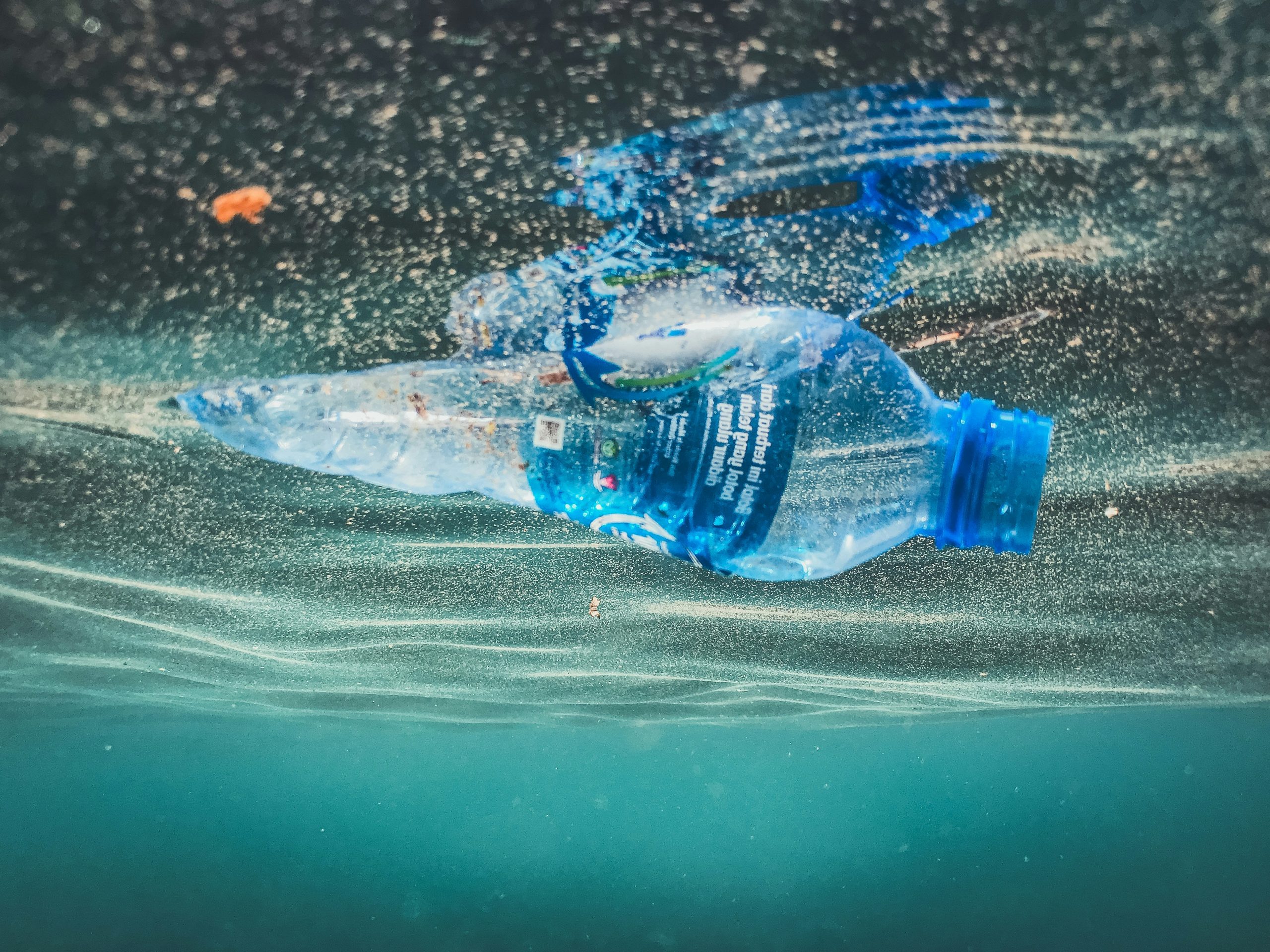
The plastic doesn’t just appear. It comes from the bottle itself.
| Plastic Type | Where It Comes From |
|---|---|
| PET | The bottle itself — sheds particles into water |
| Polyamide (PA) | Bottle caps and seals — abrasion during transport |
| Polyethylene (PE) | Coatings and liners — breaks down over time |
| Polypropylene (PP) | Caps and closures — sheds when opened |
The longer the water sits in the bottle, the more plastic leaches into it.
And here’s the part nobody tells you — opening and closing the bottle cap releases additional particles. Every twist, every turn, more plastic.
Heat Makes It Worse
Leave a bottle in your car on a summer day? You’re basically brewing plastic water.
| Storage Condition | What Happens |
|---|---|
| Cool, dark storage | Minimal particle release |
| Room temperature | Moderate release |
| Hot car / sunlight | Maximum release — plastic breaks down faster |
I used to keep a case of water in my trunk during summer. Not anymore.
The Columbia Study That Changed My Mind
In 2024, researchers at Columbia University used a new technique called stimulated Raman scattering microscopy. It can detect particles down to 100 nanometers.
They tested three popular brands of bottled water.
Every single bottle contained microplastics.
But here’s the scary part — they also found nanoplastics. Those are so small they can cross the gut lining. Enter your bloodstream. Reach your organs.
One bottle had 2.4 million plastic particles per liter. That’s not a typo. Million.
Tap Water vs Bottled Water
I used to think tap water was worse. Turns out, I was wrong.
| Water Type | Microplastic Content |
|---|---|
| Bottled water | 12 to 62 particles per liter |
| Tap water (US) | 0 to 5 particles per liter |
Tap water has less plastic than bottled water.
You’re paying money for something that’s worse than what comes out of your sink.
What We Know About the Risks
We don’t have all the answers yet. But we have enough to be concerned.
| Health Concern | What We Know |
|---|---|
| Oxidative stress | Strong evidence from animal studies |
| Inflammation | Moderate evidence from human cell studies |
| Hormone disruption | Emerging evidence |
| Gut microbiome changes | Emerging evidence |
| Cellular damage | Moderate evidence |
A 2026 review in Toxicology Letters found that nanoplastics can cross the gut barrier and accumulate in tissues.
They’re not just passing through. They’re staying.
What the Industry Doesn’t Tell You
Bottled water companies have spent billions on marketing.
“Pure.” “Natural.” “Spring fresh.”
But here’s the reality:
-
93% of bottled water brands contain microplastics.
-
No US regulation limits microplastics in bottled water.
-
The FDA doesn’t require testing for them.
-
Brands don’t disclose particle counts on labels.
They’re selling you convenience. And you’re paying for it with your health.
My Personal Switch
I bought a stainless steel bottle for 20 bucks. I keep it in my bag. Fill it from the tap at home. Or from the office filter.
Cost me less than a month’s worth of bottled water.
Now I know exactly what I’m drinking. Water. Nothing else.
Is it perfect? No. Microplastics are everywhere — in the air, in the soil, in the food. But cutting out the biggest, most obvious source? That’s a no-brainer.
What You Can Do Right Now
Simple switches. Big impact.
| Action | Why It Helps |
|---|---|
| Switch to a reusable bottle | Stainless steel or glass — no plastic |
| Filter your tap water | Reverse osmosis or activated carbon |
| Avoid bottled water in hot cars | Heat increases particle release |
| Check the bottle’s date | Older bottles shed more plastic |
| Look for glass alternatives | Some brands offer glass bottles |
So…
Bottled water is convenient. But it’s not cleaner. It’s not healthier.
It’s water with microplastics. And you’re paying for it.
Switch to a reusable bottle. Filter your tap water. Drink with peace of mind.
Your body will thank you.
Written by Altaf Khan | MSc Chemistry, MBA, QC Manager | Medical Bluff
You May Also Like:
📖 Microplastics Found in Human Brain — Should You Be Worried? — (Pillar Post)
📖 How Do Microplastics Enter Your Body? — Cluster Post 1
📖 Do Tea Bags Release Microplastics? What Science Says — Cluster Post 2
📖 How to Avoid Microplastics: 7 Practical Steps — Cluster Post 4
References
-
Microplastics in bottled water — a global review. ScienceDirect, 2025.
-
Nanoplastics in bottled water — detection and health implications. Columbia University, 2024.
-
Microplastic contamination in global bottled water brands. Frontiers in Environmental Science, 2025.
-
The health risks of microplastic exposure. Toxicology Letters, 2026.