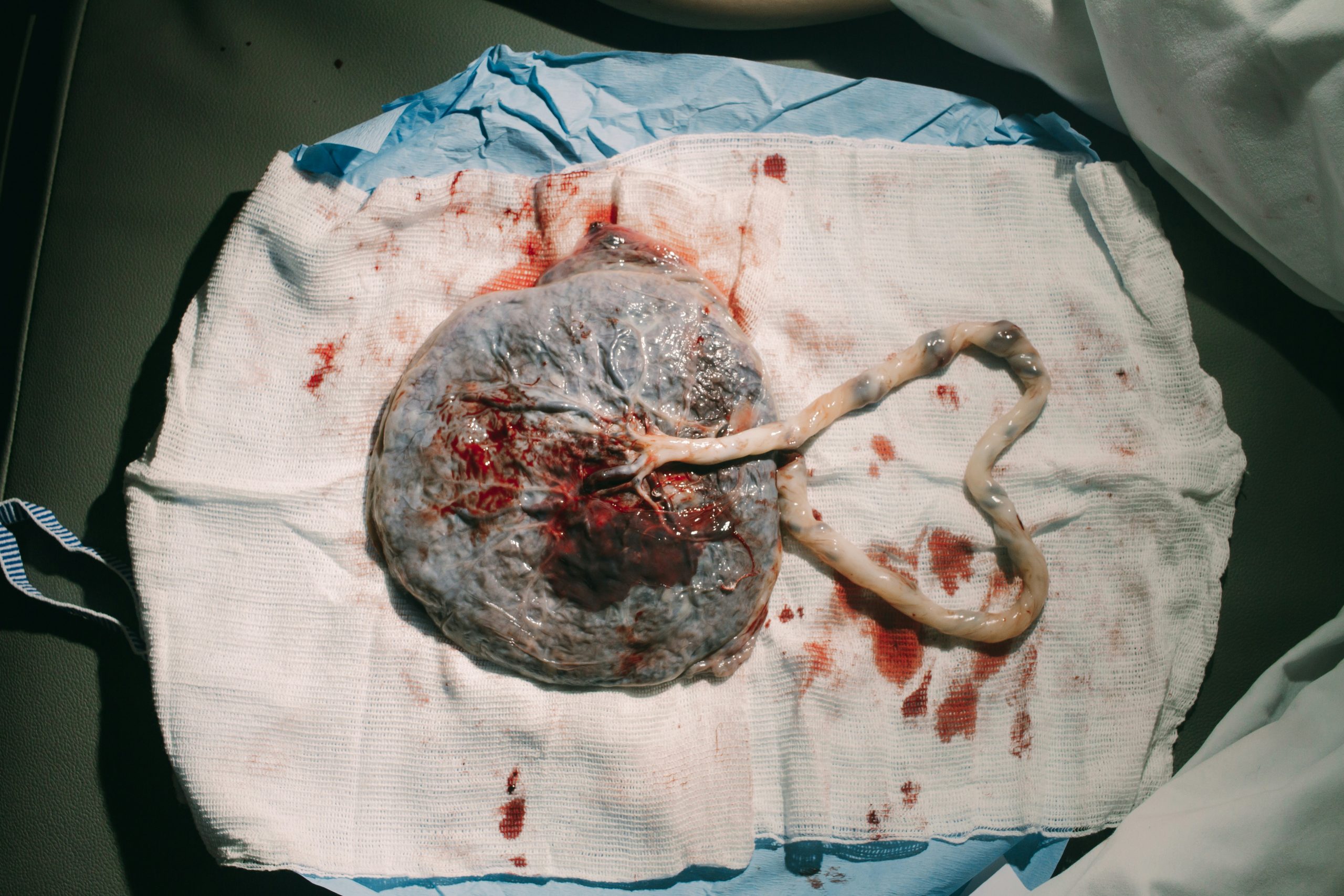
Miscarriage: Golf Ball Sized Blood Clots During Period
Let me be real with you — this is one of the most confusing and scary things a woman can experience.
You’re having your period. You see a blood clot — large, maybe the size of a golf ball. And you wonder: Is this normal? Is this a miscarriage? Do I need to see a doctor?
First — take a breath. I’m going to walk you through what this means, when to worry, and what to do.
Quick Summary: Miscarriage vs Period Clots
| Factor | Normal Period Clot | Possible Miscarriage |
|---|---|---|
| Size | Small (coin-sized) | Golf ball or larger |
| Color | Dark red/brown | Bright red, sometimes grayish tissue |
| Pain | Mild cramps | Severe cramps |
| Bleeding | Moderate | Heavy, soaking pad every hour |
| Duration | 3-7 days | May last longer |
Reference: Mayo Clinic. “Miscarriage symptoms.” 2025.
What Is a Miscarriage?
A miscarriage is the loss of a pregnancy before 20 weeks. Most miscarriages happen in the first trimester.
How common is it?
-
10-20% of known pregnancies end in miscarriage
-
Many women don’t even know they’re pregnant when they miscarry
Reference: American College of Obstetricians and Gynecologists (ACOG). “Early pregnancy loss.” 2025.
Signs of Miscarriage
| Symptom | What It Means |
|---|---|
| Bleeding | Heavy bleeding, soaking through pads quickly |
| Clots | Large clots (golf ball sized or larger) |
| Cramping | Severe, persistent cramps |
| Tissue passing | Grayish or pinkish tissue |
| Back pain | Dull ache in lower back |
| Loss of symptoms | No more nausea, breast tenderness |
Why Do Blood Clots Happen?
During a normal period, your uterus sheds its lining. Blood clots form naturally to slow bleeding.
Normal clots: Small (size of a coin), dark red/brown.
Concerning clots: Large (golf ball or larger), bright red, passing multiple times.
Miscarriage vs Period — Key Differences
| Factor | Period | Miscarriage |
|---|---|---|
| Timing | Regular cycle | Late period, positive pregnancy test |
| Bleeding | Moderate | Heavy |
| Clots | Small | Large |
| Tissue | No | Yes (grayish tissue) |
| Pain | Mild | Severe |
When to See a Doctor
| Symptom | Action |
|---|---|
| Heavy bleeding (soaking pad every hour) | Immediate |
| Severe pain | Immediate |
| Large clots | Immediate |
| Tissue passing | Immediate |
| Fever | Immediate |
| Dizziness/fainting | Immediate |
Reference: World Health Organization (WHO). “Miscarriage management.” 2025.
What Happens at the Doctor?
| Step | What They Do |
|---|---|
| Physical exam | Check for bleeding, pain |
| Pelvic exam | Check cervix, uterus |
| Ultrasound | Check for pregnancy tissue |
| Blood tests | Check hCG levels |
| Treatment | Depending on diagnosis |
Emotional Impact — It’s Real
Let me say this clearly: miscarriage is not your fault.
Most miscarriages happen due to chromosomal abnormalities — beyond anyone’s control.
Common emotions:
-
Grief
-
Guilt
-
Anger
-
Confusion
-
Sadness
What helps:
-
Talk to someone you trust
-
Join a support group
-
See a therapist if needed
-
Take time to heal
The Bottom Line
If you’re experiencing large clots with heavy bleeding — see a doctor immediately.
What you should do:
-
✅ Track your symptoms
-
✅ Take a pregnancy test (if you suspect pregnancy)
-
✅ See a doctor if bleeding is heavy
-
✅ Be kind to yourself — miscarriage is not your fault
Bottom line: Large blood clots during your period could be normal, but they could also indicate a miscarriage. When in doubt — see a doctor.
You may also like:
📖 Women’s Health and Wellness
📖 Can Pregnant Women Eat Shrimp?
📖 White Lung Pneumonia: Ohio Outbreak
Written by Altaf Khan | MSc Chemistry, MBA, QC Manager | Medical Bluff
References
-
Mayo Clinic. “Miscarriage symptoms.” 2025.
-
American College of Obstetricians and Gynecologists (ACOG). “Early pregnancy loss.” 2025.
-
World Health Organization (WHO). “Miscarriage management.” 2025.