

Medical Bluff

Low-Cost Exercise vs Premium Gym Memberships

low-cost exercise vs gym

Why Low-Cost Exercise vs Gym is Worth Discussing

Let’s settle the debate: low-cost exercise vs gym membership. Which one actually works? You don’t need a fancy gym membership to get in shape…

You don’t need a fancy gym membership to get in shape. I know the fitness industry wants you to believe otherwise — but it’s simply not true.

Between the monthly fees, annual contracts, and “special” smoothie bars, premium gyms have become expensive. And here’s the kicker: most people who sign up don’t even go.

So before you spend another dollar (or rupee) on a membership you barely use, let me show you something better.


1. The Hard Truth About Gym Memberships

Let’s look at the numbers:

Country Average Monthly Cost Annual Total
USA $40-70 $480-840
UK £30-50 £360-600
India ₹1,500-3,000 ₹18,000-36,000
Pakistan PKR 5,000-10,000 PKR 60,000-120,000

And that’s just the basics. Personal training? Extra. Specialized classes? Extra. Protein shakes? Definitely extra.

The real question: Is it worth it?

Here’s what the research says: 67% of gym memberships go completely unused. People sign up in January (New Year’s resolution energy), go for two weeks, and then stop. But the payments keep coming.

If that sounds familiar — you’re not alone. And more importantly, you’re not lazy. You just need a different approach.


2. Low-Cost Alternatives That Actually Work

Walking (Completely Free)

Walking is the most underrated exercise on the planet.

Benefits:

  • Zero cost

  • Low impact (your knees will thank you)

  • Can be done at any age

  • Outdoor walking gives you vitamin D

How to do it right:

  • 20-30 minutes brisk walk every day

  • Speed: Fast enough that you can’t sing, but can still talk

  • Consistency beats intensity

Reference: The American Heart Association states that brisk walking for 30 minutes daily reduces heart disease risk by 30-40%. (Source: AHA, 2023)

Bodyweight Training (Free)

Your body is your gym.

Push-ups, squats, lunges, planks — all of these work without any equipment.

Sample 15-minute routine:

Exercise Duration Rest
Squats 45 seconds 15 seconds
Push-ups (knee or full) 45 seconds 15 seconds
Lunges (alternating) 45 seconds 15 seconds
Plank 45 seconds 15 seconds

Repeat 3 times. Done. No equipment and gym. No excuses.

Running (Minimal Cost)

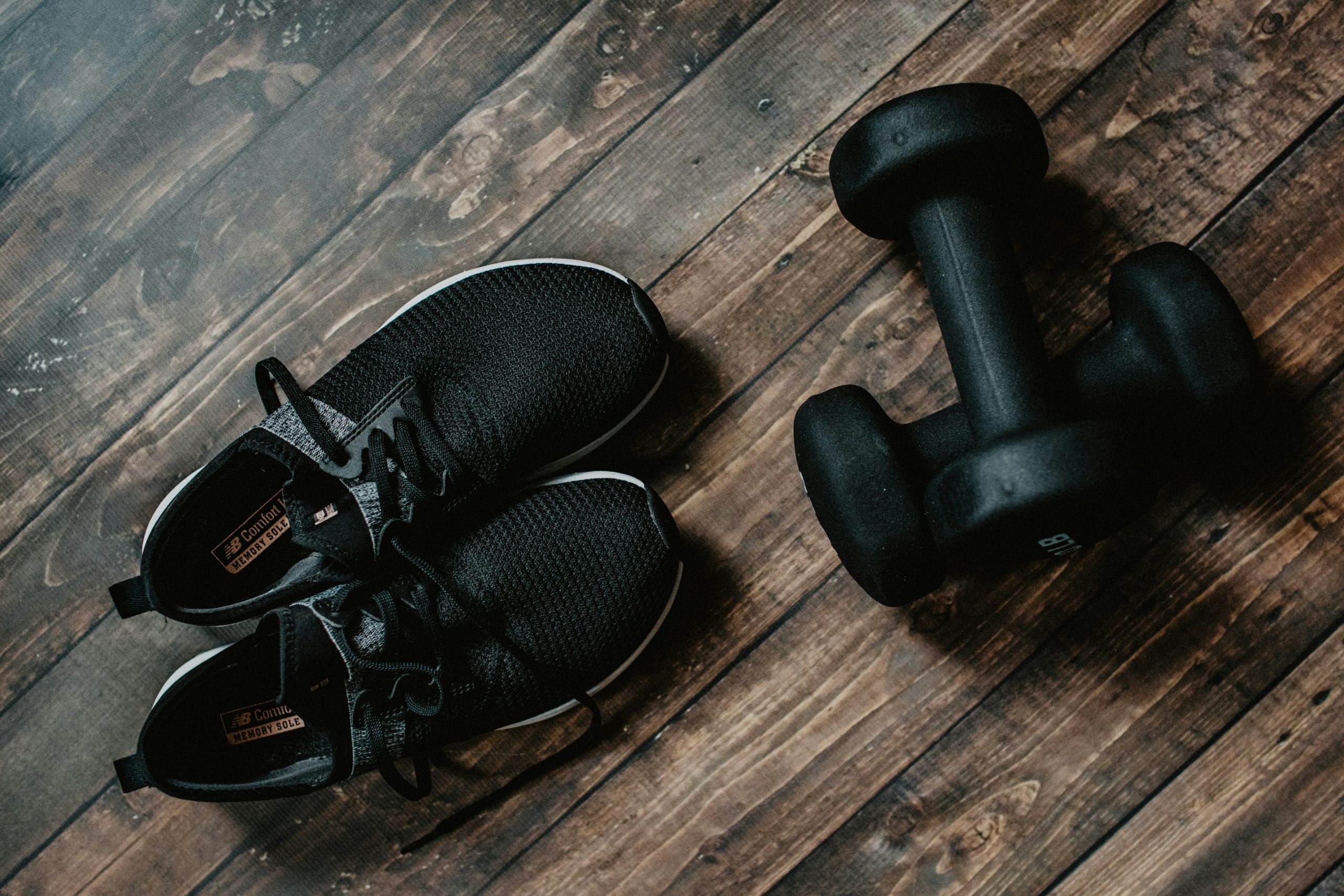
One good pair of shoes — that’s all you need.

Running gives you cardio, leg strength, and mental clarity. No waiting for machines. No awkward eye contact with the guy grunting too loud.

Pro tip: Use a “Couch to 5K” app if you’re a beginner. It works.

YouTube Workouts (Free)

Channels to check out:

  • Yoga with Adriene (free yoga)

  • FitnessBlender (HIIT, strength, cardio)

  • Hasfit (senior-friendly and beginner options)

Thousands of free workouts available. Any time. Any place.


3. The “Unexpected Joy” Factor

Here’s something interesting: Research suggests that low-cost exercise might actually bring more joy than premium gym memberships.

Why?

  • No pressure: If you don’t feel like exercising one day — no guilt about wasted money.

  • Nature connection: Walking or running outside gives you fresh air, sunlight, and changing scenery. Indoor gyms can’t match that.

  • Flexibility: Want to exercise at 5 AM? Great. 10 PM? Also great. No gym hours to worry about.

  • No judgment zone: Beginners often feel awkward at gyms. At home or in the park, nobody’s watching.

Reference: A 2025 survey found that 58% of Gen Z and Millennials prefer low-cost or free fitness options over premium memberships. Top reasons: flexibility and reduced pressure. (Source: Capgemini Research Institute, 2025)


4. Quick Comparison: Gym vs Low-Cost Exercise

Factor Premium Gym Low-Cost / Free
Monthly Cost $40-100+ $0-20
Equipment Access Full gym Bodyweight / minimal
Social Motivation Group classes, trainers Self-motivated or YouTube
Flexibility Fixed hours Anytime, anywhere
Pressure / Guilt High (wasted money) Low
Outdoor Option Rare Yes (walking, running)
Best For Heavy lifters, equipment lovers Everyone else

5. When a Gym Membership Actually Makes Sense

I’m not anti-gym. I’m anti-wasting-money-on-something-you-don’t-use.

A gym membership is worth it if:

  1. You lift heavy: Bodybuilding or powerlifting requires equipment you can’t replace at home.

  2. You need structure: Group classes force you to show up.

  3. Social accountability matters: Your gym friends keep you motivated.

  4. Weather is extreme: If it’s freezing or boiling outside, an indoor gym makes sense.

If none of these apply to you — try low-cost options first. You might be surprised.


6. Sample Weekly Plan (Zero Cost)

Day Activity Duration
Monday Brisk walk + bodyweight squats/lunges 30 min
Tuesday Yoga (YouTube) 20 min
Wednesday Walk + push-ups/planks 25 min
Thursday Rest or light stretching 15 min
Friday Walk + full bodyweight circuit 30 min
Saturday Long walk (park, trail, beach) 45 min
Sunday Rest

Zero dollars. Maximum results.


7. Common Excuses (And Why They’re Wrong)

“I don’t have time.”
A 20-minute walk counts. Do it while listening to a podcast or audiobook.

“I get bored.”
Make a playlist. Call a friend. Change your route. Boredom is fixable.

“I don’t know proper form.”
YouTube has millions of tutorials. Watch in slow motion. Practice in front of a mirror.

“I can’t stay consistent.”
Start with 10 minutes daily. That’s it. Build the habit first, then increase intensity. Perfection isn’t the goal — showing up is.


Conclusion

A gym membership isn’t wrong. But believing that fitness is impossible without a gym — that’s wrong.

You can get fit with walking, running, bodyweight exercises, and free YouTube workouts. You’ll save money, feel less pressure, and honestly — you might enjoy it more.

Start today:

  • Take a 20-minute walk this evening

  • Try 10 push-ups tomorrow morning

  • Find a YouTube yoga video this weekend

Fitness shouldn’t be expensive. And your health shouldn’t depend on your wallet.


You may also like:
📖 Men’s Health After 50: No-BS Guide
📖 Meal Prep Ideas for Quick Healthy Meals


Written by Altaf Khan | MSc Chemistry, MBA, QC Manager | Medical Bluff


References

  1. American Heart Association. “Walking and Cardiovascular Health.” 2023.

  2. Capgemini Research Institute. “Consumer Trends Report: AI and Purchasing Behavior.” 2025.

  3. Definitive Healthcare. “2026 Healthcare Trends: AI and Home-Based Care.” 2026.
Popular Posts:

Men's Health After 50

Men’s Health After 50: No-BS Guide Staying Strong, Sharp & Safe

Real Talk: Your Body Just Sent You an Invoice The moment you turn fifty, your body starts sending invoices for all the fun you had at twenty-five. Ever notice how getting off the couch now sounds like a weightlifting grunt? Or how the belly fat has become a permanent roommate that refuses to move out? Yeah. We’ve all been there. But here’s the good news: You’re not old. You’re just upgraded. Wiser. Calmer. And way less interested in nonsense. Welcome to the best club nobody asked to join — but hey, the parking is better and you no longer care what people think. Staying healthy after fifty isn’t about living on kale or punishing yourself at 5 AM. It’s about small, sneaky-smart moves (plus a few surprising game-changers) that keep you strong, sharp, and dangerous — in a good way. So grab coffee. Skip the guilt. And let’s get straight to it. No fluff. No boring science lectures. Just the real stuff, served with a side of dark humor. Quick Checklist: What to Do This Week Action Why It Matters Time Required Walk 20-30 minutes briskly Cuts heart disease, diabetes, depression risk 20 min/day Eat 1 banana (or spinach/avocado) Lowers stroke risk up to 43% 2 minutes Hold the handrail — always Prevents fatal falls (fastest-growing risk) 1 second Check Tdap booster (every 10 years) Prevents tetanus, pertussis 1 phone call Get shingles vaccine (Shingrix) Prevents painful nerve damage 1 hour Eat 30g fiber daily Lowers colon cancer risk 25-30% All day Sleep 7-8 hours Protects against dementia, heart disease All night 1. The Single Most Important Lifestyle Change a Man Can Make (Spoiler: It’s Embarrassingly Simple) You were probably expecting something fancy like cryotherapy or elk antler spray. Nope. The #1 change: Walk. Briskly. Every single day. That’s it. A 20–30 minute brisk walk cuts your risk of heart disease, diabetes, depression, and even some cancers by huge margins. It costs nothing. No gym membership. No spandex required. How you know you’re doing it right: You’re walking fast enough that you can’t sing along to your classic rock playlist, but you can still curse at the neighbor’s dog. The ROI: Astronomical. Your heart, brain, and belt buckle will all thank you. Reference: A 2023 study in the British Journal of Sports Medicine found that walking at a brisk pace for just 20 minutes daily reduced all-cause mortality by 24% in adults over 50. (Source: BJSM, Vol 57, Issue 12, 2023) 2. The Wonder Food That Can Slash Your Stroke Risk by 43% (Yes, Really) Let me introduce you to your new superhero: the banana. Studies show that getting enough potassium can lower your stroke risk by up to 43%. That’s not a typo. Almost half. Why it works: Potassium kicks salt to the curb. High blood pressure is the express train to Stroke City. Bananas are the emergency brake. How to do it: One banana a day. On cereal. In a smoothie. Or standing in the kitchen like a civilized caveman. If you hate bananas (you monster): Sweet potatoes, spinach, avocados, or white beans work too. Funny but true: The only thing more powerful than one banana? Two bananas. But don’t get cocky. Reference: A 2022 meta-analysis in the Journal of the American Heart Association involving over 250,000 participants found that increasing potassium intake by 1,000 mg per day (about one banana) reduced stroke risk by 23-43%. (Source: JAHA, Vol 11, Issue 8, 2022) 3. How to Protect Against Today’s Fastest-Growing Accident Risk (Hint: It’s Not Skydiving) You’re thinking car crashes, right? Or falling off a ladder while pretending you’re still a contractor? Nope. The fastest-growing accident risk for men over fifty is falling down your own stairs. Why now: Your reaction time is slower. Your night vision is worse. And your pride won’t let you make two trips with the laundry. How to not die on your way to the bathroom: One hand on the railing. Always. Even if you feel like a toddler. Don’t carry things that block your view. That box of Christmas decorations is not worth a broken hip. Light your stairs like an airport runway. Practice standing on one leg while brushing your teeth. Two minutes. Saves your butt — literally. Funny but true: At fifty, “living dangerously” means not holding the handrail. Embrace the handrail. It’s not defeat. It’s strategy. Reference: The CDC reports that falls are the leading cause of injury-related death for men over 65. One in five falls causes a serious injury like broken bones or head trauma. (Source: CDC, Falls in Older Adults, 2023) 4. The One Vaccine You’ve Probably Let Lapse (and Two More You Need Fast) Let’s talk needles. Not the kind at a bar. The kind that keep you from dying of stuff your grandparents actually feared. The one you’ve definitely forgotten: Tdap (Tetanus, Diphtheria, Pertussis). Tetanus isn’t just from rusty nails. A garden scratch can do it. And whooping cough in an adult sounds like “a mild cold” until you crack a rib. You need a booster every 10 years. When was your last one? Exactly. The two you need right now after fifty: Shingles vaccine (Shingrix). If you had chickenpox as a kid, that virus is sleeping in your nerves. It can wake up as shingles. And shingles is not a rash — it’s a burning, stabbing nightmare that can leave nerve pain for years. Get the shot. Two doses. Do it yesterday. Pneumonia vaccine. Pneumonia hits men over fifty harder than a truck. One shot protects you for years. Funny but true: Getting three quick pokes is way less painful than explaining to your golf buddies why you have shingles on your face. Just roll up your sleeve. Reference: The CDC’s Advisory Committee on Immunization Practices (ACIP) recommends Shingrix for all adults 50 and older, with efficacy rates of 90-97% against shingles. (Source: CDC MMWR, Vol 71, No. 3, 2022) 5. An Exercise Routine That Can Cut Your Dementia Risk in Half (No Gym Required) Want to remember where you put your keys? Want to stop walking into a room and forgetting why? Move your body. Regularly. Studies are crystal clear: regular aerobic exercise

Apron Belly

Apron Belly: Causes, Real Solutions & How to Feel Good

The Apron Belly: Loving the Apron You Didn’t Order Let’s talk about the part of the body that fashion magazines ignore, shapewear commercials dance around, and “fitspo” accounts definitely don’t feature. The apron belly. (Officially known as a pannus stomach, but let’s be real—that sounds like a spell from Harry Potter.) If you have one, you know exactly what I’m talking about. It’s that little (or not-so-little) overhang of skin and fat that sits low across your lower belly, draping over your C-section scar or the waistband of your jeans like a protective porch awning. For years, I thought my body was broken. I thought I’d done something wrong. But after two pregnancies, a significant weight loss journey, and way too many hours spent crying in dressing rooms, I’ve learned the truth: The apron belly is not a design flaw. It’s a roadmap. Here is what I wish someone had told me a decade ago. First, Why Does This Happen? You didn’t “let yourself go.” Let’s get that myth out of the way immediately. An apron belly happens for several very human reasons: Pregnancy (especially multiples or large babies): Your abdominal muscles separate (diastasis recti). The skin stretches to its absolute limit. Sometimes, it just doesn’t snap all the way back. That’s physics, not failure. Major weight loss: Congratulations, you lost 50+ pounds! The problem? Skin doesn’t come with a return-to-original-size guarantee. The fat cells shrink, but the skin envelope often hangs loose. Genetics and hormones: Some bodies store fat preferentially in the lower belly. If your mother or grandmother had an apron, chances are high you will too. Surgery history: C-sections or fibroid surgeries can create scar tissue adhesions that change how the belly sits and folds. It is not a moral failing. It is tissue. Repeat that until it sticks. The Inconvenient Truths No One Mentions Let’s be practical for a minute, because the internet is full of “just do 100 crunches” nonsense. (Spoiler: Crunches don’t remove skin.) The Hygiene Thing Yes, we have to talk about the fold. An apron belly creates a warm, dark crease where moisture gets trapped. If you’ve ever experienced that raw, red, itchy rash (intertrigo), you know the misery. The fix isn’t shame—it’s cornstarch powder, a good anti-fungal cream when needed, and wearing breathable cotton undershirts tucked into the fold. The Clothing Wars High-waisted jeans were a gift from the universe. Midi skirts that skim past the apron? Genius. But let’s also admit the struggle: Under-belly waistbands that roll down, pants that fit the thighs but gape at the waist, and the eternal question—”Do I tuck my shirt in or live in tunics forever?” The Intimacy Elephant You might feel like your partner is “dealing with” your body rather than enjoying it. I get it. But here’s the secret most women learn in their forties: Confidence is sexier than a flat stomach. When you stop apologizing for the apron with your eyes, most loving partners don’t even register it as a “problem.” The Realistic “Fix” (If You Want One) Let’s separate reality from Instagram reels. What actually helps (non-surgical): Strength training that targets the deep core (transverse abdominis): Dead bugs, heel slides, and diaphragmatic breathing. This won’t remove skin, but it can pull the muscle wall back, reducing the “push forward” effect. Overall fat loss (if you have excess body fat): You cannot spot-reduce the apron. But if you lower your total body fat percentage through sustainable nutrition, the apron may get smaller. Emphasis on “may.” Compression garments: Not to “train” your belly, but to help with back support and to reduce chafing during exercise. Wear them for comfort, not punishment. What actually removes an apron belly: Surgery (panniculectomy or tummy tuck). That’s it. That is the only way to remove excess skin that hangs past the pubic bone. And let’s be clear: That surgery is brutal. The recovery is long, the scar is significant, and it’s often considered cosmetic (so insurance fights you). It is a valid choice, but it is not a small one. The Permission Slip Here is what I want you to take away today. You can hate the rash. You can hate how jeans fit. You can even research surgery options. That is all valid. But do not hate yourself for having the apron. That soft, draped belly grew humans. Or it survived a massive weight shift. Or it simply exists because you are a mammal with hormones and DNA older than civilization. You are not “less than” because you have a fold. Today, I wear my high-waisted leggings. I use my anti-chafe balm. And when I look in the mirror, I try to say this out loud: “This is just the container. The person inside is still a 10.” You are not your apron. You are the person who lives above it. Have you found a hack for dressing or managing your apron belly that changed your life? Drop it in the comments—we’re all learning together. Disclaimer: I’m not a doctor or a surgeon. This is one human’s experience and research. If you have persistent rashes, back pain, or are considering surgery, please talk to your medical professional.

Non-Dairy Foods High in Calcium

Non-Dairy Foods High in Calcium: Real Guide for Dairy Free Diets

 Stopped Eating Cheese (Mostly) and Didn’t Lose My Bones. Here’s How. Let me be real with you for a second. About two years ago, my doctor looked at my blood work, pushed her glasses up, and said, “Your vitamin D is fine, but your calcium is flirting with the danger zone.” I panicked. Not because I’m dramatic (okay, maybe a little), but because I had quietly stopped drinking milk. Then I stopped eating yogurt. And cheese? We were on a “break.” My stomach had decided, overnight, that dairy was no longer its friend. So I figured I had two options: Spend my 40s sounding like a bowl of Rice Krispies (snap, crackle, pop). Figure out how to eat rocks. Turns out, you don’t need a cow to keep your skeleton happy. You just need to know where to look—and be willing to eat a few weird things. The Usual Suspects (That Nobody Tells You About) If you Google “non-dairy calcium,” the first thing that pops up is always leafy greens. And yes, kale is great. But you know what’s better than kale? Not hating your life. Here’s the real list that saved me: 1. Canned Fish with Bones (Yes, the Bones) Okay, hear me out. I know this sounds like a medieval punishment. But sardines and canned salmon (with the soft, mashed-up bones) are calcium bombs. One can of sardines has about 35% of your daily calcium. I mash them into a mustard-lemon spread on toast. You don’t even feel the bones. I promise. My husband still gags when I open the can, but my femurs are thanking me. 2. Blackstrap Molasses This one feels like a grandma secret. It’s thick, dark, and tastes like a slightly bitter caramel. Two tablespoons have around 400mg of calcium—that’s more than a glass of milk. I stir it into my oatmeal, my coffee (surprisingly good), and even brush it on roasted sweet potatoes. It makes you feel like a witch brewing a potion. In a good way. 3. Fortified Tofu Not all tofu is created equal. You have to look for the one made with calcium sulfate (it’s usually in the ingredients list). Regular tofu has some calcium, but the fortified stuff has double. I cube it, toss it in cornstarch, and air-fry it until it’s crunchy. Dip it in a spicy peanut sauce. I forget it’s healthy. 4. Tahini This is just ground sesame seeds, but don’t let the simplicity fool you. Two tablespoons have about 130mg of calcium. I drizzle it over roasted broccoli, mix it into salad dressings, and—don’t judge me—eat it straight from the jar with a spoon when nobody’s looking. It’s nutty, creamy, and makes everything taste like a Mediterranean daydream. 5. Oranges & Dried Figs Most people think citrus is just for vitamin C. But one large orange has about 60mg of calcium. That’s not huge, but it adds up. Dried figs, though? Those are the secret weapon. Four dried figs have around 100mg. I chop them up and throw them into trail mix or stuff them with a little almond butter for a 3 p.m. sugar crash rescue. The “Wait, That Has Calcium?” Surprise I almost forgot this one until I was making soup last week: white beans. One cup of cooked white beans (cannellini or navy) has about 160mg of calcium. That’s not a ton compared to sardines, but they’re cheap, filling, and you can blend them into a pasta sauce without anyone knowing. Also, almonds. A handful (about 1/4 cup) gives you 90mg. I keep a little jar in my car for traffic jam snacking. How I Actually Eat This Stuff (Without a Spreadsheet) I’m not a meal-prepper. I lose Tupperware lids. So I built a simple rhythm: Morning: Oatmeal with a spoonful of blackstrap molasses + a sprinkle of chia seeds (chia has 180mg per ounce, by the way). Lunch: A big salad with tahini dressing + half a can of sardines on the side. Snack: A handful of almonds + a dried fig or two. Dinner: Stir-fried calcium-set tofu with whatever veggies are dying in my fridge. On a good day, I hit over 1000mg without trying. On a bad day (pizza + couch), I just try again tomorrow. One Annoying Thing You Should Know Calcium is a diva. It doesn’t work alone. You need vitamin D (go outside, or take a supplement) and magnesium (hello, pumpkin seeds and spinach) for your body to actually use the calcium. Otherwise, you’re just making expensive pee. Also, don’t take calcium supplements unless a doctor tells you to. Too much from pills can mess with your heart. Food form is always safer. Final Honest Thought I used to think dairy was the only shortcut to strong bones. Now I realize it’s like driving—there’s more than one route to the same destination. My stomach is calmer, my grocery bill is actually lower (molasses is cheap, people), and I feel weirdly proud eating sardines in public. If you’re dairy-free by choice, by allergy, or just by circumstance—you’ve got options. You don’t need a cow. You just need a can of fish, a jar of tahini, and a willingness to try molasses in your coffee. Now if you’ll excuse me, I have a date with a bag of dried figs. — A former cheese addict, now a bone health nerd Let me know in the comments: What’s the weirdest non-dairy calcium source you’ve tried? (Please don’t say eggshells. My neighbor tried that. It did not go well.)

Spiritual Health

Spiritual Health: What It Really Means,3 Small Ways to Start Today

 Let’s Be Real: Spiritual Health Isn’t What You Think (And You’re Probably Already Doing It) I used to roll my eyes a little at the phrase “spiritual health.” In my head, it conjured up images of people meditating on mountaintops at sunrise, wearing linen pants, and talking about their “energy crystals.” Don’t get me wrong—good for them. But me? I’m the person who trips over the dog on the way to make coffee at 6 AM and spends twenty minutes looking for my left shoe. So when my doctor (yes, my regular medical doctor) asked me about my “spiritual health” during a check-up last year, I laughed. I thought it was a trick question. Turns out, it wasn’t. She wasn’t asking if I went to church or if I had a guru. She was asking something much simpler—and much harder: Do you feel connected to anything bigger than your own to-do list? That question stopped me cold. The Unsexy Truth About Spiritual Health Here’s what I’ve learned since that awkward doctor’s appointment. Spiritual health has almost nothing to do with religion, and everything to do with quiet. Not silence—quiet. The kind of quiet where your nervous system remembers it doesn’t have to be on high alert 24/7. You know that feeling when you’re driving in the rain and you finally pull into your driveway and just sit there for a second before turning off the car? That tiny pause where you’re not doing, not planning, not scrolling? That is spiritual health. Or the weird lump in your throat when you watch a stranger do something kind for someone else. Or the way your shoulders drop two inches when you step outside and the air smells like rain. That’s it. That’s the stuff. We’ve overcomplicated this. Spiritual health isn’t about being enlightened. It’s about not feeling like a scrambled egg inside your own skin. The Signs You’ve Neglected This (Without Realizing It) Let me tell you how spiritual unhealth showed up in my life before I knew what to call it. The endless loop. I’d lie awake at 2 AM replaying a dumb thing I said in 2017. Over and over. Like a broken record of shame. The numbness. Not sadness, exactly. Just… nothing. Food tasted fine. Sunsets looked nice. But I felt like I was watching my own life through a thick pane of glass. The urgency. Everything felt like an emergency. A text message pinged? Emergency. A coworker’s tone was slightly off? Emergency. My soul was basically a fire alarm that never shut off. If any of that sounds familiar, don’t panic. It’s not a moral failure. It’s just a sign that your inner life has been running on empty for a while. Small, Weird Things That Actually Help (No Crystals Required) Because I know you’re busy. I know you have bills and laundry and that one group chat that won’t stop buzzing. So here’s the low-stakes, zero-pressure stuff that helped me inch back toward feeling human. 1. Do one thing slowly on purpose. Pick the most boring task you have—washing a mug, folding a towel, watering a plant—and do it like it matters. Feel the water. Notice the steam. It sounds stupid. It works and breaks the rush-hour traffic in your brain. 2. Ask yourself one question before bed. Not “What did I get done today?” That’s a trap. Try this instead: When did I feel most like myself today? Even if the answer is “for three seconds while petting the cat.” That counts. 3. Get okay with not knowing. Spiritual health, for me, looked like admitting that I don’t have a clue what I’m doing most days. And that’s actually fine. Certainty is exhausting. Letting yourself be a beginner—at meditation, at journaling, at sitting still for five minutes without a screen—is strangely freeing. The Part Nobody Tells You Here’s the part they leave out of the wellness articles. Sometimes spiritual health is ugly. Sometimes it looks like crying in your car after a long day because you’re just so tired of pretending you’ve got it all together. There are moments it looks like admitting you’re lonely, or scared, or furious at the world. And that’s not a failure. That’s the work. Because spiritual health isn’t about feeling peaceful all the time. It’s about making room for the hard stuff without letting it burn the house down. It’s about coming back to yourself—even the messy, irritable, tired parts—and saying, “Okay. You’re still here. Let’s sit for a minute.” So If You Do One Thing… Don’t add “improve spiritual health” to your to-do list. That’s just more pressure. Instead, next time you find yourself rushing—through a meal, through a conversation, through your own breath—just pause for ten seconds. Ten seconds of no fixing, no planning, no judging. That pause is the doorway. You don’t have to walk through it far. Just far enough to remember you’re a human being, not a human doing. And honestly? That’s more than enough. If this landed differently than you expected, good. That’s the point. Spiritual health isn’t another product to buy or habit to track. It’s just coming home to yourself—slowly, awkwardly, one small pause at a time.

Share:

Send Us A Message