

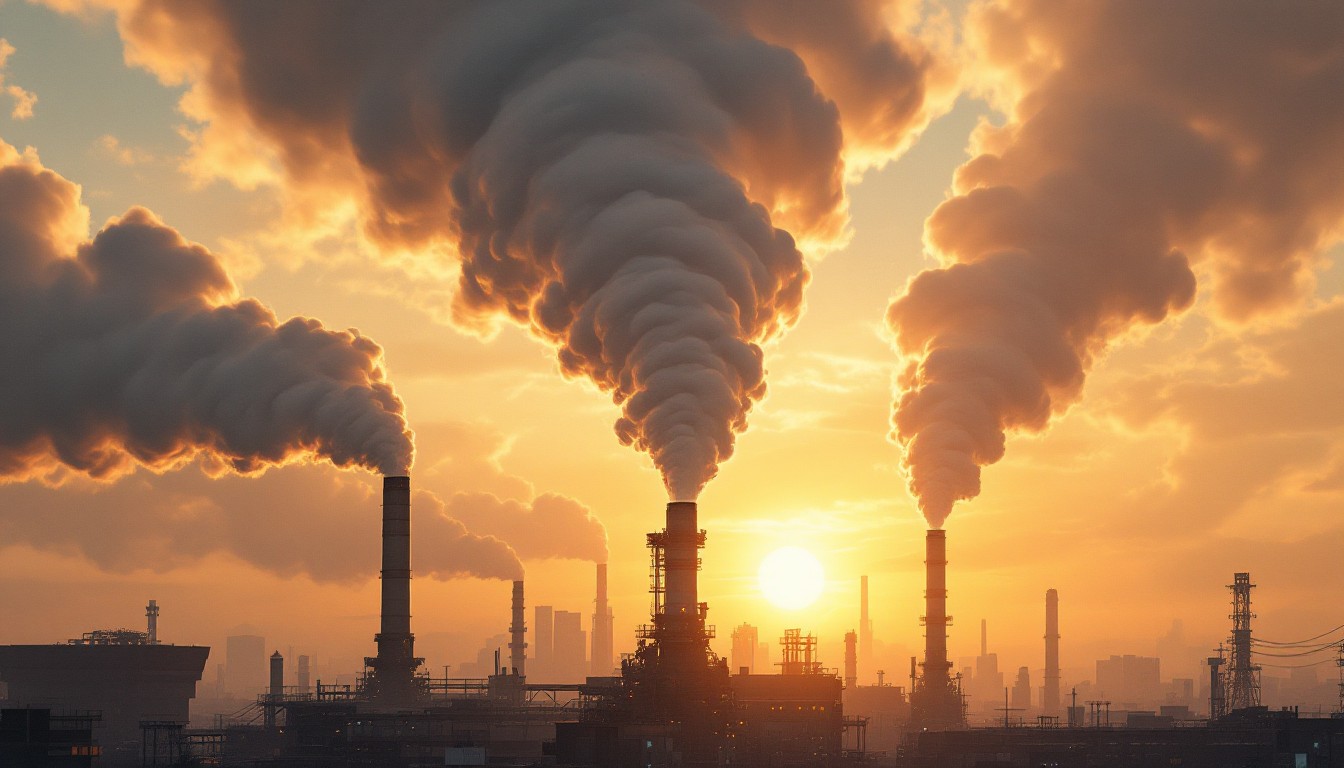
Air Pollution Effects on Health: 4 Common Symptoms You Ignore
You can’t always see it. You can’t always smell it. But air pollution is there — and it’s affecting your health right now.
The World Health Organization (WHO) estimates that 99% of the global population breathes air that exceeds safe pollution limits . Air pollution causes 7 million premature deaths every year .
Most people think air pollution only affects the lungs. That’s wrong.
It affects your heart, brain, skin, and even your mental health — often through symptoms you’d never connect to the air you breathe.
Let me walk you through the 4 most common (and surprising) symptoms of air pollution exposure — and what you can do about it.
Quick Summary: Air Pollution Effects at a Glance
| Health Effect | How Pollution Causes It | Common Symptom |
|---|---|---|
| Lung damage | Fine particles (PM2.5) penetrate deep into airways | Chronic cough, wheezing |
| Heart problems | Inflammation + oxidative stress trigger cardiovascular events | Chest tightness, palpitations |
| Brain fog | Particles travel via bloodstream to brain | Difficulty concentrating, fatigue |
| Skin aging | Pollutants break down collagen | Wrinkles, dark spots, irritation |
Reference: World Health Organization (WHO). “Air Pollution.” 2025.
Symptom #1: Persistent Cough or Wheezing (Even Without a Cold)
If you live in a city — or near a highway, industrial area, or wildfire-prone region — you may have noticed:
-
A dry cough that won’t go away
-
Wheezing (whistling sound when you breathe)
-
Tightness in your chest
-
More phlegm than usual
What’s happening:
Fine particles (PM2.5 — particles smaller than 2.5 micrometers) are small enough to travel past your nose and throat deep into your lungs . They trigger inflammation in your airways. Over time, this inflammation becomes chronic.
Who’s most at risk:
-
People with asthma (pollution triggers attacks)
-
People with COPD (emphysema, chronic bronchitis)
-
Children (their lungs are still developing)
-
Elderly adults
Reference: American Lung Association. “How Air Pollution Affects Lung Health.” 2025.
Symptom #2: Chest Tightness, Palpitations, or Unexplained Fatigue
You might think chest pain is always a heart attack. Not always.
Air pollution can cause cardiovascular symptoms even in healthy people — especially after days of high pollution.
Symptoms to watch for:
-
Chest tightness or heaviness
-
Heart palpitations (feeling like your heart is skipping beats)
-
Unusual fatigue after normal activities
-
Shortness of breath with mild exertion
What’s happening:
When you breathe polluted air, fine particles enter your bloodstream through your lungs . Once in your blood, they trigger systemic inflammation and oxidative stress — damaging your blood vessels and making your heart work harder .
Over hours or days, this can lead to:
-
Increased blood pressure
-
Reduced oxygen delivery to organs
-
Higher risk of blood clots
Reference: American Heart Association (AHA). “Air Pollution and Heart Disease.” 2025.
Real-world data: Studies show that hospital admissions for heart attacks spike on days with high PM2.5 levels .
Symptom #3: Brain Fog, Headaches, or Trouble Concentrating
Do you ever feel “foggy” for no reason? Can’t focus? Unexplained headache that comes and goes?
It might be the air you’re breathing.
What’s happening:
Ultrafine particles (smaller than 0.1 micrometers) can travel from your lungs into your bloodstream — and then cross the blood-brain barrier into your brain .
Once inside, they trigger neuroinflammation — brain inflammation that affects how neurons communicate.
Effects on the brain:
-
Reduced cognitive performance (slower reaction times, worse memory)
-
Increased anxiety and depression risk
-
Higher long-term risk of dementia and Alzheimer’s disease
Reference: Environmental Protection Agency (EPA). “Air Pollution and Brain Health.” 2025.
Long-term risk: People living in high-pollution areas have a higher risk of developing dementia — even after adjusting for other factors like smoking and socioeconomic status .
Symptom #4: Skin Irritation, Premature Wrinkles, or Dark Spots
Your skin is your largest organ — and it’s exposed to air pollution 24/7.
Symptoms you might notice:
-
Dry, itchy, or irritated skin
-
More breakouts (acne) than usual
-
Wrinkles appearing earlier than expected
-
Dark spots (hyperpigmentation)
What’s happening:
Pollutants like polycyclic aromatic hydrocarbons (PAHs) and heavy metals land on your skin. They generate free radicals — unstable molecules that damage collagen and elastin (the proteins that keep skin firm and smooth).
This process, called oxidative stress, accelerates skin aging. One study found that women living in high-pollution areas had 20% more pigmentation spots and 15% more pronounced nasolabial folds (the lines from nose to mouth) compared to women in low-pollution areas .
Reference: Krutmann J, et al. “Pollution and skin: from epidemiological and mechanistic studies to clinical implications.” Journal of Dermatological Science. 2025.
What helps: Antioxidant serums (Vitamin C, Vitamin E, niacinamide) can partially protect skin — but reducing exposure is more effective.
Who Is Most at Risk for Air Pollution Health Effects?
| Group | Why at higher risk |
|---|---|
| Children | Lungs still developing, breathe faster (more pollution inhaled per body weight) |
| Elderly adults | Preexisting heart/lung disease, weaker immune systems |
| People with asthma or COPD | Pollution triggers flares |
| People with heart disease | Pollution increases heart attack risk |
| Pregnant women | Pollution linked to low birth weight, preterm birth |
| Outdoor workers | Higher cumulative exposure |
Reference: Centers for Disease Control and Prevention (CDC). “Air Pollution and Vulnerable Populations.” 2025.
What You Can Do to Protect Yourself
| Action | Effectiveness | Why |
|---|---|---|
| Check Air Quality Index (AQI) daily | High | Plan outdoor activities when AQI is lower |
| Wear an N95 mask on high AQI days | High | Filters fine particles |
| Use HEPA air purifier indoors | High | Reduces indoor PM2.5 by up to 85% |
| Keep windows closed on high pollution days | Medium | Prevents outdoor pollution from entering |
| Avoid outdoor exercise near highways | High | Traffic pollution is concentrated |
| Wash face and hands after being outside | Low | Removes particles from skin |
Reference: Environmental Protection Agency (EPA). “Air Quality Guide.” 2025.
When to See a Doctor
Seek medical attention if you experience:
-
New or worsening cough lasting more than 2 weeks
-
Chest pain (especially with exertion)
-
Shortness of breath at rest or with minimal activity
-
Heart palpitations accompanied by dizziness or fainting
The Bottom Line
Air pollution isn’t just an environmental problem. It’s a health problem affecting your lungs, heart, brain, and skin — every single day.
You may not see it. You may not smell it.
But your body knows.
Take it seriously: Check your local AQI, use air purifiers indoors, wear a mask on bad air days, and see a doctor if you develop persistent symptoms.
Your health depends on the air you breathe.
You may also like:
📖 Cardiac Arrest vs Heart Attack
📖 Heatstroke Symptoms: 4 Red Flags
📖 The Placebo Effect Explained
Written by Altaf Khan | MSc Chemistry, MBA, QC Manager | Medical Bluff
References
-
World Health Organization (WHO). “Air Pollution.” 2025.
-
American Lung Association. “How Air Pollution Affects Lung Health.” 2025.
-
American Heart Association (AHA). “Air Pollution and Heart Disease.” 2025.
-
Environmental Protection Agency (EPA). “Air Pollution and Brain Health.” 2025.
-
Krutmann J, et al. “Pollution and skin: from epidemiological and mechanistic studies to clinical implications.” Journal of Dermatological Science. 2025.
-
Centers for Disease Control and Prevention (CDC). “Air Pollution and Vulnerable Populations.” 2025.
-
Environmental Protection Agency (EPA). “Air Quality Guide.” 2025.