

Let me be real with you.
I’ve been in pharma for over 13 years. Seen a lot of patients. But there’s one thing that keeps coming up — people who can’t afford to eat well. And it’s getting worse.
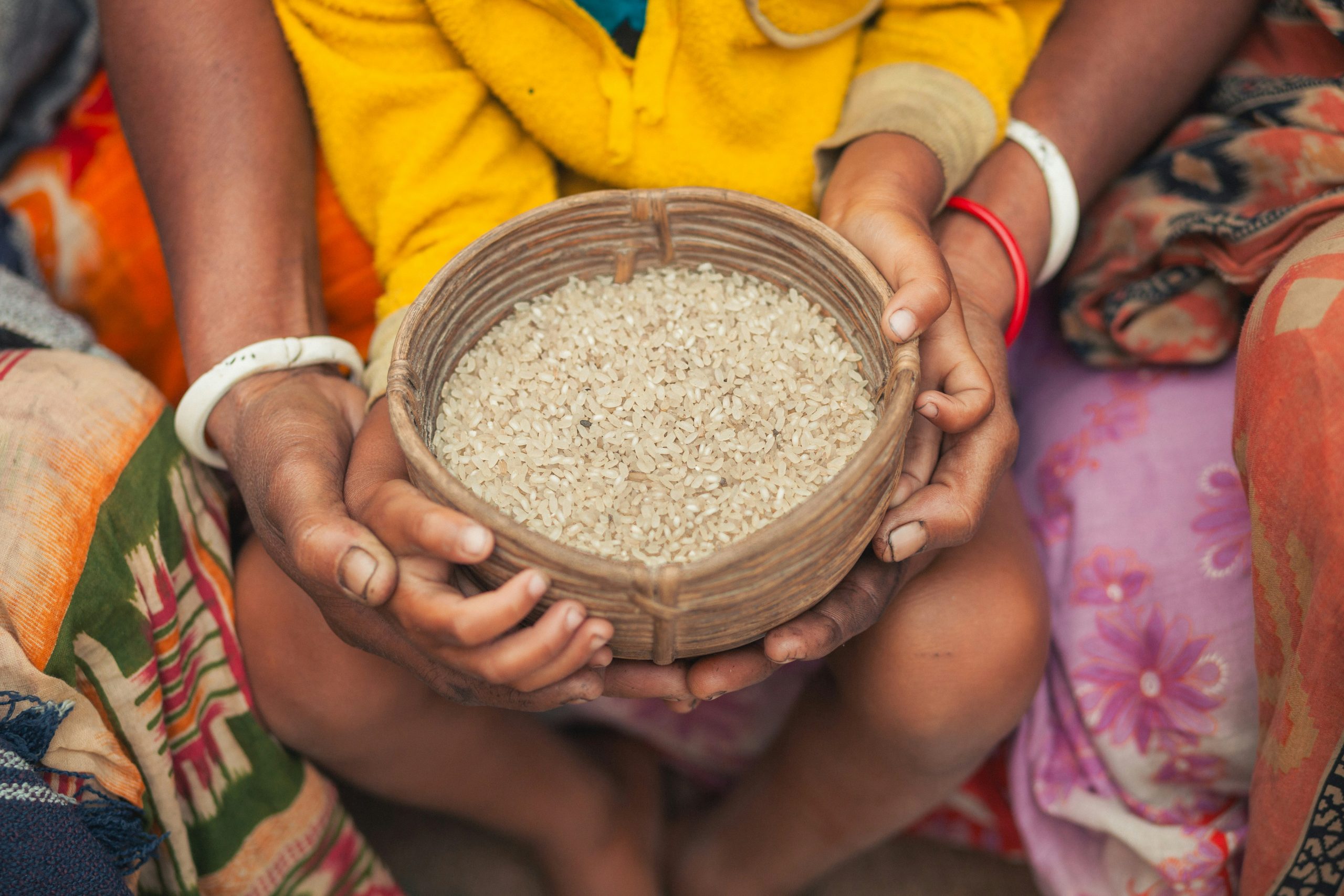
You’d think in a country like the US, older people would have enough to eat. But they don’t.
7.4 million older adults are food insecure right now. That’s not a small number. That’s people skipping meals, going hungry, or eating cheap processed food because they can’t afford better.
What Does Food Insecurity Actually Mean?
It means not having reliable access to enough affordable, nutritious food.
For older adults, it means:
-
Skipping meals because you can’t afford groceries
-
Buying cheap, processed food instead of fresh fruits and vegetables
-
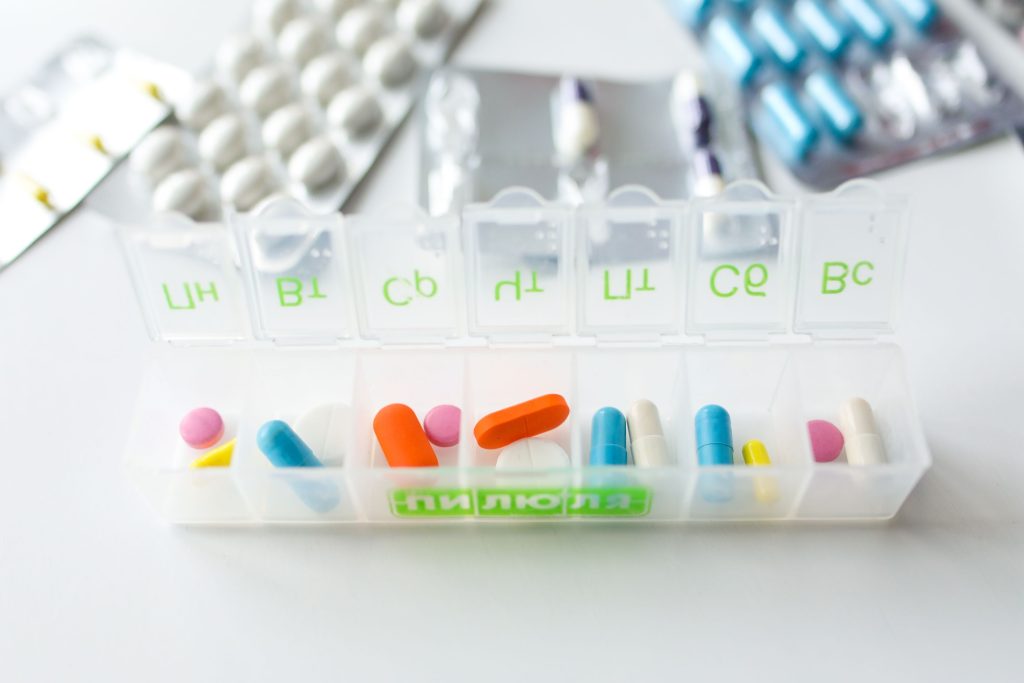
Choosing between food and medication
-
Relying on food banks or charitable programs to get by
A recent report found that 83% of food-insecure seniors are using their savings just to cover basic needs like housing and utilities. And nearly two-thirds rely on charitable food assistance every month.
The Numbers — A Snapshot
| Statistic | Detail |
|---|---|
| 7.4 million | Older adults facing food insecurity |
| 28% | Americans 50+ can’t cover a $100 emergency expense |
| 33% | Ran out of food before they had money to buy more |
| 19.1% | Older adults in NYC are food insecure |
| 13.7% | US households overall are food insecure |
| 5% | Increase in food insecurity among older Americans from 2011-2023 |
How Food Insecurity Affects Health
When you can’t afford nutritious food, you eat what you can get. Usually that means cheap, processed, high-sodium, high-sugar food.
That leads to:
| Health Issue | How Food Insecurity Makes It Worse |
|---|---|
| Diabetes | Hard to manage blood sugar without access to healthy food |
| High blood pressure | Processed food is loaded with sodium |
| Heart disease | Poor diet increases risk |
| Obesity | Cheap food is often calorie-dense but nutrient-poor |
| Malnutrition | Older adults need protein and vitamins — but can’t afford them |
A recent report from the National Council on Aging shows that food insecurity among older adults is linked to higher rates of chronic disease and increased healthcare costs. Limited access to nutritious food can worsen chronic conditions like diabetes and hypertension. And when you’re already dealing with a chronic illness, not eating well makes everything harder.
Why Is This Happening?
Several things are coming together.
Rising food prices — groceries are more expensive than they were a few years ago. A survey found that in early 2026, nearly 20% of households earning under $50,000 reported skipping meals or going hungry.
Fixed incomes — many older adults are on fixed incomes. When prices go up, they can’t keep up.
Inadequate SNAP enrollment — less than one-third of eligible older adults are enrolled in SNAP. That means millions of people who qualify for food assistance aren’t getting it.
The Senior Hunger Prevention Act was introduced to address this. But it hasn’t passed yet.
What Can You Do?
| Action | Why It Helps |
|---|---|
| Check if you qualify for SNAP | Millions of older adults are eligible but not enrolled |
| Use food banks and pantries | They exist to help — use them |
| Talk to your doctor | If you’re struggling to afford food, they may know local resources |
| Meal delivery programs | Some programs deliver nutritious meals to older adults at low cost |
| Community programs | Local churches and community centers often have food programs |
Data from the Feeding America network shows that food banks are seeing increased demand from older adults. Many of these programs also offer nutrition education and cooking classes to help people make the most of their food budgets.
What I Tell People
I’m not a social worker. I’m a chemist who’s been in pharma long enough to know that food is medicine. If you can’t afford good food, you can’t stay healthy.
If you’re an older adult struggling to afford food — there’s no shame in asking for help. SNAP exists for a reason. Food banks exist for a reason. Use them.
And if you know someone who might be struggling — check on them. Ask them if they have enough to eat. Sometimes people won’t ask for help, but they’ll accept it if you offer.
Written by Altaf Khan | MSc Chemistry, MBA, QC Manager | Medical Bluff
Reviewed by: Dr. Ayesha, Medical Reviewer
References
-
National Council on Aging. (2026). Food Insecurity Among Older Adults Report.
-
Feeding America. (2026). Senior Food Insecurity Data.
-
USDA Economic Research Service. (2026). Household Food Security in the United States.
-
Senior Hunger Prevention Act. (2026). Congressional Report.
Keep Reading — More from Medical Bluff
📌 Pillar Posts:
📌 Cluster Posts (Deep Dives):