


I’m not going to give you a medical lecture. I’m going to tell you a story.
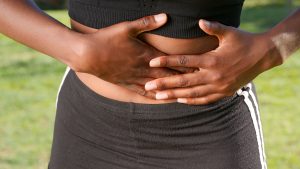
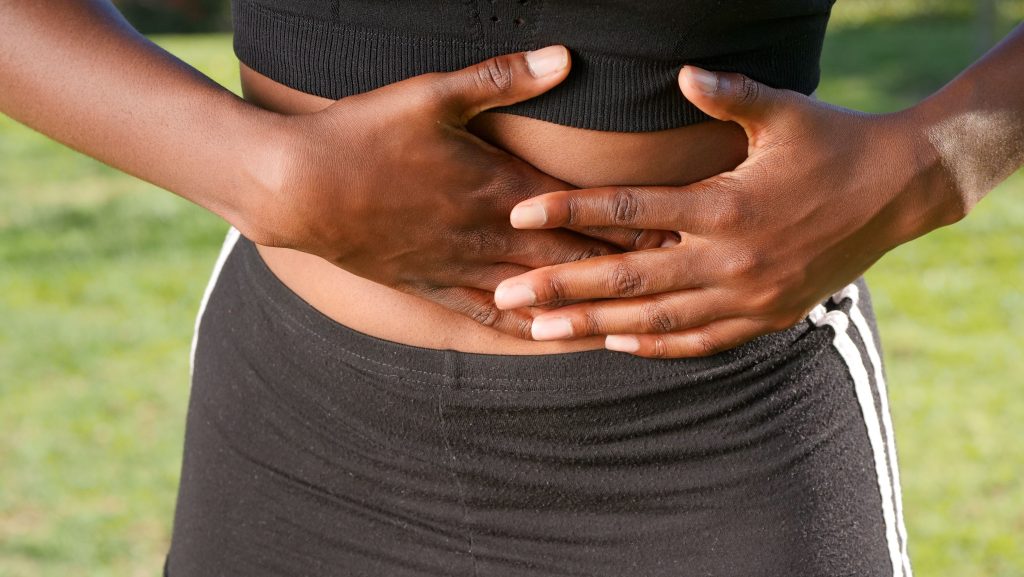
Emma was 34 when she started feeling like her body was falling apart. Bloating so bad she looked six months pregnant. Brain fog that made her forget her own phone number. Exhaustion that no amount of sleep could fix.
She saw specialists. She got tests. Everything came back “normal.” And that’s when she learned the hardest lesson — sometimes, the system can’t help you. You have to help yourself.
I’ve been in pharma for over 13 years. I’ve seen people struggle with chronic health issues that don’t fit neatly into a diagnosis. Gut health is one of those areas where the science is catching up to what people have been saying for years — your gut matters. More than you think.
Here’s what Emma learned. And what you need to know.
The Symptoms Nobody Could Explain
Emma’s story isn’t unique. Millions of people are dealing with the same thing.
| Symptom | What She Felt |
|---|---|
| Bloating | Constant, painful, unpredictable |
| Brain fog | Forgetting words, losing focus, feeling “off” |
| Fatigue | Exhausted even after 8+ hours of sleep |
| Digestive issues | Alternating between diarrhea and constipation |
| Skin problems | Acne, rashes, unexplained irritation |
| Mood swings | Anxiety and depression with no clear trigger |
The doctors told her she was fine. Her labs were normal. She was healthy. But she didn’t feel healthy.
The Gut-Brain Connection — What Science Says
Here’s what the research actually shows. Your gut and your brain are constantly communicating.
| Connection | How It Works |
|---|---|
| Gut-brain axis | A direct “nerve highway” between your digestive system and brain |
| Serotonin production | About 90% of your body’s serotonin is produced in your gut |
| Immune function | A healthy gut in infancy is crucial for developing the immune system |
| Inflammation | Diet and lifestyle changes can affect bacterial strains that promote or prevent inflammatory diseases |
Studies have shown that changes in diet can affect the composition of gut bacteria in as little as one day. That means what you eat today can start healing your gut tomorrow.
What Emma Actually Did
Emma didn’t start with a complicated plan. She started with small changes.
1. She stopped eating what was hurting her
Processed foods. Sugar. Dairy. Gluten. She cut them out one at a time — not all at once. She paid attention to how her body responded.
2. She added foods that healed her
Fermented foods. Bone broth. Fiber-rich vegetables. Foods that feed good bacteria, not the bad ones.
3. She managed her stress
Chronic stress is a contributing factor to gut issues. Emma started meditating. She walked every day. Slept more. And stopped trying to do everything.
4. She worked with a practitioner who listened
She found someone who took her seriously — not someone who dismissed her symptoms because her tests were normal.
How Long Did It Take?
Emma started noticing changes in about a month. Not everything improved at once. But she felt better. More energy. Less bloating. Sharper focus. She was still herself — just a healthier version.
One study found that once gut health was restored, long-term benefits were felt within about a month. That’s a realistic timeline. Not overnight. Not a quick fix. Just consistent effort.
What I Tell People
I’m not a doctor. I’m a chemist who’s been in pharma long enough to know that your gut is not a separate system. It’s connected to everything — your brain, your immune system, your mood, your energy.
Gut health isn’t a trend. It’s biology. And the science is real.
Written by Altaf Khan | MSc Chemistry, MBA, QC Manager | Medical Bluff
Reviewed by: Dr. Ayesha, Medical Reviewer
References
-
Changes in gut microbiota composition and inflammatory markers. Journal of Gastroenterology. 2025.
-
Gut-brain axis and serotonin production. Nature Reviews Neuroscience. 2025.
-
Gut health restoration timeline. Clinical Nutrition. 2025.
Keep Reading — More from Medical Bluff
📌 Health & Wellness:
Food as Medicine post se link karo:
Gut health is closely connected to what you eat. Learn more in our Food as Medicine guide.