

Medical Bluff

Fitness at 11 PM: How I Overcame Gym Anxiety, Why You Can Too

Fitness Hours

Written by Altaf Khan | MSc Chemistry, MBA | Quality Control Manager | Founder, MedicalBluff

Medically Reviewed by Dr. Ayesha | MBBS | Family Physician

Last Updated: July 2026

Reading Time: 8 min read


Quick Answer

If gym anxiety makes you avoid exercising, you’re not alone. Many beginners worry about being judged or not fitting in. For me, working out at 11 PM gave me the quiet space I needed to build confidence. While late-night workouts aren’t the only solution, starting at a time when you feel comfortable can make it much easier to develop a consistent fitness routine.


Introduction

I used to go to the gym at 11 PM.

Not because I was a night owl.

Because I was scared.

  • Scared of being judged.
  • Scared of looking weak.
  • Scared that everyone would notice I didn’t know what I was doing.

I still remember sitting outside the gym for several minutes before walking in. Sometimes I’d even think about turning the car around and going home.

If you’ve ever done that, trust me—you aren’t the only one.

When we see experienced people lifting heavy weights or moving confidently from one machine to another, it’s easy to believe we’re the only beginners in the room.

But that’s rarely true.

Most people are far too focused on their own workout to pay attention to yours.

Working out at 11 PM wasn’t my long-term plan.

It was simply the first step that helped me get through the door.

Looking back, I’m glad I took it.

Because once I became familiar with the gym, the fear slowly started to disappear.


What You’ll Learn

By the end of this article, you’ll understand:

  • Why gym anxiety happens.
  • Why many beginners feel uncomfortable at first.
  • Whether working out at night can help build confidence.
  • Practical ways to feel more comfortable in the gym.
  • When anxiety becomes serious enough to seek professional support.

At a Glance

Topic Key Takeaway
What is gym anxiety? Fear of being judged, watched, or embarrassed while exercising.
Is it common? Yes. Many beginners experience it during their first weeks at the gym.
Why 11 PM? A quieter environment can reduce pressure and help build confidence.
Does it last forever? Usually not. Confidence grows with experience and consistency.
Should you get help? Yes, if anxiety starts interfering with your daily life or prevents you from exercising altogether.

What Is Gym Anxiety?

Gym anxiety isn’t about being weak.

It isn’t about being unfit.

And it certainly doesn’t mean you don’t belong.

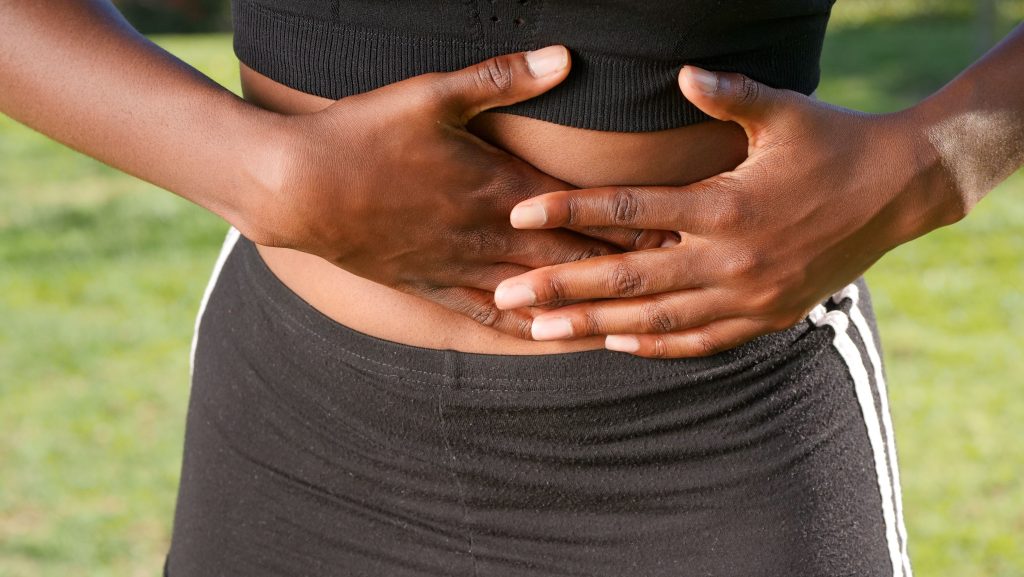
It’s the uncomfortable feeling that everyone around you is watching, judging, or comparing you—even when they probably aren’t.

For some people, it’s mild nervousness.

For others, it’s strong enough to stop them from entering the gym altogether.

Common signs include:

Symptom What It Feels Like
Avoidance Finding excuses to skip workouts.
Self-consciousness Feeling like everyone is watching you.
Comparison Believing everyone else is fitter or stronger.
Fear of failure Avoiding unfamiliar exercises because you’re afraid of doing them wrong.
Lack of confidence Feeling like you don’t belong in the gym.

Reading that list now, I can honestly say…

I experienced almost every one of them.

And if you do too, there’s nothing unusual about it.

Gym anxiety is more common than many people realize.

Why Working Out at 11 PM Helped Me

The biggest thing that changed wasn’t my fitness.

It was my mindset.

At 11 PM, the gym was almost empty.

There were no crowds waiting for machines, no loud conversations, and no feeling that I had to rush through my workout.

For the first time, I felt like I had room to learn.

  • I could adjust a machine without worrying that someone was waiting behind me.
  • I could watch a quick tutorial if I forgot how an exercise worked.
  • I could even make mistakes without feeling embarrassed.

That quiet environment gave me something I didn’t realize I needed—confidence.

It wasn’t because the gym had changed.

It was because my surroundings made it easier to focus on myself instead of everyone else.

If your gym is crowded during peak hours, choosing a quieter time—even for a few weeks—can make those first visits feel much less intimidating.

There’s nothing wrong with starting where you feel comfortable.

The important thing is that you start.


What Changed After a Few Weeks?

Something interesting happened.

The more often I showed up, the less anxious I felt.

  • I began recognizing the equipment.
  • I knew where everything was.
  • I stopped wondering whether I was doing every exercise perfectly.

Instead of worrying about what other people might think, I started paying attention to my own progress.

That shift didn’t happen overnight.

It happened because I kept showing up.

Eventually, I found myself visiting the gym a little earlier.

First 10 PM.

Then 9 PM.

And before long, walking into a busy gym didn’t feel nearly as intimidating as it once had.

The fear didn’t suddenly disappear.

It simply became smaller than my confidence.


Why Gym Anxiety Happens

If you’ve ever felt nervous before walking into a gym, it doesn’t mean there’s something wrong with you.

Our brains naturally pay more attention to situations where we think we might be judged.

Psychologists sometimes call this the “spotlight effect.”

In simple words, we often believe people notice us far more than they actually do.

The truth is very different.

Most people at the gym are thinking about:

  • Finishing their workout.
  • Counting their repetitions.
  • Improving their own fitness.
  • Getting home after a long day.

They’re usually far too busy to analyze someone else’s workout.

Realizing this doesn’t remove anxiety immediately, but it can help you challenge those negative thoughts over time.


What Does the Research Say?

Research consistently shows that regular physical activity can improve both physical and mental well-being.

People who exercise regularly often report:

  • Lower stress levels.
  • Better mood.
  • Improved sleep quality.
  • Increased self-confidence.
  • Reduced symptoms of mild anxiety.

Scientists believe this happens for several reasons.

Exercise encourages the release of chemicals in the brain, including endorphins, that help improve mood. It can also reduce stress hormones and give you a sense of accomplishment, even after a short workout.

That doesn’t mean exercise is a cure for anxiety.

If anxiety is severe or affecting your daily life, professional support may still be necessary.

But for many people, regular movement becomes one important part of feeling better—both mentally and physically.


Exercise and Mental Well-Being at a Glance

Benefit How It May Help
Lower stress Physical activity may help reduce stress hormones over time.
Better mood Exercise stimulates the release of mood-supporting brain chemicals.
Improved sleep Regular activity can contribute to better sleep quality.
Greater confidence Small improvements build self-belief over time.
Reduced anxiety Consistent movement may help ease symptoms of mild anxiety for some people.

How to Overcome Gym Anxiety

There’s no magic trick that makes gym anxiety disappear overnight.

But there are small changes that can make your first few weeks much easier.

Here are the strategies that helped me—and that mental health experts commonly recommend for building confidence in new situations.

1. Don’t Aim for a Perfect Workout

One mistake many beginners make is believing every workout has to be perfect.

It doesn’t.

Some days you’ll feel strong.

Other days you’ll leave after 20 minutes.

Both count.

Building the habit of showing up is far more important than having the “perfect” workout.


2. Choose a Time That Feels Comfortable

If walking into a crowded gym makes you nervous, don’t force yourself to go during peak hours.

Early mornings, late evenings, or quieter afternoons can give you more space to learn without feeling overwhelmed.

That’s exactly why 11 PM worked for me.

It wasn’t about the time.

It was about feeling comfortable enough to keep coming back.


3. Walk In With a Simple Plan

Standing in the middle of the gym wondering what to do next can make anxiety even worse.

Before you leave home, decide on three or four exercises.

For example:

  • 10 minutes of brisk walking
  • Bodyweight squats
  • Chest press machine
  • Lat pulldown
  • Light stretching

Having a simple plan gives you direction and helps you stay focused.


4. Stop Comparing Yourself to Everyone Else

This was probably my biggest mistake.

I’d look around and compare myself to people who had clearly been training for years.

What I didn’t see was where they started.

Every confident gym member was once a beginner.

The only difference is that they kept showing up.

Your journey doesn’t need to look like anyone else’s.


5. Wear Clothes That Make You Feel Comfortable

You don’t need expensive workout gear.

You don’t need the latest shoes.

Wear something that lets you move comfortably and helps you feel like yourself.

When you’re comfortable physically, it’s often easier to feel comfortable mentally too.


6. Remember That Most People Aren’t Watching You

This is something I wish someone had told me earlier.

Most people in the gym are thinking about:

  • Their next set.
  • Their workout plan.
  • Their progress.
  • Getting home.

They’re far less interested in what you’re doing than you imagine.

Once I realized that, walking into the gym became much easier.


7. Celebrate Small Wins

Confidence doesn’t arrive all at once.

It grows through small moments.

  • Maybe today you walked through the gym doors without turning back.
  • Maybe you tried a new machine.
  • Maybe you stayed ten minutes longer than last week.

Those small victories matter.

Over time, they become the reason you stop feeling like a beginner.


Common Mistakes That Make Gym Anxiety Worse

Many people accidentally make their anxiety harder to manage.

Here are a few mistakes worth avoiding.

Trying to Copy Advanced Workouts

Following experienced athletes on social media can be motivating, but trying to copy every exercise on your first day usually leads to frustration.

Start with the basics.

You can always build from there.


Expecting Instant Confidence

Confidence isn’t something you find.

It’s something you build.

Give yourself permission to be new.


Skipping the Gym After One Bad Experience

Everyone has awkward workouts.

Everyone has days when they feel out of place.

One uncomfortable visit doesn’t mean you should quit.

The next workout often feels much easier.


Believing Everyone Is Judging You

This is one of the biggest myths about gym culture.

In reality, most people respect beginners who make the effort to show up.

You may receive far more encouragement than criticism.


When Should You Seek Professional Help?

Feeling nervous before going to the gym is completely normal.

But if anxiety begins affecting other parts of your life, it may be time to speak with a healthcare professional or a licensed mental health provider.

Consider seeking help if you:

  • Avoid exercise completely because of overwhelming fear.
  • Experience panic attacks before or during workouts.
  • Feel anxious in many social situations, not just the gym.
  • Notice that anxiety is affecting your work, relationships, or daily routine.

Asking for help isn’t a sign of weakness.

Sometimes, the strongest step you can take is talking to someone who can help you move forward.

Final Thoughts

Looking back, I’m actually glad I started going to the gym at 11 PM.

At the time, it felt like I was taking the easy way out.

Now I see it differently.

I wasn’t avoiding the challenge—I was creating an environment where I could grow.

Confidence rarely appears overnight.

It grows every time you show up, even when you’re nervous.

If you’re standing outside the gym wondering whether to walk in or turn around, remember this:

You don’t have to be fearless.

You just have to take the first step.

For me, that first step happened at 11 PM.

Yours might happen at a different time.

What matters most is that you begin.


MedicalBluff Verdict

If you’re short on time, here’s my final verdict in 30 seconds:

  1. ✅ Gym anxiety is real, and many beginners experience it.
  2. ✅ Choosing quieter gym hours can make your first workouts feel much less intimidating.
  3. ✅ Confidence doesn’t come before action—it grows because of it.
  4. ✅ Regular exercise supports both physical and mental well-being, but it isn’t a replacement for professional mental health care when it’s needed.
  5. ✅ Don’t wait until you feel confident to start. Start where you feel comfortable, and let confidence build along the way.

Frequently Asked Questions

Is gym anxiety normal?

Yes. Many people feel nervous when they first join a gym. Worrying about being judged or not knowing how to use equipment is a common experience, especially for beginners.


Is it okay to work out at 11 PM?

For many healthy adults, exercising at 11 PM is perfectly fine if it fits their schedule and doesn’t interfere with their sleep. The best workout time is the one you can follow consistently.


Will people judge me at the gym?

Probably much less than you think.

Most gym members are focused on their own workouts rather than watching other people. While it may feel like everyone is looking at you, that’s rarely the reality.


How long does gym anxiety last?

It varies from person to person.

For many beginners, anxiety starts to fade after a few weeks of regular workouts as they become more familiar with the environment and equipment.


Should I stop going if I feel anxious?

Not necessarily.

If your anxiety is mild, taking small, consistent steps often helps build confidence. However, if anxiety becomes overwhelming or begins affecting your daily life, speaking with a healthcare professional or a licensed mental health provider is a good idea.


References

  1. American Psychological Association. Mind and Body: The Benefits of Exercise for Mental Health.
  2. National Institute of Mental Health (NIMH). Anxiety Disorders.
  3. Mayo Clinic. Exercise and Stress: Get Moving to Manage Stress.
  4. Centers for Disease Control and Prevention (CDC). Benefits of Physical Activity.
  5. PubMed. Research on physical activity, anxiety, and mental well-being.

About the Author

Muhammad Johar Altaf Khan is the founder of MedicalBluff. He holds an MSc in Chemistry and an MBA and has more than 13 years of experience in the pharmaceutical industry as a Quality Control Manager. His goal is to make health information easier to understand by combining scientific evidence with practical, real-world advice that readers can trust.


Medical Review

Medically Reviewed by Dr. Ayesha (MBBS, Family Physician)

This article has been reviewed for medical accuracy. However, it is intended for educational purposes only and should not replace professional medical advice, diagnosis, or treatment. Always consult a qualified healthcare provider regarding any medical concerns.

Keep Reading — More from Medical Bluff

📌 Fitness & Exercise:

📌 Mental Health & Well-being:
Written by:

Altaf Khan

MSc Chemistry, MBA, QC Manager

Popular Posts:

vibrio vulnificus

Vibrio Vulnificus: What You Need to Know About Eating Bacteria

Summer is here. And so is Vibrio vulnificus. Eight people in Florida have already been infected this year. A 17-year-old boy ended up in the hospital after swimming with a scrape on his leg. And the bacteria has now been found in waters off Long Island, New York — far north of where it used to be. This isn’t something to panic about. But it is something to understand. I’ve been in pharma for over 13 years. I know how bacteria work, how they spread, and how to stay safe. Here’s what you need to know. What Is Vibrio Vulnificus? It’s a bacterium that naturally lives in warm coastal waters — salt water and brackish water where fresh and salt water mix. It’s been nicknamed “flesh-eating bacteria” because in severe cases, it can destroy skin and soft tissue. The species name “vulnificus” is Latin for “wound-causing.” That’s exactly what it does. Fact Detail Found in Warm salt/brackish water, especially Gulf Coast and East Coast Season June to September — warmest months Deaths About 1 in 5 infected people die Cases per year 150-200 reported to CDC How Do People Get It? Two ways. 1. Open wound + warm coastal water If you have a cut, scrape, tattoo, or piercing and go into salt water or brackish water, the bacteria can enter your body. 2. Eating raw or undercooked shellfish Oysters are the main culprit. If an oyster is harvested from waters where Vibrio lives, eating it raw can make you sick. Symptoms — What to Watch For The infection can progress fast — sometimes within hours. Symptom What It Means Redness and swelling Around a wound or cut Severe pain Out of proportion to the injury Blisters or skin discoloration Blood-tinged blisters are a red flag Fever and chills Signs of systemic infection Nausea and vomiting Common with foodborne cases Low blood pressure Sepsis — life-threatening If you have any of these after swimming in coastal water or eating raw oysters — get to a doctor immediately. Don’t wait. Who Is Most at Risk? Most healthy people can fight off the infection. But some groups are at much higher risk. Risk Group Why Liver disease Most common risk factor Diabetes Weakened immune system Immunocompromised Cancer, HIV, transplant patients Kidney disease Poor infection response Iron overload Bacteria feeds on iron About 75% of V. vulnificus patients have an underlying liver condition or other immunocompromising illness. Why Are More Cases Showing Up in the Northeast? Climate change. Vibrio vulnificus used to be mostly a Gulf Coast problem. But as ocean temperatures rise, the bacteria is moving north. Researchers have detected it in waters off Long Island, New York — including Sagaponack Pond, Mecox Bay, and Georgica Pond. The CDC reports that V. vulnificus infections in the Eastern US increased eightfold from 1988 to 2018. And the northern range is expanding by about 48 km per year. How to Stay Safe CDC guidelines are clear. Action Why Stay out of salt/brackish water with open wounds Prevention is the best medicine Cover wounds with waterproof bandages If you must go in the water Wash wounds with soap and water Immediately after exposure Cook shellfish thoroughly Kills the bacteria Avoid raw oysters Especially if you’re in a high-risk group Seek medical help immediately If you have symptoms after exposure If you get a cut while in coastal water, leave the water immediately and clean the wound thoroughly. The Teen Who Almost Lost His Leg A 17-year-old boy named Joziah Thompson went swimming with a scrape on his leg at Lion’s Park in Niceville, Florida. Two days later, his mother found him moaning in pain and burning with fever. He was rushed to the hospital, started on antibiotics, and had emergency surgery to remove infected tissue. He’s still recovering. This is what Vibrio can do — even to a healthy teenager. My Honest Take I’m not a doctor. I’m a chemist who’s been in pharma long enough to know that bacteria don’t care about your plans. Vibrio vulnificus is rare. But it’s real. And it’s expanding its range. The 2025 news says that as ocean temperatures warm, we can expect more cases in places that never used to see them. You don’t need to avoid the beach. But you do need to be smart. Check your skin before you go in the water. Cover any cuts or scrapes. And if you’re in a high-risk group — liver disease, diabetes, immunocompromised — take it even more seriously. References CDC. Vibrio vulnificus. CDC. Clinical Overview of Vibriosis. Florida Department of Health. 2026 Vibrio Cases. CDC Health Alert Network. Severe Vibrio vulnificus Infections. Vibrio vulnificus. Florida cases. Clinical Overview of Vibriosis. Vibrio vulnificus has returned to Florida beaches. Written by Altaf Khan | MSc Chemistry, MBA, QC Manager | Medical Bluff Reviewed by: Dr. Ayesha, Medical Reviewer Keep Reading — More from Medical Bluff 📌 Summer Health: Heat Advisory — What It Means and How to Stay Safe Health and Wellness — More Articles 📌 Environmental Health: Microplastics Found in Human Brain — Should You Be Worried?

heat advisory

Heat Advisory — What It Means and How to Stay Safe

The eastern US is burning right now. New York hit 100°F for the first time since 2012. Washington, D.C. broke a 128-year-old record at 102°F. Philadelphia hit 103°F. The CDC is reporting “extremely high rates” of heat-related ER visits across the Northeast. This isn’t just uncomfortable. It’s dangerous. And it’s getting worse. I’ve been in pharma for over 13 years. I know what happens when the human body gets pushed past its limits. Heat doesn’t care about your age, your fitness, or your plans. It just takes. Here’s what you need to know. What Is a Heat Advisory? The National Weather Service issues a Heat Advisory when temperatures of at least 100°F — or heat index values of at least 105°F — are expected within the next 24 hours. It’s the government’s way of saying: “This is serious. Take precautions.” A heat advisory means you should avoid outdoor activities, especially during the hottest part of the day. It’s not a suggestion. It’s a warning. When the advisory escalates to an Extreme Heat Warning, that means conditions are life-threatening. We’re seeing those warnings across the eastern US right now, with over 165 million people under extreme heat alerts. The Numbers — Why This Matters Statistic What It Means 100°F New York’s Central Park — first time since 2012 102°F Washington, D.C. — broke a 128-year-old record 103°F Philadelphia — new record 46°C (115°F) Heat index in some regions — feels like 165+ million Americans under extreme heat alerts “Extremely high” CDC’s assessment of heat-related ER visits These aren’t just numbers. These are real people, real risks, and real consequences. What Happens to Your Body in Extreme Heat? When you’re exposed to high temperatures, your body tries to cool itself through sweating. But when humidity is high, sweat doesn’t evaporate efficiently. When your body can’t cool down, your core temperature rises. Your heart works harder. Blood pressure drops. It’s a chain reaction — and it can happen fast. And if you don’t cool down, things go bad fast. Heat exhaustion is the first stage. You feel weak, dizzy, nauseous. Your skin is pale and clammy. Your body temperature might be elevated but usually stays below 104°F. Heat stroke is the life-threatening stage. Your body temperature spikes above 104°F. You stop sweating. You become confused, disoriented, or unconscious. This is a medical emergency. It can kill you. Condition Symptoms Action Heat Exhaustion Heavy sweating, weakness, headache, nausea, pale skin, rapid pulse Move to shade, drink water, rest Heat Stroke Body temp >104°F, confusion, no sweating, rapid heartbeat, loss of consciousness Call 911 immediately. Cool the person down Heat exhaustion is reversible. Heat stroke can be fatal. Who Is Most at Risk? Group Risk Older adults Reduced ability to regulate body temperature Children Less efficient sweating, higher surface-to-mass ratio People with chronic conditions Diabetes, heart disease, obesity Outdoor workers Prolonged sun exposure and physical activity People on certain medications Antidepressants, diuretics, some heart medications People without AC No way to cool down If you fall into any of these categories, you need to be extra careful. And if you know someone who does — check on them. How to Stay Safe — What Actually Works 1. Stay Hydrated Drink water regularly — even if you don’t feel thirsty. Thirst isn’t a reliable early warning sign. Avoid alcohol, caffeine, and sugary drinks — they dehydrate you. 2. Limit Outdoor Activities If you must go outside, do it early morning or late evening. Stay out of direct sunlight. The heat index can increase by up to 15°F in direct sun. 3. Stay Cool Indoors Air conditioning is your best defense. If you don’t have AC, go to a cooling center, library, or mall. Take cool showers or baths. Wear loose, lightweight, light-colored clothing. 4. Never Leave Anyone in a Car Not kids. Not pets. And definitely not anyone. Even with the windows cracked, temperatures inside a car can reach lethal levels within minutes. 5. Check on Vulnerable People Older neighbors. People with chronic conditions. Anyone without air conditioning. A quick phone call can save a life. 6. Monitor Your Medications Some medications — including antidepressants, diuretics, and certain heart drugs — can make you more sensitive to heat. Check with your doctor if you’re unsure. 7. Know the Signs If you feel dizzy, weak, nauseous, or confused — get out of the heat immediately. Don’t push through. That’s how people end up in the ER. The CDC’s SHADE Method The CDC recommends following the SHADE acronym for heat safety: Letter Action S Stay hydrated — drink water regularly H Heat awareness — know the risks A Avoid the sun — stay in shade or indoors D Dress for the weather — light, loose clothing E Exercise caution — limit outdoor activities A Personal Story I had a friend who thought he was invincible. Mid-30s, fit, ran marathons. He went for a run during a heat wave because he “didn’t want to skip his routine.” Halfway through, he collapsed. Heat stroke. Body temperature hit 105°F. He spent three days in the hospital. He survived. But he told me later: “I thought I was fine. I thought I knew my limits. I was wrong.” Don’t be that person. My Honest Take I’m not a doctor. I’m a chemist who’s been in pharma long enough to know that the human body has limits. And heat doesn’t care about your plans. This heat wave is real. It’s dangerous. And it’s going to get worse before it gets better. Take it seriously. Drink water. Stay inside. Check on people who need help. And if you feel off — get out of the heat. It’s not weakness. It’s survival. References National Weather Service. Heat Advisory Criteria. 2026. Centers for Disease Control and Prevention. Extreme Heat and Your Health. 2026. CDC. Heat-related Illness Statistics. 2026. New York Times. Heat Wave Updates: Eastern U.S. 2026. CNN. Punishing Heat Wave Hits Eastern US. 2026. Written by Altaf Khan | MSc Chemistry, MBA, QC Manager | Medical Bluff Reviewed by: Dr. Ayesha, Medical Reviewer This content was written by

maternal-fetal medicine

Maternal-Fetal Medicine — Expert Care for High-Risk Pregnancies

Let me tell you something straight. Pregnancy is supposed to be exciting. But for some women, it’s terrifying. Not because something’s wrong with them — but because something could go wrong. And that uncertainty is exhausting. That’s where maternal-fetal medicine comes in. It’s a field that exists to catch problems early, manage them aggressively, and give both mother and baby the best possible shot at a healthy outcome. I’ve been in pharma long enough to know that high-risk pregnancies aren’t a death sentence. But they do require a different level of care. And that’s exactly what MFM specialists provide. What Is Maternal-Fetal Medicine? Maternal-fetal medicine (MFM) is a subspecialty of obstetrics. These doctors — also called perinatologists — are OB/GYNs who complete an additional three years of training specifically focused on managing high-risk pregnancies . They’re the experts you call when a pregnancy gets complicated. An MFM specialist doesn’t replace your regular OB/GYN. They work alongside them. They handle the complex stuff — advanced imaging, genetic testing, fetal monitoring, and managing chronic conditions during pregnancy . And they’re trained to do procedures that regular OBs don’t do — like amniocentesis, chorionic villus sampling, and even fetal surgeries . Why Would You Need an MFM Specialist? About 20% of pregnancies are considered high-risk . That’s one in five. And the reasons vary widely. You might be referred to an MFM specialist if you have: Pre-existing conditions — diabetes, high blood pressure, heart disease, thyroid disorders, lupus, kidney disease, or autoimmune conditions  A history of complications — previous preterm delivery, miscarriage, stillbirth, or multiple cesareans  Advanced maternal age — 35 or older  Multiple gestation — twins, triplets, or more  Fetal complications — birth defects, genetic conditions, or fetal growth restriction  Unexpected issues — abnormal genetic test results, infections that may affect the pregnancy, or abnormal ultrasound findings  The earlier these factors are identified, the better the outcome. That’s why MFM specialists often get involved before pregnancy — through preconception counseling — to help women understand their risks and plan accordingly . What Do MFM Specialists Actually Do? Advanced Imaging MFM specialists are experts in high-resolution ultrasound. They can detect fetal anomalies, growth problems, and placental issues that regular OBs might miss . They also perform fetal echocardiography, biophysical profiles, and Doppler studies to monitor blood flow to the baby. Genetic Testing and Counseling They work alongside genetic counselors to help patients understand their options. This includes non-invasive prenatal testing (NIPT), carrier screening, and invasive tests like amniocentesis or chorionic villus sampling (CVS) when needed . Management of Chronic Conditions If you have diabetes, hypertension, or heart disease, an MFM specialist will co-manage your pregnancy with your OB. They adjust medications, monitor blood work, and create a delivery plan that minimizes risks . 24/7 Emergency Care High-risk pregnancies don’t follow a schedule. MFM specialists provide around-the-clock access to emergency care for complications like preterm labor, preeclampsia, or placental abruption . Fetal Interventions In some cases, MFM specialists perform procedures on the fetus before birth. This can include fetal surgery, intrauterine transfusions, or other interventions for conditions like twin-to-twin transfusion syndrome or severe fetal anemia . The Latest Advances in MFM Liquid Biopsy Technologies Traditional methods for detecting placental dysfunction are often invasive or only detect problems later in pregnancy. Liquid biopsies — which analyze biomarkers like cell-free DNA, cell-free RNA, and extracellular vesicles in maternal blood — offer a non-invasive, real-time way to assess placental and fetal health . These biomarkers can signal conditions like preeclampsia, preterm birth, and fetal growth restriction weeks before clinical symptoms appear. That means earlier intervention and better outcomes . Fetal Growth Restriction (FGR) Pregnancies complicated by extremely early-onset FGR (diagnosed at or before 26 weeks) face significant risks. A 2025 meta-analysis found that perinatal death occurred in 16% of such pregnancies, with genetic anomalies present in 9.6% and structural anomalies in 23.2%. Preeclampsia affected 21.6% . This highlights why early detection and MFM involvement is critical — not optional. Fellowship Training is Evolving MFM fellowship programs are now integrating telemedicine, simulation training, cultural competency, and systems-based leadership skills to prepare the next generation of specialists . The field is adapting to rising maternal morbidity and increasing clinical complexity driven by advanced maternal age, chronic diseases, and evolving reproductive technologies . What the Data Shows A 2024 prospective study of 94 high-risk pregnancies found that postpartum hemorrhage (PPH) was the most common immediate complication, occurring in 31.91% of cases. Surgical site infection affected 25.52% . The most common cause of perinatal morbidity was respiratory distress syndrome (13.83%). The perinatal mortality rate was 26.59% . But here’s the key takeaway — with early detection, vigilant monitoring, and timely intervention, there was no maternal mortality in that study . Another study of over 17,000 women found that only 18.3% were high-risk. Among them, preterm admissions were highest (26.67%) and cesarean sections were more common (52.5%). NICU admissions were 21.59%, and neonatal death was also higher in this group . The lesson? High-risk pregnancies require high-level care. But that care works. My Honest Take I’m not an OB-GYN. I’m a chemist who’s been in pharma long enough to know that high-risk pregnancies are a medical reality — and they’re becoming more common as women delay pregnancy and chronic conditions increase. Maternal-fetal medicine is the most important development in obstetrics in the last few decades. It doesn’t eliminate risk, but it mitigates it. It turns a potentially dangerous pregnancy into a manageable one. If you’re pregnant and have any of the risk factors I mentioned — see an MFM specialist. Don’t wait. And if your OB recommends a consult, take it seriously. High-risk doesn’t mean impossible. It just means you need the right team. Written by Altaf Khan | MSc Chemistry, MBA, QC Manager | Medical Bluff Reviewed by: Dr. Ayesha, Medical Reviewer References Penn Medicine. High-Risk Pregnancy Care. 2026.  Vanderbilt Health. What Is a Maternal-Fetal Medicine Specialist? 2024.  Mangla M, et al. Advancements in Liquid Biopsy Technologies for Non-Invasive Detection of Placental Dysfunction. Maternal-Fetal Medicine. 2026;8(1):68-74.  Bablad A. Maternal and Perinatal Morbidity and Mortality in High-Risk Pregnancy. International Journal of Reproduction, Contraception, Obstetrics and Gynecology. 2024;13(11):3047-3055.  UF Health. Maternal and Fetal Medicine. 2026.  Johns Hopkins Medicine. High-Risk Pregnancy: What You Need to Know. 2025.  Zalud I.

Mediterranean diet

Mediterranean Diet — Still the Best Overall Diet for 2026

Let me tell you something straight. Every year, there’s a new diet. Keto. Paleo. Vegan. Carnivore. Intermittent fasting. Everyone promises magic. Most of them don’t deliver. But one diet keeps coming back. Year after year. Study after study. It’s not flashy. Expensive? No. Quick fix? Definitely not. The Mediterranean diet. And it’s still the best overall diet for 2026. What Actually Is It? It’s not a strict meal plan. It’s more like a way of eating. The idea is simple: eat like people in Greece, Italy, and Spain did decades ago. Vegetables, fruits, whole grains, legumes, nuts, seeds Olive oil — lots of it Fish, poultry, eggs, dairy — in moderation Red meat and processed food — limited Herbs and spices instead of salt Red wine — if you want, in moderation That’s it. No cutting out food groups. No expensive supplements. Just real food. What the Data Says The U.S. News & World Report expert panel ranked the Mediterranean diet as the #1 overall diet for 2026 — for the 8th year in a row. Category Ranking Overall Best Diet #1 Best Diet for Diabetes #1 Best Diet for Heart Health #1 Best Plant-Based Diet #1 Easiest Diet to Follow #1 It also ranked near the top for weight loss, bone health, and family-friendly eating. Why Does It Keep Winning? No gimmicks. No supplements. No expensive meal replacements. Decades of research backing it up. You can eat this way for life — not just 30 days. No banned foods. No rigid rules. Proven benefits — heart disease, diabetes, cognitive decline — all lower. This isn’t a fad. It’s a pattern of eating humans have followed for centuries. And it works. What Studies Actually Show Heart disease. A 2026 study of over 100,000 people found that sticking to the Mediterranean diet lowered cardiovascular events by 28%. Diabetes. It reduces HbA1c and fasting glucose. Ranked #1 for diabetes. Brain health. A 2025 study found older adults who followed this diet had better memory and slower cognitive decline over 12 years. Weight. It’s not a quick fix. But it works for long-term weight management — and you can actually stick with it. How It Stacks Up Diet Pros Cons Mediterranean Sustainable, proven, flexible Not a quick fix Keto Rapid weight loss Hard to maintain, high fat Paleo Whole foods Eliminates grains, dairy, legumes Vegan Ethical, plant-based Needs careful planning Intermittent Fasting Simple, flexible Hunger spikes, not for everyone The Mediterranean diet doesn’t promise quick results. It delivers lasting ones. What You Can Do Today Swap butter for olive oil Eat fish twice a week Add a serving of vegetables to every meal Use herbs instead of salt Snack on nuts instead of chips Limit red meat to once a week You don’t have to do everything at once. Pick one. Add another. Shift slowly. My Take I’m not a nutritionist. I’m a chemist who’s been in pharma long enough to know what works. The Mediterranean diet isn’t a diet. It’s the way humans ate before processed food took over. And the data is clear — it works. If you want a quick fix, this isn’t it. But if you want something that actually works — for your heart, your brain, your weight, your life — this is it. Eat real food. Use olive oil. Eat fish. Eat vegetables. Drink wine if you want. Move your body. That’s it. And it still works. Written by Altaf Khan | MSc Chemistry, MBA, QC Manager | Medical Bluff Reviewed by: Dr. Ayesha, Medical Reviewer References Mediterranean Diet and Cardiovascular Events. Journal of the American College of Cardiology. 2026. Mediterranean Diet and Cognitive Decline. Neurology. 2025. Mediterranean Diet for Diabetes Management. Diabetes Care. 2025. U.S. News & World Report. Best Diets 2026. Keep Reading — More from Medical Bluff 📌 Pillar Posts: Food as Medicine: Why Your Diet Matters More Than Ever Obesity and Diabetes in US — What 2026 Data Reveals GLP-1 Medications: Beyond Weight Loss — 2026’s Top Health Trend 📌 Cluster Posts (Deep Dives): Medically Tailored Meals — What They Are and Who Needs Them Hypertension Crisis: 1 in 2 Adults Affected Produce Prescriptions — Can Doctors Really Prescribe Vegetables? Food Insecurity Rising: 7.4M Older Adults Affected GLP-1 Diet — What to Eat

Share:

Send Us A Message