Medical Bluff

Ibuprofen Dosis : Recommended Dosages for Adults & Children

Ibuprofen Dosis

Ibuprofen Dosis , a household name with regards to over the counter ache comfort, is a cross-to medicinal drug for many individuals seeking to relieve aches and pains, lessen fever, and fight infection. However, while this medication can be noticeably powerful, it is critical to recognize the ideal dosage to ensure secure and powerful use.

Ibuprofen Dosage Forms

Ibuprofen is to be had in numerous bureaucracy, which includes:

  • Tablets: 100 mg, two hundred mg, 400 mg, 600 mg, and 800 mg
  • Capsules: 200 mg
  • Chewable Tablets: one hundred mg
  • Oral Suspension or Liquid: a hundred mg in keeping with five milliliters (mL)
  • Concentrated Oral Suspension for Infants: 50 mg according to 1.25 mL

Recommended Dosages for Adults

For adults, Ibuprofen Dosis,  the endorsed dosage of ibuprofen commonly ranges from 200mg to 400mg each four-6 hours as needed. It’s crucial to follow the instructions at the packaging or as directed with the aid of a healthcare professional to keep away from exceeding the maximum every day dose, which is generally round 3200mg. Taking extra than the advocated quantity can result in extreme aspect results, which includes stomach ulcers, kidney harm, and liver toxicity.

  • Pain Relief: 200-400 mg every 4-6 hours as wanted
  • Fever Reduction: 2 hundred-four hundred mg each four-6 hours as wanted
  • Maximum Daily Dose: 1200 mg for OTC ibuprofen and 3200 mg for prescription-energy ibuprofen

Recommended Dosages for Children

When it involves children, the dosage of ibuprofen is based on their weight and age. It’s essential to consult with a pediatrician earlier than administering ibuprofen to ensure the perfect dosage is given. Giving youngsters too much ibuprofen may be harmful and can cause overdose. Always use a proper measuring device to make sure accurate dosing, and in no way give ibuprofen to kids beneath the age of 6 months without consulting a healthcare company.

  • Children under 6 months: Not endorsed
  • Children 6 months to two years: Consult a pediatrician for steering
  • Children 2-11 years: Follow the guidelines at the OTC label cautiously, and consult a pediatrician if unsure

Potential Risks and Precautions

While ibuprofen is typically secure when used as directed, there are positive people who must avoid or use caution when taking this remedy. Those with a records of belly ulcers, kidney disease, liver disorder, or coronary heart situations should talk with their healthcare company before the use of ibuprofen. Additionally, pregnant ladies should visit their physician before taking ibuprofen, mainly inside the third trimester.

  • Bleeding Risks: Ibuprofen can increase the risk of bleeding, particularly in human beings taking anticoagulant medications.
  • Stomach Problems: Ibuprofen can motive belly disenchanted, ulcers, and bleeding in some individuals.
  • Allergic Reactions: Some humans can be allergic to ibuprofen, that could purpose signs and symptoms together with hives, itching, and issue respiratory.
  • Kidney Damage: Long-time period use of ibuprofen can growth the danger of kidney damage.

Interactions with Other Medications

  • NSAIDs: Avoid taking ibuprofen with other NSAIDs, inclusive of naproxen or ketorolac.
  • Blood Thinners: Consult a healthcare professional earlier than taking ibuprofen with anticoagulant medications.
  • Other Medications: Inform your healthcare expert about all medicinal drugs you’re taking before the usage of ibuprofen.

Conclusion

In conclusion, Ibuprofen Dosis may be a valuable tool in handling pain and inflammation whilst used responsibly. By understanding the encouraged dosages for adults and kids, being privy to capacity dangers, and in search of steerage from healthcare experts whilst wished, you may adequately and efficaciously use ibuprofen to improve your exceptional of existence. Remember, in terms of medicinal drug, understanding is strength – so train yourself and use ibuprofen wisely.


Do you know “Is Ibuprofen a Blood Thinner? Relationship with Blood Thinners” ?

https://www.medicalbluff.com/is-ibuprofen-a-blood-thinner-relationship-with-blood-thinners

Popular Posts:

how to avoid microplastics

How to Avoid Microplastics: 7 Practical Steps

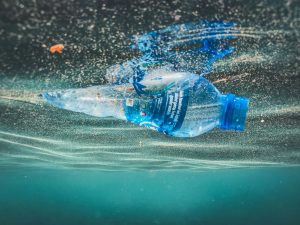
I don’t need to convince you that microplastics are a problem anymore. If you’ve read the other posts in this series, you already know they’re in your brain, your blood, your tea, and your bottled water. The question now is — what do you actually do about it? Let me be honest. You can’t avoid microplastics completely. They’re in the air, the water, and the soil. But you can reduce your exposure. A lot. Here are 7 practical things I’ve done myself. 1. Switch to Glass or Stainless Steel Water Bottles This is the single biggest change you can make. I used to buy bottled water by the case. Then I read a study that found 93% of bottled water brands contain microplastics. I switched to a stainless steel bottle that cost me $20. Haven’t bought bottled water since. What to do: Buy a reusable bottle. Fill it with filtered tap water. Done. 2. Ditch Plastic Tea Bags The study that changed my life. A single plastic tea bag releases 11.6 billion microplastic particles into your tea. When I read that, I threw out all my tea bags and bought loose leaf tea. What to do: Switch to loose leaf tea with a stainless steel infuser. Or look for tea bags made from 100% plant-based materials (not PLA — it’s still plastic). 3. Stop Microwaving Food in Plastic This one hurts. I used to reheat leftovers in plastic containers all the time. Then I learned that heat causes plastic to leach into food. I threw out all my plastic containers and replaced them with glass ones. What to do: Switch to glass or ceramic containers. Never microwave in plastic. Not even “microwave-safe” plastic. 4. Filter Your Tap Water Here’s something I didn’t know until recently — tap water has less microplastics than bottled water. A good water filter can remove most of them. Reverse osmosis is the most effective. Activated carbon filters also work. What to do: Install a water filter at home. Use it for drinking and cooking. Carry a reusable bottle when you go out. 5. Choose Natural Fabrics Every time you wash synthetic clothes, thousands of microplastic fibers go down the drain. The fibers also go into your lungs when you wear them. What to do: Choose cotton, linen, or wool. Avoid polyester, nylon, and acrylic. It’s not always possible, but reduce where you can. 6. Avoid Single-Use Plastics Plastic bags. Disposable cutlery. Straws. Food packaging. All of them contribute to your exposure. What to do: Carry your own bags, cutlery, and straws. Buy food in bulk or in glass containers. Every bit helps. 7. Dust and Vacuum Regularly Indoor air is full of microplastics. They come from furniture, carpets, and clothing. Studies have found that vacuuming regularly reduces microplastic dust significantly. What to do: Vacuum at least once a week. Use a HEPA filter vacuum cleaner. Wipe surfaces with a damp cloth so particles don’t fly into the air. The Bottom Line You can’t eliminate microplastics completely. They’re everywhere. But you can reduce your exposure — and every reduction counts. Start with one thing: Buy a stainless steel water bottle Switch to loose leaf tea Replace one plastic container with glass Whatever you pick, stick with it. Then add another. Small changes over time add up. Your future self — and your brain — will thank you. Written by Altaf Khan | MSc Chemistry, MBA, QC Manager | Medical Bluff You May Also Like: 📌 Pillar Post (Main Guide): Microplastics Found in Human Brain — Should You Be Worried? 📌 Cluster Posts (Deep Dives): How Do Microplastics Enter Your Body? Do Tea Bags Release Microplastics? What Science Says Does Bottled Water Contain Microplastics? Truth Revealed References Assessment of microplastic exposure from bottled water. ScienceDirect, 2025. The impact of dietary habits on microplastic accumulation. Elsevier, 2025. Strategies to reduce microplastic ingestion. Environmental Science & Technology, 2025.

bottled water microplastics

Does Bottled Water Contain Microplastics? Truth Revealed

I used to buy bottled water like it was nothing. Every morning, I’d grab a plastic bottle from the fridge. Drink it in the car. Toss it in the bin. Felt healthy. Felt convenient. Then I read the study. And I haven’t bought a plastic water bottle since. What They Actually Found In 2025, researchers tested 259 bottled water bottles from 11 different brands across 9 countries. Here’s what they found: 93% of all brands contained microplastics. Each liter had between 12 to 62 particles. The most common plastic was PET — the same stuff the bottle is made of. Some particles were under 100 nanometers. Small enough to cross cell walls. That’s not a few particles. That’s dozens in every liter you drink. And those are just the ones they could count. The real number is probably much higher. Where Does It Come From? The plastic doesn’t just appear. It comes from the bottle itself. Plastic Type Where It Comes From PET The bottle itself — sheds particles into water Polyamide (PA) Bottle caps and seals — abrasion during transport Polyethylene (PE) Coatings and liners — breaks down over time Polypropylene (PP) Caps and closures — sheds when opened The longer the water sits in the bottle, the more plastic leaches into it. And here’s the part nobody tells you — opening and closing the bottle cap releases additional particles. Every twist, every turn, more plastic. Heat Makes It Worse Leave a bottle in your car on a summer day? You’re basically brewing plastic water. Storage Condition What Happens Cool, dark storage Minimal particle release Room temperature Moderate release Hot car / sunlight Maximum release — plastic breaks down faster I used to keep a case of water in my trunk during summer. Not anymore. The Columbia Study That Changed My Mind In 2024, researchers at Columbia University used a new technique called stimulated Raman scattering microscopy. It can detect particles down to 100 nanometers. They tested three popular brands of bottled water. Every single bottle contained microplastics. But here’s the scary part — they also found nanoplastics. Those are so small they can cross the gut lining. Enter your bloodstream. Reach your organs. One bottle had 2.4 million plastic particles per liter. That’s not a typo. Million. Tap Water vs Bottled Water I used to think tap water was worse. Turns out, I was wrong. Water Type Microplastic Content Bottled water 12 to 62 particles per liter Tap water (US) 0 to 5 particles per liter Tap water has less plastic than bottled water. You’re paying money for something that’s worse than what comes out of your sink. What We Know About the Risks We don’t have all the answers yet. But we have enough to be concerned. Health Concern What We Know Oxidative stress Strong evidence from animal studies Inflammation Moderate evidence from human cell studies Hormone disruption Emerging evidence Gut microbiome changes Emerging evidence Cellular damage Moderate evidence A 2026 review in Toxicology Letters found that nanoplastics can cross the gut barrier and accumulate in tissues. They’re not just passing through. They’re staying. What the Industry Doesn’t Tell You Bottled water companies have spent billions on marketing. “Pure.” “Natural.” “Spring fresh.” But here’s the reality: 93% of bottled water brands contain microplastics. No US regulation limits microplastics in bottled water. The FDA doesn’t require testing for them. Brands don’t disclose particle counts on labels. They’re selling you convenience. And you’re paying for it with your health. My Personal Switch I bought a stainless steel bottle for 20 bucks. I keep it in my bag. Fill it from the tap at home. Or from the office filter. Cost me less than a month’s worth of bottled water. Now I know exactly what I’m drinking. Water. Nothing else. Is it perfect? No. Microplastics are everywhere — in the air, in the soil, in the food. But cutting out the biggest, most obvious source? That’s a no-brainer. What You Can Do Right Now Simple switches. Big impact. Action Why It Helps Switch to a reusable bottle Stainless steel or glass — no plastic Filter your tap water Reverse osmosis or activated carbon Avoid bottled water in hot cars Heat increases particle release Check the bottle’s date Older bottles shed more plastic Look for glass alternatives Some brands offer glass bottles So… Bottled water is convenient. But it’s not cleaner. It’s not healthier. It’s water with microplastics. And you’re paying for it. Switch to a reusable bottle. Filter your tap water. Drink with peace of mind. Your body will thank you. Written by Altaf Khan | MSc Chemistry, MBA, QC Manager | Medical Bluff You May Also Like: 📖 Microplastics Found in Human Brain — Should You Be Worried? — (Pillar Post) 📖 How Do Microplastics Enter Your Body? — Cluster Post 1 📖 Do Tea Bags Release Microplastics? What Science Says — Cluster Post 2 📖 How to Avoid Microplastics: 7 Practical Steps — Cluster Post 4 References Microplastics in bottled water — a global review. ScienceDirect, 2025. Nanoplastics in bottled water — detection and health implications. Columbia University, 2024. Microplastic contamination in global bottled water brands. Frontiers in Environmental Science, 2025. The health risks of microplastic exposure. Toxicology Letters, 2026.

psychedelic therapy FDA news

Psychedelic Therapy for PTSD: FDA Decision 2026

Let me be honest with you — I’ve been following this story for years. And when the FDA finally made their decision in 2026, I wasn’t surprised. But I was disappointed. MDMA-assisted therapy for PTSD was supposed to be the breakthrough we’ve been waiting for. Clinical trials showed incredible results. Patients with severe, chronic PTSD — people who had tried everything — were getting better. Some were cured. And then the FDA said no. Here’s what happened, why it matters, and what comes next. The Short Version What Details The drug MDMA (ecstasy) — combined with psychotherapy The condition Post-traumatic stress disorder (PTSD) The sponsor Lykos Therapeutics (formerly MAPS) The FDA decision Rejected (August 2024, CRL released publicly in 2025) The reason Concerns about trial design, data integrity, and safety standardization The response MAPS called it “moving the goalposts” What’s next FDA fast-tracking other psychedelics (psilocybin, ibogaine) in 2026 What Is Psychedelic Therapy? Psychedelic therapy isn’t just taking a drug and waiting for magic to happen. It’s a structured, carefully guided process. MDMA-assisted therapy (MDMA-AT) works like this: Preparation sessions — You meet with therapists to build trust and set intentions. MDMA sessions — You take the drug in a comfortable setting, with therapists present. The session lasts 6-8 hours. Integration sessions — You process the experience with your therapists afterward. MDMA doesn’t cure PTSD by itself. It creates a window — a period of heightened emotional openness and reduced fear — where therapy can actually work. The Numbers That Matter I’ve worked in pharma for 13 years. I know how to read clinical trial data. And the data for MDMA-AT is genuinely impressive. Study MDMA Group Placebo Group No longer met PTSD criteria 67-71% 32-48% Remission rates Up to 80% in treatment-resistant cases Significantly lower Source: Phase 3 trials conducted by MAPS One study found that 76% of participants no longer had PTSD at 12-month follow-up. That’s not just improvement — that’s life-changing. A meta-analysis of six randomized controlled trials found that MDMA-AT led to a significant reduction in PTSD symptoms compared to placebo, with moderate to large effect sizes. These aren’t small numbers. These are people who had tried everything — SSRIs, therapy, years of suffering — and finally found relief. So Why Did the FDA Say No? The FDA issued a Complete Response Letter (CRL) to Lykos Therapeutics in August 2024. The main concerns: Issue What the FDA said Trial design Questions about the double-blind design — participants could tell if they got MDMA or placebo Data integrity Concerns about how data was collected and validated Safety standardization Need for more data on long-term safety Therapy model Concern that the psychotherapy component wasn’t standardized enough Rick Doblin, founder of MAPS, called it “moving the goalposts.” His team had worked with the FDA for years on the study design. They had followed the FDA’s recommendations. And then, in the CRL, the FDA suggested different approaches that hadn’t been raised before. One example: The FDA had recommended not using a low-dose comparison arm. But in the CRL, they suggested “consider the inclusion of a low-dose midomafetamine arm as a control.” That’s frustrating. And it’s one reason why many researchers feel the FDA hasn’t been fair to psychedelic medicine. The 2026 Shift: FDA Fast-Tracks Other Psychedelics Here’s where the story gets interesting. In April 2026, President Trump signed an executive order directing federal agencies to accelerate the development and approval of psychedelic-based therapies for PTSD, depression, and substance use disorders. The FDA responded quickly: Action What it means Priority review vouchers Psilocybin for TRD/MDD and methylone for PTSD — review timelines compressed from 6-10 months to 1-2 months First US ibogaine study Noribogaine hydrochloride cleared for phase 1 trial in alcohol use disorder Accelerated review FDA prioritizing Breakthrough Therapy-designated psychedelics Robert F. Kennedy Jr., Secretary of HHS, said: “We are accelerating the research, approval, and responsible access to promising mental health treatments — including psychedelic therapies like ibogaine — to confront our nation’s mental health crisis head-on, especially for our veterans.” This is a major shift in federal drug policy. The FDA is sending a clear signal: psychedelic medicine is coming. Just not the way MAPS hoped. The Controversy: Did the FDA Get It Wrong? I’ve seen this debate play out in pharma circles. And honestly, both sides have a point. The FDA’s position: Psychedelic trials are notoriously hard to blind — participants often know if they got the real drug More data is needed on long-term safety Standardization of psychotherapy protocols is essential for replicable results The MAPS position: The data is already strong — 67-71% of patients no longer met PTSD criteria The FDA changed its requirements mid-process Delaying approval means more people suffering with treatment-resistant PTSD I’ll be honest with you — I lean toward the MAPS position. The data is impressive. And when you’re dealing with a condition as devastating as PTSD, waiting for perfect data means letting people suffer in the meantime. But I also understand the FDA’s caution. They’re responsible for ensuring safety and efficacy. And psychedelic therapy is still new territory. What This Means for Patients If you or someone you love has PTSD, here’s the bottom line: What’s available now: MDMA-assisted therapy is not FDA-approved Some countries (like Australia) have compassionate access programs Clinical trials are ongoing — patients can enroll What’s coming: Psilocybin for treatment-resistant depression is advancing quickly Methylone for PTSD is also in the pipeline Ibogaine derivatives for substance use disorders are entering US trials The timeline: 2026-2027: Priority review could lead to approvals within 1-2 years 2028+: Wider availability if trials succeed The Bottom Line Psychedelic therapy for PTSD is not dead. It’s been delayed — not denied. The FDA’s rejection of MDMA-assisted therapy was a setback. But the 2026 executive order and FDA fast-tracking of other psychedelics show that the federal government is serious about making these treatments available. What I tell people: If you have PTSD, talk to your doctor about current options Watch for clinical trial opportunities Be patient — but be hopeful Psychedelic medicine is coming. It’s just taking longer than we hoped.

tea bags microplastics

Do Tea Bags Release Microplastics? What Science Says

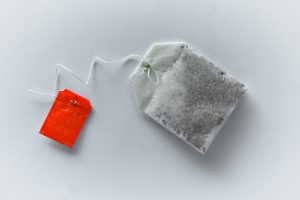
I threw my tea away that morning. Not because it was stale. Not because I was in a hurry. I looked at the cup. Thought about what I just read. And poured it down the sink. That little bag I used to trust? It dumped 11.6 billion microplastic particles into my cup. Billion. With a B. And I had been drinking that stuff for years. (If you haven’t read the main guide yet, start here: Microplastics Found in Human Brain — Should You Be Worried?) What’s Actually Inside Your Tea Bag? Most people think tea bags are just paper. They’re not. They’re a mix. Designed to survive hot water without tearing apart. Here’s what they actually put in there: Type of Bag What’s Actually Inside Regular paper bags Filter paper + plastic glue (polypropylene) to seal the edges Fancy mesh bags Nylon or PET plastic — feels silky, but it’s pure plastic “Biodegradable” ones PLA — still a plastic, just plant-based Silky pyramid bags Almost always nylon — and they shed the most The plastic holds the bag together. Without it, your tea would fall apart in the cup. Problem is, that same plastic doesn’t stay put. It breaks off. And you drink it. The Study That Made Me Spit Out My Tea In 2025, researchers at Moscow State University did something simple. They bought eight different tea bag brands. They brewed them like normal. Then they checked the water for plastic. The results were ugly. Tea Bag Type Particles Per Cup Nylon / Polypropylene bags 11.6 billion microplastics + 3.1 billion nanoplastics Cellulose (natural looking) bags Up to 170 billion particles per liter Read that again. Eleven point six billion. That’s more than the number of stars in the Milky Way galaxy. And you’re drinking that in one cup. The worst part? The smaller ones — nanoplastics — they don’t just pass through. They cross barriers. They enter your bloodstream. Your organs. Your brain. (Read more about how these particles actually get into your body here: How Do Microplastics Enter Your Body?) Hot Water Makes It Worse I didn’t know this until I read the study. Water Temperature Plastic Released Room temp (cold brew) Barely any Hot (60-70°C) Moderate Boiling (95-100°C) Maximum damage The hotter the water, the faster the plastic breaks down. And the longer you steep, the more you consume. I used to let my tea steep for 5-7 minutes because I liked it strong. Basically, I was giving the plastic more time to escape into my cup. Premium Doesn’t Mean Safe The study also compared brands. Expensive ones, cheap ones, organic ones. Here’s the kicker — the most expensive “premium mesh” bags were among the worst. They looked fancy and nice. They released the most plastic. “Biodegradable” ones were slightly better, but still not clean. Even the ones claiming “100% plant-based” shed particles because PLA is still a polymer. So don’t trust the marketing hype. Trust the science. My Personal Switch (Real Talk) After that study, I did something. I went to the local store. Bought a small stainless steel infuser. Picked up loose leaf tea from a local vendor. Cost me about the same as the fancy tea bags I used to buy. Maybe even less. Now I know exactly what’s in my cup. Tea leaves. Hot water. No plastic. Is it perfect? No. Microplastics are everywhere — in the water, in the air, in the soil. But cutting out the biggest, most obvious source? That’s a no-brainer. The Industry Doesn’t Want You to Know I’ll say it straight — tea companies don’t want you to know this. A 2025 investigation found that most brands hide their bag materials. They’ll write “natural” or “compostable” on the box. But when you dig deeper, you find nylon, polypropylene, or PET. “Compostable” doesn’t mean “plastic-free.” It just means it’ll break down eventually — under specific industrial conditions. Not in your cup. And definitely not inside your body. What Researchers Are Saying A researcher from the University of Amsterdam put it bluntly in a 2026 paper: “Tea bags are one of the leading sources of microplastic exposure for regular tea drinkers.” Same study found similar problems in coffee capsules and juice packs. It’s not just tea. But tea is where most of us start our day. What You Can Do Right Now Simple stuff. No rocket science. Action Why It Helps Switch to loose leaf tea No bag = no bag plastic. Period. Use stainless steel infuser Metal doesn’t shed plastic. Simple. Avoid mesh/pyramid bags They look premium, but they’re plastic bombs. Brew at lower temperature If you must use bags, don’t use boiling water. Steep for less time Less time = less leaching. Look for 100% unbleached paper bags Some brands do this — check carefully. So… Your morning tea could be a major source of plastic in your body. I didn’t write this to scare you away from tea. I still drink it daily. But I switched to loose leaf. And I’m not going back. It’s a small change. But over a lifetime? That’s billions of particles you’re avoiding. Written by Altaf Khan | MSc Chemistry, MBA, QC Manager | Medical Bluff You may also like: 📖 Microplastics Found in Human Brain — Should You Be Worried? — (Pillar Post) 📖 How Do Microplastics Enter Your Body? — Cluster Post 1 📖 Does Bottled Water Contain Microplastics? Truth Revealed — Cluster Post 3 📖 How to Avoid Microplastics: 7 Practical Steps — Cluster Post 4 References Evolution of Microplastics Released from Tea Bags into Water. Polymers, 2025. Microplastics in tea bags: A hidden source of contamination. ScienceDirect, 2025. Impact of temperature on plastic particle release from tea bags. Environmental Pollution, 2025. Assessment of microplastic release from different tea bag materials. Elsevier, 2025.

Share:

Send Us A Message