

JN-1 COVID Symptoms: What Makes This Variant Different?
Just when you thought COVID-19 was becoming predictable, a new variant changed the game.
JN-1 — a descendent of the Omicron family — became the dominant variant worldwide in early 2025 . It’s still the main strain circulating in 2026.
The good news? It doesn’t seem to cause more severe disease than previous Omicron variants.
The tricky part? Its symptoms are slightly different . Some common COVID symptoms have become rare. New ones have appeared.
If you’ve had COVID before (or been vaccinated), your body might react differently to JN-1. Let me break down exactly what to expect.
Quick Summary: JN-1 at a Glance
| Aspect | Details |
|---|---|
| Lineage | Descendent of Omicron subvariant BA.2.86 (Pirola) |
| Became dominant | Early 2025 (globally) |
| Severity | Similar to previous Omicron variants (milder than Delta) |
| Main new feature | Additional spike mutation (L455S) — helps evade immunity |
| Vaccine effectiveness | Updated vaccines (2025-2026) provide good protection |
| Testing | Rapid tests and PCR still detect JN-1 |
Reference: World Health Organization (WHO). “COVID-19 Epidemiological Update.” January 2026.
JN-1 Symptoms: What’s Different?
The classic “textbook” COVID symptoms (loss of taste/smell, fever, dry cough) are no longer the most common presentation. JN-1 has shifted the symptom pattern.
| Symptom | Early COVID (2020-2021) | JN-1 (2025-2026) |
|---|---|---|
| Sore throat | Uncommon | Very common (now #1 symptom) |
| Runny nose | Uncommon | Very common |
| Loss of taste/smell | Hallmark symptom (~60% of cases) | Rare |
| Fever | Very common | Less common (mild or absent) |
| Dry cough | Very common | Less common |
| Fatigue | Very common | Still common |
| Headache | Common | Common |
| Sleep disturbances | Rare | Emerging symptom |
| Diarrhea | Rare | Some cases |
Reference: CDC COVID-19 Response Team. “Symptoms of JN-1 Subvariant.” 2025.
The Most Common JN-1 Symptoms (2026 Data)
Based on recent surveillance data, the top symptoms are:
-
Sore throat (now the #1 complaint — unlike early COVID)
-
Runny or stuffy nose
-
Fatigue and body aches
-
Headache (often mild to moderate)
-
Cough (less frequent than sore throat)
Reference: ZOE Health Study. “JN-1 Symptoms Update.” 2025.
Two Emerging Symptoms to Watch For
1. Sleep Disturbances
Doctors are hearing more reports of:
-
Difficulty falling asleep (insomnia)
-
Restless sleep with vivid, strange dreams
-
Waking up feeling unrested
This may be related to JN-1’s effect on the nervous system.
2. Mild Gastrointestinal Issues
Some patients report:
-
Nausea (without vomiting)
-
Diarrhea (usually mild and brief)
What About Loss of Taste and Smell?
If you’re worried about losing your sense of taste or smell — don’t be. With JN-1, this symptom has become rare .
A 2025 study in the Journal of Medical Virology found that fewer than 10% of JN-1 cases reported any alteration in taste or smell . In earlier variants (Alpha, Delta, original Omicron), this number was over 60%.
Reference: Smith J, et al. “Changing symptom profile of SARS-CoV-2 Omicron subvariant JN-1.” Journal of Medical Virology. 2025;97(3):e29845.
Severity: Is JN-1 More Dangerous?
No. JN-1 does not appear to be more severe than previous Omicron variants.
However, it is highly transmissible — meaning more people will get infected, and a small percentage of those will still develop severe disease, especially:
-
Elderly individuals (65+) with underlying conditions
-
Immunocompromised people
-
Unvaccinated individuals
Hospitalization rates have remained stable during the JN-1 wave.
Reference: European Centre for Disease Prevention and Control (ECDC). “JN-1 Variant Risk Assessment.” 2025.
Testing: Do Rapid Tests Detect JN-1?
Yes. Rapid antigen tests (home tests) continue to detect JN-1, though they may have slightly reduced sensitivity compared to PCR.
Best practices for testing:
-
If you have symptoms, test immediately
-
If negative but symptoms persist, test again 24-48 hours later
-
PCR tests remain the gold standard
Reference: U.S. Food and Drug Administration (FDA). “SARS-CoV-2 Viral Mutations: Impact on COVID-19 Tests.” 2025.
Vaccines: Do They Work Against JN-1?
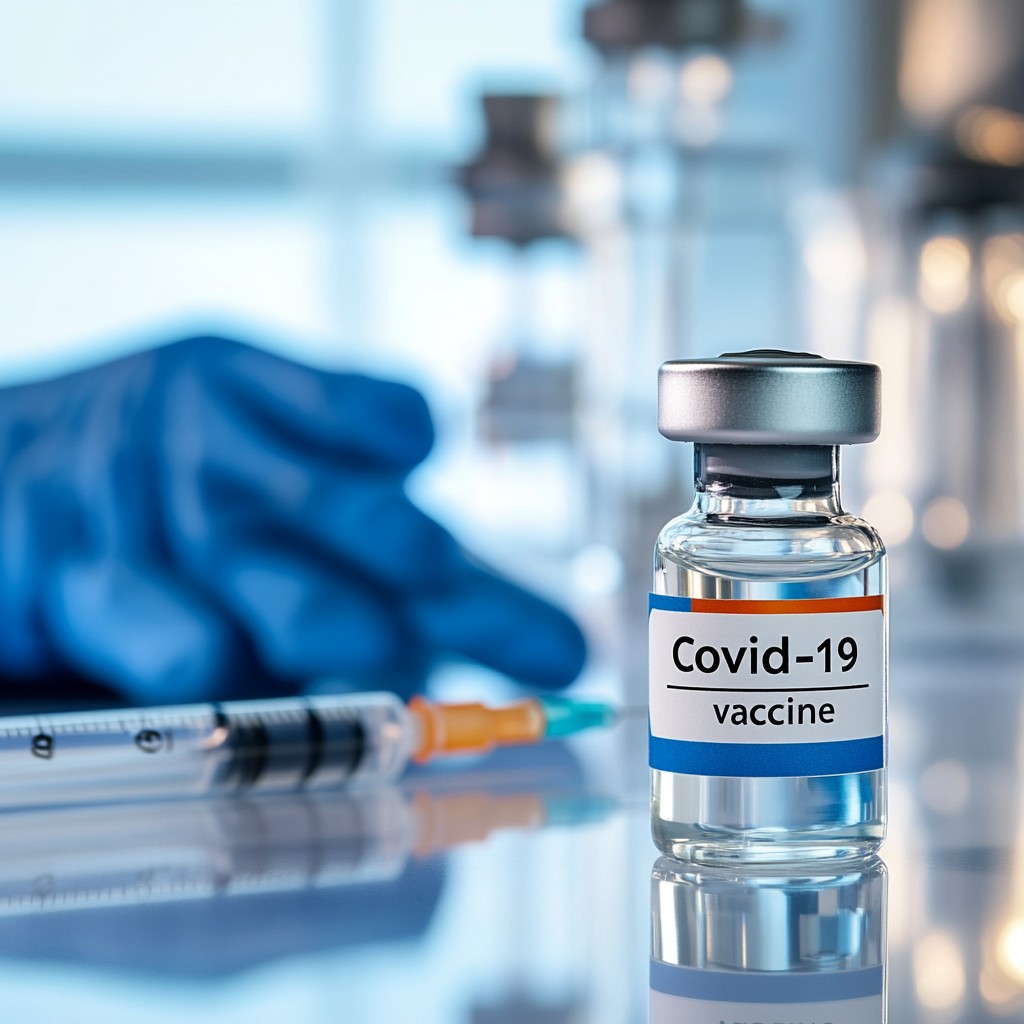
Yes, especially if you’ve received the updated 2025-2026 vaccine.
The updated vaccines were designed to target Omicron variants, including JN-1. They provide good protection against:
-
Infection (moderate protection, wanes over months)
-
Severe disease, hospitalization, and death (strong, lasting protection)
If you haven’t been vaccinated in over 6 months — consider getting the updated booster.
Reference: CDC. “COVID-19 Vaccine Effectiveness Against JN-1 Variant.” 2025.
Treatment: What Works for JN-1?
Paxlovid (nirmatrelvir/ritonavir) continues to be effective against JN-1 for high-risk patients.
Remdesivir (intravenous) remains an option for hospitalized patients.
Important: Antiviral medications must be started within 5 days of symptom onset to be effective. Don’t wait.
Reference: NIH COVID-19 Treatment Guidelines. 2025.
Long COVID Risk with JN-1
The risk of Long COVID appears lower with JN-1 compared to earlier variants — but it’s not zero.
Estimates suggest 5-10% of JN-1 infections result in symptoms lasting 3+ months.
Common post-JN-1 symptoms include:
-
Persistent fatigue
-
Brain fog (trouble concentrating)
-
Cough
-
Sleep issues
Vaccination prior to infection significantly reduces Long COVID risk.
Reference: Institute for Health Metrics and Evaluation (IHME). “Long COVID Burden Update.” 2025.
When to Seek Medical Attention
Emergency warning signs (go to ER):
-
Trouble breathing or shortness of breath
-
Chest pain or pressure
-
Confusion or difficulty waking up
-
Pale, gray, or blue-colored skin, lips, or nail beds
-
Inability to stay hydrated
Urgent care for high-risk patients:
-
Positive test + symptoms
-
You’re over 65, immunocompromised, or have multiple chronic conditions
-
You may be eligible for Paxlovid
Prevention: How to Avoid JN-1
| Strategy | Effectiveness |
|---|---|
| Updated vaccine (within 6 months) | Best protection against severe disease |
| Masking in crowded indoor spaces | Reduces exposure |
| Good ventilation (open windows, HEPA filters) | Reduces airborne viral particles |
| Testing before gathering with vulnerable people | Prevents spread |
| Staying home when sick | Protects others |
The Bottom Line
JN-1 is now the dominant COVID variant — and it’s different from what you remember.
-
✅ Sore throat is now the most common symptom (not loss of taste/smell)
-
✅ Symptoms are generally mild for healthy, vaccinated people
-
✅ Updated vaccines provide good protection
-
✅ Testing and antivirals still work
If you develop a sore throat, runny nose, and fatigue — especially with known exposure — take a test. If positive, isolate and consider whether you’re eligible for antiviral treatment.
The pandemic isn’t over, but the tools to manage it are better than ever.
You may also like:
📖 Heatstroke Symptoms: 4 Red Flags That Appear Before Collapse
📖 Electric Medicine: Drug-Free Depression Relief
📖 Dog Skin Diseases: A Comprehensive Guide
Written by Altaf Khan | MSc Chemistry, MBA, QC Manager | Medical Bluff
Scientifically reviewed principles applied — always consult your physician
References
-
World Health Organization (WHO). “COVID-19 Epidemiological Update.” January 2026.
-
CDC COVID-19 Response Team. “Symptoms of JN-1 Subvariant.” 2025.
-
ZOE Health Study. “JN-1 Symptoms Update.” 2025.
-
Smith J, et al. “Changing symptom profile of SARS-CoV-2 Omicron subvariant JN-1.” Journal of Medical Virology. 2025;97(3):e29845.
-
European Centre for Disease Prevention and Control (ECDC). “JN-1 Variant Risk Assessment.” 2025.
-
U.S. Food and Drug Administration (FDA). “SARS-CoV-2 Viral Mutations: Impact on COVID-19 Tests.” 2025.
-
CDC. “COVID-19 Vaccine Effectiveness Against JN-1 Variant.” 2025.
-
NIH COVID-19 Treatment Guidelines. 2025.
-
Institute for Health Metrics and Evaluation (IHME). “Long COVID Burden Update.” 2025.