

Medical Bluff

Slutty Vegan — Plant-Based Fast Food That Actually Works

slutty vegan

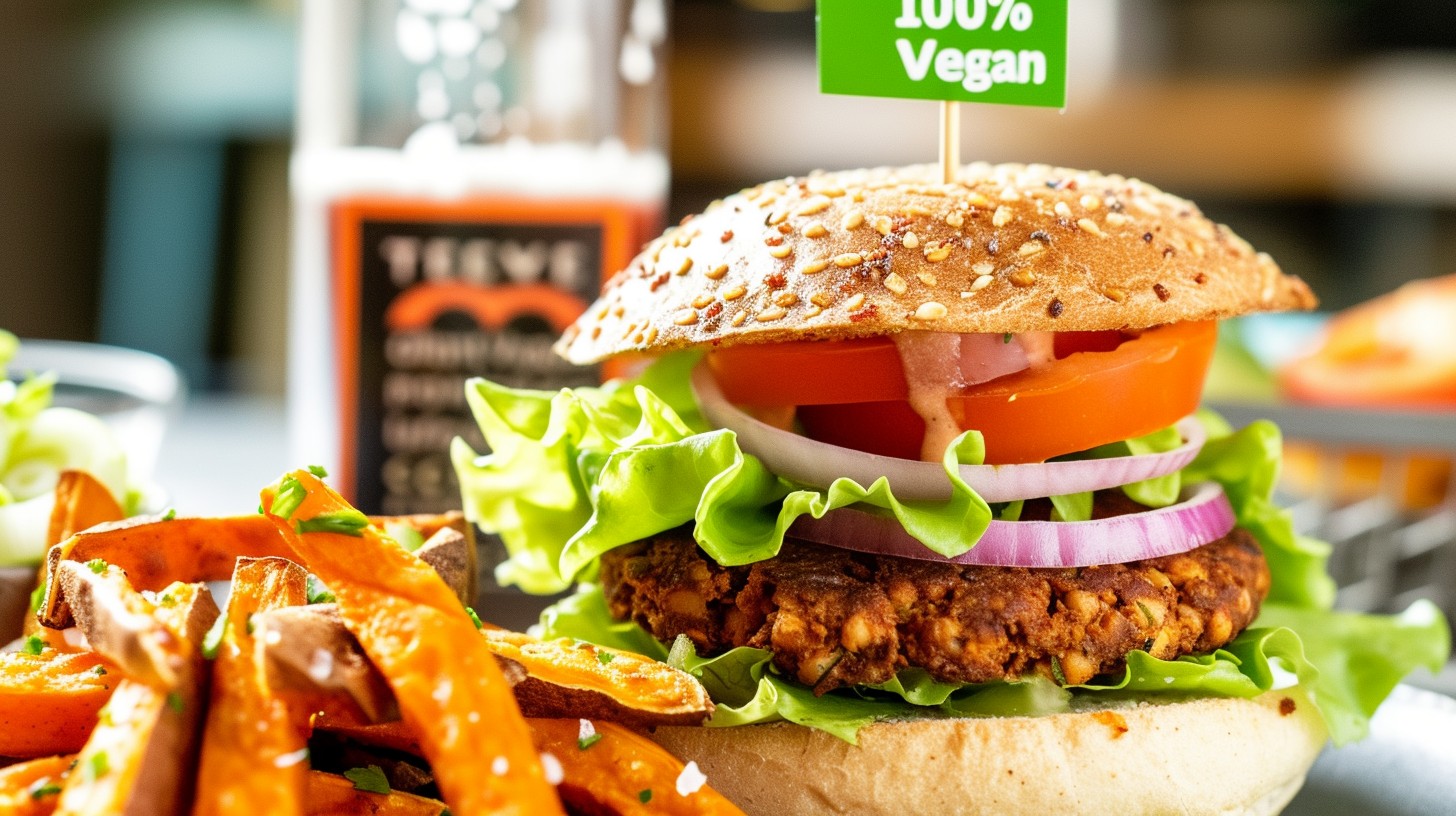
I don’t usually write about food brands. But Slutty Vegan is different. It’s not trying to be healthy. There are no kale smoothies in sight. The brand just sells burgers that happen to be plant-based — and people love them.


What Is Slutty Vegan?

Slutty Vegan is a fast-food chain that serves plant-based burgers, sandwiches, and sides. The name is provocative. The menu is even more so — “One Night Stand,” “Fussy Hussy,” “Hollywood Hooker.”

Founded in Atlanta in 2018 by Aisha “Pinky” Cole Hayes, it started as a food truck. Within a few years, it was valued at over $100 million. By 2024, it had multiple locations across the US.

The vibe is loud, colorful, and unapologetic. When a first-timer walks in, the staff shouts “We have a virgin in the house!” and the whole place erupts. That’s the experience. And people come back for it.


Why It Works

Pinky Cole openly says she’s not targeting vegans. 70% of her customers are non-vegan. She’s targeting people who want good food, period. That’s the strategy. And it works.

Factor Why It Matters
Experience-driven People don’t just buy food — they buy experiences
Celebrity appeal Snoop Dogg, Usher, Tyler Perry, Viola Davis — all fans
Non-preachy Doesn’t lecture about veganism — just serves good food
Strong branding Provocative name, memorable menu, high energy

Celebrities love it. Snoop Dogg, Usher, Tyler Perry, Viola Davis — all of them have shown up. Even NYC Mayor Eric Adams, who’s plant-based, has praised the brand.

Plant-based eating is closely linked to the Food as Medicine movement, which is all about using food to prevent and manage chronic disease.


The Rough Patch — and Comeback

It wasn’t all smooth.

In 2024, the brand expanded fast. Too fast. Corporate overhead piled up. Cash flow got tight. In February 2025, Cole Hayes filed for a state-level insolvency process. She temporarily lost control of the company. She told the media she was depressed, couldn’t sleep, and thought she was losing everything.

Then she fought back.

On March 28, 2025, she bought the business back under a new LLC. She called it Slutty Vegan 2.0. New focus: profitability, discipline, and smart growth.


Franchising and Expansion

In 2025, Slutty Vegan launched its franchise program. Shawntel Daniels, a former Planet Fitness exec, was brought in to run it.

Franchise Type Investment Range
Restaurant $555,900 – $1,166,500
Food Truck $255,750 – $312,000

In 2026, the first franchise agreements were signed. Locations coming to Atlanta, Washington D.C., and Detroit. The company also plans to move its Baltimore restaurant to the Johns Hopkins Hospital campus.

For more on how lifestyle choices impact health, check out our guide on obesity and diabetes .


What’s Next

As of 2026, Slutty Vegan has locations in Georgia, Alabama, New York, Maryland, and Florida. More on the way. Franchise documents filed in 32 states.

Cole Hayes is also joining the cast of The Real Housewives of Atlanta for season 17. More visibility, more growth.


The Bottom Line

Slutty Vegan is proof that plant-based food doesn’t have to be boring. It’s a brand that nearly collapsed and came back stronger. And it’s showing the world that vegan fast food can be fun, profitable, and built to last.

For more food and health content, explore our Health and Wellness category.


Written by Altaf Khan | MSc Chemistry, MBA, QC Manager | Medical Bluff

Reviewed by: Dr. Ayesha, Medical Reviewer


References

  1. Slutty Vegan Announces New Franchise Model Following Major Business Restructuring. vegconomist. September 2025.

  2. How Slutty Vegan Founder Pinky Cole Nearly Lost Her Business. Forbes. April 2025.

  3. Slutty Vegan Signs Franchise Deals in Washington, D.C. and Atlanta. vegconomist. June 2026.

  4. How Pinky Cole Regained Control of Slutty Vegan. Entrepreneur. October 2025.

  5. Slutty Vegan Signs franchise Deal to Grow in Detroit. QSR Magazine. June 2026.

Written by:

Altaf Khan

MSc Chemistry, MBA, QC Manager

Popular Posts:

Mediterranean diet

Mediterranean Diet — Still the Best Overall Diet for 2026

Let me tell you something straight. Every year, there’s a new diet. Keto. Paleo. Vegan. Carnivore. Intermittent fasting. Everyone promises magic. Most of them don’t deliver. But one diet keeps coming back. Year after year. Study after study. It’s not flashy. Expensive? No. Quick fix? Definitely not. The Mediterranean diet. And it’s still the best overall diet for 2026. What Actually Is It? It’s not a strict meal plan. It’s more like a way of eating. The idea is simple: eat like people in Greece, Italy, and Spain did decades ago. Vegetables, fruits, whole grains, legumes, nuts, seeds Olive oil — lots of it Fish, poultry, eggs, dairy — in moderation Red meat and processed food — limited Herbs and spices instead of salt Red wine — if you want, in moderation That’s it. No cutting out food groups. No expensive supplements. Just real food. What the Data Says The U.S. News & World Report expert panel ranked the Mediterranean diet as the #1 overall diet for 2026 — for the 8th year in a row. Category Ranking Overall Best Diet #1 Best Diet for Diabetes #1 Best Diet for Heart Health #1 Best Plant-Based Diet #1 Easiest Diet to Follow #1 It also ranked near the top for weight loss, bone health, and family-friendly eating. Why Does It Keep Winning? No gimmicks. No supplements. No expensive meal replacements. Decades of research backing it up. You can eat this way for life — not just 30 days. No banned foods. No rigid rules. Proven benefits — heart disease, diabetes, cognitive decline — all lower. This isn’t a fad. It’s a pattern of eating humans have followed for centuries. And it works. What Studies Actually Show Heart disease. A 2026 study of over 100,000 people found that sticking to the Mediterranean diet lowered cardiovascular events by 28%. Diabetes. It reduces HbA1c and fasting glucose. Ranked #1 for diabetes. Brain health. A 2025 study found older adults who followed this diet had better memory and slower cognitive decline over 12 years. Weight. It’s not a quick fix. But it works for long-term weight management — and you can actually stick with it. How It Stacks Up Diet Pros Cons Mediterranean Sustainable, proven, flexible Not a quick fix Keto Rapid weight loss Hard to maintain, high fat Paleo Whole foods Eliminates grains, dairy, legumes Vegan Ethical, plant-based Needs careful planning Intermittent Fasting Simple, flexible Hunger spikes, not for everyone The Mediterranean diet doesn’t promise quick results. It delivers lasting ones. What You Can Do Today Swap butter for olive oil Eat fish twice a week Add a serving of vegetables to every meal Use herbs instead of salt Snack on nuts instead of chips Limit red meat to once a week You don’t have to do everything at once. Pick one. Add another. Shift slowly. My Take I’m not a nutritionist. I’m a chemist who’s been in pharma long enough to know what works. The Mediterranean diet isn’t a diet. It’s the way humans ate before processed food took over. And the data is clear — it works. If you want a quick fix, this isn’t it. But if you want something that actually works — for your heart, your brain, your weight, your life — this is it. Eat real food. Use olive oil. Eat fish. Eat vegetables. Drink wine if you want. Move your body. That’s it. And it still works. Written by Altaf Khan | MSc Chemistry, MBA, QC Manager | Medical Bluff Reviewed by: Dr. Ayesha, Medical Reviewer References Mediterranean Diet and Cardiovascular Events. Journal of the American College of Cardiology. 2026. Mediterranean Diet and Cognitive Decline. Neurology. 2025. Mediterranean Diet for Diabetes Management. Diabetes Care. 2025. U.S. News & World Report. Best Diets 2026. Keep Reading — More from Medical Bluff 📌 Pillar Posts: Food as Medicine: Why Your Diet Matters More Than Ever Obesity and Diabetes in US — What 2026 Data Reveals GLP-1 Medications: Beyond Weight Loss — 2026’s Top Health Trend 📌 Cluster Posts (Deep Dives): Medically Tailored Meals — What They Are and Who Needs Them Hypertension Crisis: 1 in 2 Adults Affected Produce Prescriptions — Can Doctors Really Prescribe Vegetables? Food Insecurity Rising: 7.4M Older Adults Affected GLP-1 Diet — What to Eat

GLP-1 diet

GLP-1 Diet — What to Eat

Look, I’ve seen a lot of people start GLP-1 meds. They lose weight. Feel great. Then they hit a wall. They’re eating too little. Or they’re eating the wrong stuff. Or they’re just not eating at all. And they don’t even realise it. So here’s the deal — let’s actually talk about what you should be eating when you’re on GLP-1. First — What Happens to Your Diet on GLP-1? These drugs slow down your digestion. They reduce appetite. You feel full faster and stay full longer. Sounds good, right? But here’s the problem. A 2026 study found that people on GLP-1s were eating barely 800-1,200 calories a day. That’s not enough. Not even close. And less than 10% were getting enough protein. So you’re losing weight — but you’re also losing muscle. And that’s not what you want. The GLP-1 Diet Problem Nobody Talks About Problem What Happens Low calorie intake 800-1,200 calories/day — too low Low protein Less than 10% meet protein needs Muscle loss 25-40% of weight lost comes from muscle Slow metabolism Muscle loss = slower metabolism Weight regain When you stop, weight comes back faster That’s the cycle. And it’s avoidable. What Should You Eat on GLP-1? Here’s what I tell people. Simple stuff. Nothing fancy. 1. Protein — Non-Negotiable Aim for at least 100g of protein a day. If you don’t, you’ll lose muscle instead of fat. Your metabolism will slow down. And when you stop the medication, the weight will come back — faster than before. What to eat: Eggs Chicken breast Fish Greek yoghurt Protein shakes (if you can’t eat enough) 2. Fiber — For Digestion GLP-1s slow down digestion. Constipation is common. Fiber helps keep things moving. It also fills you up without adding many calories. What to eat: Oats Beans Broccoli Berries Flaxseeds 3. Hydration — Don’t Forget You’re eating less, so you’re also getting less water from food. Dehydration can make nausea worse. What to do: Drink 8-10 glasses of water a day Start your day with a glass of water Add electrolytes if you feel weak 4. Small, Frequent Meals Large meals can trigger nausea — especially in the early weeks. What to do: Eat 4-5 small meals a day Don’t skip meals — that makes nausea worse Eat slowly — it takes time for the fullness signal to reach your brain What to Avoid Food Why Avoid It Greasy, fried foods Slow digestion = more nausea Spicy foods Can irritate your stomach Sugar-sweetened drinks Empty calories Alcohol Dehydrates you, adds empty calories My Take I’m not a nutritionist. I’m a chemist who’s seen enough to know that GLP-1s work — but they work better when you eat properly. Most people focus on the medication and forget about the food. That’s a mistake. The drug helps you lose weight. But if you eat badly while you’re on it, you’ll just regain it when you stop. So eat protein, eat fibre, drink water, eat small meals. Simple. If you’re on a GLP-1 and you’re not thinking about your diet — you’re doing it wrong. Written by Altaf Khan | MSc Chemistry, MBA, QC Manager | Medical Bluff Reviewed by: Dr. Ayesha, Medical Reviewer References Dietary intake patterns and nutritional adequacy among adults with overweight or obesity treated with GLP-1. Journal of Translational Medicine. 2026. Nutrition-First Support for GLP-1 and Dual Incretin Therapy in Obesity. Nutrients. 2026. Keep Reading — More from Medical Bluff 📌 Pillar Posts: Food as Medicine: Why Your Diet Matters More Than Ever Obesity and Diabetes in US — What 2026 Data Reveals GLP-1 Medications: Beyond Weight Loss — 2026’s Top Health Trend 📌 Cluster Posts (Deep Dives): Medically Tailored Meals — What They Are and Who Needs Them Hypertension Crisis: 1 in 2 Adults Affected Produce Prescriptions — Can Doctors Really Prescribe Vegetables? Food Insecurity Rising: 7.4M Older Adults Affected Mediterranean Diet — Still the Best Overall Diet for 2026 

food insecurity

Food Insecurity Rising — 7.4 Million Older Adults Affected

Let me be real with you. I’ve been in pharma for over 13 years. Seen a lot of patients. But there’s one thing that keeps coming up — people who can’t afford to eat well. And it’s getting worse. You’d think in a country like the US, older people would have enough to eat. But they don’t. 7.4 million older adults are food insecure right now. That’s not a small number. That’s people skipping meals, going hungry, or eating cheap processed food because they can’t afford better. What Does Food Insecurity Actually Mean? It means not having reliable access to enough affordable, nutritious food. For older adults, it means: Skipping meals because you can’t afford groceries Buying cheap, processed food instead of fresh fruits and vegetables Choosing between food and medication Relying on food banks or charitable programs to get by A recent report found that 83% of food-insecure seniors are using their savings just to cover basic needs like housing and utilities. And nearly two-thirds rely on charitable food assistance every month. The Numbers — A Snapshot Statistic Detail 7.4 million Older adults facing food insecurity 28% Americans 50+ can’t cover a $100 emergency expense 33% Ran out of food before they had money to buy more 19.1% Older adults in NYC are food insecure 13.7% US households overall are food insecure 5% Increase in food insecurity among older Americans from 2011-2023 How Food Insecurity Affects Health When you can’t afford nutritious food, you eat what you can get. Usually that means cheap, processed, high-sodium, high-sugar food. That leads to: Health Issue How Food Insecurity Makes It Worse Diabetes Hard to manage blood sugar without access to healthy food High blood pressure Processed food is loaded with sodium Heart disease Poor diet increases risk Obesity Cheap food is often calorie-dense but nutrient-poor Malnutrition Older adults need protein and vitamins — but can’t afford them A recent report from the National Council on Aging shows that food insecurity among older adults is linked to higher rates of chronic disease and increased healthcare costs. Limited access to nutritious food can worsen chronic conditions like diabetes and hypertension. And when you’re already dealing with a chronic illness, not eating well makes everything harder. Why Is This Happening? Several things are coming together. Rising food prices — groceries are more expensive than they were a few years ago. A survey found that in early 2026, nearly 20% of households earning under $50,000 reported skipping meals or going hungry. Fixed incomes — many older adults are on fixed incomes. When prices go up, they can’t keep up. Inadequate SNAP enrollment — less than one-third of eligible older adults are enrolled in SNAP. That means millions of people who qualify for food assistance aren’t getting it. The Senior Hunger Prevention Act was introduced to address this. But it hasn’t passed yet. What Can You Do? Action Why It Helps Check if you qualify for SNAP Millions of older adults are eligible but not enrolled Use food banks and pantries They exist to help — use them Talk to your doctor If you’re struggling to afford food, they may know local resources Meal delivery programs Some programs deliver nutritious meals to older adults at low cost Community programs Local churches and community centers often have food programs Data from the Feeding America network shows that food banks are seeing increased demand from older adults. Many of these programs also offer nutrition education and cooking classes to help people make the most of their food budgets. What I Tell People I’m not a social worker. I’m a chemist who’s been in pharma long enough to know that food is medicine. If you can’t afford good food, you can’t stay healthy. If you’re an older adult struggling to afford food — there’s no shame in asking for help. SNAP exists for a reason. Food banks exist for a reason. Use them. And if you know someone who might be struggling — check on them. Ask them if they have enough to eat. Sometimes people won’t ask for help, but they’ll accept it if you offer. Written by Altaf Khan | MSc Chemistry, MBA, QC Manager | Medical Bluff Reviewed by: Dr. Ayesha, Medical Reviewer References National Council on Aging. (2026). Food Insecurity Among Older Adults Report. Feeding America. (2026). Senior Food Insecurity Data. USDA Economic Research Service. (2026). Household Food Security in the United States. Senior Hunger Prevention Act. (2026). Congressional Report. Keep Reading — More from Medical Bluff 📌 Pillar Posts: Obesity and Diabetes in US — What 2026 Data Reveals Food as Medicine: Why Your Diet Matters More Than Ever 📌 Cluster Posts (Deep Dives): Medically Tailored Meals — What They Are and Who Needs Them Hypertension Crisis: 1 in 2 Adults Affected Produce Prescriptions — Can Doctors Really Prescribe Vegetables? Why Younger Adults Are Getting Diabetes Faster 

produce prescriptions

Produce Prescriptions : Can Doctors Really Prescribe Vegetables?

Let me be real with you. I’ve been in pharma for over 13 years. I’ve seen doctors write prescriptions for all kinds of drugs. Blood pressure meds. Diabetes meds. Cholesterol meds. But vegetables? That sounded strange to me too. But it’s actually happening — doctors are writing produce prescriptions to help patients manage chronic disease. And it’s working. What Is a Produce Prescription? A produce prescription is exactly what it sounds like — a doctor tells a patient to eat more fruits and vegetables. But here’s the difference: it comes with money to buy them. The patient gets a voucher or a debit card — usually $15 to $40 per month — that they can use at grocery stores or farmers’ markets. They can only buy fruits and vegetables with it. No junk food. No processed stuff. Just produce. In North Carolina, one program gives patients $40 a month loaded onto a grocery loyalty card, and it’s been backed by **[research from the Duke-Margolis Center for Health Policy](** on the impact of produce prescriptions on chronic disease management. Since 2019, patients have redeemed over $7 million in produce. And they’re actually spending twice that amount from their own money too. Do Produce Prescriptions Actually Work? The short answer is yes. A review of 11 studies found significant improvements in: Health Marker What Improved Weight/BMI Went down Blood pressure Went down HbA1c Went down Blood glucose Went down Blood lipids Went down Another study found that a produce prescription program in North Carolina improved glycemic control in patients with type 2 diabetes. The evidence is piling up. And it’s not just about weight — it’s about managing real diseases with real food. How Widespread Is This? Right now, there are over 100 produce prescription programs across the US. States like North Carolina, California, and Massachusetts already have Medicaid-sponsored programs in place. The VA and Indian Health Services have also committed to launching produce prescription pilots. In January 2026, the Produce Prescriptions for Veterans Act was introduced in Congress. If passed, it would allow the VA to provide produce prescriptions to veterans with diet-related chronic conditions who are food-insecure. The federal government is also pushing this forward. The White House Conference on Hunger, Nutrition, and Health included produce prescriptions as part of its strategy to reduce diet-related disease by 2030. Why Do Produce Prescriptions Matter? Because the numbers are ugly. Only 1 in 10 Americans eat the recommended amount of fruits and vegetables. 1 in 2 Americans are diabetic or prediabetic. 75% of Americans are overweight or obese. 80% of healthcare spending goes to preventable chronic diseases. And poor diet is the number one risk factor for death globally. Something has to change. Produce prescriptions aren’t the only solution — but they’re part of it. What Are the Challenges? It’s not all smooth sailing. Challenge Detail Cost Even with a $40/month benefit, that adds up quickly. If 30 million Medicare beneficiaries qualified, it would cost over $14 billion annually Access Some patients don’t have a grocery store nearby. Or they don’t have transportation to get there Adherence Some patients just don’t use the vouchers. They might not know how to cook the food, or they might not like it Knowledge gap Many patients don’t know what to do with the vegetables once they buy them That’s why some programs also include cooking classes or nutrition education. The YMCA’s produce prescription program combines weekly produce deliveries with the Diabetes Prevention Program — so patients learn how to eat healthy while they’re getting the food. What I Tell People I’m not a nutritionist. I’m a chemist who’s been in pharma long enough to know that food matters more than most people think. Produce prescriptions are a good idea. They’re evidence-based, they’re growing, and they’re helping people manage chronic disease. But they’re not magic. They work best when combined with education, support, and access. If you’re a patient with diabetes or high blood pressure — ask your doctor about produce prescription programs in your area. If they don’t know about them, tell them to look into it. And if you’re a policymaker — this is something worth paying attention to. Written by Altaf Khan | MSc Chemistry, MBA, QC Manager | Medical Bluff Reviewed by: Dr. Ayesha, Medical Reviewer   References Food Security Outcomes and Postintervention Experiences in a Produce Prescription Pilot: A Mixed-Methods Study. ScienceDirect. 2026.  Integrating Produce Prescriptions into the Healthcare System: Perspectives from Key Stakeholders. International Journal of Environmental Research and Public Health. 2022.  Thompson-Lastad A, et al. Implementing food as medicine during COVID-19: produce prescriptions and integrative group medical visits in federally qualified health centers. Glob Adv Integr Med Health. 2025.  Drake C, et al. Produce Prescription Subsidy for Patients With Diabetes: A Pragmatic Randomized Clinical Trial. JAMA Internal Medicine. 2026;186(4):416-424.  Glover K, et al. Produce prescription to improve health among adults with type 2 diabetes in Australia: protocol for a randomised controlled trial. Contemporary Clinical Trials. 2025;153:107915.  Dev Das and Ahmed, A. Produce prescription: a novel strategy for NCDs in Pakistan. Journal of the Pakistan Medical Association. 2026;76(06):1000.    Keep Reading — More from Medical Bluff 📌 Pillar Posts: Food as Medicine: Why Your Diet Matters More Than Ever Obesity and Diabetes in US — What 2026 Data Reveals 📌 Cluster Posts (Deep Dives): Medically Tailored Meals — What They Are and Who Needs Them Hypertension Crisis: 1 in 2 Adults Affected Food Insecurity Rising: 7.4M Older Adults Affected  Why Younger Adults Are Getting Diabetes Faster

Share:

Send Us A Message