

Medical Bluff

Obesity and Diabetes in the US — What 2026 Data Reveals

obesity and diabetes

Let me be real with you. I’ve been in pharma for over 13 years. Seen patients struggle with weight. Watched them battle diabetes. The link between obesity and diabetes is real — and it’s getting worse. The latest 2026 data shows nearly half of US adults now live with cardiovascular disease, driven largely by rising obesity and diabetes rates.

Here’s what the numbers actually say.


The Numbers — Obesity and Diabetes in 2026

The latest 2026 data from the American Heart Association shows that nearly half of US adults now live with cardiovascular disease.

Obesity now affects 40.3% of US adults. That’s more than 100 million people. Another 38.5% have metabolic syndrome — a cluster of conditions that includes high blood pressure, high blood sugar, and excess abdominal fat.

Diabetes prevalence has climbed from 12% to 14% between 2009 and 2023. Among adults with diagnosed diabetes, only about half achieve glycemic control. And age-adjusted diabetes-related mortality has increased substantially.

Younger adults are getting hit harder. Obesity rates among adults aged 20-39 have risen sharply. And diabetes is rising faster in younger adults, patients with low income, and Black adults.

The projections to 2050 are even more concerning:

  • Hypertension: 61% of adults

  • Diabetes: 26.8% of adults

  • Obesity: 60.6% of adults


How Obesity and Diabetes Are Connected

Obesity is the single biggest driver of type 2 diabetes. About 90% of people with type 2 diabetes have overweight or obesity. Obesity is linked to 30-53% of new type 2 diabetes diagnoses in the US.

But why? What’s the actual mechanism?

Excess body fat, especially around the abdomen, promotes insulin resistance in several ways:

Mechanism What It Does
Free fatty acids Interfere with insulin signaling in muscles and liver
Inflammatory cytokines Reduce effectiveness of insulin receptors on cells
Chronic inflammation Damages pancreatic cells that produce insulin
Adipokine alteration Changes hormones that affect how sensitive cells are to insulin

Adipose tissue (body fat) isn’t just passive storage — it’s an active endocrine organ that secretes hormones and inflammatory compounds. When you have too much of it, especially in the abdominal region, it disrupts your body’s ability to regulate blood sugar.

A meta-analysis found that obese individuals have more than twice the risk of developing diabetes compared with non-obese individuals. The effect is even stronger in younger individuals and females.


The “Diabesity” Epidemic — Why It’s Getting Worse

Obesity and diabetes rates have been rising together globally — often called “diabesity”. Several factors are driving this:

Factor Impact
Earlier-onset obesity Younger adults with obesity have longer exposure to metabolic dysfunction
Childhood obesity trends Children with obesity are more likely to develop type 2 diabetes early
Food insecurity Limited access to healthy food in underserved communities
Sedentary lifestyle Physical inactivity contributes to insulin resistance

Childhood obesity is a major concern. Research suggests around 75% of children with type 2 diabetes have obesity. Children with severe obesity (BMI ≥ 35) have a significantly increased incidence of diabetes.


The Obesity-Diabetes-Cardiovascular Connection

Obesity and diabetes don’t just affect each other — they create a cascade of other health problems.

A 2026 study found that nearly 1 in 4 adults aged 65 or older now has multimorbidity within the cardiac, renal, and metabolic (CRM) cluster. Each overlapping condition increases the risk of high-cost events like heart attacks, strokes, and kidney failure.

Obesity has been described as the “central hub” driving diabetes, cardiovascular disease, chronic kidney disease, and liver disease. This interconnected burden requires a shift from isolated disease management to an integrated metabolic health approach.


What Can Be Done About Obesity and Diabetes?

For Individuals

Action Why It Helps
5-10% weight loss Improves insulin sensitivity, can put type 2 diabetes into remission
150 minutes/week physical activity Improves glucose utilization, reduces insulin resistance
Dietary changes Reduce processed foods, increase fiber and protein
Regular screening Early detection of prediabetes and diabetes

Losing 5% or more of total body weight has been shown to improve quality of life, reduce the need for diabetes medication, and enhance glycemic control.

For the Healthcare System

The American Heart Association’s 2026 report emphasizes the urgent need for prevention-focused, equitable approaches to cardiovascular, kidney, and metabolic health. This means:

  • Earlier screening for obesity and diabetes

  • Lower thresholds for weight-management referrals

  • Routine sleep assessment during chronic-risk visits

  • Panel-based risk stratification in primary care


My Honest Take

I’m not a doctor. I’m a chemist who’s been in pharma long enough to know that these numbers matter — and that prevention works.

The data is clear: obesity and diabetes are not just personal problems. They’re public health crises that require systemic change. But that doesn’t mean individuals can’t make a difference.

If you’re overweight or have a family history of diabetes, get screened. Lose 5-10% of your body weight if you can. Move more. Eat real food. Small changes add up.

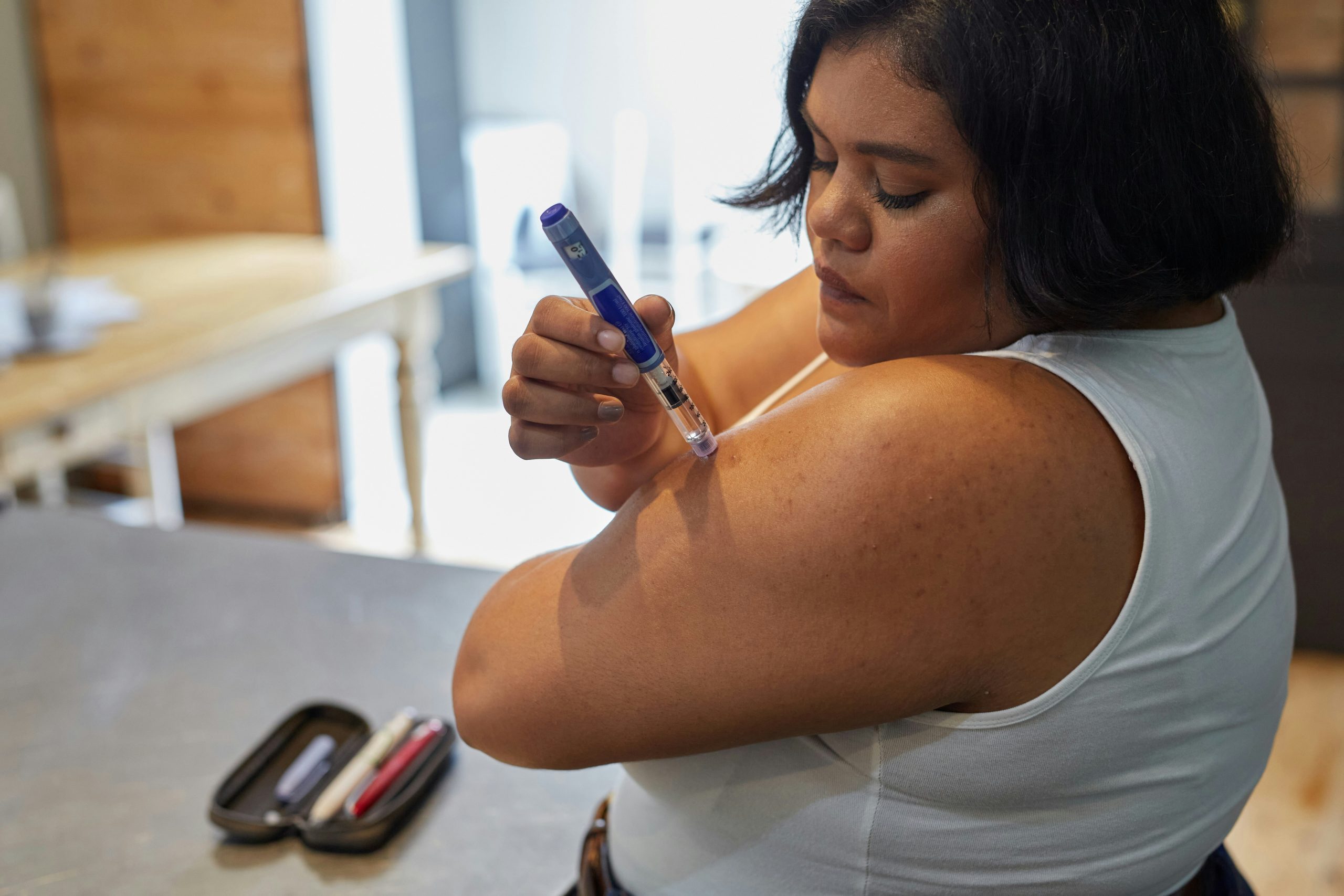
And if you’re already diagnosed with diabetes or obesity, don’t give up. Effective treatments exist — including lifestyle interventions, medications like GLP-1s, and even bariatric surgery for severe cases.

The best time to act was yesterday. The second best time is today.


Written by Altaf Khan | MSc Chemistry, MBA, QC Manager | Medical Bluff

Reviewed by: Dr. Ayesha, Medical Reviewer

This content was written by a pharma professional and reviewed by a medical doctor for accuracy. It is for informational purposes only and does not constitute medical advice. Always consult your healthcare provider.


Keep Reading — More from Medical Bluff

📌 Pillar Posts:

📌 Cluster Posts (Deep Dives):

  • Medically Tailored Meals — What They Are and Who Needs Them

  • Produce Prescriptions — Can Doctors Really Prescribe Vegetables? — Coming Soon

  • GLP-1 and Diet — What to Eat When You’re on Weight Loss Medication — Coming Soon

  • Hypertension Crisis: 1 in 2 Adults Affected — Coming Soon

  • Food Insecurity Rising: 7.4M Older Adults Affected — Coming Soon

  • Why Younger Adults Are Getting Diabetes Faster — Coming Soon


References

  1. American Heart Association. (2026). Heart Disease and Stroke Statistics Report. Circulation.

  2. Cardiovascular Statistics in the United States, 2026. Journal of the American College of Cardiology.

  3. Wolff D, et al. (2026). The Future of Metabolic Health in Managed Care. AJMC.

  4. Xu W, et al. (2026). Relation Between Obesity, Normal-Weight Obesity, and Risk of Diabetes Among Youth and Females. Diabetes, Metabolic Syndrome and Obesity.

  5. Systematic Review on Diabetes Prevention. (2024). Cureus.

  6. National Institute of Diabetes and Digestive and Kidney Diseases. Risk Factors for Type 2 Diabetes.

Popular Posts:

medically tailored meals

Medically Tailored Meals — What They Are and Who Needs Them

I remember a conversation I had a couple years ago with a friend whose father had just been discharged from the hospital after a heart failure episode. He was 72, living alone, and barely eating. That’s when I first realized how critical medically tailored meals could be for people like him. It wasn’t that he didn’t want to eat — he just couldn’t cook anymore. His hands shook too much. Standing in the kitchen tired him out. So he survived on frozen pizzas and instant noodles. The hospital gave him a stack of discharge papers with dietary advice, but no one asked: “How are you actually going to eat?” That’s what got me thinking about medically tailored meals. So, What Exactly Are Medically Tailored Meals? Medically tailored meals are exactly what they sound like. Fully cooked meals, delivered to your door, designed around your specific medical condition. Not like those generic “diet” frozen dinners you see at the grocery store. These are built from the ground up by dietitians who know exactly what someone with heart failure or diabetes or kidney disease actually needs. Someone with heart failure gets low-sodium meals. For diabetes, the meals are balanced to control blood sugar. And for kidney disease, the focus is on managing potassium and phosphorus levels. The whole point? Keep you out of the hospital. How Do Medically Tailored Meals Actually Work? Here’s the step-by-step: Step What Happens 1. A doctor or hospital identifies someone who’s struggling to eat well and has a serious health condition 2. A dietitian figures out what they actually need — sodium limits, carb targets, calorie goals 3. The kitchen prepares meals based on those specs 4. The meals get delivered to the person’s home, usually once a week 5. Some programs also include nutrition check-ins It sounds simple. But for someone who can’t cook anymore, or can’t afford healthy food, or doesn’t have a car to get to the store — it changes everything. A Real Story That Stuck With Me I read about a woman named Marie. She had advanced cancer and was going through treatment. Her husband Richard was her caregiver, but he was also struggling with his own health issues. Cooking had become impossible. A nonprofit started delivering medically tailored meals to their home. The meals were designed by dietitians to meet Marie’s dietary restrictions — managing her blood glucose while she recovered from cancer treatments. The team also made sure the meals were things they would actually want to eat. That’s the part people don’t talk about. This goes beyond nutrition — it’s about dignity. No one should have to choose between eating something harmful or eating nothing at all. Does It Actually Work? The numbers are pretty convincing. It cuts hospital visits. A 2025 study found that if medically tailored meals were available nationally, they could prevent nearly 1.6 million hospitalizations for about 6.3 million eligible patients. Massachusetts patients who got these meals had 31% fewer hospitalizations than similar patients who didn’t. It saves money. Another 2025 study published in Health Affairs found these meals actually save money in the first year — in 49 out of 50 states. The biggest savings? Connecticut, where it saved over $6,000 per patient. Nationally, the savings would be about $13.6 billion per year** — and **$185 billion over 10 years. It improves health outcomes. Condition What Happened Diabetes 91% of patients had lower HbA1c; 70% improved blood sugar Heart Failure Culturally tailored meals cut hospitalization/ER visits by 28% General 30% fewer ER visits, 37% shorter hospital stays “The most striking finding is that medically tailored meals, assuming full uptake by eligible individuals, were cost-saving in 49 of 50 states” — Shuyue Deng, Tufts University The GLP-1 Problem Nobody Talks About GLP-1 medications suppress appetite. A 2026 study found that people on these drugs were eating as little as 800-1,200 calories a day. Less than 10% were getting enough protein. What happens when you don’t eat enough on a GLP-1? You lose muscle instead of fat. Your metabolism slows down. You regain weight the moment you stop. Medically tailored meals could be the solution. They ensure you get the right nutrients — protein, fiber, vitamins — even when you don’t feel like eating. If you’re on a GLP-1 and not thinking about what you’re eating, you’re doing it wrong. Who Needs Medically Tailored Meals? Medically tailored meals aren’t for everyone. They’re for people who: Criteria Detail Have a serious chronic condition Diabetes, heart failure, cancer, kidney disease Can’t cook or shop for themselves Physical limitations, no transportation, etc. Can’t afford healthy food Food insecure Are at high risk for hospitalization Recently discharged or frequent ER visits Where Can You Get Them? Payer What’s Happening Medicaid Some states are starting to cover them Medicare Advantage Some plans now include them Nonprofits Organizations like Community Servings, Open Arms, and God’s Love We Deliver provide meals for free What I Tell People If you or someone you love has a chronic condition and struggles to eat well — ask about medically tailored meals. Talk to your doctor. Check if your insurance covers it. Look for nonprofits in your area. It’s not just about food. Staying out of the hospital matters too. And you shouldn’t have to choose between convenience and health. If you or someone you love has a chronic condition and struggles to eat well — ask about medically tailored meals.     Written by Altaf Khan | MSc Chemistry, MBA, QC Manager | Medical Bluff Reviewed by: Dr. Ayesha, Medical Reviewer This content is for informational purposes only. Always consult your healthcare provider.     Keep Reading — More from Medical Bluff 📌 Pillar Post: Food as Medicine: Why Your Diet Matters More Than Ever in 2026 📌 Cluster Posts (Coming Soon): Produce Prescriptions — Can Doctors Really Prescribe Vegetables? — Coming Soon GLP-1 and Diet — What to Eat When You’re on Weight Loss Medication — Coming Soon Mediterranean Diet — Still the Best Overall Diet for 2026 — Coming Soon     References Hager K, Cudhea FP, Wong JB, et al. Association of National Expansion

food as medicine 2026

Food as Medicine: Why Your Diet Matters More Than Ever in 2026

Let me be real with you. I’ve been in pharma for over 13 years and seen patients spend thousands on drugs for conditions they could have managed with food. People reverse prediabetes just by changing what they eat. I’ve seen it with my own eyes. Food as Medicine isn’t some new-age wellness trend. It’s real. And in 2026, it’s actually becoming part of mainstream healthcare. What Is Food as Medicine? Simple. Using food to prevent, manage, or treat disease. It’s not about supplements and not about juice cleanses. It’s about real food — vegetables, fruits, whole grains, lean protein — becoming part of your treatment plan. I’ve seen patients on GLP-1 medications who were eating only 753 calories a day. That’s less than a toddler needs. They weren’t getting enough protein. They were losing muscle, not fat. And they didn’t even know it. Food as Medicine fixes that. Why Is This Trending in 2026? Three reasons. GLP-1 medications are everywhere. Over 41 million Americans are on them. But most aren’t getting proper nutrition support. Doctors are prescribing the drugs but not the diet that should go with them. Healthcare costs are out of control. Diet-related diseases cost the US over $1 trillion every year. That’s money that could be saved with better food. Insurance companies are finally paying for it. Medicare Advantage and some Medicaid plans now cover medically tailored meals and produce prescriptions. That’s huge. It means food is finally being treated like medicine. The White House is involved too. The Make America Healthy Again Commission is focused on ultra-processed foods. Danone North America called “food as medicine” one of the top health trends for 2026. A Real Example — What This Looks Like in Practice Case 1: My Friend’s Dad My friend’s dad had type 2 diabetes. He was on metformin, but his blood sugar was still high. He lived alone, couldn’t cook much, and was basically living on frozen meals and takeout. Not great. He started getting medically tailored meals delivered to his home. Everything was pre-cooked, designed by a dietitian to manage blood sugar — low sodium, high fiber, balanced carbs. Three months later, his HbA1c dropped from 8.2 to 7.1. He lost 12 pounds and wasn’t hungry all the time. He actually looked forward to his meals. That’s Food as Medicine in action. Case 2: A Produce Prescription for Hypertension A woman in her 60s had high blood pressure. Her doctor didn’t just give her medication — she also wrote her a prescription for fruits and vegetables. $45 per month to buy produce at a local market. She started eating more greens, more berries, more veggies. Six months later, her blood pressure had dropped enough to reduce her medication. That’s a produce prescription. It’s simple, it’s cheap, and it works. The Food as Medicine Pyramid Level Intervention Who It’s For Top Medically Tailored Meals People with severe conditions who can’t cook Middle Medically Tailored Groceries People who can cook but need specific foods Lower Produce Prescriptions People with diet-related conditions Base Nutrition Education Everyone — prevention The top level — medically tailored meals — has the strongest evidence. They’ve been shown to reduce hospital admissions by 49%. That means fewer patients going to the hospital, fewer readmissions, and lower healthcare costs. The GLP-1 Problem Nobody’s Talking About This is the part that actually matters. A 2026 study found that GLP-1 users were eating only 753 calories per day. That’s dangerously low. Less than 10% of patients were meeting their protein needs. What happens when you don’t eat enough protein on a GLP-1? You lose muscle instead of fat Your metabolism slows down You feel weak and tired You regain weight the moment you stop the drug I’ve seen this happen. I know someone who went off Ozempic and gained back twice the weight. Why? Because they never learned how to eat properly while they were on it. What I recommend for GLP-1 users: Eat at least 100g of protein per day Focus on fiber-rich foods Avoid skipping meals Don’t drink your calories If you’re on a GLP-1 and you’re not thinking about your diet, you’re doing it wrong. What Can You Actually Do Today? No, you don’t need a fancy meal delivery service. You can start with what’s in your kitchen. Action Why It Helps Replace white rice with brown rice More fiber, better blood sugar control Eat one extra serving of vegetables Every day. Just one. Keep fruit where you can see it You eat what you see. Put the fruit on the counter. Drink water instead of soda Calories from sugar add up fast Take a multivitamin If you’re not eating well, you’re missing nutrients These aren’t huge changes. But they add up. I’ve seen people lower their blood pressure, reduce their medication, and feel better just by making small changes. What I Tell My Family and Friends I get asked this all the time. “Should I go on a GLP-1?” First, fix your diet. If you need help, talk to a dietitian. The drug works better if you eat well while you’re on it. “What should I eat?” Real food. Vegetables, fruits, whole grains, protein. The Mediterranean diet is still the best overall diet for 2026. It’s not new, but it’s consistently ranked the most effective. “What about processed food?” Avoid it when you can. The White House is sounding the alarm on ultra-processed foods. They make up 58% of the average American diet. That’s a problem. The Bottom Line I’m not a doctor. I’m a chemist who’s been in pharma long enough to know that food matters more than we think. Food as Medicine isn’t about giving up things you love. It’s about adding things that will make you healthier and  about small changes that add up. It’s about treating food like it actually matters — because it does. The best time to start was years ago. The second best time is today.     Written by Altaf Khan | MSc Chemistry, MBA, QC

how to avoid microplastics

How to Avoid Microplastics: 7 Practical Steps

I don’t need to convince you that microplastics are a problem anymore. If you’ve read the other posts in this series, you already know they’re in your brain, your blood, your tea, and your bottled water. The question now is — what do you actually do about it? Let me be honest. You can’t avoid microplastics completely. They’re in the air, the water, and the soil. But you can reduce your exposure. A lot. Here are 7 practical things I’ve done myself. 1. Switch to Glass or Stainless Steel Water Bottles This is the single biggest change you can make. I used to buy bottled water by the case. Then I read a study that found 93% of bottled water brands contain microplastics. I switched to a stainless steel bottle that cost me $20. Haven’t bought bottled water since. What to do: Buy a reusable bottle. Fill it with filtered tap water. Done. 2. Ditch Plastic Tea Bags The study that changed my life. A single plastic tea bag releases 11.6 billion microplastic particles into your tea. When I read that, I threw out all my tea bags and bought loose leaf tea. What to do: Switch to loose leaf tea with a stainless steel infuser. Or look for tea bags made from 100% plant-based materials (not PLA — it’s still plastic). 3. Stop Microwaving Food in Plastic This one hurts. I used to reheat leftovers in plastic containers all the time. Then I learned that heat causes plastic to leach into food. I threw out all my plastic containers and replaced them with glass ones. What to do: Switch to glass or ceramic containers. Never microwave in plastic. Not even “microwave-safe” plastic. 4. Filter Your Tap Water Here’s something I didn’t know until recently — tap water has less microplastics than bottled water. A good water filter can remove most of them. Reverse osmosis is the most effective. Activated carbon filters also work. What to do: Install a water filter at home. Use it for drinking and cooking. Carry a reusable bottle when you go out. 5. Choose Natural Fabrics Every time you wash synthetic clothes, thousands of microplastic fibers go down the drain. The fibers also go into your lungs when you wear them. What to do: Choose cotton, linen, or wool. Avoid polyester, nylon, and acrylic. It’s not always possible, but reduce where you can. 6. Avoid Single-Use Plastics Plastic bags. Disposable cutlery. Straws. Food packaging. All of them contribute to your exposure. What to do: Carry your own bags, cutlery, and straws. Buy food in bulk or in glass containers. Every bit helps. 7. Dust and Vacuum Regularly Indoor air is full of microplastics. They come from furniture, carpets, and clothing. Studies have found that vacuuming regularly reduces microplastic dust significantly. What to do: Vacuum at least once a week. Use a HEPA filter vacuum cleaner. Wipe surfaces with a damp cloth so particles don’t fly into the air. The Bottom Line You can’t eliminate microplastics completely. They’re everywhere. But you can reduce your exposure — and every reduction counts. Start with one thing: Buy a stainless steel water bottle Switch to loose leaf tea Replace one plastic container with glass Whatever you pick, stick with it. Then add another. Small changes over time add up. Your future self — and your brain — will thank you. Written by Altaf Khan | MSc Chemistry, MBA, QC Manager | Medical Bluff You May Also Like: 📌 Pillar Post (Main Guide): Microplastics Found in Human Brain — Should You Be Worried? 📌 Cluster Posts (Deep Dives): How Do Microplastics Enter Your Body? Do Tea Bags Release Microplastics? What Science Says Does Bottled Water Contain Microplastics? Truth Revealed References Assessment of microplastic exposure from bottled water. ScienceDirect, 2025. The impact of dietary habits on microplastic accumulation. Elsevier, 2025. Strategies to reduce microplastic ingestion. Environmental Science & Technology, 2025.

bottled water microplastics

Does Bottled Water Contain Microplastics? Truth Revealed

I used to buy bottled water like it was nothing. Every morning, I’d grab a plastic bottle from the fridge. Drink it in the car. Toss it in the bin. Felt healthy. Felt convenient. Then I read the study. And I haven’t bought a plastic water bottle since. What They Actually Found In 2025, researchers tested 259 bottled water bottles from 11 different brands across 9 countries. Here’s what they found: 93% of all brands contained microplastics. Each liter had between 12 to 62 particles. The most common plastic was PET — the same stuff the bottle is made of. Some particles were under 100 nanometers. Small enough to cross cell walls. That’s not a few particles. That’s dozens in every liter you drink. And those are just the ones they could count. The real number is probably much higher. Where Does It Come From? The plastic doesn’t just appear. It comes from the bottle itself. Plastic Type Where It Comes From PET The bottle itself — sheds particles into water Polyamide (PA) Bottle caps and seals — abrasion during transport Polyethylene (PE) Coatings and liners — breaks down over time Polypropylene (PP) Caps and closures — sheds when opened The longer the water sits in the bottle, the more plastic leaches into it. And here’s the part nobody tells you — opening and closing the bottle cap releases additional particles. Every twist, every turn, more plastic. Heat Makes It Worse Leave a bottle in your car on a summer day? You’re basically brewing plastic water. Storage Condition What Happens Cool, dark storage Minimal particle release Room temperature Moderate release Hot car / sunlight Maximum release — plastic breaks down faster I used to keep a case of water in my trunk during summer. Not anymore. The Columbia Study That Changed My Mind In 2024, researchers at Columbia University used a new technique called stimulated Raman scattering microscopy. It can detect particles down to 100 nanometers. They tested three popular brands of bottled water. Every single bottle contained microplastics. But here’s the scary part — they also found nanoplastics. Those are so small they can cross the gut lining. Enter your bloodstream. Reach your organs. One bottle had 2.4 million plastic particles per liter. That’s not a typo. Million. Tap Water vs Bottled Water I used to think tap water was worse. Turns out, I was wrong. Water Type Microplastic Content Bottled water 12 to 62 particles per liter Tap water (US) 0 to 5 particles per liter Tap water has less plastic than bottled water. You’re paying money for something that’s worse than what comes out of your sink. What We Know About the Risks We don’t have all the answers yet. But we have enough to be concerned. Health Concern What We Know Oxidative stress Strong evidence from animal studies Inflammation Moderate evidence from human cell studies Hormone disruption Emerging evidence Gut microbiome changes Emerging evidence Cellular damage Moderate evidence A 2026 review in Toxicology Letters found that nanoplastics can cross the gut barrier and accumulate in tissues. They’re not just passing through. They’re staying. What the Industry Doesn’t Tell You Bottled water companies have spent billions on marketing. “Pure.” “Natural.” “Spring fresh.” But here’s the reality: 93% of bottled water brands contain microplastics. No US regulation limits microplastics in bottled water. The FDA doesn’t require testing for them. Brands don’t disclose particle counts on labels. They’re selling you convenience. And you’re paying for it with your health. My Personal Switch I bought a stainless steel bottle for 20 bucks. I keep it in my bag. Fill it from the tap at home. Or from the office filter. Cost me less than a month’s worth of bottled water. Now I know exactly what I’m drinking. Water. Nothing else. Is it perfect? No. Microplastics are everywhere — in the air, in the soil, in the food. But cutting out the biggest, most obvious source? That’s a no-brainer. What You Can Do Right Now Simple switches. Big impact. Action Why It Helps Switch to a reusable bottle Stainless steel or glass — no plastic Filter your tap water Reverse osmosis or activated carbon Avoid bottled water in hot cars Heat increases particle release Check the bottle’s date Older bottles shed more plastic Look for glass alternatives Some brands offer glass bottles So… Bottled water is convenient. But it’s not cleaner. It’s not healthier. It’s water with microplastics. And you’re paying for it. Switch to a reusable bottle. Filter your tap water. Drink with peace of mind. Your body will thank you. Written by Altaf Khan | MSc Chemistry, MBA, QC Manager | Medical Bluff You May Also Like: 📖 Microplastics Found in Human Brain — Should You Be Worried? — (Pillar Post) 📖 How Do Microplastics Enter Your Body? — Cluster Post 1 📖 Do Tea Bags Release Microplastics? What Science Says — Cluster Post 2 📖 How to Avoid Microplastics: 7 Practical Steps — Cluster Post 4 References Microplastics in bottled water — a global review. ScienceDirect, 2025. Nanoplastics in bottled water — detection and health implications. Columbia University, 2024. Microplastic contamination in global bottled water brands. Frontiers in Environmental Science, 2025. The health risks of microplastic exposure. Toxicology Letters, 2026.

Share:

Send Us A Message