

Medical Bluff

Hypertension Crisis: 1 in 2 Adults Affected

hypertension

Let me be real with you.

I’ve been in pharma for over 13 years. I’ve seen patients with high blood pressure ignore it for years. They feel fine. No symptoms. So they think it’s not a big deal.

Then one day — heart attack. Stroke. Kidney failure.

Hypertension doesn’t give you warnings. It just quietly damages your body until something breaks.

And here’s the scary part — nearly half of US adults have it.


The Numbers — Hypertension in 2026

The latest data from the Centers for Disease Control and Prevention (CDC) shows that nearly half of US adults have hypertension.

Statistic Detail
50% of US adults have hypertension
Only 1 in 4 have it under control
45% of adults are now affected by cardiovascular disease — driven largely by high blood pressure, obesity, and diabetes
By 2050, projections show 61% of adults will have hypertension

What Is Hypertension?

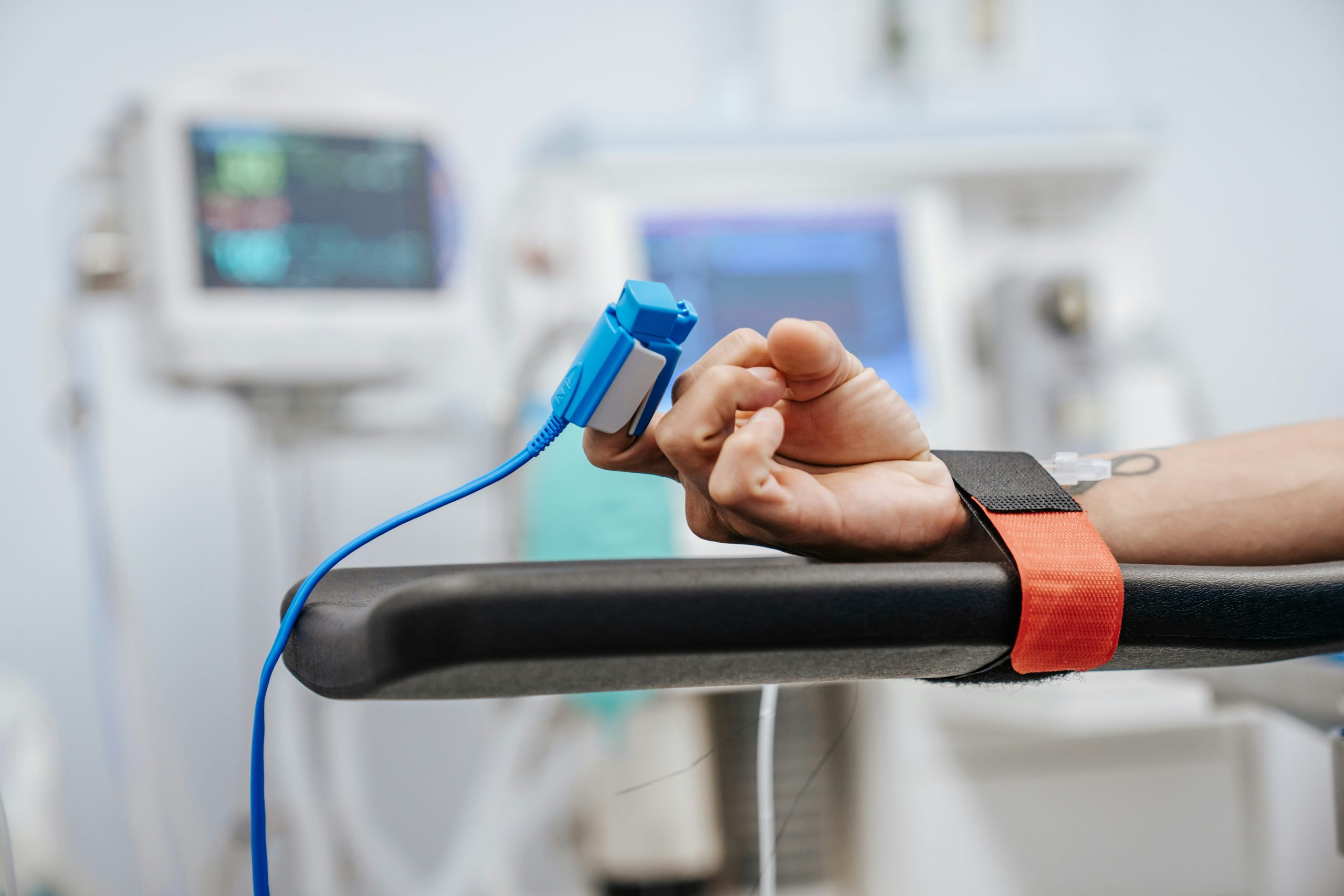
Blood pressure is the force of blood pushing against your artery walls. When it stays high for too long, it damages your blood vessels.

Two numbers:

  • Systolic (top) — pressure when your heart beats

  • Diastolic (bottom) — pressure when your heart rests

Normal: Below 120/80
Elevated: 120-129 / below 80
Stage 1: 130-139 / 80-89
Stage 2: 140 or higher / 90 or higher


Why Is Hypertension So Dangerous?

Organ What Happens
Heart Works harder → becomes enlarged → heart failure
Brain Blood vessels weaken → stroke risk
Kidneys Damaged blood vessels → kidney failure
Eyes Damaged blood vessels → vision loss
Arteries Hardening → plaque buildup → heart attack

Who Is at Risk for Hypertension?

Risk Factor Detail
Age Risk increases with age
Family history Genetics play a role
Obesity Extra weight strains the heart
Lack of exercise Sedentary lifestyle
High sodium diet Salt raises blood pressure
Alcohol Heavy drinking increases risk
Stress Chronic stress raises pressure

What Can You Do About Hypertension?

Action Why It Helps
Check your blood pressure regularly You can’t manage what you don’t measure
Reduce sodium intake Aim for under 2,300 mg/day
Exercise 30 minutes daily Walking counts
Lose 5-10% of body weight Even modest weight loss helps
Limit alcohol Heavy drinking increases risk
Manage stress Chronic stress keeps pressure high

My Take

I’m not a doctor. I’m a chemist who’s been in pharma long enough to know that hypertension is the silent killer.

You can’t feel it. You can’t see it. But it’s there. Damaging your body every day.

Good news? It’s manageable. Check your blood pressure. Eat less salt. Move more. Take your meds.

If you haven’t checked your pressure in a while — do it today. Takes two minutes. Could save your life.


Written by Altaf Khan | MSc Chemistry, MBA, QC Manager | Medical Bluff

Reviewed by: Dr. Ayesha, Medical Reviewer


Keep Reading — More from Medical Bluff

📌 Pillar Posts:

📌 Cluster Posts (Deep Dives):

Popular Posts:

produce prescriptions

Produce Prescriptions : Can Doctors Really Prescribe Vegetables?

Let me be real with you. I’ve been in pharma for over 13 years. I’ve seen doctors write prescriptions for all kinds of drugs. Blood pressure meds. Diabetes meds. Cholesterol meds. But vegetables? That sounded strange to me too. But it’s actually happening — doctors are writing produce prescriptions to help patients manage chronic disease. And it’s working. What Is a Produce Prescription? A produce prescription is exactly what it sounds like — a doctor tells a patient to eat more fruits and vegetables. But here’s the difference: it comes with money to buy them. The patient gets a voucher or a debit card — usually $15 to $40 per month — that they can use at grocery stores or farmers’ markets. They can only buy fruits and vegetables with it. No junk food. No processed stuff. Just produce. In North Carolina, one program gives patients $40 a month loaded onto a grocery loyalty card, and it’s been backed by **[research from the Duke-Margolis Center for Health Policy](** on the impact of produce prescriptions on chronic disease management. Since 2019, patients have redeemed over $7 million in produce. And they’re actually spending twice that amount from their own money too. Do Produce Prescriptions Actually Work? The short answer is yes. A review of 11 studies found significant improvements in: Health Marker What Improved Weight/BMI Went down Blood pressure Went down HbA1c Went down Blood glucose Went down Blood lipids Went down Another study found that a produce prescription program in North Carolina improved glycemic control in patients with type 2 diabetes. The evidence is piling up. And it’s not just about weight — it’s about managing real diseases with real food. How Widespread Is This? Right now, there are over 100 produce prescription programs across the US. States like North Carolina, California, and Massachusetts already have Medicaid-sponsored programs in place. The VA and Indian Health Services have also committed to launching produce prescription pilots. In January 2026, the Produce Prescriptions for Veterans Act was introduced in Congress. If passed, it would allow the VA to provide produce prescriptions to veterans with diet-related chronic conditions who are food-insecure. The federal government is also pushing this forward. The White House Conference on Hunger, Nutrition, and Health included produce prescriptions as part of its strategy to reduce diet-related disease by 2030. Why Do Produce Prescriptions Matter? Because the numbers are ugly. Only 1 in 10 Americans eat the recommended amount of fruits and vegetables. 1 in 2 Americans are diabetic or prediabetic. 75% of Americans are overweight or obese. 80% of healthcare spending goes to preventable chronic diseases. And poor diet is the number one risk factor for death globally. Something has to change. Produce prescriptions aren’t the only solution — but they’re part of it. What Are the Challenges? It’s not all smooth sailing. Challenge Detail Cost Even with a $40/month benefit, that adds up quickly. If 30 million Medicare beneficiaries qualified, it would cost over $14 billion annually Access Some patients don’t have a grocery store nearby. Or they don’t have transportation to get there Adherence Some patients just don’t use the vouchers. They might not know how to cook the food, or they might not like it Knowledge gap Many patients don’t know what to do with the vegetables once they buy them That’s why some programs also include cooking classes or nutrition education. The YMCA’s produce prescription program combines weekly produce deliveries with the Diabetes Prevention Program — so patients learn how to eat healthy while they’re getting the food. What I Tell People I’m not a nutritionist. I’m a chemist who’s been in pharma long enough to know that food matters more than most people think. Produce prescriptions are a good idea. They’re evidence-based, they’re growing, and they’re helping people manage chronic disease. But they’re not magic. They work best when combined with education, support, and access. If you’re a patient with diabetes or high blood pressure — ask your doctor about produce prescription programs in your area. If they don’t know about them, tell them to look into it. And if you’re a policymaker — this is something worth paying attention to. Written by Altaf Khan | MSc Chemistry, MBA, QC Manager | Medical Bluff Reviewed by: Dr. Ayesha, Medical Reviewer References Food Security Outcomes and Postintervention Experiences in a Produce Prescription Pilot: A Mixed-Methods Study. ScienceDirect. 2026.  Integrating Produce Prescriptions into the Healthcare System: Perspectives from Key Stakeholders. International Journal of Environmental Research and Public Health. 2022.  Thompson-Lastad A, et al. Implementing food as medicine during COVID-19: produce prescriptions and integrative group medical visits in federally qualified health centers. Glob Adv Integr Med Health. 2025.  Drake C, et al. Produce Prescription Subsidy for Patients With Diabetes: A Pragmatic Randomized Clinical Trial. JAMA Internal Medicine. 2026;186(4):416-424.  Glover K, et al. Produce prescription to improve health among adults with type 2 diabetes in Australia: protocol for a randomised controlled trial. Contemporary Clinical Trials. 2025;153:107915.  Dev Das and Ahmed, A. Produce prescription: a novel strategy for NCDs in Pakistan. Journal of the Pakistan Medical Association. 2026;76(06):1000.    Keep Reading — More from Medical Bluff 📌 Pillar Posts: Food as Medicine: Why Your Diet Matters More Than Ever Obesity and Diabetes in US — What 2026 Data Reveals 📌 Cluster Posts (Deep Dives): Medically Tailored Meals — What They Are and Who Needs Them Hypertension Crisis: 1 in 2 Adults Affected Produce Prescriptions — Can Doctors Really Prescribe Vegetables? (you are here) Food Insecurity Rising: 7.4M Older Adults Affected — Coming Soon Why Younger Adults Are Getting Diabetes Faster — Coming Soon

obesity and diabetes

Obesity and Diabetes in the US — What 2026 Data Reveals

Let me be real with you. I’ve been in pharma for over 13 years. Seen patients struggle with weight. Watched them battle diabetes. The link between obesity and diabetes is real — and it’s getting worse. The latest 2026 data shows nearly half of US adults now live with cardiovascular disease, driven largely by rising obesity and diabetes rates. Here’s what the numbers actually say. The Numbers — Obesity and Diabetes in 2026 The latest 2026 data from the American Heart Association shows that nearly half of US adults now live with cardiovascular disease. Obesity now affects 40.3% of US adults. That’s more than 100 million people. Another 38.5% have metabolic syndrome — a cluster of conditions that includes high blood pressure, high blood sugar, and excess abdominal fat. Diabetes prevalence has climbed from 12% to 14% between 2009 and 2023. Among adults with diagnosed diabetes, only about half achieve glycemic control. And age-adjusted diabetes-related mortality has increased substantially. Younger adults are getting hit harder. Obesity rates among adults aged 20-39 have risen sharply. And diabetes is rising faster in younger adults, patients with low income, and Black adults. The projections to 2050 are even more concerning: Hypertension: 61% of adults Diabetes: 26.8% of adults Obesity: 60.6% of adults How Obesity and Diabetes Are Connected Obesity is the single biggest driver of type 2 diabetes. About 90% of people with type 2 diabetes have overweight or obesity. Obesity is linked to 30-53% of new type 2 diabetes diagnoses in the US. But why? What’s the actual mechanism? Excess body fat, especially around the abdomen, promotes insulin resistance in several ways: Mechanism What It Does Free fatty acids Interfere with insulin signaling in muscles and liver Inflammatory cytokines Reduce effectiveness of insulin receptors on cells Chronic inflammation Damages pancreatic cells that produce insulin Adipokine alteration Changes hormones that affect how sensitive cells are to insulin Adipose tissue (body fat) isn’t just passive storage — it’s an active endocrine organ that secretes hormones and inflammatory compounds. When you have too much of it, especially in the abdominal region, it disrupts your body’s ability to regulate blood sugar. A meta-analysis found that obese individuals have more than twice the risk of developing diabetes compared with non-obese individuals. The effect is even stronger in younger individuals and females. The “Diabesity” Epidemic — Why It’s Getting Worse Obesity and diabetes rates have been rising together globally — often called “diabesity”. Several factors are driving this: Factor Impact Earlier-onset obesity Younger adults with obesity have longer exposure to metabolic dysfunction Childhood obesity trends Children with obesity are more likely to develop type 2 diabetes early Food insecurity Limited access to healthy food in underserved communities Sedentary lifestyle Physical inactivity contributes to insulin resistance Childhood obesity is a major concern. Research suggests around 75% of children with type 2 diabetes have obesity. Children with severe obesity (BMI ≥ 35) have a significantly increased incidence of diabetes. The Obesity-Diabetes-Cardiovascular Connection Obesity and diabetes don’t just affect each other — they create a cascade of other health problems. A 2026 study found that nearly 1 in 4 adults aged 65 or older now has multimorbidity within the cardiac, renal, and metabolic (CRM) cluster. Each overlapping condition increases the risk of high-cost events like heart attacks, strokes, and kidney failure. Obesity has been described as the “central hub” driving diabetes, cardiovascular disease, chronic kidney disease, and liver disease. This interconnected burden requires a shift from isolated disease management to an integrated metabolic health approach. What Can Be Done About Obesity and Diabetes? For Individuals Action Why It Helps 5-10% weight loss Improves insulin sensitivity, can put type 2 diabetes into remission 150 minutes/week physical activity Improves glucose utilization, reduces insulin resistance Dietary changes Reduce processed foods, increase fiber and protein Regular screening Early detection of prediabetes and diabetes Losing 5% or more of total body weight has been shown to improve quality of life, reduce the need for diabetes medication, and enhance glycemic control. For the Healthcare System The American Heart Association’s 2026 report emphasizes the urgent need for prevention-focused, equitable approaches to cardiovascular, kidney, and metabolic health. This means: Earlier screening for obesity and diabetes Lower thresholds for weight-management referrals Routine sleep assessment during chronic-risk visits Panel-based risk stratification in primary care My Honest Take I’m not a doctor. I’m a chemist who’s been in pharma long enough to know that these numbers matter — and that prevention works. The data is clear: obesity and diabetes are not just personal problems. They’re public health crises that require systemic change. But that doesn’t mean individuals can’t make a difference. If you’re overweight or have a family history of diabetes, get screened. Lose 5-10% of your body weight if you can. Move more. Eat real food. Small changes add up. And if you’re already diagnosed with diabetes or obesity, don’t give up. Effective treatments exist — including lifestyle interventions, medications like GLP-1s, and even bariatric surgery for severe cases. The best time to act was yesterday. The second best time is today. Written by Altaf Khan | MSc Chemistry, MBA, QC Manager | Medical Bluff Reviewed by: Dr. Ayesha, Medical Reviewer This content was written by a pharma professional and reviewed by a medical doctor for accuracy. It is for informational purposes only and does not constitute medical advice. Always consult your healthcare provider. Keep Reading — More from Medical Bluff 📌 Pillar Posts: Food as Medicine: Why Your Diet Matters More Than Ever in 2026 Obesity and Diabetes in US: What 2026 Data Reveals 📌 Cluster Posts (Deep Dives): Medically Tailored Meals — What They Are and Who Needs Them Produce Prescriptions — Can Doctors Really Prescribe Vegetables?  GLP-1 and Diet — What to Eat When You’re on Weight Loss Medication — Coming Soon Hypertension Crisis: 1 in 2 Adults Affected  Food Insecurity Rising: 7.4M Older Adults Affected — Coming Soon Why Younger Adults Are Getting Diabetes Faster — Coming Soon References American Heart Association. (2026). Heart Disease and Stroke Statistics Report. Circulation. Cardiovascular Statistics in the United States, 2026. Journal of the American College of Cardiology. Wolff D, et al. (2026). The Future of Metabolic Health in Managed Care. AJMC. Xu W, et al.

medically tailored meals

Medically Tailored Meals — What They Are and Who Needs Them

I remember a conversation I had a couple years ago with a friend whose father had just been discharged from the hospital after a heart failure episode. He was 72, living alone, and barely eating. That’s when I first realized how critical medically tailored meals could be for people like him. It wasn’t that he didn’t want to eat — he just couldn’t cook anymore. His hands shook too much. Standing in the kitchen tired him out. So he survived on frozen pizzas and instant noodles. The hospital gave him a stack of discharge papers with dietary advice, but no one asked: “How are you actually going to eat?” That’s what got me thinking about medically tailored meals. So, What Exactly Are Medically Tailored Meals? Medically tailored meals are exactly what they sound like. Fully cooked meals, delivered to your door, designed around your specific medical condition. Not like those generic “diet” frozen dinners you see at the grocery store. These are built from the ground up by dietitians who know exactly what someone with heart failure or diabetes or kidney disease actually needs. Someone with heart failure gets low-sodium meals. For diabetes, the meals are balanced to control blood sugar. And for kidney disease, the focus is on managing potassium and phosphorus levels. The whole point? Keep you out of the hospital. How Do Medically Tailored Meals Actually Work? Here’s the step-by-step: Step What Happens 1. A doctor or hospital identifies someone who’s struggling to eat well and has a serious health condition 2. A dietitian figures out what they actually need — sodium limits, carb targets, calorie goals 3. The kitchen prepares meals based on those specs 4. The meals get delivered to the person’s home, usually once a week 5. Some programs also include nutrition check-ins It sounds simple. But for someone who can’t cook anymore, or can’t afford healthy food, or doesn’t have a car to get to the store — it changes everything. A Real Story That Stuck With Me I read about a woman named Marie. She had advanced cancer and was going through treatment. Her husband Richard was her caregiver, but he was also struggling with his own health issues. Cooking had become impossible. A nonprofit started delivering medically tailored meals to their home. The meals were designed by dietitians to meet Marie’s dietary restrictions — managing her blood glucose while she recovered from cancer treatments. The team also made sure the meals were things they would actually want to eat. That’s the part people don’t talk about. This goes beyond nutrition — it’s about dignity. No one should have to choose between eating something harmful or eating nothing at all. Does It Actually Work? The numbers are pretty convincing. It cuts hospital visits. A 2025 study found that if medically tailored meals were available nationally, they could prevent nearly 1.6 million hospitalizations for about 6.3 million eligible patients. Massachusetts patients who got these meals had 31% fewer hospitalizations than similar patients who didn’t. It saves money. Another 2025 study published in Health Affairs found these meals actually save money in the first year — in 49 out of 50 states. The biggest savings? Connecticut, where it saved over $6,000 per patient. Nationally, the savings would be about $13.6 billion per year** — and **$185 billion over 10 years. It improves health outcomes. Condition What Happened Diabetes 91% of patients had lower HbA1c; 70% improved blood sugar Heart Failure Culturally tailored meals cut hospitalization/ER visits by 28% General 30% fewer ER visits, 37% shorter hospital stays “The most striking finding is that medically tailored meals, assuming full uptake by eligible individuals, were cost-saving in 49 of 50 states” — Shuyue Deng, Tufts University The GLP-1 Problem Nobody Talks About GLP-1 medications suppress appetite. A 2026 study found that people on these drugs were eating as little as 800-1,200 calories a day. Less than 10% were getting enough protein. What happens when you don’t eat enough on a GLP-1? You lose muscle instead of fat. Your metabolism slows down. You regain weight the moment you stop. Medically tailored meals could be the solution. They ensure you get the right nutrients — protein, fiber, vitamins — even when you don’t feel like eating. If you’re on a GLP-1 and not thinking about what you’re eating, you’re doing it wrong. Who Needs Medically Tailored Meals? Medically tailored meals aren’t for everyone. They’re for people who: Criteria Detail Have a serious chronic condition Diabetes, heart failure, cancer, kidney disease Can’t cook or shop for themselves Physical limitations, no transportation, etc. Can’t afford healthy food Food insecure Are at high risk for hospitalization Recently discharged or frequent ER visits Where Can You Get Them? Payer What’s Happening Medicaid Some states are starting to cover them Medicare Advantage Some plans now include them Nonprofits Organizations like Community Servings, Open Arms, and God’s Love We Deliver provide meals for free What I Tell People If you or someone you love has a chronic condition and struggles to eat well — ask about medically tailored meals. Talk to your doctor. Check if your insurance covers it. Look for nonprofits in your area. It’s not just about food. Staying out of the hospital matters too. And you shouldn’t have to choose between convenience and health. If you or someone you love has a chronic condition and struggles to eat well — ask about medically tailored meals.     Written by Altaf Khan | MSc Chemistry, MBA, QC Manager | Medical Bluff Reviewed by: Dr. Ayesha, Medical Reviewer This content is for informational purposes only. Always consult your healthcare provider.     Keep Reading — More from Medical Bluff 📌 Pillar Post: Food as Medicine: Why Your Diet Matters More Than Ever in 2026 📌 Cluster Posts (Coming Soon): Produce Prescriptions — Can Doctors Really Prescribe Vegetables?  GLP-1 and Diet — What to Eat When You’re on Weight Loss Medication — Coming Soon Mediterranean Diet — Still the Best Overall Diet for 2026 — Coming Soon     References Hager K, Cudhea FP, Wong JB, et al. Association of National Expansion of Insurance

food as medicine 2026

Food as Medicine: Why Your Diet Matters More Than Ever in 2026

Let me be real with you. I’ve been in pharma for over 13 years and seen patients spend thousands on drugs for conditions they could have managed with food. People reverse prediabetes just by changing what they eat. I’ve seen it with my own eyes. Food as Medicine isn’t some new-age wellness trend. It’s real. And in 2026, it’s actually becoming part of mainstream healthcare. What Is Food as Medicine? Simple. Using food to prevent, manage, or treat disease. It’s not about supplements and not about juice cleanses. It’s about real food — vegetables, fruits, whole grains, lean protein — becoming part of your treatment plan. I’ve seen patients on GLP-1 medications who were eating only 753 calories a day. That’s less than a toddler needs. They weren’t getting enough protein. They were losing muscle, not fat. And they didn’t even know it. Food as Medicine fixes that. Why Is This Trending in 2026? Three reasons. GLP-1 medications are everywhere. Over 41 million Americans are on them. But most aren’t getting proper nutrition support. Doctors are prescribing the drugs but not the diet that should go with them. Healthcare costs are out of control. Diet-related diseases cost the US over $1 trillion every year. That’s money that could be saved with better food. Insurance companies are finally paying for it. Medicare Advantage and some Medicaid plans now cover medically tailored meals and produce prescriptions. That’s huge. It means food is finally being treated like medicine. The White House is involved too. The Make America Healthy Again Commission is focused on ultra-processed foods. Danone North America called “food as medicine” one of the top health trends for 2026. A Real Example — What This Looks Like in Practice Case 1: My Friend’s Dad My friend’s dad had type 2 diabetes. He was on metformin, but his blood sugar was still high. He lived alone, couldn’t cook much, and was basically living on frozen meals and takeout. Not great. He started getting medically tailored meals delivered to his home. Everything was pre-cooked, designed by a dietitian to manage blood sugar — low sodium, high fiber, balanced carbs. Three months later, his HbA1c dropped from 8.2 to 7.1. He lost 12 pounds and wasn’t hungry all the time. He actually looked forward to his meals. That’s Food as Medicine in action. Case 2: A Produce Prescription for Hypertension A woman in her 60s had high blood pressure. Her doctor didn’t just give her medication — she also wrote her a prescription for fruits and vegetables. $45 per month to buy produce at a local market. She started eating more greens, more berries, more veggies. Six months later, her blood pressure had dropped enough to reduce her medication. That’s a produce prescription. It’s simple, it’s cheap, and it works. The Food as Medicine Pyramid Level Intervention Who It’s For Top Medically Tailored Meals People with severe conditions who can’t cook Middle Medically Tailored Groceries People who can cook but need specific foods Lower Produce Prescriptions People with diet-related conditions Base Nutrition Education Everyone — prevention The top level — medically tailored meals — has the strongest evidence. They’ve been shown to reduce hospital admissions by 49%. That means fewer patients going to the hospital, fewer readmissions, and lower healthcare costs. The GLP-1 Problem Nobody’s Talking About This is the part that actually matters. A 2026 study found that GLP-1 users were eating only 753 calories per day. That’s dangerously low. Less than 10% of patients were meeting their protein needs. What happens when you don’t eat enough protein on a GLP-1? You lose muscle instead of fat Your metabolism slows down You feel weak and tired You regain weight the moment you stop the drug I’ve seen this happen. I know someone who went off Ozempic and gained back twice the weight. Why? Because they never learned how to eat properly while they were on it. What I recommend for GLP-1 users: Eat at least 100g of protein per day Focus on fiber-rich foods Avoid skipping meals Don’t drink your calories If you’re on a GLP-1 and you’re not thinking about your diet, you’re doing it wrong. What Can You Actually Do Today? No, you don’t need a fancy meal delivery service. You can start with what’s in your kitchen. Action Why It Helps Replace white rice with brown rice More fiber, better blood sugar control Eat one extra serving of vegetables Every day. Just one. Keep fruit where you can see it You eat what you see. Put the fruit on the counter. Drink water instead of soda Calories from sugar add up fast Take a multivitamin If you’re not eating well, you’re missing nutrients These aren’t huge changes. But they add up. I’ve seen people lower their blood pressure, reduce their medication, and feel better just by making small changes. What I Tell My Family and Friends I get asked this all the time. “Should I go on a GLP-1?” First, fix your diet. If you need help, talk to a dietitian. The drug works better if you eat well while you’re on it. “What should I eat?” Real food. Vegetables, fruits, whole grains, protein. The Mediterranean diet is still the best overall diet for 2026. It’s not new, but it’s consistently ranked the most effective. “What about processed food?” Avoid it when you can. The White House is sounding the alarm on ultra-processed foods. They make up 58% of the average American diet. That’s a problem. The Bottom Line I’m not a doctor. I’m a chemist who’s been in pharma long enough to know that food matters more than we think. Food as Medicine isn’t about giving up things you love. It’s about adding things that will make you healthier and  about small changes that add up. It’s about treating food like it actually matters — because it does. The best time to start was years ago. The second best time is today.     Written by Altaf Khan | MSc Chemistry, MBA, QC

Share:

Send Us A Message