Embracing Women’s Health and Wellness: A Complete Guide
Women’s health is more than just reproductive health. It’s physical, mental, emotional, and social well-being — across every stage of life.
Yet women often put their own health last. Between careers, caregiving, and countless other responsibilities, self-care becomes a luxury.
This guide covers the essentials of women’s health and wellness — based on evidence, not trends.
Quick Summary: Women’s Health and Wellness
| Aspect | What it covers |
|---|---|
| Physical health | Exercise, nutrition, sleep, preventive care |
| Mental health | Stress management, mood, anxiety, depression |
| Emotional health | Self-care, boundaries, relationships |
| Reproductive health | Menstrual health, menopause, pregnancy |
| Healthy aging | Bone health, heart health, hormone changes |
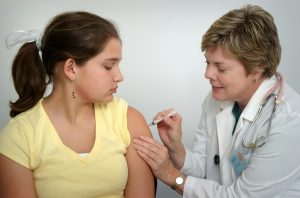
| Preventive care | Screenings, vaccinations, regular check-ups |
Physical Health: The Foundation
Exercise for Women
Recommendation: 150 minutes of moderate-intensity activity per week (30 minutes, 5 days/week).
Benefits:
-
Reduces risk of heart disease, stroke, diabetes
-
Supports bone density (especially weight-bearing exercise)
-
Improves mood and sleep
-
Helps maintain healthy weight
Best exercises for women:
-
Cardio: Walking, swimming, cycling
-
Strength training: Bodyweight, resistance bands, light weights
-
Balance/flexibility: Yoga, Pilates, stretching
Reference: American Heart Association (AHA). “Physical Activity Guidelines.” 2025.
Nutrition for Women
Nutrient needs change across life stages.
| Nutrient | Why important | Sources |
|---|---|---|
| Calcium | Bone health (especially after menopause) | Dairy, fortified plant milk, leafy greens, tofu |
| Iron | Menstruation increases need | Red meat, beans, lentils, spinach |
| Vitamin D | Bone health, immune function, mood | Sunlight, fatty fish, fortified foods |
| Folate | Crucial before and during pregnancy | Leafy greens, legumes, fortified grains |
| Omega-3s | Heart and brain health | Fatty fish, chia seeds, walnuts |
| B12 | Energy and nerve function | Animal products, fortified foods |
General recommendations:
-
Fiber: 25-30g daily
-
Protein: 0.8-1g per kg of body weight
-
Water: ~2.2 liters daily (adjust for activity, climate)
Reference: National Institutes of Health (NIH). “Nutrition and Women’s Health.” 2024.
Sleep for Women
Women report more sleep problems than men — due to hormonal changes, caregiving, and stress.
Recommendation: 7-9 hours per night.
Tips for better sleep:
-
✅ Go to bed and wake up same time daily
-
✅ Reduce screen time 1 hour before bed
-
✅ Limit caffeine after 2 PM
-
✅ Keep bedroom cool, dark, quiet
Reference: National Sleep Foundation. “Sleep and Women.” 2025.
Mental and Emotional Health
Women are twice as likely as men to experience depression and anxiety — partly biological, partly social.
Stress Management
Common stress signs:
-
Fatigue
-
Irritability
-
Difficulty concentrating
-
Sleep problems
-
Physical tension (headaches, muscle pain)
Evidence-based stress reducers:
-
Mindfulness meditation (10 minutes daily)
-
Exercise (even a 20-minute walk)
-
Journaling (write down 3 things you’re grateful for)
-
Social connection (talk to someone you trust)
-
Deep breathing (4-7-8 method)
Reference: American Psychological Association (APA). “Stress in Women.” 2025.
Addressing Anxiety and Depression
When to seek help:
-
Persistent sadness or worry (2+ weeks)
-
Loss of interest in activities you used to enjoy
-
Changes in appetite or sleep
-
Difficulty concentrating
-
Thoughts of self-harm
What helps:
-
Therapy (CBT, talk therapy)
-
Medication (SSRIs, SNRIs) — if prescribed
-
Lifestyle changes
-
Support groups
Reference: National Institute of Mental Health (NIMH). “Women and Mental Health.” 2024.
Reproductive Health
Menstrual Health
Red flags to discuss with your doctor:
-
Periods so heavy you need to change every hour
-
Periods lasting longer than 7 days
-
Severe pain that interferes with daily life
-
Irregular cycles (outside 21-35 days)
-
Bleeding between periods
Common conditions:
-
PCOS (polycystic ovary syndrome)
-
Endometriosis
-
Fibroids
-
Premenstrual syndrome (PMS) / Premenstrual dysphoric disorder (PMDD)
Reference: American College of Obstetricians and Gynecologists (ACOG). “Menstrual Health.” 2025.
Menopause
Average age: 51-52 (US)
Common symptoms:
-
Hot flashes
-
Night sweats
-
Sleep disturbances
-
Mood changes
-
Vaginal dryness
-
Cognitive changes (“brain fog”)
Management options:
-
Hormone replacement therapy (HRT) — discuss risks/benefits
-
Non-hormonal options: certain antidepressants (SSRIs), gabapentin
-
Lifestyle: exercise, cooling strategies, hydration
-
Cognitive support: mental stimulation, sleep
Reference: North American Menopause Society (NAMS). “Menopause Management.” 2025.
Preventive Care (Don’t Skip)
| Screenings for women | Timing |
|---|---|
| Blood pressure | Every 2 years (more if elevated) |
| Cholesterol | Starting at 20, then every 4-6 years |
| Cervical cancer (Pap test) | Every 3-5 years (depending on age and history) |
| Breast cancer (Mammogram) | Every 1-2 years (starting at 40-50) |
| Bone density (DEXA) | Starting at 65 (or earlier with risk factors) |
| Diabetes screening | Starting at 35 (or earlier with risk factors) |
| Colorectal cancer | Starting at 45 |
| Eye exam | Every 1-2 years (starting at 40) |
| Dental check-up | Twice a year |
Reference: U.S. Preventive Services Task Force (USPSTF). “Women’s Health Screenings.” 2025.
Healthy Aging for Women
| Concern | Action |
|---|---|
| Bone health | Calcium + vitamin D + weight-bearing exercise |
| Heart health | Blood pressure control, cholesterol check, walking |
| Cognitive health | Mental stimulation, social engagement, blood pressure control |
| Muscle mass | Strength training 2x/week |
| Falls prevention | Balance exercises, home safety |
| Social connection | Stay connected — isolation harms health |
The Bottom Line
Women’s health and wellness is multidimensional. It’s not just about visiting the doctor — it’s about daily habits that support your physical, mental, and emotional well-being.
Start with one small change:
-
Schedule that screening you’ve been putting off
-
Take a 20-minute walk today
-
Call a friend you haven’t spoken to in a while
-
Sleep 30 minutes earlier tonight
Your health is your wealth. Invest in it.
You may also like:
📖 Can Pregnant Women Eat Shrimp?
📖 Ancestral Supplements: Do Organ Meats Really Work?
📖 How to Increase Water Intake
Written by Altaf Khan | MSc Chemistry, MBA, QC Manager | Medical Bluff
References
-
American Heart Association (AHA). “Physical Activity Guidelines.” 2025.
-
National Institutes of Health (NIH). “Nutrition and Women’s Health.” 2024.
-
National Sleep Foundation. “Sleep and Women.” 2025.
-
American Psychological Association (APA). “Stress in Women.” 2025.
-
National Institute of Mental Health (NIMH). “Women and Mental Health.” 2024.
-
American College of Obstetricians and Gynecologists (ACOG). “Menstrual Health.” 2025.
-
North American Menopause Society (NAMS). “Menopause Management.” 2025.
-
U.S. Preventive Services Task Force (USPSTF). “Women’s Health Screenings.” 2025.